
Table of Contents
The Ultimate Guide to Wine Blending: Craft Your Perfect Blend Now
Introduction
Wine blending is an ancient and refined art that has shaped the world of winemaking for centuries. It is the practice of combining different grape varieties or wines from distinct regions, vineyards, or vintages to achieve a harmonious, complex, and balanced final product.
For wine enthusiasts, understanding wine blending can deepen their appreciation of different styles. For businesses and groups, participating in a team-building experience centered around wine blending fosters creativity, collaboration, and a deeper connection with the wine itself.
This ultimate guide will take you through the history, techniques, and benefits of wine blending, as well as how you can participate in a team-building experience that involves this fascinating craft.
The History of Wine Blending
Wine blending is not a modern invention; it has been practiced for millennia. Some of the world’s most renowned wines are blends, demonstrating that combining different wines can create something far greater than the sum of its parts.
Ancient Origins
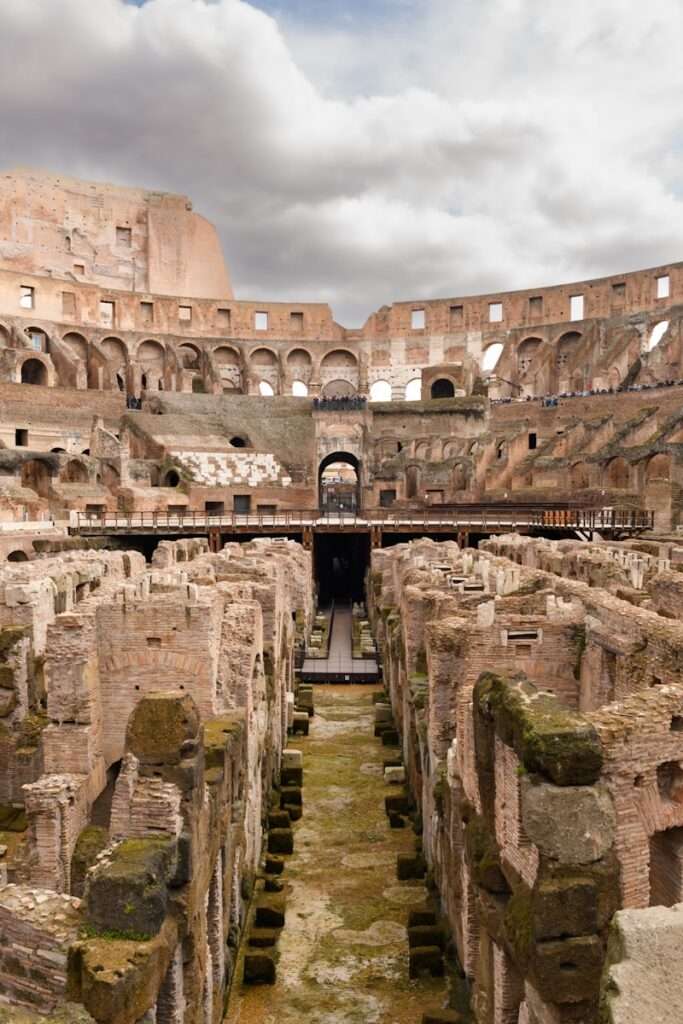
- Ancient Rome and Greece: Winemakers in these early civilizations experimented with blending different grape varieties to enhance flavors, mask imperfections, and create more balanced wines.
- French Influence: France has long been a pioneer in wine blending. Some of the most celebrated wines, such as Bordeaux and Champagne, are blends crafted with precision and tradition.
- New World Innovations: Regions like California, South America, and Australia have adopted and expanded upon blending techniques to create modern, innovative styles.
The Science and Art Behind Wine Blending
Blending is both a science and an art. It requires a deep understanding of chemistry, sensory analysis, and creativity to achieve the perfect balance.
Why Blend Wines?
- Balance: Combining high-acid wines with lower-acid wines can create a smoother mouthfeel.
- Complexity: A blend can exhibit a wider range of aromas and flavors than a single varietal wine.
- Consistency: Vintage variations can be smoothed out by blending different years.
- Structure and Longevity: Some grapes contribute tannins for aging potential, while others provide fruitiness and drinkability.
Key Components of Wine Blending
- Grape Varieties: Each grape brings its unique profile to a blend.
- Cabernet Sauvignon: Structure and tannins
- Merlot: Softness and fruit-forward character
- Syrah/Shiraz: Spice and richness
- Terroir Influence: Climate, soil, and altitude impact grape expression.
- Aging Considerations: Wines aged in oak vs. stainless steel bring different textures and aromas.
How to Create Your Own Wine Blend
Step 1: Understanding Your Base Wines
Identify the core characteristics of each wine component. Sample and take notes on acidity, tannins, fruit expression, and finish.
Step 2: Experimenting with Ratios
Try different proportions to find the best balance. Start with small amounts, making adjustments based on taste.
Step 3: Evaluating the Blend
Assess aroma, flavor, mouthfeel, and balance. Compare different versions and adjust accordingly.
Step 4: Finalizing and Enjoying
Once satisfied, scale up your blend for bottling or serving at a special event.
Wine Blending as a Unique Team-Building Experience
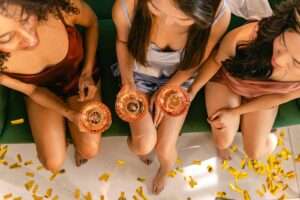
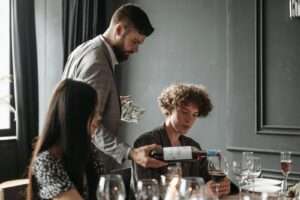
Wine blending is an engaging and interactive activity for corporate groups, friends, or families. It encourages teamwork, problem-solving, and creativity while offering a memorable sensory experience.
Why Wine Blending is Perfect for Team Building
- Encourages collaboration and communication
- Provides a relaxed yet sophisticated environment
- Fosters creativity through experimentation
- Offers a hands-on learning experience with wine experts
For a truly immersive team-building experience, consider booking a wine blending event tailored to your group’s preferences. These experiences provide expert guidance, a variety of wines to blend, and a fun, interactive atmosphere. Learn more here.
Regional Wine Blending Traditions
Different wine regions have their own iconic blends, each showcasing the diversity of terroirs and winemaking philosophies.
Famous Blends from Around the World
- Bordeaux Blend (France): Cabernet Sauvignon, Merlot, Cabernet Franc, Petit Verdot, Malbec
- Champagne (France): Chardonnay, Pinot Noir, Pinot Meunier
- Super Tuscans (Italy): Sangiovese blended with Cabernet Sauvignon or Merlot
- GSM (Grenache, Syrah, Mourvèdre) (France & Australia): A rich, full-bodied blend
Tips from Master Winemakers on Blending
What the Experts Say
- “Blending is like composing music – each component must harmonize with the others.”
- “A great blend is not about dominance, but balance and integration.”
- “Trust your palate; a well-blended wine should feel seamless and complete.”
Pairing Blended Wines with Food
Pairing food with blended wines can elevate the dining experience. Here are some guidelines:
- Bordeaux Blend: Perfect with steak, lamb, and hearty dishes.
- GSM Blends: Complement spicy foods, grilled meats, and rich stews.
- Champagne Blends: Ideal for seafood, sushi, and creamy cheeses.
- Super Tuscans: Pairs beautifully with Italian cuisine and roasted meats.
Hosting Your Own Wine Blending Event
Want to host a blending party? Follow these steps:
- Gather Supplies:
- Several bottles of different varietals
- Measuring tools and tasting glasses
- Notebooks for notes
- Set Up Tasting Stations:
- Provide guidelines on evaluating each wine
- Encourage experimentation with different blends
- Blend, Taste, and Vote:
- Allow guests to create their own blends
- Have a friendly competition to choose the best one
For a more refined experience, consider booking a guided blending session with experts. Find options here.
Conclusion
Wine blending is an extraordinary journey that combines tradition, science, and creativity. Whether you’re blending wines for personal enjoyment, exploring the techniques behind legendary wine regions, or engaging in a team-building experience, the art of blending provides an enriching and unforgettable experience.
By learning and experimenting, you can create wines that reflect your personal taste and appreciation for winemaking. If you’re looking for an immersive and fun team-building experience, explore blending workshops that offer hands-on learning, expert guidance, and a touch of elegance. Discover the perfect wine blending experience here.
Hashtags:
#WineBlending #Winemaking #WineLovers #TeamBuilding #WineExperience #Sommelier #WineTasting #FineWines #FoodAndWinePairing #LuxuryExperiences
Find out more about our experiences.
You may also want to check out our gallery for past events.
Other interesting links
- CUSTOMIZE YOUR EXPERIENCE
- Team Building blog
- Wine Courses
- THE BLIND TASTING COMPETITION
- THE PERFECT BLEND COMPETITION
- TEQUILA & MEZCAL EXPERIENCE
- Food & Wine Pairing
- VIRTUAL EXPERIENCES
Links to other interesting articles:
73-powerful-team-building-activities
unlock-the-fun-with-18-virtual-team-building-activities
powerful-tips-for-crafting-a-company-culture
Links to other interesting articles:
19-amazing-virtual-team-building-activities
35-powerful-team-building-activities