
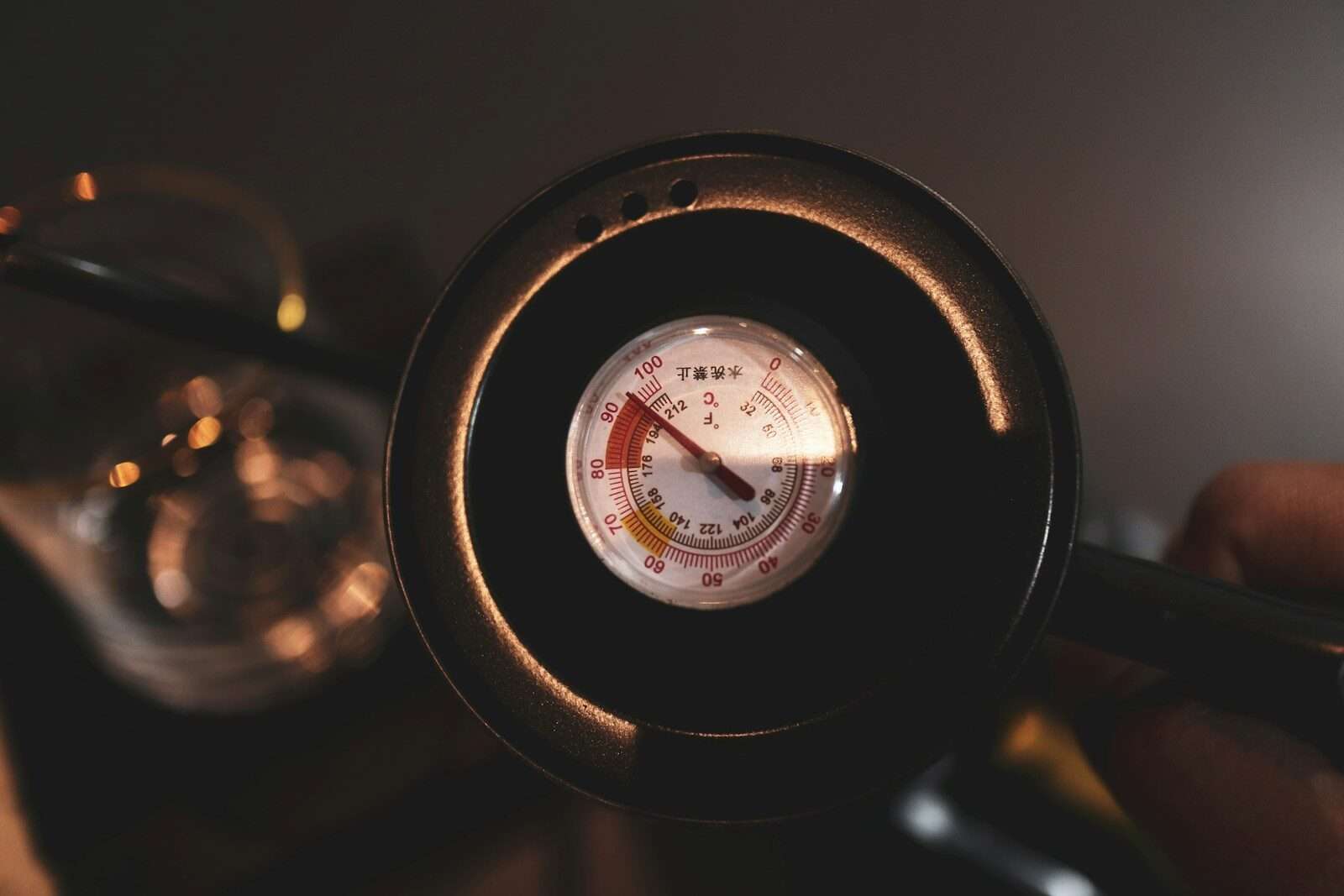
Temperature is one of the most controllable variables in how wine tastes — and one of the most commonly ignored. A red wine served at 75°F in a warm house tastes flat and alcoholic. The same wine at 65°F has structure, aroma, and balance. The wine didn’t change. The temperature did.
Here’s exactly how to serve every type of wine at the temperature that makes it taste best.
Why Temperature Changes How Wine Tastes
The chemistry is straightforward. Temperature affects which aromatic compounds volatilize off the wine’s surface, and how dominant certain structural elements feel on the palate.
Too cold: Aromas are suppressed. Acidity feels harsher. Tannins in reds feel gripping and uncomfortable. You lose most of the wine’s complexity.
Too warm: Alcohol volatilizes more aggressively — you smell ethanol before you smell fruit. Structure collapses. Red wines feel flabby and hot. White wines lose freshness and start to taste flat.
The right temperature is the range where the wine’s aromatics open up, its structural elements are in balance, and you’re tasting what the winemaker intended.
Wine Serving Temperature by Type
Sparkling Wine and Champagne: 40–45°F (4–7°C)
The coldest range. Sparkling wine needs to be cold for three reasons: the bubbles stay tighter and more persistent at lower temperatures, the fresh acidity is more refreshing when cold, and the delicate aromatics are preserved rather than volatilized off too quickly.
In practice: Remove from the fridge 10–15 minutes before serving if it’s been refrigerated at 35–38°F. Serve in a narrow flute or tulip glass to preserve bubbles and concentrate aromatics.
Wines in this range: Champagne, Cava, Prosecco, Crémant, Pétillant Naturel, sparkling rosé.
Light White Wines: 45–50°F (7–10°C)
Light whites benefit from being cold — their crisp acidity and delicate aromatics read best with a chill. But too cold and you lose the wine entirely.
In practice: Straight from a wine fridge or 30–45 minutes in a regular refrigerator from room temperature. Serve in a standard white wine glass.
Wines in this range: Muscadet, Pinot Grigio, Sauvignon Blanc, Albariño, Vinho Verde, Vermentino, Chablis, dry Riesling, Grüner Veltliner.
Full-Bodied White Wines: 50–55°F (10–13°C)
Richer whites need slightly more warmth to open up. At 45°F, a full Chardonnay feels closed — you get none of the texture or complexity that makes it interesting. Toward 55°F, the wine comes alive.
In practice: Remove from a wine fridge or regular refrigerator 20–30 minutes before serving. Or transfer directly from a wine fridge set at 50–55°F.
Wines in this range: Oaked Chardonnay, white Burgundy, Viognier, Roussanne, Marsanne, Chenin Blanc (dry), Pinot Gris (Alsace), white Rhône blends.
Rosé: 48–55°F (9–13°C)
The range depends on style. Provence rosé — dry, delicate, pale — drinks best toward the cooler end (48–52°F). Fuller, more structured rosés can go warmer (52–55°F).
In practice: Similar to light whites. Straight from a fridge or 20–30 minutes chilled from room temperature.
Wines in this range: Provence rosé, Spanish rosado, Italian rosato, dry American rosé.
Light Red Wines: 55–60°F (13–16°C)
This is the most commonly misunderstood category. Gamay, Pinot Noir, Beaujolais, and other light reds are almost always served too warm. Warm temperatures make tannins seem harsh and alcohol dominant; a slight chill brings out bright fruit and freshness.
In practice: 20–30 minutes in the refrigerator before serving, or serve straight from a wine fridge at 58°F. This is the one category where a brief chill transforms the wine dramatically.
Wines in this range: Beaujolais and Beaujolais-Villages, Gamay, Pinot Noir, Zweigelt, Schiava, Valpolicella, light Grenache, Bardolino.
Medium-Bodied Red Wines: 60–65°F (16–18°C)
The most forgiving range. Medium reds have enough structure to taste good across a fairly wide temperature window, but they peak at the cooler end of “room temperature” — around 60–63°F.
In practice: If your home is 70°F or below, these can be served with minimal adjustment. In summer or a warm house, 10–15 minutes in the fridge helps.
Wines in this range: Chianti and Sangiovese, Côtes du Rhône, Barbera, Grenache, Tempranillo (Rioja), Merlot, Malbec, Cabernet Franc.
Full-Bodied Red Wines: 62–68°F (17–20°C)
Full reds need the most warmth to open up — tannins integrate and aromas develop at the higher end of the range. But “full-bodied” doesn’t mean “warm.” Even Barolo and Cabernet Sauvignon are best around 65°F, not 72°F.
In practice: If your space is air-conditioned to 70°F or above, even bold reds benefit from 5–10 minutes in the fridge before serving. Don’t serve them cellar-cold (55°F) either — let them come up from storage for 30–45 minutes before opening.
Wines in this range: Cabernet Sauvignon, Syrah/Shiraz, Barolo, Barbaresco, Amarone, Châteauneuf-du-Pape, Zinfandel, bold Malbec.
Dessert Wines: 43–50°F (6–10°C)
Sweet wines need to be served cold to keep them from feeling heavy and cloying. Cold temperature balances the sweetness and keeps the wine refreshing. Exception: fortified dessert wines like Tawny Port can be served slightly warmer (55–60°F).
In practice: Straight from a wine fridge or refrigerator. Don’t let sweet wines warm up in the glass before finishing.
Wines in this range: Sauternes, Beerenauslese, Trockenbeerenauslese, Moscato d’Asti, Ice Wine, late-harvest Riesling, Vouvray moelleux. Tawny and Vintage Port slightly warmer.
The Reference Table
| Wine type | Serving temperature |
|---|---|
| Sparkling wine / Champagne | 40–45°F (4–7°C) |
| Light white wines | 45–50°F (7–10°C) |
| Full-bodied white wines | 50–55°F (10–13°C) |
| Rosé | 48–55°F (9–13°C) |
| Light red wines | 55–60°F (13–16°C) |
| Medium-bodied red wines | 60–65°F (16–18°C) |
| Full-bodied red wines | 62–68°F (17–20°C) |
| Dessert wines | 43–50°F (6–10°C) |
| Tawny / Vintage Port | 55–62°F (13–17°C) |
Practical Tips for Getting Temperature Right
The Refrigerator Method
If you don’t have a wine fridge, a regular refrigerator (35–38°F) combined with timing gets you close enough:
- Whites and sparkling: Remove 15–30 minutes before serving
- Rosé: Remove 15–25 minutes before serving
- Light reds (Pinot Noir, Beaujolais): Put in fridge 20–30 minutes before serving
- Medium reds: Put in fridge 10–15 minutes before serving
- Full-bodied reds: Leave at room temperature (or 5 minutes in fridge if the room is warm)
The Ice Bucket Method
An ice bucket chills wine fast — around 15–20 minutes from room temperature to serving temperature for most whites. Add equal parts ice and cold water (water is the contact medium; pure ice leaves air gaps). To chill a red quickly: 5–8 minutes in an ice bucket, then check temperature or drink.
Use a Wine Thermometer
A basic instant-read thermometer takes the guesswork out. They’re inexpensive and give you an accurate reading in seconds — much more reliable than timing estimates, which vary by bottle shape, glass thickness, and room temperature.
Warming Wine That’s Too Cold
If a red comes straight from a cellar at 55°F and needs to be warmer: don’t microwave it, don’t put it near a heat source. Either let it sit at room temperature for 30–45 minutes, or hold the glass bowl in your hands — body heat warms wine quickly through the glass.
The “Room Temperature” Problem
The phrase “serve reds at room temperature” causes more bad wine experiences than almost any other piece of wine advice. It was coined when European rooms averaged 60–65°F. Modern rooms in warm climates routinely hit 72–78°F, which is too warm for every wine without exception.
If you remember one rule: every wine tastes better slightly cooler than you think it should. Whites and sparkling wines should be cold. Light reds should have a chill. Even full-bodied reds should be several degrees below room temperature in a warm house.
Temperature and Wine Glasses
Glass shape also affects how wine temperature is perceived. A narrow flute keeps sparkling wine cold longer than a wide coupe. A large-bowled Burgundy glass warms wine in your hand quickly — ideal for Pinot Noir that needs to open up, less ideal for a white that should stay cold. For whites you want to keep cold, hold the glass by the stem rather than the bowl.
Next: how to choose the right wine glass for each style and how to store wine properly — including whether you need a wine fridge. To connect temperature to flavor, see our guide on wine body — light, medium, and full-bodied wines explained.
Further Reading
For the technical science behind temperature and aroma chemistry, Guild of Sommeliers publishes research-backed tasting theory. For quick reference on specific wines, Wine Folly’s serving temperature guide is one of the clearest visual references available.