
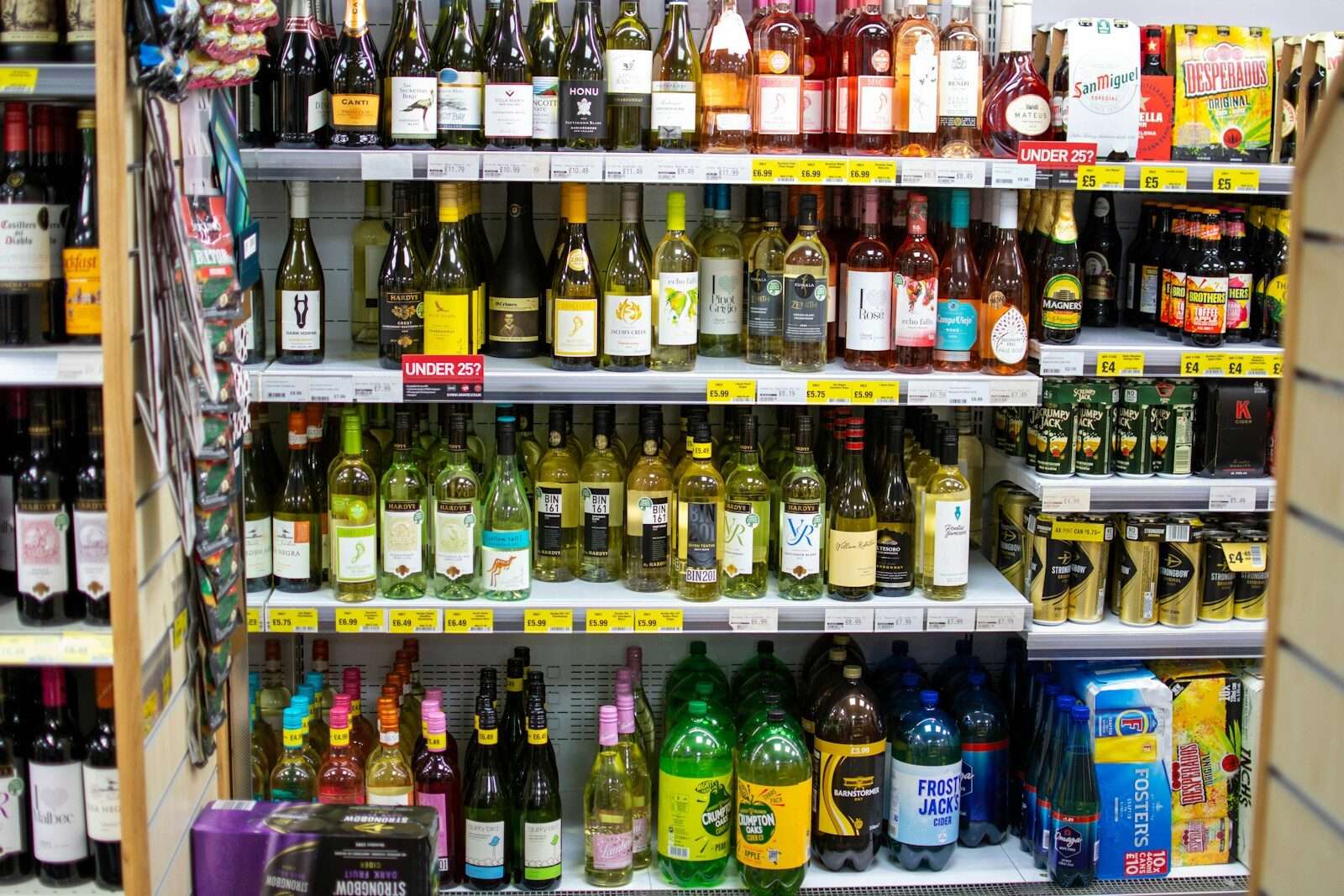
Most wine kept in a regular refrigerator gets damaged before it’s ever opened. A kitchen fridge runs at 35–38°F, moves air constantly, and produces vibration from the compressor — all three of which accelerate wine deterioration. Wine fridges solve a specific problem: keeping wine in conditions that let it actually taste the way it’s supposed to.
This guide covers what a wine fridge does, whether you need one, what to look for, and how to use one correctly.
What a Wine Fridge Actually Does
A wine fridge isn’t just a slightly warmer regular fridge. It’s engineered around wine’s actual needs:
Temperature stability. Wine stores best between 45°F and 65°F, depending on the wine. The target for most ready-to-drink bottles is around 55°F — a single consistent temperature rather than the cycling fluctuations of a kitchen appliance. Temperature swings (even 5–10°F swings repeatedly over time) cause the wine to expand and contract, which pushes liquid past the cork and introduces oxidation.
Humidity control. Corks need around 60–70% relative humidity to stay supple. Too dry and a cork shrinks and lets air in. Regular refrigerators run at 30–40% humidity — low enough to dry out corks over months. Wine fridges maintain proper humidity.
Low vibration. Vibration disturbs sediment and can accelerate chemical reactions in the wine. Wine fridges use thermoelectric cooling or compressors with vibration dampening. Kitchen refrigerators vibrate constantly.
UV protection. UV light degrades wine. Wine fridges have tinted or UV-blocking glass doors. Regular fridges don’t have glass doors at all — but this matters if you’re using a wine rack or open shelving anywhere with light exposure.
Horizontal storage. Wine fridges hold bottles on their sides, keeping the cork in contact with wine and preventing it from drying out.
Who Needs a Wine Fridge
You need a wine fridge if any of these apply:
You store wine for more than a few weeks. If a bottle sits in your kitchen for a month or longer, it’s being damaged by temperature fluctuation. A wine fridge pays for itself in bottles that taste the way they should.
You buy wine in advance of drinking it. Picking up bottles at a winery, buying a case during a sale, cellaring reds for a special occasion — all of this requires proper storage.
You serve wine at the right temperature. Even for immediate service, a wine fridge lets you keep whites chilled to 45–50°F and reds at 60–65°F — the ranges where they actually taste best — without having to remember to move bottles between rooms.
You collect wine. If you’re buying to age — Barolo, aged Bordeaux, Burgundy, late-harvest Rieslings — a wine fridge or proper cellar isn’t optional. Temperature is the single biggest variable in how wine ages.
You probably don’t need one if you drink wine within a few days of buying it and don’t store more than a bottle or two at a time.
Wine Fridge Types
Thermoelectric vs. Compressor
Thermoelectric wine fridges use the Peltier effect — an electrical current creates a temperature difference between two sides of a ceramic tile. They’re nearly silent, vibration-free, and energy efficient. The tradeoff: they can only cool to 20–25°F below ambient room temperature. In a warm kitchen (75°F+), they struggle to maintain proper storage temperature.
Best for: 12–24 bottle capacity, temperate room environments, noise-sensitive spaces.
Compressor wine fridges work like a regular refrigerator — a refrigerant gas cycle. They can cool to any target temperature regardless of ambient conditions and handle larger capacities. They produce some vibration and noise, though high-end units minimize both with dampening systems.
Best for: Larger collections, warm environments, zones where you need precise temperature control year-round.
Single Zone vs. Dual Zone
Single zone fridges maintain one temperature throughout. Best for people who mainly store one type of wine (all reds, all whites) or use the fridge primarily for aging.
Dual zone fridges split into two independent temperature compartments. Common configuration: upper zone at 45–55°F for whites and sparkling, lower zone at 55–65°F for reds. Ideal for mixed collections where you want both ready-to-serve whites and stored reds.
Size Guide: How Many Bottles Do You Actually Need?
Wine fridge capacity is almost always stated optimistically. Manufacturers count Bordeaux-shaped bottles in ideal rack configurations. Real life means some bottles don’t fit standard slots, you have magnum-format bottles, or the racks leave dead space.
| Stated capacity | Realistic capacity | Best for |
|---|---|---|
| 6–12 bottles | 6–8 | Immediate use, countertop storage |
| 18–24 bottles | 15–20 | Casual collector, apartment living |
| 32–46 bottles | 25–38 | Regular buyer, mixed collection |
| 50–80 bottles | 40–65 | Enthusiast, aging some bottles |
| 100+ bottles | 80–100 | Serious collector |
Buy larger than you think you need. Wine collectors consistently report filling their fridges faster than expected.
Temperature Settings by Wine Type
The right serving temperature and storage temperature are different. Wine fridges are primarily for storage; adjust a few hours before serving if needed.
Long-term storage (all wines): 55°F / 13°C — the classic cellar temperature that works for both reds and whites when stored over months or years.
Ready-to-serve temperatures:
| Wine type | Serving temperature |
|---|---|
| Sparkling wine / Champagne | 40–45°F (4–7°C) |
| Light white wines (Pinot Grigio, Muscadet) | 45–50°F (7–10°C) |
| Full white wines (Chardonnay, Viognier) | 50–55°F (10–13°C) |
| Rosé | 48–55°F (9–13°C) |
| Light red wines (Pinot Noir, Gamay) | 55–60°F (13–16°C) |
| Medium-bodied reds (Merlot, Sangiovese) | 60–65°F (16–18°C) |
| Full-bodied reds (Cabernet, Barolo, Syrah) | 62–68°F (17–20°C) |
| Dessert wines | 43–47°F (6–8°C) |
The most common mistake: serving red wine at room temperature in a warm house. “Room temperature” was coined when European rooms averaged 60–65°F. A modern home at 72°F means red wine is being served too warm — it tastes flabby and alcoholic. Even a quick 20 minutes in the fridge improves most reds served in a warm environment.
What to Look For When Buying
Build quality matters more than features. A well-built single-zone compressor unit outperforms a feature-heavy thermoelectric unit in most real-world conditions.
Check the actual interior dimensions. Manufacturers list capacity in standard Bordeaux bottles. If you drink mostly Burgundy or Riesling bottles (both wider than Bordeaux), actual capacity drops significantly.
Vibration levels. For long-term aging, look for units with explicit vibration dampening. Compressor units vary considerably here.
Door seal integrity. The door gasket is the biggest factor in humidity and temperature stability. Check reviews for seal quality over time.
UV-protective glass. Tinted or UV-blocking glass matters if the fridge is in a sunlit area.
Noise levels. Thermoelectric units are near-silent. Compressor units range from quiet to quite loud — check decibel ratings if the fridge will be in a living space.
Wine Fridge Placement
Avoid direct sunlight. UV exposure through windows degrades wine even inside a fridge if the door glass isn’t UV-blocking.
Keep away from heat sources. Ovens, dishwashers, and heating vents make the fridge work harder and stress compressors.
Allow air circulation. Most wine fridges need several inches of clearance on sides and back for heat dissipation. Built-in models are designed for cabinet installation; freestanding units are not.
Level placement. A fridge that isn’t level can cause the door to seal improperly and the compressor to work inefficiently.
How Long Can Wine Be Stored?
Wine fridges extend storage significantly, but they don’t make wine immortal.
Everyday drinking wines are made to be consumed within 1–3 years of vintage. A wine fridge keeps them tasting fresh during that window, but won’t turn a $12 Sauvignon Blanc into something worth aging.
Mid-range reds (Chianti Classico, Côtes du Rhône, most Merlot) benefit from 2–5 years of proper storage, not more.
Age-worthy wines (Barolo, Barbaresco, aged Bordeaux, Napa Cabernet, Burgundy, vintage Champagne, Sauternes, German Riesling Spätlese/Auslese) can be stored for 10–30+ years under proper conditions. These benefit most from a dedicated wine fridge or cellar.
A wine fridge is the difference between a bottle evolving gracefully and a bottle going flat, sour, or oxidized before you open it.
The Short Answer
If you regularly buy wine, a wine fridge is worth it. The temperature and humidity control alone justifies the cost for anyone who regularly loses bottles to improper storage or serves wines at wrong temperatures.
If you drink wine within days of buying it and don’t mind the limitations of a regular fridge for short-term storage, you can skip it. But most wine drinkers who get a wine fridge say they wish they’d gotten one sooner.
For more on serving wine correctly, see our guide to wine serving temperatures and wine glasses and how to pair wine with food. For understanding what you’re drinking, wine body explained — light, medium, and full covers the full spectrum.