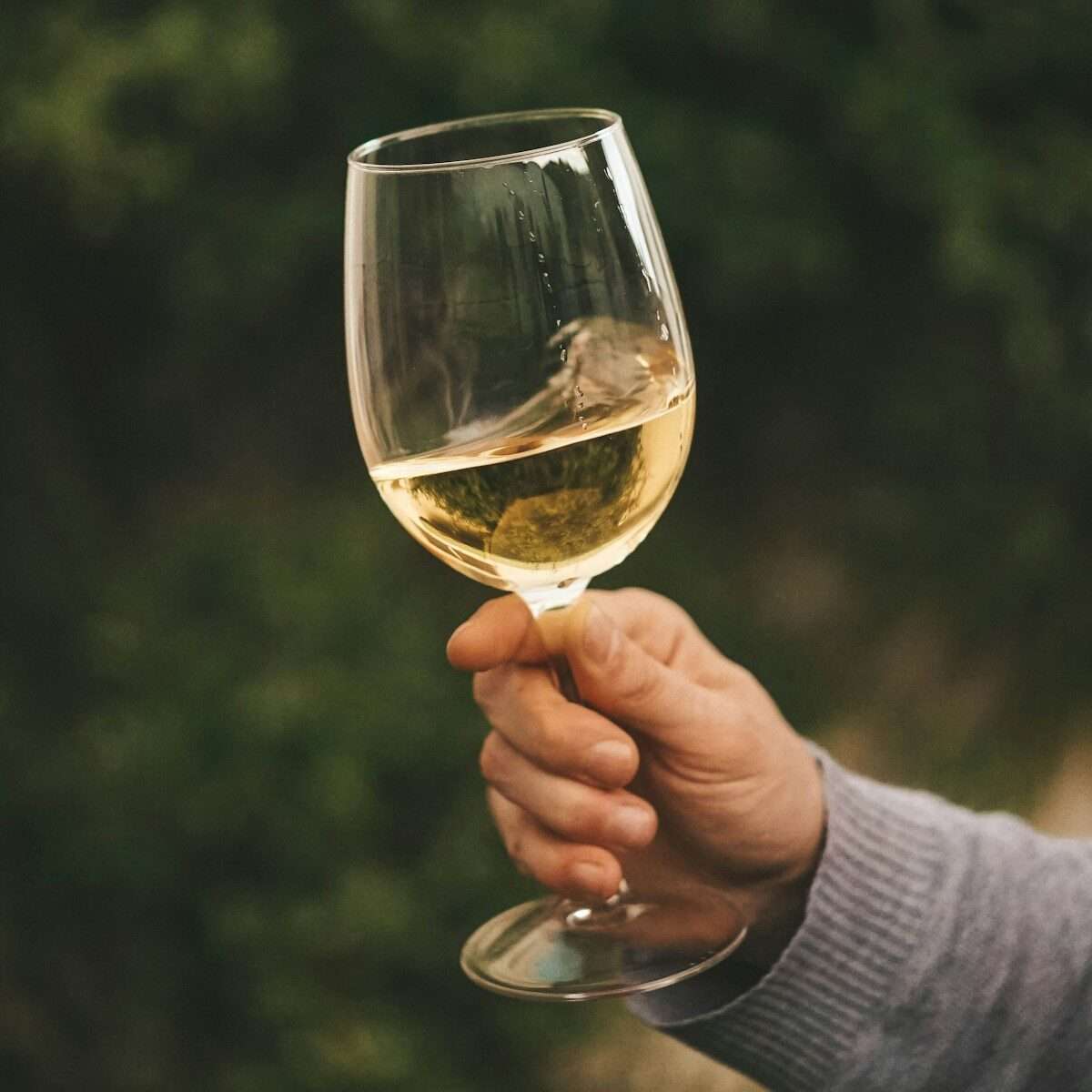
Light white wine is one of the most versatile categories in the wine world. Whether you’re pairing with seafood, salads, or sipping on its own, a well-chosen light white wine delivers freshness without weight. The bottles below represent the best light white wine styles across different countries and grapes.
Not every occasion calls for a bold, oaky Chardonnay. Sometimes you want something you can pour at noon without committing to a full sensory event. Something that goes with lunch, doesn’t overpower the food, and still has enough going on to make you stop and actually think about what you’re drinking.
That’s light white wine territory — and it’s genuinely underrated.
The problem is that “light” often gets confused with “thin” or “boring.” It doesn’t mean that. The lightest whites in the world can be intensely mineral, briny, floral, or sharp in ways that heavier wines can’t touch. They’re just built differently.
Here are the 9 best light white wines, ordered from the most delicate to the slightly fuller end of light — and what makes each one worth your time.
What Makes a White Wine “Light”?
Three things mostly determine how light a white wine feels:
Alcohol content. Light white wines typically land between 8–12.5% ABV. Lower alcohol means less body and weight on your palate. That’s why Vinho Verde at 9% feels almost like sparkling water compared to a 14% California Chardonnay.
No oak. Oak aging adds texture, vanilla, and weight. Light whites are almost always unoaked or barely touched by wood — stainless steel tanks are their best friend.
Acidity. High-acid wines feel crisp and clean rather than round or heavy. A lot of the most interesting light whites come from cooler climates where grapes hold onto their natural acidity instead of converting it all to sugar.
1. Muscadet — The Leanest White Wine You’ll Find
If you want to go as light as possible without crossing into water, Muscadet from France’s Loire Valley is your answer. Made from the Melon de Bourgogne grape, it’s about as minimalist as wine gets: pale gold, barely there on the palate, bone dry, and finished with a briny, almost saline quality that’s startling in the best way.
The best Muscadets are labeled Muscadet Sèvre et Maine sur lie — “sur lie” means the wine spent time aging on its spent yeast cells, which gives it a subtle creaminess and a slight bubble-like texture despite being still.
It’s the classic oyster wine, but it also works brilliantly with anything from the sea: shrimp, clams, white fish with lemon.
ABV: 9–11% Look for: Domaine de la Pépière, Luneau-Papin
2. Vinho Verde — Light White Wine With a Little Fizz
Vinho Verde literally means “green wine” — not because it’s green, but because it comes from the young vines of northwestern Portugal and is meant to be drunk young. It’s one of the most refreshing wines you’ll ever open: low in alcohol (often around 9–10%), slightly effervescent, tart, and almost citrusy.
The slight spritz is natural — a result of the fermentation process — and it makes Vinho Verde feel even lighter than it already is. It’s wine that wants to be consumed on a warm afternoon with food that matches its energy: salt cod, grilled sardines, light salads.
A note: Vinho Verde is a region, not a grape. You’ll find it made from Alvarinho (Albariño), Loureiro, Trajadura, and blends. Alvarinho-dominant versions tend to be slightly fuller and more aromatic.
ABV: 8.5–11% Look for: Casal Garcia, Broadbent, Quinta da Aveleda
3. Pinot Grigio (Italian Style) — The Reliable Light White
Not all Pinot Grigio is created equal. The Italian style — particularly from Friuli-Venezia Giulia and Alto Adige — is the archetype of a light, dry, food-friendly white wine. Clean, neutral, with hints of lemon, green apple, and almond. Not much complexity, but that’s partly the point.
The word to look for on the label is DOC (Denominazione di Origine Controllata) — it signals that the wine comes from a defined region with production rules, rather than mass-produced Pinot Grigio that can come from anywhere.
If you want something in the same family but with more personality, look at Alsace Pinot Gris — same grape, but the French style tends to be richer and more spiced. Still lighter than Chardonnay, but more to think about.
ABV: 11–12.5% Look for: Santa Margherita, Jermann, Maso Canali
4. Picpoul de Pinet — The Underdog Worth Knowing
Picpoul de Pinet comes from a small appellation near the Étang de Thau lagoon in southern France, and it drinks like it was made to pair with the oysters and mussels harvested right there. The grape itself — Picpoul — means “lip stinger,” which tells you everything: it’s intensely acidic, clean, and sharp in a way that cuts right through the fat in seafood.
Pale in color, light in body, with notes of lemon zest, white peach, and a flinty minerality. It’s inexpensive, usually under $18, and punches above its price point consistently.
If you’re a white Burgundy drinker looking for something lighter and cheaper for everyday drinking, Picpoul is your answer.
ABV: 12–13% Look for: Domaine Félines Jourdan, Cave de l’Ormarine, Hugues de Beauvignac
5. Soave Classico — Italian Lightness With More Character
Soave is made from Garganega grapes in the Veneto region of northeastern Italy, and the Classico designation matters — it means the grapes came from the original hillside vineyards where the wine has real character, not the industrial valley-floor versions that made Soave’s reputation suffer.
Good Soave Classico is delicately floral — almonds, white flowers, a touch of honey — while still being dry and refreshingly light. There’s a texture to it that Pinot Grigio doesn’t have, something almost waxy that makes it interesting with food. Try it with risotto, white fish, or fresh pasta with olive oil and herbs.
It’s one of Italy’s best-kept secrets at this price point, and it’s consistently undervalued.
ABV: 11–12.5% Look for: Pieropan, Gini, Inama
6. Albariño — Light White Wine With Real Personality
Albariño from Galicia in northwestern Spain (or Alvarinho in Portugal) is light-to-medium in body but wildly aromatic — stone fruit, citrus peel, white flowers, a saline coastal minerality. It’s the kind of wine you smell before you taste it, and the two align perfectly.
It’s crisp, dry, and has enough acid to stand up to garlic-heavy dishes, which is rare in lighter whites. The texture is slightly richer than the wines above it on this list, but still firmly in “light” territory by most definitions.
If you’ve been telling yourself that light white wines are boring, Albariño is the wine that changes your mind.
ABV: 12–13% Look for: Pazo de Señoráns, Burgáns, Fillaboa
7. Grüner Veltliner — Austria’s Answer to Everything
Grüner Veltliner is Austria’s flagship white grape, and it’s one of the most food-versatile wines on this list. It ranges from light and spritzy (in the Steinfeder style) to medium-bodied (the Federspiel and Smaragd classifications of the Wachau), but in its lighter expressions it drinks like a sophisticated Pinot Grigio that went to culinary school.
The signature characteristic is white pepper — a savory, almost herbal quality that’s uniquely Grüner. It also shows citrus, green apple, and minerals. It pairs with everything from sushi to roast chicken, and it handles asparagus — the wine killer — better than almost any other grape.
If you haven’t tried it, this is a strong case for leaving your comfort zone.
ABV: 11–13% Look for: Domäne Wachau, Schloss Gobelsburg, Hirsch
8. Dry Riesling (Mosel Style) — Light But Unforgettable
German Riesling from the Mosel is one of the most misunderstood wines in the world. People assume Riesling is sweet. Mosel Spätlese and Auslese can be — but Kabinett Riesling and wines labeled trocken (dry) are bone dry, startlingly light in alcohol (sometimes as low as 7.5%), and utterly complex.
The minerality is like nothing else: pure slate, river stone, diesel (in a way that’s somehow appealing), lime zest, and white peach. It’s light enough to drink on its own as an aperitif but has enough depth to age for decades.
The Mosel’s steep slate vineyards produce Riesling that’s impossible to find anywhere else in the world, and the best bottles are still shockingly affordable — often under $25.
ABV: 7.5–11% Look for: Dr. Loosen, J.J. Prüm, Selbach-Oster
9. Vermentino — Light White Wine From the Mediterranean
Vermentino grows across the coastal areas of Sardinia, Corsica, and the Italian Riviera, and it tastes like where it comes from: sun-drenched, breezy, faintly herbal, with citrus and a slight almond bitterness on the finish that’s distinctly Mediterranean.
It’s slightly fuller than the wines at the top of this list — there’s a roundness and texture that comes from the sunshine — but it’s still firmly light. And it brings something most light whites don’t: warmth. Not in terms of alcohol, but in character. It tastes like somewhere you’d want to be.
Pair it with anything grilled, anything with lemon and olive oil, or anything that makes you think of the coast.
ABV: 12–13.5% Look for: Argiolas Costamolino, Sella & Mosca, Cantine Surrau
Comparing Light White Wines at a Glance
| Wine | Body | Acidity | Best With |
|---|---|---|---|
| Muscadet | Very light | Very high | Oysters, shellfish |
| Vinho Verde | Very light | High | Seafood, salads |
| Pinot Grigio (Italian) | Light | Medium-high | Almost anything |
| Picpoul de Pinet | Light | Very high | Mussels, white fish |
| Soave Classico | Light | Medium-high | Risotto, light pasta |
| Albariño | Light-medium | High | Garlic dishes, fish |
| Grüner Veltliner | Light-medium | High | Vegetables, chicken |
| Dry Riesling (Mosel) | Light | Very high | Pork, spicy food |
| Vermentino | Light-medium | Medium-high | Grilled anything |
The Light White Wine Mindset
There’s a temptation to think that heavier, more complex wines are always the better choice. They’re not. Light white wines are built for pleasure — they’re easy to drink, easy to pair, and they let the food take center stage rather than competing with it.
The best light white wines also tend to be honest about what they are. They’re not trying to be something else. Muscadet isn’t trying to be white Burgundy. Vinho Verde isn’t apologizing for its low alcohol. Grüner Veltliner doesn’t need oak to be interesting.
That straightforwardness is worth appreciating — and returning to, often.
Looking for something with a bit more weight? Read our guide to medium-bodied white wines or explore our full wine spectrum from lightest to strongest.
Further Reading
For a visual breakdown of white wine styles by body and flavour, Wine Folly’s light white wine guide is one of the clearest references available. For ratings and buying guides on specific bottles, Wine Enthusiast’s white wine section covers the full range with editorial recommendations.