I’ve poured a lot of mojitos for people who’ve ordered dozens of them and still couldn’t tell me what actually makes one good versus forgettable. It’s the most-ordered rum cocktail on most summer menus, and also one of the most frequently botched — too sweet, too diluted, mint that’s been slapped instead of gently bruised. That gap between how often people order it and how little they understand about what’s actually in the glass is exactly why the mojito deserves its own guide instead of just living in the shadow of “rum and soda with mint in it.”
This guide covers where the mojito actually comes from, the technique that separates a great one from a watery disappointment, its most important variations, and how to build it into a real group tasting instead of just another poolside order.
What Is a Mojito?
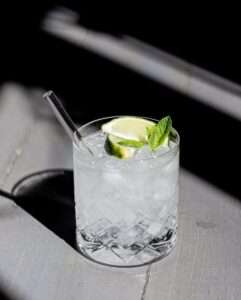
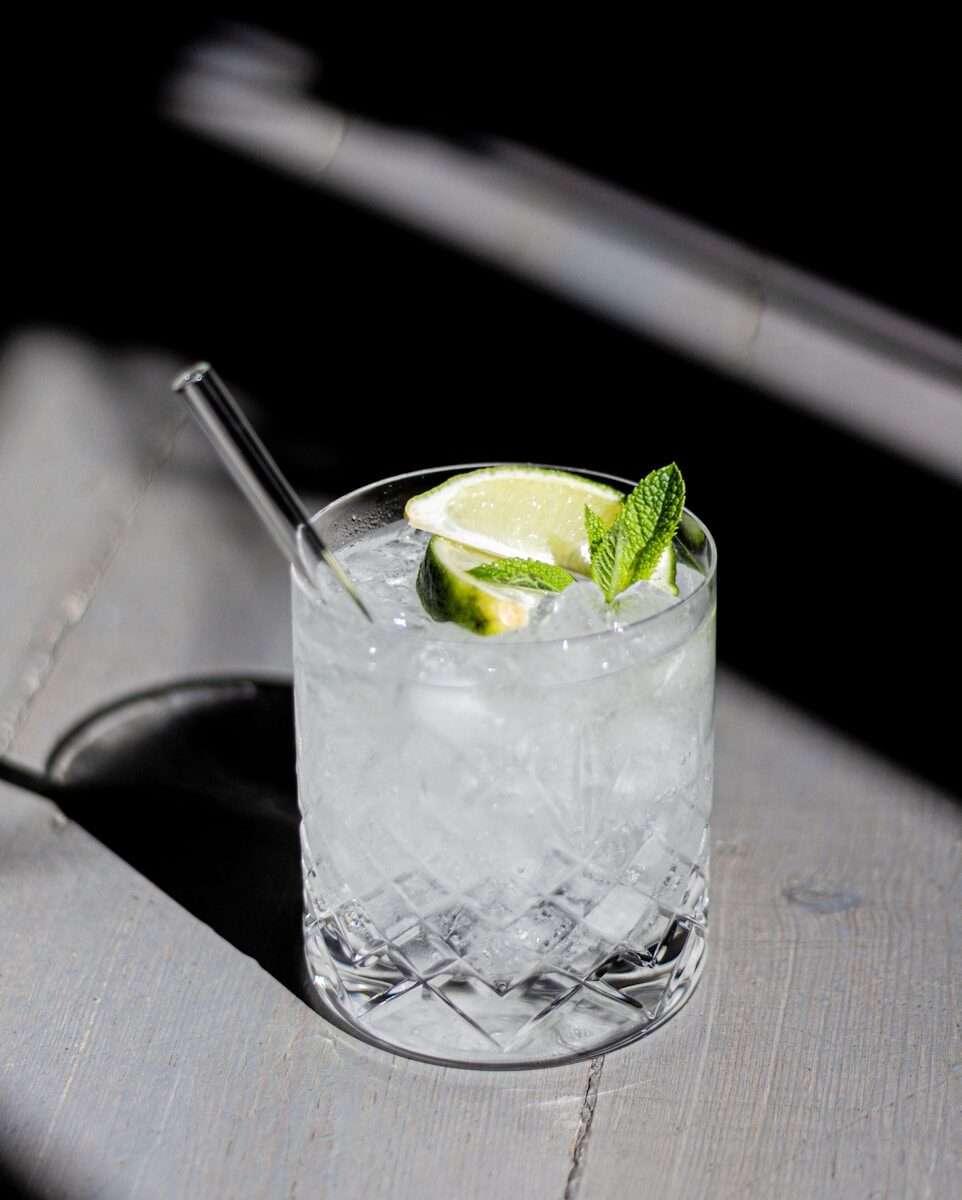
A mojito is a tall, refreshing cocktail built from white rum, fresh lime juice, sugar, mint, and soda water, traditionally served over crushed ice in a highball glass. Unlike a Negroni or an Old Fashioned, it’s not a stirred, spirit-forward drink — it’s a muddled, low-ABV, high-refreshment cocktail meant to be sipped slowly on a warm day. At roughly 10–12% ABV in a properly built version, it’s considerably lighter than most classic cocktails, which is part of why it’s stayed a warm-weather staple for over a century.
The mojito’s genius is in its balance, not its complexity. Five ingredients — rum, lime, sugar, mint, soda — done right, in the right order, with the right technique. That simplicity is deceptive: it’s also exactly why so many bars get it wrong, oversweetening to mask bad rum or over-muddling the mint until it turns bitter and grassy instead of bright.
Where the Mojito Comes From
The most-repeated origin story traces the mojito to 16th-century Havana, where sailors mixed a rough sugarcane spirit called aguardiente with lime, sugar, and mint as a folk remedy believed to ward off scurvy and tropical illness — a drink called “El Draque,” supposedly named after Sir Francis Drake. As Cuban rum production matured over the following centuries, aguardiente gave way to refined white rum, and the drink evolved into the mojito recognized today.
Whether every detail of that story holds up to scrutiny is beside the point — the through-line from rough colonial-era medicine to refined Cuban classic is well documented, and it explains the drink’s structure perfectly. The mojito isn’t a cocktail-bar invention; it’s a folk drink that got refined over centuries, which is exactly why it still tastes like something practical and unfussy rather than engineered. Ernest Hemingway’s well-worn (if partly mythologized) fondness for the drink at Havana’s La Bodeguita del Medio cemented its international reputation in the 20th century.
The Classic Recipe and How to Build It
The standard mojito is simple on paper and easy to ruin in practice: 2 oz white rum, 1 oz fresh lime juice, 2 teaspoons sugar (or simple syrup), 8–10 mint leaves, and soda water to top, served over crushed ice in a highball glass.
A few notes that actually matter:
Bruise the mint, don’t pulverize it. A gentle press with the back of a spoon or a muddler releases the mint’s essential oils without tearing the leaf apart. Aggressive muddling releases chlorophyll and bitter compounds that turn a bright drink grassy and dull.
Crushed ice matters more than people think. Crushed ice melts faster than cubes, which is intentional — it dilutes the drink slightly as you drink it, keeping the mojito from feeling too strong or too syrupy as it warms. Cubed ice makes for a noticeably different, less traditional drink.
Build the order correctly. Muddle mint with sugar and a splash of lime first, add rum and remaining lime juice, fill with crushed ice, top with soda, and give it one gentle stir from the bottom up — never shake, which bruises the mint into a foamy mess.
Mojito Variations Worth Knowing
| Variation | What Changes | Profile |
|---|---|---|
| Classic Mojito | White rum, lime, sugar, mint, soda (5:1:2:mint:top) | Bright, herbal, low-ABV |
| Strawberry Mojito | Muddled strawberries added | Sweeter, fruitier, still refreshing |
| Spicy Mojito | Jalapeño or serrano muddled in | Same brightness, with real heat |
| Cuban Mojito Especial | Aged rum replaces white rum | Richer, more caramel, less crisp |
| Virgin Mojito | Rum omitted entirely | All the herbal brightness, zero ABV |
The Cuban Mojito Especial, built with aged (añejo) rum instead of white, is the variation worth knowing best — it trades the classic’s crisp, grassy brightness for something rounder and more caramel-forward, closer to a rum old fashioned with mint layered in. It’s a genuinely different drink rather than just a stronger one, and it’s a great way to show a group how much the base spirit changes a cocktail’s entire character.
Building a Group Tasting Around the Mojito
The mojito is an unusually good centerpiece for a group tasting because its short ingredient list makes it easy to build variations side by side without a lot of specialized equipment — a few bottles of rum, fresh mint, limes, and a muddler gets you most of the way there. A simple flight — a classic mojito, a Cuban Mojito Especial with aged rum, and a spicy version — takes twenty minutes to build and gives a group a real conversation about how swapping one ingredient changes an entire drink.
For a corporate group, this kind of tasting works especially well as a warm-weather or summer offsite centerpiece. It’s a genuine conversation starter (everyone has an opinion about how much sugar and mint is “too much” once they’ve tasted three versions side by side), it’s visually striking with the crushed ice and mint garnish, and it naturally opens into a bigger discussion about rum production and Caribbean spirits culture — a good bridge into a full tasting or blending competition.
That kind of structured discovery is exactly what we build into The Wine Voyage’s programming. Our Tequila & Mezcal Experience runs on a related principle — give a group a guided tour through a spirit category with clear technique and real comparison — and we’ve adapted the same format for teams that want a rum-forward, mojito-building event instead, with a muddling and building round as a genuine crowd favorite at summer offsites.
Common Questions
Why does my mojito taste flat or watery? Usually one of two things: the mint wasn’t bruised enough to release its oils, or the crushed ice melted too fast because the drink sat too long before being served. Fresh mint, fresh lime, and quick assembly fix most flat mojitos.
What’s the difference between a mojito and a Cuba Libre? A Cuba Libre is rum, cola, and lime — no mint, no muddling, built with cola instead of soda water. The mojito’s herbal brightness and lower sweetness make it a fundamentally different drink despite both being Cuban rum highballs.
Can a mojito be made non-alcoholic? Yes — a virgin mojito with the rum simply omitted keeps all the mint-lime-soda brightness intact, which is part of why we always build a non-alcoholic track into any mojito-based tasting.
Bringing a Mojito Tasting to Your Team
The Wine Voyage builds guided spirits tastings — including rum-and-cocktail-focused formats built around a single classic like the mojito — into corporate events for teams of any size, fully catered and facilitated at your venue. It’s a strong pick for groups that want a lighter, warmer-weather alternative to a full wine flight, with a built-in “build your own” hands-on angle. We’ve run tasting programs for organizations including the Carter Center, Sazerac, and GoFundMe.
For more on the spirit behind the mojito, see our guide to rum and how it compares in our rum vs. whiskey breakdown. If you’re planning a group tasting event, check out how to host a blind wine tasting and wine tasting games for groups, and for another classic cocktail worth comparing side by side, see our Paloma guide.
Further Reading
For more on classic cocktails and Caribbean spirits history, see Wine Folly’s guide to spirits and cocktails and GuildSomm’s coverage of rum production and history.