The Problem With Most Corporate Dinners
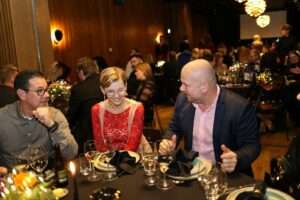
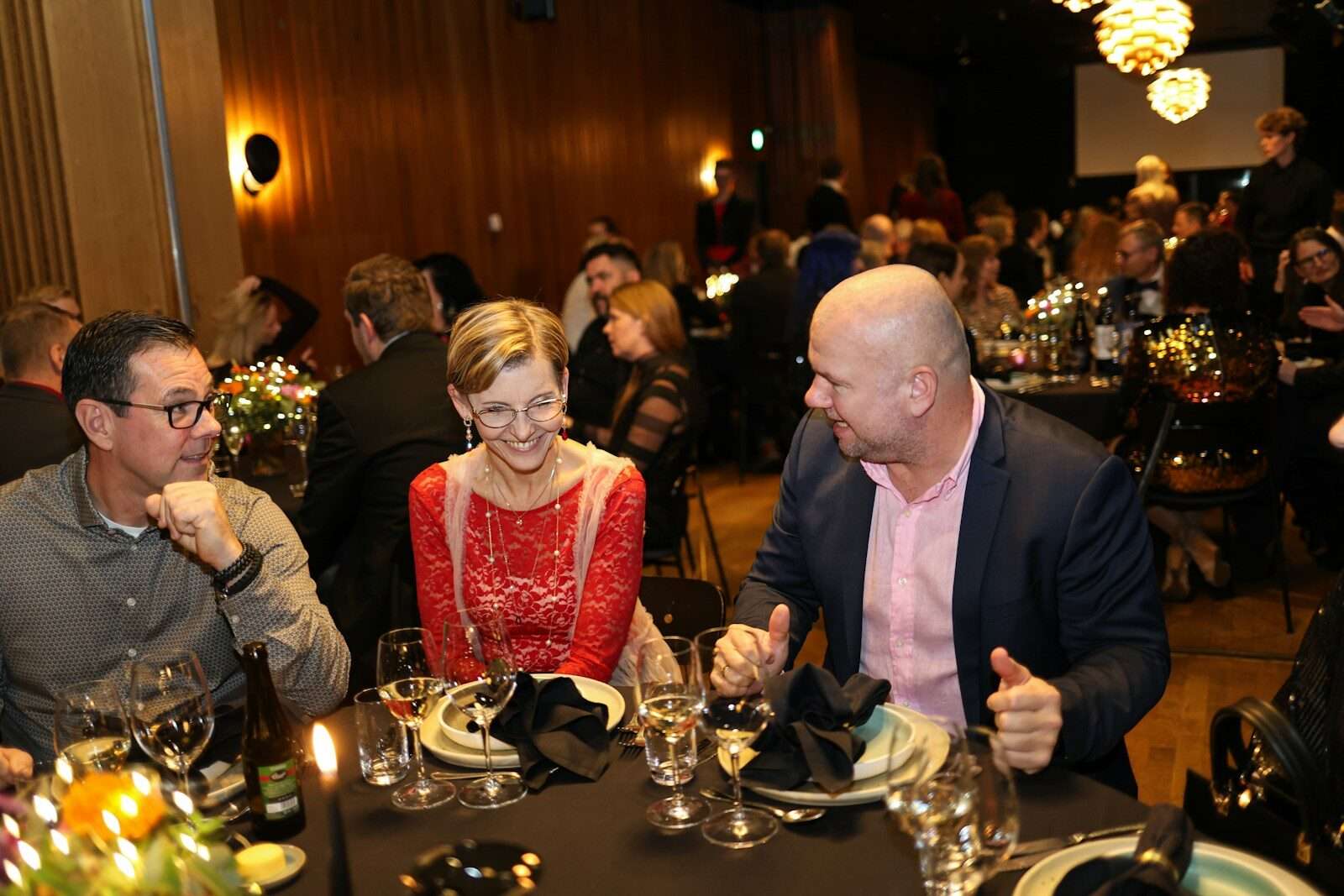
I’ve produced a lot of corporate dinners. Sit-down affairs at nice restaurants, buffet receptions in hotel ballrooms, cocktail parties at rooftop bars. Most of them were fine. A few were great. And the difference between fine and great almost never came down to the food.
The best corporate dinners I’ve been part of had a structure — some kind of thread running through the evening that gave people a reason to talk to each other. The worst ones were expensive meals where people sat with whoever they already knew and left without having learned a single new thing about a single colleague.
Corporate dinner ideas are everywhere online. Most of them just tell you where to go. This guide is about how to structure the experience so it actually works.
What Makes a Corporate Dinner Successful
Before the ideas, a framework. A corporate dinner succeeds when it accomplishes at least two of these three things:
- Creates genuine conversation — people talk about something substantive, not just what they do for work
- Generates shared memory — everyone present has a reference point afterward (“remember when…”)
- Reflects well on the host — the experience communicates something about your company or team’s values
A generic restaurant dinner can technically do all three, but it rarely does any of them deliberately. The corporate dinner ideas below are structured around at least one of these outcomes — and the best of them do all three.
15 Corporate Dinner Ideas That Work
1. Food and Wine Pairing Dinner
This is the format I come back to again and again because it works for such a wide range of groups. A pairing dinner has a built-in facilitator (the person guiding the pairings), a built-in topic of conversation (what does this wine do to the flavor of this dish?), and a built-in arc (five or six courses, each one different).
At The Wine Voyage, we run pairing dinners for corporate groups of 10 to 60 people. The structure removes the awkwardness of “what do we talk about?” because each course gives the whole table something to respond to. I’ve had executives who barely knew each other end up deep in conversation about a Burgundy by the third course.
2. Blind Wine Tasting Dinner
Take the pairing format and add a competition element: wines are presented without labels, and guests taste, take notes, and guess the varietal, region, or producer before the reveal. The competitive structure (even gentle, non-serious competition) keeps energy high and gives introverts an easy entry point — everyone’s analyzing the wine, so everyone has something to say.
This works beautifully as a corporate dinner idea because it levels the playing field. The wine expert and the wine novice are both guessing. Sometimes the novice wins.
3. Wine Blending Competition Dinner
Break the group into teams before dinner. Each team receives base wines and blends them together. They name their wine, write a tasting note, and present it to the group. Then you eat dinner drinking your own creations — or someone else’s. The dinner becomes the debrief.
This is one of the most reliably energetic corporate dinner ideas I run. The creative investment before the meal makes the conversation during it richer.
4. Chef’s Table Experience
Many excellent restaurants — especially farm-to-table and fine dining spots — offer chef’s table options for private groups. The kitchen is visible (or you’re seated at a counter adjacent to it), and the chef presents each course personally. This format is immersive and educational, and the behind-the-scenes access makes guests feel genuinely special.
Best for: client entertainment, leadership dinners, small groups of 6–14.
5. Progressive Dinner Across Multiple Venues
Move through two or three venues over the course of the evening — appetizers at one spot, main course at a second, dessert and drinks at a third. This works especially well in walkable urban neighborhoods where venues are close together.
The movement does something interesting: it resets the seating and conversations naturally at each location, which means people who were stuck next to someone dull get a second chance. It also creates a sense of adventure.
6. Communal Table at a Private Venue
Rent a private space — an art gallery, a loft, a historic building — and set a single long communal table rather than rounds. The communal table format promotes cross-conversation and prevents the cluster dynamic where small groups stay separate all evening. Candles, a minimal centerpiece, natural lighting — the design of the space does half the relational work for you.
7. Themed Cuisine Dinner
Build a dinner around a specific culinary tradition and learn about it as you eat. A Spanish dinner with vermouth, pintxos, and paella; an Italian dinner exploring regional dishes from north to south; a Japanese dinner walking through izakaya-style sharing plates. Layer in some context — a brief introduction to the cuisine, its history, how the food evolved — and the dinner becomes genuinely interesting.
Pair this with wines or spirits from the same region for an extra layer of coherence.
8. Tequila or Mezcal Experience Dinner
This is a spirits-forward version of the pairing dinner that works particularly well for groups who are already done with wine events or want something more unexpected. We design a menu around a tequila or mezcal tasting progression — moving from blanco to reposado to añejo while food courses shift from lighter to richer. The Mexican culinary tradition has extraordinary range (not just tacos), and well-produced agave spirits have a flavor complexity that rivals the best Burgundies.
9. Farm-to-Table Dinner at a Working Farm or Venue
Several agricultural venues near major cities now offer private corporate dinner events where you’re eating on the farm or estate that produced part of your meal. The connection between land and table is immediately evocative, and the setting is genuinely different from any restaurant. These events tend to attract a lot of goodwill — there’s something about being outdoors, close to where food grows, that makes people feel generous.
10. Charitable Dinner: Cause-Based Fundraiser Format
Structure the dinner so that a portion of proceeds — or the entire event cost — supports a local nonprofit or charity. The cause provides a purpose larger than the business relationship, which shifts the emotional register of the whole evening. Many guests will be moved to contribute beyond the event itself.
Best for: year-end events, client appreciation dinners, company-wide celebrations.
11. Celebrity Chef or Guest Chef Experience
Several notable chefs — including those with James Beard recognition or significant culinary media presence — offer private event services. Hosting a private dinner with a recognizable culinary figure creates genuine buzz before the event (people are excited to attend) and an easy conversation topic during it.
12. Whisky or Bourbon Tasting Dinner
Spirits-paired dinners aren’t limited to wine. A well-curated whisky dinner moves from lighter, more delicate expressions as aperitifs through progressively richer pours as the courses intensify. Bourbon’s vanilla and caramel notes pair beautifully with certain meat dishes; aged Scotch brings complexity to smoked flavors and dark chocolate.
This format works especially well in cities with strong whisky cultures — Chicago, Nashville, Houston, Seattle — where the context feels natural.
13. Collaborative Cooking Dinner
Rather than watching a chef cook, your group cooks together under professional guidance. Teams or pairs are assigned components of the meal. Everyone contributes to what ends up on the table. This is active, fun, sometimes chaotic, and generates an enormous amount of organic conversation and laughter.
Best for: teams that already know each other and want something hands-on. Less ideal for client entertainment, where the stakes of a cooking disaster feel different.
14. Outdoor or Garden Dinner
Al fresco dining changes the atmosphere entirely — it’s informal in the best sense, naturally beautiful, and creates a different kind of memory than any indoor event. Depending on your location and climate, this could be a rooftop in summer, a vineyard terrace in fall, or a heated garden courtyard in spring.
Outdoor corporate dinners pair well with a brief activity — a guided garden tour, a pre-dinner aperitivo reception, or a lawn-based wine tasting before sitting down.
15. Curated Cocktail Dinner
Rather than wine pairings, work with a skilled mixologist to design cocktail pairings for each course. This works especially well for groups that skew younger or that include non-wine drinkers — cocktails are inherently more approachable as a starting point, and a well-designed cocktail menu is just as thoughtful as a wine list.
Planning Your Corporate Dinner: A Quick Framework
| Factor | What to Decide |
|---|---|
| Group size | Under 20: intimate, flexible. 20–60: structured format needed. 60+: requires strong facilitation |
| Purpose | Relationship building, celebration, education, or client entertainment each favor different formats |
| Formality | Match the format to your company culture — a startup doesn’t need a black-tie chef’s table |
| Dietary needs | Confirm well in advance; a great dinner fails if someone can’t eat anything |
| Duration | 2–2.5 hours is the sweet spot for a working corporate dinner; 3+ hours needs exceptional structure |
Common Corporate Dinner Mistakes
Venue over experience. The most beautiful restaurant in the city doesn’t guarantee a good corporate dinner. The experience does. A thoughtful format in a modest space beats a generic experience in a stunning one.
Too many speeches. If you’re going to say something to the group, say it early (in the first 20 minutes), keep it short (under 5 minutes), and make it genuinely warm — not a status update. Then leave the rest of the evening for conversation.
Ignoring the seating. Random seating is a missed opportunity. Think about who should meet whom, who might spark a good conversation, who needs to be separated from who they already spend all day with. Seating is a strategic decision, not an afterthought.
No beginning and no end. Great corporate dinners have a clear start (a welcome, an icebreaker, a structured first activity) and a graceful close. Tell people when the event ends and honor that time. Ambiguous endings leave people uncertain and often result in the wrong people staying too long.
How The Wine Voyage Designs Corporate Dinners
We specialize in the format where tasting and food come together with team engagement. Whether it’s a blind wine tasting before dinner, a full food-and-wine pairing experience, or a spirits exploration woven into a seated meal, we design the structure so the evening generates real conversation and real memory.
Our clients have included Carter Center, GoFundMe, Sazerac, and dozens of companies ranging from early-stage startups to Fortune 500 teams. We handle the wines, the facilitation, the tasting materials, and the flow — you handle the venue and the guest list.
If you’re looking for corporate dinner ideas that do more than feed people, we’d love to help you design it.
For more ideas on corporate events and tasting experiences, explore our guides on food and wine pairing dinner, corporate event ideas, client entertainment ideas, company party ideas, and wine tasting team building.
Further Reading
For research on corporate hospitality and its impact on client relationships, I recommend Harvard Business Review’s relationship management content and Eventbrite’s corporate event planning resources for practical guidance on formats and logistics.