

Unique Wine & Spirits Experiences

Brought To You

How Important Is Team Building?

How Important Is Team Building

In any workplace, strong relationships among team members are essential for success. When employees work well together, they are more productive, more engaged, and more likely to stay with the company long-term. In this article, we’ll explore the importance of team building in the workplace and how it can create stronger relationships among employees.

How Important Is Team Building? Creating Stronger Workplace Relationships

Building Trust and Communication

One of the key benefits of team building is the ability to build trust and improve communication among team members. Here’s how:

  • Encourages open and honest communication, leading to better collaboration and problem-solving.
  • Fosters a sense of mutual respect among team members, leading to more trust and teamwork.
  • Builds stronger relationships among team members, leading to a more positive work environment.

Improving Employee Morale and Engagement

Team building can also improve employee morale and engagement, which are crucial factors for any successful workplace. Here’s how:

  • Provides employees with opportunities to connect with each other on a personal level, leading to more positive and supportive relationships.
  • Encourages employee participation and engagement, leading to a more active and involved workforce.
  • Improves employee satisfaction, leading to higher levels of motivation and productivity.

Enhancing Creativity and Innovation
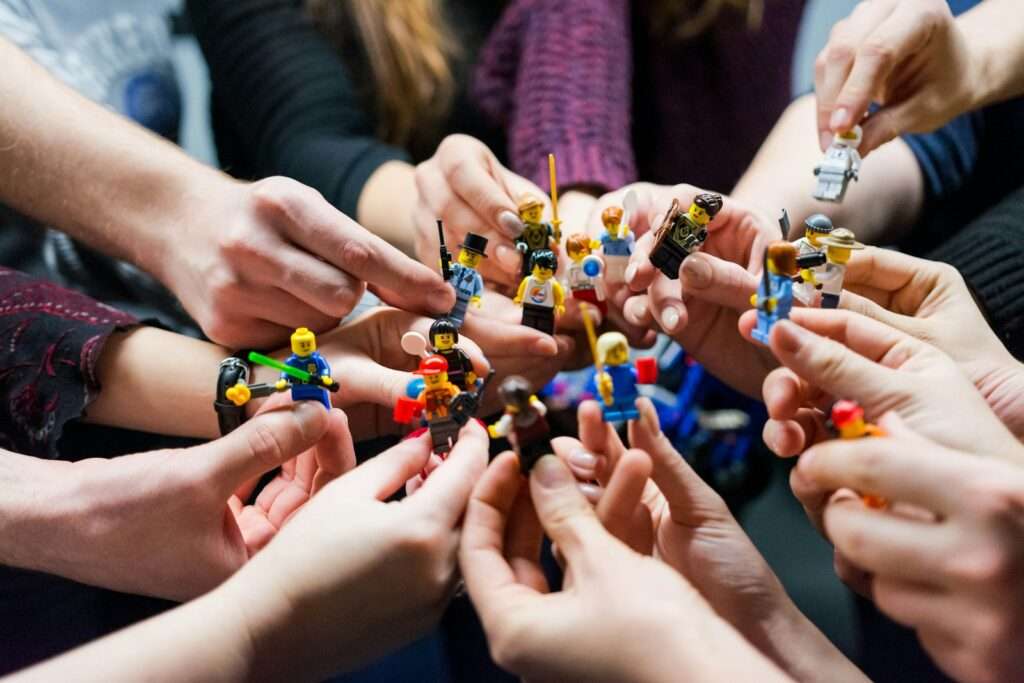
How Important Is Team Building

Effective team building can also enhance creativity and innovation within the workplace. Here’s how:

  • Encourages employees to think outside the box and come up with new and innovative ideas.
  • Fosters a culture of creativity and experimentation, leading to more innovative solutions to workplace challenges.
  • Provides employees with the opportunity to share their ideas and collaborate with others, leading to more diverse and effective solutions.

The Importance of Ongoing Team Building

While one-time team building events can be beneficial, ongoing team building is essential for maintaining strong workplace relationships. Here’s why:

How Important Is Team Building
  • Builds on the relationships and trust established during initial team building events, leading to even stronger connections among team members.
  • Helps to reinforce company values and goals, leading to a more cohesive and united workforce.
  • Provides opportunities for continuous learning and growth, leading to ongoing improvements in employee performance and productivity.

In conclusion, team building is a crucial aspect of creating a successful workplace. By building trust and communication, improving employee morale and engagement, and enhancing creativity and innovation, team building can lead to stronger relationships among employees and a more positive and productive work environment. So, whether you’re planning a team building event or looking to incorporate ongoing team building activities, make sure to prioritize building strong workplace relationships.

10 Facts about Team Building

facts
facts
  1. Increased Productivity:
    • Team building activities contribute to higher productivity as they help team members understand each other’s strengths and weaknesses.
  2. Improved Communication:
    • Team building fosters better communication skills among team members, leading to more effective collaboration on tasks and projects.
  3. Enhanced Creativity:
    • Collaborative activities encourage the sharing of ideas and perspectives, sparking creativity and innovation within the team.
  4. Boosted Morale:
    • Engaging in team-building activities helps create a positive work environment, leading to increased morale and job satisfaction among team members.
  5. Conflict Resolution Skills:
    • Team-building exercises often involve problem-solving scenarios, which help team members develop effective conflict resolution skills.
  6. Established Trust:
    • Building trust is crucial for a successful team. Team-building activities create opportunities for team members to develop trust in each other’s abilities and intentions.
  7. Identifying Strengths and Weaknesses:
    • Team-building exercises provide insights into individual strengths and weaknesses, allowing teams to allocate tasks more effectively based on each member’s capabilities.
  8. Improved Collaboration:
    • Team building fosters a sense of collaboration and encourages team members to work together towards common goals, leading to better overall team performance.
  9. Enhanced Problem-Solving:
    • Team-building activities often simulate real-world problem-solving scenarios, helping teams develop critical thinking skills and strategies to tackle challenges.
  10. Better Team Dynamics:
    • Team building helps create strong bonds among team members, improving overall team dynamics and making it easier for the team to adapt to changes and overcome obstacles together.

Find out more about our experiences.

You may also want to check out our gallery for past events.

Share

Quiz-time

You might also enjoy

How Important Is Team Building?

You might also enjoy

Champagne vs Prosecco
Champagne Guide: Styles, Houses & How to Drink It

Champagne is the most famous wine in the world — and also one of the most misunderstood. People reach for it on New Year’s Eve without knowing what they’re drinking, slap the word “Champagne” on any fizzy wine, and assume it’s all the same bubbly stuff in a flute. It isn’t.

wine cellar
Wine Cellar Guide: Storage, Organization & Aging Tips

A wine cellar sounds like something that belongs to a château in Bordeaux or a Victorian manor house. In reality, the principles behind a good wine cellar are simple, the fundamentals are achievable in most homes, and understanding them will save you from opening a bottle that should have waited — o

Bordeaux, France, Must-Visit Wineries
Bordeaux Wine Guide: Regions, Grapes & Best Bottles

Bordeaux wine is one of those subjects that can feel intimidating at first. There’s the classification system, the châteaux names, the Left Bank versus Right Bank debate — and a price range that stretches from $12 grocery-store finds to bottles that cost more than a car. But once you understand the

Wine 101 The Fascinating Burgundy
Burgundy Wine Guide: Grapes, Regions & Best Bottles

If you want to understand why wine people obsess over terroir — the idea that a specific patch of earth produces something unrepeatable — look at Burgundy. Burgundy wine is the purest expression of that philosophy anywhere in the world. Two adjacent vineyards, separated by nothing but a stone wall,

Biodynamic Wine
Biodynamic Wine Guide: What It Is & Why It Matters

Biodynamic wine comes from vineyards farmed according to a philosophy that treats the entire farm as a single living organism — soil, vines, animals, insects, and even the cosmos — all working together. It goes further than organic farming. Much further.

Wine Regions
Wine Regions Guide: The World’s Best Explained

Wine doesn’t come from nowhere. It comes from specific places — specific soils, specific climates, specific grape varieties that humans have matched to those places over centuries. Understanding wine regions is the fastest way to make sense of wine because place is the organizing principle behind al

Best Wines Under $20
Best Wines Under $20: Great Bottles for Every Taste

There’s a persistent myth that good wine has to be expensive. I’ve tasted $200 bottles that disappointed and $12 bottles that stopped the conversation. The truth is that the best wines under 20 dollars have never been more accessible — and knowing where to look makes all the difference.

Organic Wine
Organic Wine Guide: What It Means & Best Bottles

The term “organic wine” gets used loosely, and that looseness creates genuine confusion. I’ve had customers at tastings ask whether organic wine means no additives, no sulfites, no pesticides, or all three. The honest answer involves a distinction most wine labels obscure.

Red Wine for Beginners
Red Wine for Beginners: The Complete Starter Guide

Red wine can feel intimidating at first — there are hundreds of grape varieties, dozens of regions, and an entire vocabulary that seems designed to exclude newcomers. But the truth is that getting into red wine is simpler than the wine world makes it look. You don’t need to know everything. You just

White Wine for Beginners
White Wine for Beginners: The Complete Starter Guide

White wine is often where people start their wine journey — and for good reason. White wines are generally lighter, more immediately approachable, and easier to pair with everyday food than most reds. But the white wine world spans an enormous range, from bone-dry mineral Chablis to rich tropical Vi

How to Taste Wine
How to Taste Wine: A Step-by-Step Beginner’s Guide

Most people drink wine. Fewer people actually taste it. That’s not a criticism — it’s just a distinction. Drinking wine means enjoying it. Tasting wine means engaging with it: noticing what’s in the glass, building vocabulary for what you’re experiencing, and using that information to make better ch

Prosecco
Prosecco Guide: Regions, Styles & How to Enjoy It

If you’ve ever ordered a spritz, toasted at a wedding, or grabbed a bottle for a Friday night aperitivo, there’s a good chance Prosecco was in your glass. It’s Italy’s most exported sparkling wine — and one of the best-selling bottles in the world. But Prosecco is a lot more interesting than its par

Wine 101 The Fascinating Gewürztraminer
Gewürztraminer Guide: Flavor, Pairings & Best Bottles

Gewürztraminer is the wine that makes people stop mid-sentence. The name is a mouthful — guh-VERTS-truh-MEE-ner — and the wine itself is equally unforgettable. Rich, perfumed, and unmistakably exotic, Gewürztraminer smells like a rose shop crossed with a lychee stand, with a dusting of ginger and ci

Wine Event Ideas, HOAs, Building Communities, Corporate Boardrooms, Corporate Event Ideas
18 Corporate Event Ideas Your Team Will Love

Somewhere between the catered lunch people eat at their desks and the three-day offsite nobody wanted, there’s a sweet spot where corporate events actually work. I’ve been producing them for 15 years, and I can tell you: the difference between a corporate event people remember and one they endure co

Get in touch