Say “Burgundy white” to almost anyone and they’ll say Chardonnay before you finish the sentence. Fair enough — Chardonnay built Burgundy’s reputation, from workaday Mâconnais bottlings to five-figure Montrachet. But Chardonnay isn’t the only white grape planted there, and the other one has spent most of the last century being treated as an afterthought despite doing something genuinely distinctive that Chardonnay doesn’t. That grape is Aligoté, and I’ve watched more than one confident wine drinker taste it blind, guess Chablis, and get visibly annoyed when I tell them it’s not even the grape they think runs the whole region.
This guide covers what makes Aligoté different from Chardonnay, why it spent decades as Burgundy’s forgotten grape, the one village that gave it a real identity, and how to build it into a tasting that actually surprises people.
What Is Aligoté?
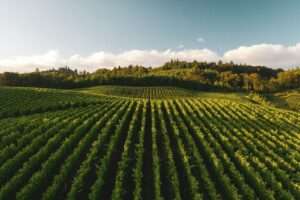
Aligoté is a white grape variety planted throughout Burgundy, second in acreage only to Chardonnay among the region’s whites. It’s higher in acid, lighter in body, and less prone to the buttery, oak-driven richness that defines premium Chardonnay — a leaner, sharper wine that historically got planted on Burgundy’s less prestigious sites while the best slopes went to Chardonnay and Pinot Noir. That planting hierarchy is the root of Aligoté’s reputation problem: for most of the 20th century, it was treated as the grape you put where Chardonnay wouldn’t ripen properly, not a variety worth taking seriously on its own terms.
The flavor profile leans green apple, lemon, and a distinct mineral or flinty edge, often with a slightly higher acidity than most Chardonnay — closer in feel to a crisp Sauvignon Blanc or a lean Chablis than to a rounder Meursault or Puligny-Montrachet. Unoaked Aligoté is bright and simple in the best sense; the more serious versions from top sites show real texture and aging potential that most drinkers never get the chance to taste.
Where Aligoté Comes From
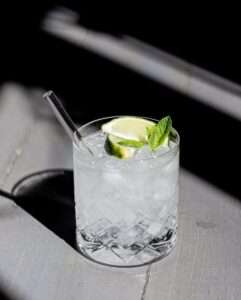
Aligoté has been growing in Burgundy for centuries, but its modern reputation was shaped almost entirely by one use: the Kir. In the mid-20th century, Burgundian mayor and cocktail namesake Félix Kir popularized mixing a splash of crème de cassis (blackcurrant liqueur) into a glass of Aligoté to soften its sharp acidity — a combination that became so associated with the grape that “Kir” is now more famous worldwide than “Aligoté” itself. For decades, that was Aligoté’s whole identity: a base wine for a cocktail, not something worth drinking on its own.
That started to change through the efforts of a handful of serious producers, most notably Aubert de Villaine — co-director of Domaine de la Romanée-Conti, arguably Burgundy’s single most prestigious estate — who championed Aligoté from old vines in the village of Bouzeron as a wine deserving real attention. In 1998, Bouzeron became the only village in Burgundy granted its own appellation specifically for Aligoté (Bouzeron AOC), a formal acknowledgment that the grape could produce something with real identity and aging potential when planted on the right site and treated seriously, rather than relegated to a cocktail mixer or a bulk-blend afterthought.
Aligoté vs. Chardonnay: The Real Difference
This is the comparison every Burgundy-curious drinker eventually needs, and it’s worth understanding on the merits rather than reputation alone.
Chardonnay is Burgundy’s flagship white — capable of everything from lean, mineral Chablis to rich, oak-aged Meursault, with the versatility to take on significant winemaking influence (malolactic fermentation, barrel aging, lees stirring) and still show real terroir underneath it.
Aligoté is narrower but sharper — almost always higher-acid, rarely oaked, built for immediate freshness rather than decades of cellaring. It doesn’t try to be everything Chardonnay is, and the best examples lean into that instead of fighting it: bracing, mineral, and food-friendly in a way that heavily oaked Chardonnay sometimes isn’t.
Neither is more “serious” as a category — Chardonnay simply has a two-century head start on prestige and price. Aligoté’s honest pitch is value and versatility: it’s the grape for drinkers who want real Burgundian terroir without a Meursault price tag.
Aligoté Styles Worth Knowing
| Style | Typical Region | Profile |
|---|---|---|
| Bourgogne Aligoté | Broad Burgundy appellation | Simple, crisp, everyday drinking |
| Bouzeron AOC | Bouzeron village, Côte Chalonnaise | Serious, mineral, real aging potential |
| Old-Vine Aligoté | Scattered old parcels region-wide | Concentrated, textured, increasingly sought-after |
| Kir | N/A — cocktail preparation | Aligoté softened with crème de cassis |
| Aligoté-adjacent regions | Some Eastern European and Central Asian plantings | Similar high-acid, lean white profile |
The Bouzeron bottling is the one worth seeking out first if you want to understand why serious producers bother with this grape at all — it’s the clearest evidence that Aligoté can be more than a Kir base or a bulk-blend filler. Old-vine Aligoté from anywhere in Burgundy is the other category worth tracking down, since vine age adds real concentration and texture to a grape that can otherwise taste thin in young-vine, high-yield form.
Building a Group Tasting Around Aligoté
Aligoté is an excellent, underused pick for a group tasting precisely because almost nobody expects it. A flight that pours a simple Bourgogne Aligoté next to a Bouzeron, or an Aligoté next to a Chablis in a blind format, gives a group a genuinely surprising result — most drinkers can’t reliably tell the two apart on a first pass, which makes for a livelier debrief than a flight of wines everyone already has strong opinions about.
For a corporate group, that element of surprise is the whole value. It’s an easy way to teach a real Burgundy lesson — that the region isn’t just Chardonnay and Pinot Noir — without the price tag of a premier cru tasting, and it opens naturally into a broader French wine education conversation.
That kind of structured discovery is exactly what we build into The Wine Voyage’s programming. Our Blind Wine Tasting Competition and Perfect Wine Blend Competition run on the same underlying principle — give a group an unfamiliar wine and a clear framework for evaluating it — and we’ve built Burgundy-focused flights specifically for teams that want to go past the grapes everyone already knows.
Common Questions
Is Aligoté always used in a Kir? No — that’s a specific cocktail preparation, but plenty of Aligoté, especially from Bouzeron and old vines, is made and sold to be enjoyed on its own, unmixed.
Does Aligoté age well? Simple Bourgogne Aligoté is best young and fresh, but serious old-vine and Bouzeron examples can develop real complexity over 5–10 years, contrary to its old reputation as a wine to drink immediately.
How does Aligoté compare in price to Chardonnay-based Burgundy? Significantly cheaper in almost every case — even top Bouzeron bottlings rarely approach village-level Chardonnay pricing, let alone premier or grand cru, making it one of the better value entry points into serious Burgundy.
Bringing an Aligoté Tasting to Your Team
The Wine Voyage builds guided wine tastings — including deep-dive regional formats that go beyond the grapes everyone already knows — into corporate events for teams of any size, fully catered and facilitated at your venue. It’s a strong pick for groups that want a real Burgundy education moment without a premier cru budget. We’ve run tasting programs for organizations including the Carter Center, Sazerac, and GoFundMe.
For more on the region behind Aligoté, see our guides to Chardonnay and how to describe wine for building your own tasting vocabulary. If you’re planning a group tasting event, check out how to host a blind wine tasting and wine tasting games for groups.
Further Reading
For more on Burgundy’s grapes and appellations, see Jancis Robinson’s coverage of Burgundy and lesser-known varieties and GuildSomm’s reference material on French wine regions.