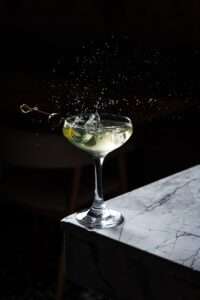
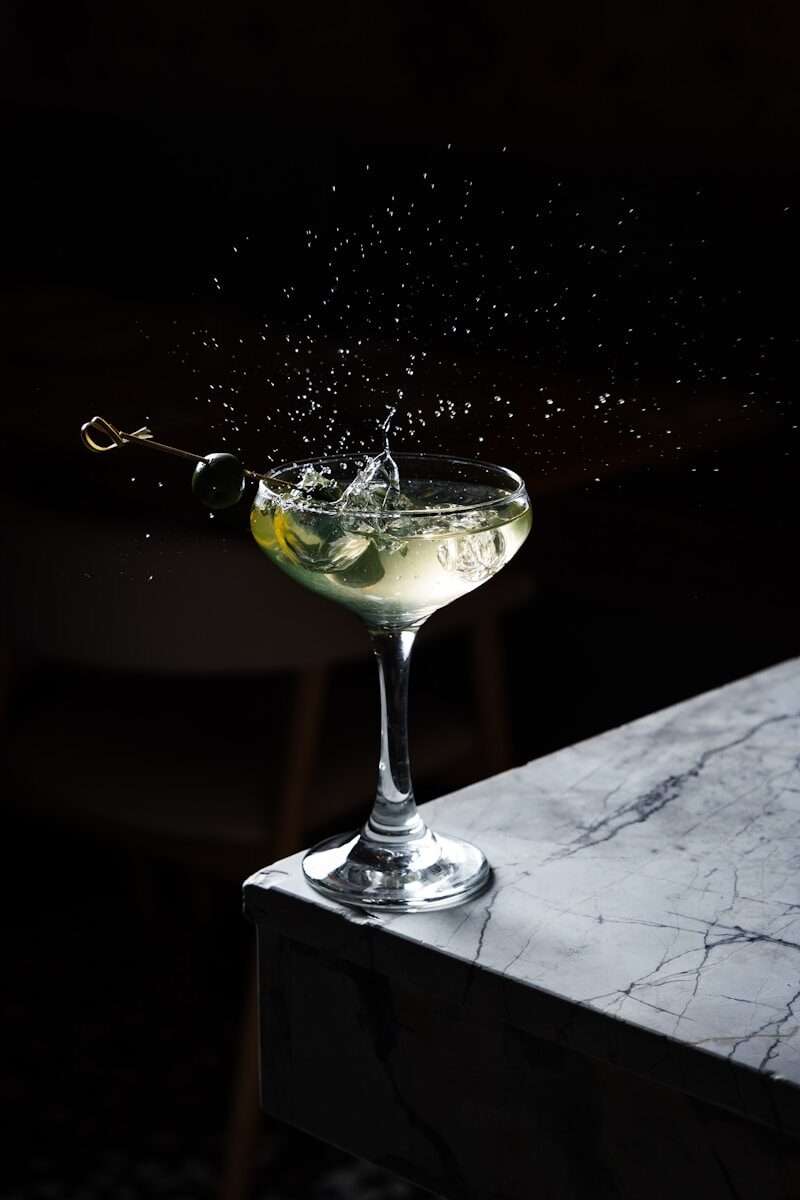
No cocktail generates more arguments per ounce of liquid than the Martini. Gin or vodka. Shaken or stirred. Wet, dry, or bone-dry. Olive or twist. Every single one of those questions has a passionate camp behind it, and every single camp is convinced the other side is doing it wrong. That’s not a flaw in the drink — it’s basically the entire appeal. A Martini isn’t really one cocktail. It’s a template with a dozen defensible answers, which is exactly why it’s stayed the definitive “serious drinker’s drink” for well over a century.
This guide covers where the Martini actually comes from, the ratios and variations worth knowing, the gin-versus-vodka debate on its actual merits, and how to turn it into a real group tasting instead of just another round at the bar.
What Is a Martini?
At its simplest, a Martini is gin or vodka combined with a small amount of dry vermouth, stirred or shaken with ice, and served up in a chilled glass with an olive or a lemon twist. That’s the whole structure — two spirits, a ratio between them, and a garnish, which is exactly why the variations matter so much. Change any one variable and you get a genuinely different drink wearing the same name.
The defining tension in a Martini is the ratio of base spirit to vermouth, which has drifted dramatically drier over the drink’s history. Early 20th-century Martinis ran closer to 2:1 gin to vermouth, sometimes even 1:1. By the mid-century, 4:1 or 5:1 was standard. Today, many bartenders pour something closer to 6:1 or 8:1, with vermouth reduced to a rinse or a few drops — a “bone-dry” Martini that some purists argue has drifted so far it’s barely a Martini at all anymore, just cold gin in a fancy glass.
Where the Martini Comes From
The Martini’s exact origin is genuinely disputed, which is unusual for a cocktail this famous. The most common theories trace it to the Martinez, a 19th-century cocktail served in Martinez, California, made with gin (or genever), sweet vermouth, maraschino liqueur, and bitters — a sweeter, more elaborate ancestor that gradually got stripped down over decades until it resembled the dry, minimal drink we know today. Other accounts credit a New York bartender named Martini di Arma di Taggia, or simply trace the name to Martini & Rossi, the vermouth brand that became the drink’s most common vermouth pour.
What’s not disputed is the trajectory: the Martini spent the 20th century getting progressively drier and colder as tastes shifted away from the sweeter, vermouth-forward cocktails of the 1800s toward the spirit-forward, minimal style that defines modern cocktail culture. By the time James Bond ordered his famously “shaken, not stirred” Vesper in 1953 — itself a Martini variant made with both gin and vodka — the dry Martini was already the established standard it remains today.
Gin vs. Vodka: The Real Difference
This is the most consequential choice in the entire drink, and it’s worth settling on the merits rather than tradition alone.
Gin Martinis retain real botanical character — juniper, citrus peel, sometimes coriander or floral notes depending on the gin — which means the base spirit actually contributes flavor that interacts with the vermouth. This was the original, and remains the version most bartenders and cocktail purists consider the “true” Martini.
Vodka Martinis are cleaner and more neutral, putting almost all the flavor weight on the vermouth and garnish rather than the base spirit. This isn’t automatically worse — it’s a genuinely different drink, favored by people who find gin’s botanical intensity overwhelming, and it became mainstream in large part through pop culture (Bond again, decades of movies and TV) rather than bartender preference.
Neither is more “correct.” They’re different enough that ordering “a Martini” without specifying is genuinely ambiguous at most serious bars, and worth deciding on purpose rather than by default.
Shaken vs. Stirred: What Actually Changes
Contrary to Bond’s famous order, most bartenders and cocktail authorities consider a Martini properly stirred, not shaken. Stirring chills and dilutes the drink gently without introducing air bubbles or ice shards, keeping the drink clear and silky. Shaking chills faster and more aggressively, adding a slight cloudiness and tiny ice shards that change the texture noticeably — some drinkers prefer that colder, slightly diluted, more textured result, which is a legitimate preference, just a different one from the classic stirred build.
Martini Variations and Ratios Worth Knowing
| Variation | What Changes | Profile |
|---|---|---|
| Classic Dry Martini | Gin, small amount of dry vermouth, stirred | Crisp, botanical, spirit-forward |
| Vodka Martini | Vodka replaces gin | Cleaner, more neutral, vermouth-forward |
| Dirty Martini | Adds olive brine | Savory, salty, richer |
| Vesper | Gin, vodka, and Lillet Blanc, shaken | Colder, slightly diluted, layered |
| Gibson | Vermouth ratio similar to classic, pickled onion garnish instead of olive/twist | Same base, sharper savory note |
The Dirty Martini is the variation most worth knowing beyond the classic build — a splash of olive brine turns the drink savory and rounds out the sharp edges of a bone-dry pour, and it’s become genuinely mainstream rather than a niche order. The Gibson is worth trying for the same reason the Boulevardier is worth trying next to an Old Fashioned: same underlying structure, different finishing note, and a good way to see how much a garnish alone can shift a drink’s character.
Building a Group Tasting Around the Martini
The Martini is an excellent centerpiece for a group tasting precisely because of all the built-in debate — gin versus vodka, wet versus dry, shaken versus stirred, olive versus twist. A flight that pours the same ratio with a gin base and a vodka base side by side, or a wet Martini next to a bone-dry one, gives a group a genuinely lively, opinion-driven conversation that a less contentious cocktail simply can’t generate.
For a corporate group, that built-in disagreement is the whole value. It’s an easy entry point for people who already have strong opinions about gin or vodka, it looks and photographs like a genuinely elevated event, and it opens naturally into a broader spirits conversation — a strong bridge into a full tasting or blending competition.
That kind of structured discovery is exactly what we build into The Wine Voyage’s programming. Our Tequila & Mezcal Experience and our gin- and vodka-focused tasting formats run on the same underlying principle — give a group a familiar spirit and a clear framework for tasting it more carefully than they ever have at a bar — and we’ve built Martini flights specifically for teams that want a classic, debate-driven spirits event instead of the standard wine lineup.
Common Questions
Is a Martini always made with gin? No — vodka Martinis are extremely common today and have been mainstream since at least the 1960s, though gin is the historically original and still generally preferred version among cocktail purists.
Why do some Martinis look cloudy? That’s a shaken Martini — shaking introduces tiny air bubbles and ice shards that a stirred Martini doesn’t have, giving it a slightly cloudy, colder texture.
What does “dirty” mean in a Dirty Martini? It refers to olive brine added to the drink, which turns it savory and slightly cloudy — the “dirtier” the Martini, the more brine has been added.
Bringing a Martini Tasting to Your Team
The Wine Voyage builds guided spirits tastings — including cocktail-focused formats built around a single classic like the Martini — into corporate events for teams of any size, fully catered and facilitated at your venue. It’s a strong pick for groups that want a gin-and-vodka-forward event with a built-in “which style wins” debate baked right into the format. We’ve run tasting programs for organizations including the Carter Center, Sazerac, and GoFundMe.
For more on the spirits behind the Martini, see our guides to gin vs. vodka and our Negroni guide and Old Fashioned guide for other classic cocktails worth comparing side by side. If you’re planning a group tasting event, check out how to host a blind wine tasting and wine tasting games for groups.
Further Reading
For more on classic cocktail history and gin production, see Wine Folly’s guide to gin and spirits styles and Decanter’s coverage of spirits and cocktail culture.