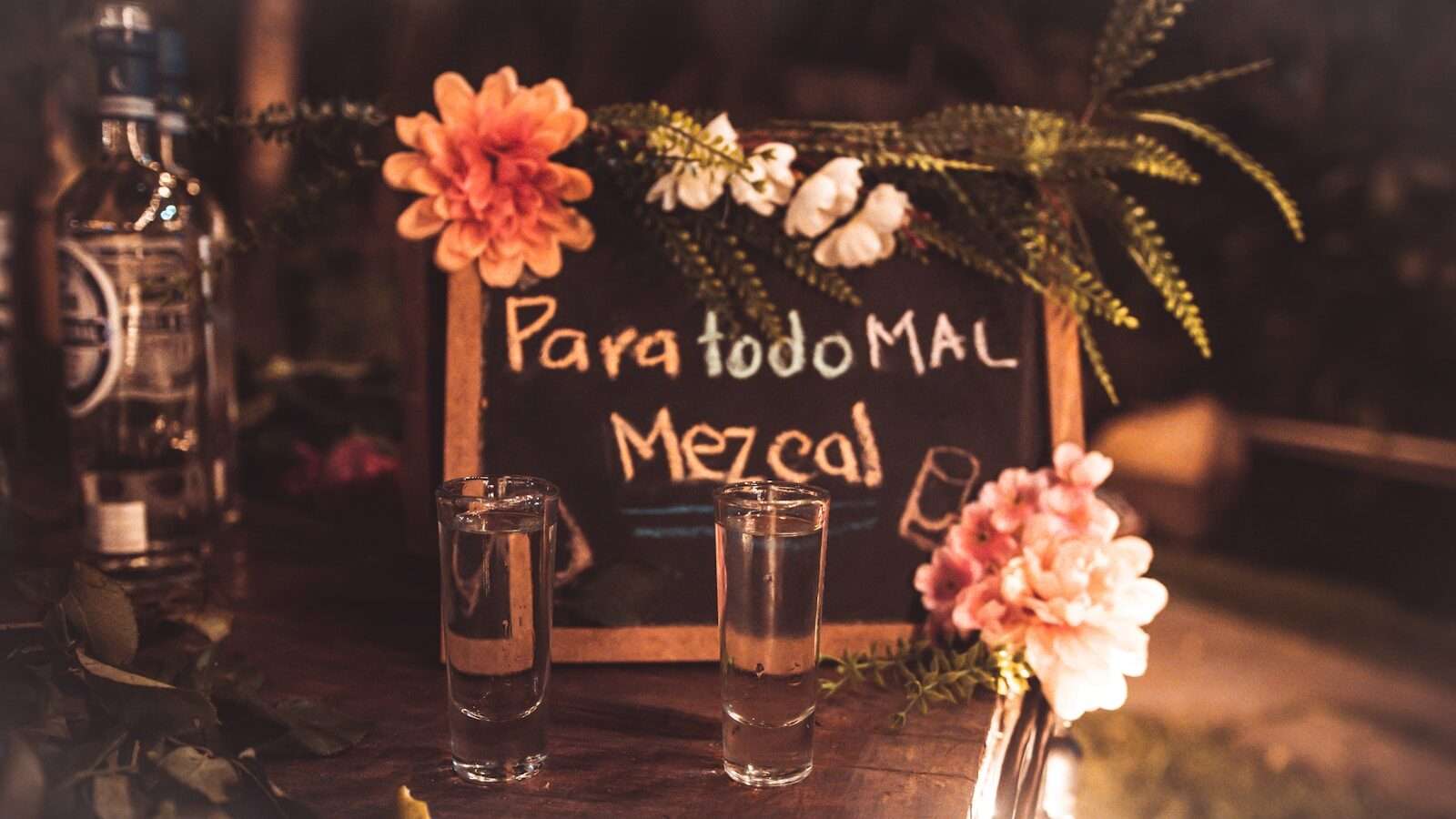
The question I get more than almost any other at spirits tastings is this: what’s the difference between mezcal vs tequila? People sense they’re related — both come from Mexico, both come from agave — but the details stay fuzzy.
Here’s the honest answer: all tequila is mezcal, but not all mezcal is tequila. It works the same way that all Champagne is sparkling wine, but not all sparkling wine is Champagne. Tequila is a specific, regulated type of mezcal made from one agave variety in one region. Mezcal is the broader category — older, wilder, and far more varied.
Let me break down exactly what separates them and why it matters for what you’re tasting in your glass.
What Is Mezcal?
Mezcal is a distilled spirit made from any of over 40 agave species in Mexico. The word “mezcal” comes from the Nahuatl words metl (agave) and ixcalli (cooked), which points directly to what makes it distinct: the production process.
To make mezcal, the agave hearts (called piñas) are roasted in underground pit ovens lined with volcanic rock and wood. This roasting — which can last several days — is where mezcal gets its signature smoky character. The cooked piñas are then crushed, fermented with wild yeasts, and distilled, typically in small batches using traditional copper pot or clay stills.
Mezcal production is predominantly artisanal. Many distillers (called maestros mezcaleros) work in the same way their ancestors did centuries ago. The vast majority of mezcal comes from Oaxaca, though it can be produced in eight other Mexican states.
The most common agave variety used in mezcal is Espadin, which is relatively fast-growing (7–10 years to maturity). But mezcal is also made from wild or semi-wild agaves like Tobalá, Tepeztate, Madre Cuixe, and Arroqueño — some of which take 15–35 years to reach maturity. That maturation time is part of why single-varietal mezcals from rare agaves command high prices and deep reverence.
What Is Tequila?
Tequila is mezcal made specifically from Blue Weber Agave (Agave tequilana), grown primarily in Jalisco and a few neighboring Mexican states. Unlike mezcal’s pit-roasting, tequila uses steaming or autoclave cooking to convert the agave starches to sugars — a method that preserves more clean, vegetal agave character without introducing smoke.
Tequila production is more industrialized overall, though exceptional small-batch and estate tequilas exist. The agave takes 6–12 years to mature before harvest. After cooking and crushing, the fermented juice is double-distilled in copper or stainless steel stills.
Tequila is categorized by aging:
- Blanco (Silver): Unaged or rested up to 60 days in steel. Clean, bright, expressive agave.
- Reposado: Aged 2–12 months in oak. Adds smoothness and subtle vanilla/caramel notes.
- Añejo: Aged 1–3 years in oak. Richer, more complex, closer to whiskey territory.
- Extra Añejo: Aged 3+ years. Deep amber, complex, sip-slowly spirits.
Mezcal vs Tequila: The Core Differences
| Feature | Mezcal | Tequila |
|---|---|---|
| Agave used | 40+ species | Blue Weber Agave only |
| Production regions | 9 Mexican states | Jalisco + 4 other states |
| Cooking method | Pit-roasted (smoky) | Steamed or autoclave (cleaner) |
| Typical flavor | Smoky, earthy, complex | Fresh, vegetal, herbal |
| Production scale | Mostly artisanal | Large-scale to artisanal |
| Agave maturity | 7–35 years (by variety) | 6–12 years |
| ABV range | 40–55% | 38–55% |
| Price range | $35–$200+ | $20–$150+ |
Flavor: What to Expect in Your Glass
This is where mezcal vs tequila gets genuinely exciting. The flavor differences aren’t subtle — they’re dramatic.
Mezcal typically leads with smoke — sometimes light and floral, sometimes heavy and bonfire-like, depending on the roast. Behind the smoke, you’ll find layers of cooked agave sweetness, mineral earthiness, tropical fruit, leather, and dried herbs. Single-varietal mezcals from wild agaves can be extraordinarily complex, with flavors that shift from the first sip to the last. Tobalá often tastes almost florally perfumed. Tepeztate can be herbaceous and wild, like licking a mountainside (in the best possible way).
Tequila at its best tastes like live agave: bright, slightly herbal, peppery, with citrus and green notes. Blanco is the purest expression — what the plant actually tastes like. Reposado and Añejo add toasty oak, vanilla, and butterscotch without overwhelming the base spirit. Premium tequilas from estate-grown Blue Weber can rival great Añejo whiskeys in complexity.
The biggest practical difference: smoke. If someone tells you they don’t like mezcal, they almost always mean they don’t like heavy smoke. A lighter-smoke mezcal — or one from a producer who uses minimal pit roasting — can convert those people instantly.
The Geography of Agave Spirits
Oaxaca produces perhaps 80% of all mezcal, but the other regions matter. Guerrero produces Sotol-adjacent mezcals with a distinctive dryness. Durango is known for wild-harvested Cenizo agave. Michoacán produces mezcals in clay pots, which impart an earthy, mineral quality you can’t replicate in copper.
Tequila’s heartland is Jalisco — specifically the town of Tequila (yes, the actual town) and the highland region of Los Altos. Lowland Jalisco tequilas tend to be earthier and herbal. Highland tequilas tend toward floral, fruity, and sweet. Same grape, same spirit, completely different terroir expression — much like Burgundy Pinot Noir from different villages.
How to Drink Them
The rules here are simple: however you want.
That said, I have strong opinions. For mezcal, neat at room temperature in a traditional clay copita or a wide-mouthed glass that lets the aromatics breathe. Add a slice of orange and a pinch of sal de gusano (worm salt) if you want the traditional Oaxacan experience — the salt amplifies the flavors in a way that feels magical.
For blanco tequila, a wide-mouthed glass neat is my first choice — you’ll actually taste the agave rather than coating your throat with a cold shot. For cocktails, tequila’s clean profile makes it the better mixing spirit; mezcal cocktails work beautifully too, but the smoke can be polarizing in mixed drinks.
Please, neither mezcal nor tequila in a standard shot glass if you’re tasting for pleasure. Those glasses are designed to get the liquid past your palate as fast as possible. That’s the opposite of what these spirits deserve.
Pricing and Value
Mezcal tends to run more expensive than comparable tequila for good reasons. Wild agave takes much longer to mature, the harvesting is labor-intensive (mature piñas can weigh 100–300 pounds), and small-batch production limits volume. A $55 Espadin mezcal is not overpriced. A $120 Tobalá from a respected producer is still good value when you consider the 12–15 years that went into the agave alone.
Tequila has more range at the accessible end. Excellent blanco tequilas exist under $40 that outperform many bottles at twice the price. The premium tequila market has also exploded in the last decade — celebrity-owned brands have muddied the waters somewhat, pricing more on marketing than liquid quality.
My practical guidance: spend your money at the top of the tequila market only if you love aged spirits. For anything under $80, you’re often better served exploring the mezcal category instead — you’ll find more complexity and craft per dollar.
The Mezcal vs Tequila Experience for Groups
Tasting mezcal and tequila side by side is one of the most illuminating spirits experiences I offer through The Wine Voyage. Our Tequila & Mezcal Experience is built around exactly this comparison — starting with blanco tequila to establish the base flavor of agave, then moving through reposado and into a progression of mezcals from light to smoky, finishing with a wild-agave varietal to show what full complexity looks like.
The reactions are always vivid. People who thought they hated mezcal discover they hated one particular smoky style. People who thought tequila was just for margaritas discover there’s a whole world of sipping spirits they’d been missing. For corporate groups, it creates exactly the shared discovery moment that makes events memorable — everyone tasting the same thing at the same time and having completely different reactions to unpack together.
For more on agave spirits, see our full mezcal guide. If you’re curious about building a broader spirits tasting experience, how to host a blind wine tasting covers transferable techniques, and wine tasting games for groups has ideas that work equally well with spirits.
Further Reading
To go deeper on mezcal and tequila, I recommend Wine Folly’s visual breakdown of mezcal vs tequila production — the infographics make the roasting and distillation differences immediately clear — and Decanter’s spirits coverage, which includes regular features on Mexican distillers and agave varietals worth exploring.