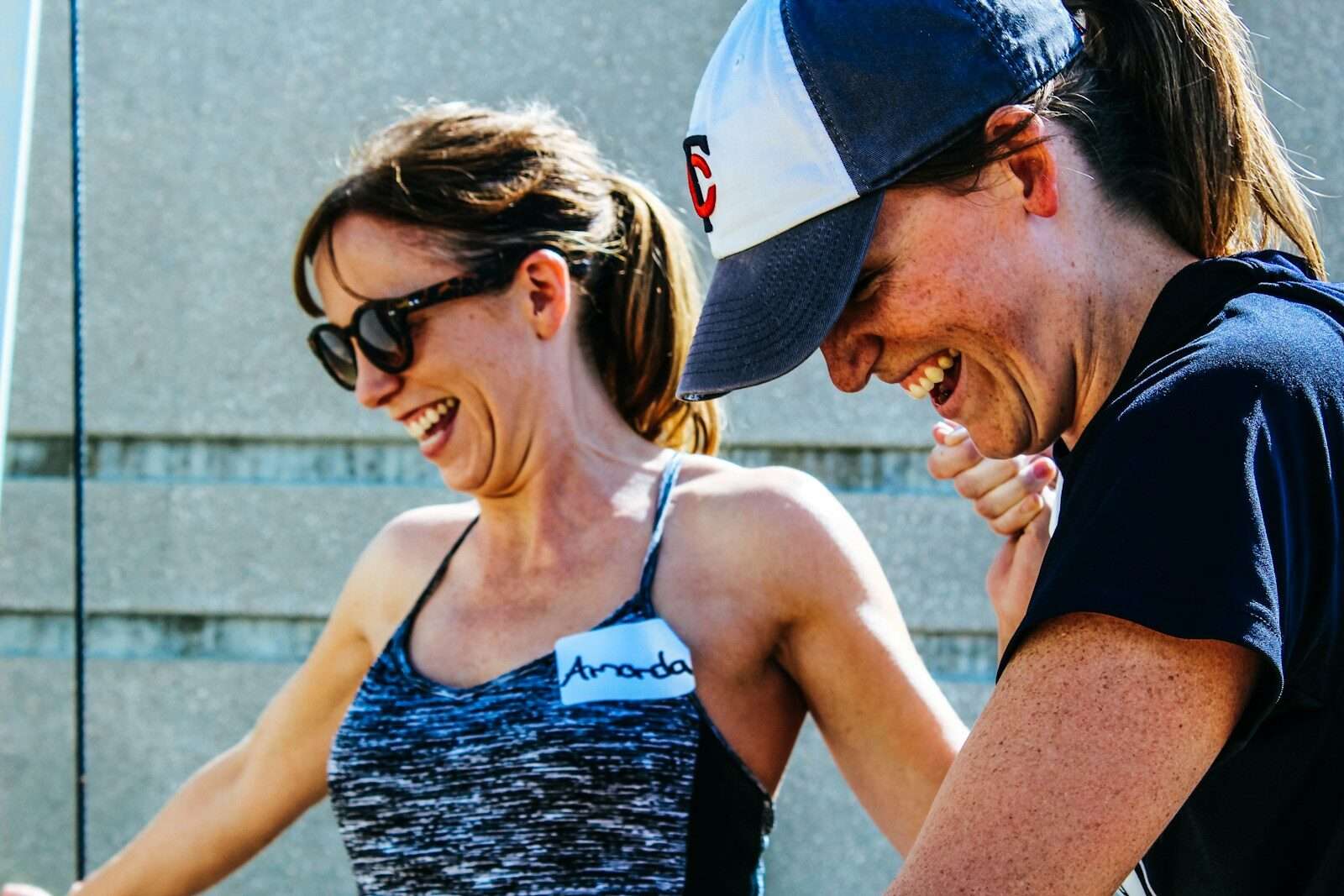
There’s a reason the phrase “team building” makes people groan. The trust fall. The rope course. The ropes-and-pulleys problem-solving exercise that somehow always involves building a bridge with pool noodles. These things have been done so many times that the mere announcement of them produces a visible drop in energy in the room.
But here’s what’s true: people don’t hate connection. They hate bad programming that wastes their time and insults their intelligence. When you give people something genuinely interesting — something they haven’t done before, something that teaches them something or challenges them in a real way — the response is completely different.
These are unique team building activities that have earned that descriptor. Some are experiential, some are competitive, some are creative — but all of them give people something real to talk about afterward.
Why “Unique” Matters in Team Building
The research on team cohesion consistently points to shared novel experiences as a driver of bonding. When we do something unfamiliar together, we’re simultaneously a little vulnerable, a little curious, and genuinely present — which is exactly the cocktail that creates connection.
An activity nobody has done before has a built-in advantage: no one starts as an expert. The hierarchy flattens. The VP doesn’t know more about blind wine tasting than the coordinator just because they’ve been there longer. That equalization is a feature, not a bug.
Here are 25 ideas across formats, group sizes, and budgets — all genuinely worth your team’s time.
Sensory & Tasting Experiences
These are among the most reliably successful unique team building activities because they create a shared language in real time.
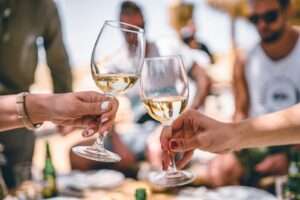
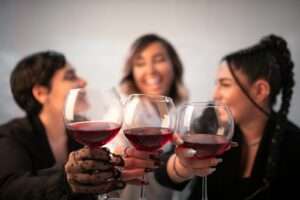
1. Blind Wine Tasting Competition
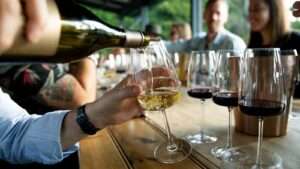
Everyone gets the same set of wines, poured blind. Nobody knows what they’re drinking — not the grape, not the region, not the price. You taste, guess, and score. The results are almost always surprising: the person who claims to know nothing about wine often outperforms the self-declared connoisseur.
What makes this work as a team building format: it’s explicitly egalitarian. Experience with wine doesn’t predict who wins. Attention, curiosity, and willingness to commit to a guess do. By the reveal, the room is animated in a way that most activities never achieve.
Our Blind Tasting Competition is one of the formats I recommend most often for corporate groups, and it consistently gets the highest ratings from participants who were initially skeptical.
2. Wine Blending Competition
Teams receive base wines — typically Cabernet Sauvignon, Merlot, and Petit Verdot — and blend them to create their “house wine.” They name it, design a label concept, and present it to the group. The process requires consensus-building, creative decision-making, and a bit of showmanship. The debrief often surfaces something true about how the team works together.
3. Tequila & Mezcal Tasting
A guided flight through artisanal tequilas and mezcals is one of the most genuinely educational tasting formats available. The agave spirits category has incredible depth — the differences between an Espadín mezcal and a Tobalá, or between a blanco tequila and a reposado, are dramatic and discussable. Works well for teams who consider themselves “not wine people.” Our Tequila & Mezcal Experience converts skeptics reliably.
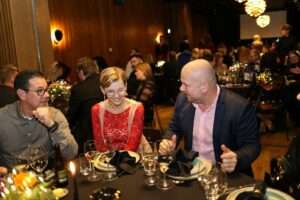
4. Food & Wine Pairing Dinner
A structured sit-down format where each course is paired with a wine and a host walks the table through why the pairing works. This one slows the evening down deliberately — people linger, conversations deepen, and the whole thing feels like a genuine occasion rather than a corporate checkbox. Best for smaller groups (10–50) and senior teams.
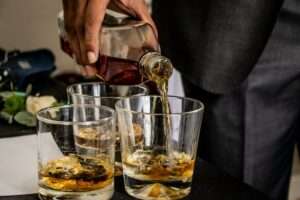
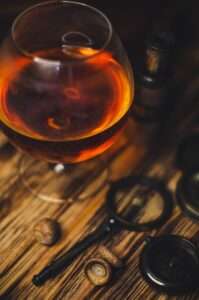
5. Whiskey Tasting: Single Malt vs. Blended
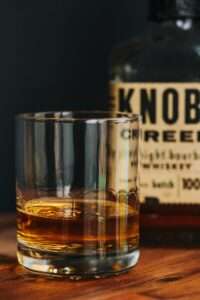
A side-by-side comparison of single malt Scotch, blended Scotch, Irish whiskey, and bourbon — same educational structure as a wine tasting but targeted at a different audience. Great for teams that think spirits are more their speed than wine.
6. Chocolate Tasting with Origin Stories
A chocolatier-led tasting of single-origin bars — Ecuador versus Madagascar versus Ghana — showing how the same cacao species tastes completely different depending on where it’s grown and how it’s processed. Works beautifully as a mid-day or morning activity.
Creative & Skill-Based Activities
7. Improv Workshop
Not performance improv — improv as a communication tool. The exercises focus on listening, “yes, and” thinking, and responding to what’s actually in front of you rather than what you expected. The debrief is rich. Facilitators who specialize in corporate improv (different from comedy improv teachers) make this genuinely powerful.
8. Pottery or Ceramics Class
Hands in clay, focus on making something physical. The shared mess and the slow pace create a surprisingly meditative group experience. People talk differently when their hands are occupied.
9. Collaborative Mural or Canvas
A local artist facilitates a group painting project — everyone contributes to a single canvas or wall mural. The structure removes the “I can’t draw” anxiety because the artist guides each participant through their section. The finished piece can hang in the office permanently.
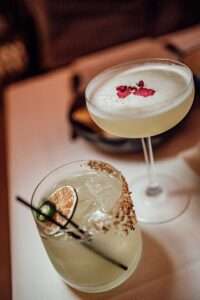
10. Cocktail Making Class
A professional bartender teaches technique: shaking vs. stirring, how to balance a cocktail, the role of bitters, ice, and dilution. Teams make two or three cocktails, then name and present their signature creation. Very adaptable — you can go educational or competitive.
11. Floral Arrangement Competition
Florists provide materials; teams compose an arrangement. Judged on creativity, technique, and presentation. Works better than most people expect — the tactile focus creates a calming, focused atmosphere.
12. Terrarium Building
Each person builds a small terrarium from shared materials: plants, moss, stones, figurines. The finished terrariums go home. Works well as a quiet, focused activity for teams that have been through a high-intensity period.
Intellectual & Problem-Solving Activities
13. Escape Room (Private Booking)
Book the whole room for your team rather than mixing with strangers. The best escape rooms are genuinely difficult — they require delegation, communication, and noticing things that other people miss. Debrief afterward about what worked and what didn’t; the parallels to work are always there.
14. Murder Mystery Dinner
Everyone has a role. The killer is in the room. Dinner happens around the investigation. Works best when people commit to their characters — which some people find easier than expected and others find liberating. The format rewards different cognitive styles.
15. Architectural Scavenger Hunt
A local historian or architect leads the group through a neighborhood, stopping at buildings with stories. Competitive teams photograph specific architectural details and answer questions at each stop. Leaves people knowing their city better.
16. Hackathon with Real Stakes
A half-day or full-day sprint on a real problem — an internal tool, a customer pain point, a process inefficiency. Mixed teams, strict time limit, actual presentation to leadership. The best hackathons produce solutions that get implemented. That matters enormously to participation.
17. Wine Pairing Trivia Challenge
Teams compete on wine knowledge, food pairing logic, and regional geography. Works well as a post-tasting activity or a standalone event. The format rewards both knowledge and reasoning — you can often earn points by explaining your answer even if it’s wrong.
Outdoor & Active Activities
18. Foraging Walk with a Chef
A forager leads the group through a local park or forest, identifying edible plants. What’s harvested gets turned into a dish or drink at the end. Genuinely unusual, educational, and memorable.
19. Urban Orienteering
GPS coordinates lead teams through a city, collecting photos and answering questions at each location. Requires planning, navigation, and prioritization under a time limit. Works well for groups of 20–150 if well-organized.
20. Axe Throwing
Has become mainstream enough to be available in most cities, but still unusual enough to get genuine “we did what?” reactions afterward. No experience required. Most venues run team competitions. Works for 10–40 people.
21. Sailing or Kayak Race
Sailing requires genuine coordination and communication — the wind doesn’t care about org charts. Kayak races are more accessible physically and still deliver competition and active engagement. Best booked with an instructor for groups new to either.
22. Volunteer Build or Restoration Day
Teams spend a day doing physical work — building homes, restoring a trail, packaging food — and then debrief over a meal. The activity matters: people feel the difference between doing something that contributes versus something that just occupies time.
Social Deduction & Performance Games
23. Murder Mystery Cocktail Party (Custom Version)
Unlike the scripted dinner version, this format has a custom storyline written around your company, inside jokes, and real colleagues as characters. The bespoke element dramatically increases engagement. Requires planning time but the payoff is high.
24. Werewolf/Mafia Tournament
A facilitated tournament of the social deduction game Werewolf, with multiple rounds and a knockout format. Works well for tech teams and analytical groups who enjoy strategy games. No materials needed — just a facilitator and an afternoon.
25. Comedian-Facilitated Roast (Opt-In)
A professional comedian facilitates a gentle, consensual “roast” of volunteers — people who opt in ahead of time and know what they’re signing up for. The comedian holds the tone; nobody is punched down. When done right, this is one of the most memorable events a team can have.
How to Choose the Right Activity
| Activity | Group Size | Best For | Energy Level |
|---|---|---|---|
| Blind Wine Tasting | 15–150 | Any corporate group | Medium |
| Wine Blending Competition | 15–80 | Creative, collaborative teams | Medium |
| Tequila & Mezcal Tasting | 15–80 | Spirits-curious, adventurous teams | Medium |
| Improv Workshop | 10–50 | Communication-heavy roles | High |
| Escape Room | 6–30 per room | Analytical, problem-solving teams | High |
| Pottery Class | 10–40 | Teams needing decompression | Low |
| Hackathon | 20–100 | Product/tech/cross-functional | High |
| Foraging Walk | 10–30 | Nature-oriented, curious teams | Medium |
| Urban Orienteering | 20–150 | Competitive, active groups | High |
| Murder Mystery | 15–100 | Groups with good trust and humor | Medium–High |
What Makes a Team Building Activity Actually Work
After running hundreds of corporate events, I can tell you the things that matter most:
A clear arc. The activity should have a beginning (orientation), a middle (the experience), and an end (the reveal, debrief, or celebration). Freeform socializing is not an arc.
Low barrier to full participation. The best activities are ones where no one needs to perform or expose themselves to judgment. Blind tasting works because everyone’s a beginner. Improv works when it’s framed as a tool, not a showcase.
Something to talk about afterward. The measure of a good team building activity isn’t how people feel during it — it’s what they reference six months later. “Remember when Priya identified the $90 wine as the cheapest one?” is the kind of story that builds culture.
The right facilitator. This is the variable that matters more than almost anything else. A skilled facilitator makes a mediocre format work. A poor one breaks an excellent format. Hire professionals for the sessions that matter.
How The Wine Voyage Fits In
If you’re leaning toward a tasting experience — which keeps appearing on this list because they consistently outperform other formats — we can handle everything from logistics to facilitation.
The Wine Voyage brings the wines or spirits, glassware, and expertise. Our host walks your group through the experience with warmth, knowledge, and the kind of banter that makes the evening feel like a conversation rather than a presentation. We’ve worked with clients including the Carter Center, Sazerac, and GoFundMe, across groups from 10 to 150 people.
The experiences we offer — Blind Tasting Competition, Perfect Blend Competition, Tequila & Mezcal Experience, Food & Wine Pairing — are all designed from the ground up to work for people who don’t consider themselves wine or spirits people. Beginners are often our most enthusiastic participants.
For more ideas, explore our guides on team building ideas for work, corporate event ideas, and wine tasting games for groups that pair well with any of the formats above.
Further Reading
For evidence-based insight on what makes team cohesion actually improve, Harvard Business Review’s research on team chemistry explores what shared experiences contribute to group performance. For practical event planning frameworks, SHRM’s guide to team building activities offers HR-grounded perspective on what works and what to avoid.