Every year around October, I start getting the same calls. “Myrna, we need holiday party ideas — and please, not another open bar and a DJ.” I hear you. After 15 years producing corporate events, I’ve seen every version of the forgettable holiday party, and I’ve also seen what it looks like when a company gets it right.
The difference isn’t budget. I’ve watched $500-per-head galas leave teams cold and $40-per-person wine tastings create moments people talked about for years. The difference is whether people actually do something together — whether the night gives them a shared experience they can reference later.
Here’s what I’ve learned, and what I’d recommend if you’re planning a celebration this season.
Why Holiday Party Ideas Actually Matter
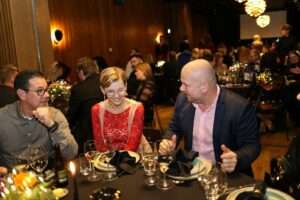
Before we get into formats, it’s worth naming why this decision matters. The holiday party is often the one time each year when the whole company or team gathers with no agenda except to enjoy each other. Done well, it reinforces culture, acknowledges effort, and gives people a reason to feel good about where they work. Done poorly, it signals that leadership treats celebration as a checkbox.
The stakes are real. According to research on employee engagement, workers who feel genuinely appreciated are significantly more likely to stay with a company. The holiday party is a tangible expression of that appreciation — or its absence.
So let’s talk about holiday party ideas that actually deliver.
The Best Holiday Party Ideas for Work Groups
Wine or Spirits Tasting Competition
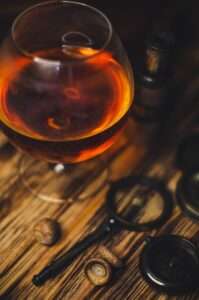
This is my top recommendation for most corporate groups, and it’s what we specialize in at The Wine Voyage. A structured tasting — whether it’s wine, tequila, whiskey, or mezcal — gives people something to focus on, argue about, and laugh over together. It’s naturally collaborative, genuinely educational, and endlessly interesting.
The format I love for holiday parties is a Blind Tasting Competition. Teams taste 4–6 wines or spirits without seeing the labels and vote on what they think they’re drinking. The reveal always gets a reaction. It’s the kind of thing that turns “I had no idea what I was doing” into a great story.
For groups who want something more hands-on, a Perfect Blend Competition takes it further. Teams blend different wine components to create their “ideal” wine, then present it to the group. The creativity that comes out of these is remarkable — I’ve watched accountants become passionate vintners for an evening.
Festive Food and Wine Pairing Dinner
Instead of a standard holiday dinner, structure the meal around wine pairings. Each course arrives with a matched wine, and a host — ideally someone knowledgeable — walks guests through why the pairing works. This elevates a meal into an experience without requiring more of your team than showing up and tasting.
Pairs beautifully with: small to midsize groups (20–60), seated dinner venues, clients you want to impress as much as celebrate with.
Cocktail and Spirits Exploration
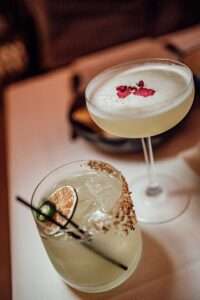
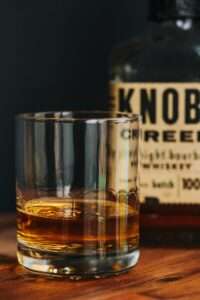
Not every team is a wine crowd, and that’s fine. A tequila and mezcal tasting or a whiskey flight can be just as structured and engaging. We’ve done Tequila & Mezcal experiences for holiday parties where teams learn to distinguish blanco from reposado, agave grown in Jalisco from Oaxacan mezcal — and by the end they have strong opinions and strong bonds.
Interactive Holiday Trivia
If you want something lower-stakes and widely accessible, a hosted trivia night — especially with a year-in-review category or industry-specific rounds — keeps everyone engaged and on an even playing field. Works best for groups where competitive games land well culturally.
Volunteer and Give-Back Activities
Some teams appreciate a holiday event that connects to purpose. Organizing a group volunteer effort — packing food, building holiday kits for families in need, contributing to a local nonprofit — can be genuinely meaningful. These work best for companies with strong values culture and when the activity is well-organized enough not to feel chaotic.
The Classic But Elevated: Reception with Activities
For large groups (100+), a reception format with curated activity stations often works better than a seated event. Stations might include: a wine tasting bar hosted by a sommelier, a cocktail-building demo, a blind tasting mini-game, and a food pairing station. People move freely but always have something to engage with.
Holiday Party Ideas by Group Size
One of the most common mistakes I see is choosing a format that doesn’t fit the headcount. Here’s a quick reference:
| Group Size | Best Format | What Works Well | Budget Range |
|---|---|---|---|
| 8–20 | Intimate tasting or private dinner | Blind tasting competition, food & wine pairing | $60–150/person |
| 20–50 | Structured activity + reception | Wine or spirits competition, blend challenge | $45–100/person |
| 50–100 | Multi-station experience or seated dinner | Tasting stations, hosted competition | $35–80/person |
| 100–200 | Reception with activity pods | Wine/spirits bars, trivia, mini tastings | $25–60/person |
| 200+ | Large venue with entertainment | Reception-style, hosted demos, DJ optional | $20–50/person |
The other variable is your crowd. A tech company in their 30s might love something adventurous and slightly irreverent. A professional services firm celebrating with clients may want something polished and educational. Know your room before you commit to a format.
Planning Timeline for Holiday Parties
Holiday events book fast. If you’re reading this in fall, you already know what I mean — good venues and experienced facilitators get claimed early.
Here’s a realistic timeline:
3–4 months out: Lock your date, headcount, and budget. Start reaching out to vendors.
2 months out: Confirm your venue, event format, and any caterers or experience providers. Get contracts signed.
6 weeks out: Finalize the guest list, send invitations, and confirm dietary restrictions and accessibility needs.
3 weeks out: Confirm final headcount with venue and caterer. Brief any facilitators or hosts on the program.
1 week out: Send a reminder to attendees with logistics — time, location, parking, dress code if applicable.
Day before: Confirm with venue, double-check AV/equipment, brief any day-of staff.
What Separates a Good Holiday Party from a Forgettable One
I’ve seen hundreds of holiday events. The ones that stick share a few things:
People do something together, not just adjacent to each other. An open bar is people standing near each other. A blind tasting is people competing, laughing, and discovering together. The distinction is huge.
There’s a beginning, middle, and end. The best holiday party ideas have structure — even loose structure. An arrival experience, a main activity, a moment of recognition (awards, toasts, acknowledgment), and a natural close.
Leadership shows up and participates. This sounds obvious, but it’s often missed. When leadership engages genuinely — plays along with the tasting, joins the trivia team, thanks people by name — it signals that the event matters.
Someone is in charge of energy. A great facilitator or host can elevate almost any format. A poorly hosted event with a brilliant concept falls flat. Invest in who runs the room.
When to Bring in a Professional Experience Provider
For many of the best holiday party ideas — especially anything involving wine, spirits, or facilitated competition — you’ll get a much better result by working with a specialist rather than DIYing it.
At The Wine Voyage, we’ve designed our experiences specifically for corporate groups. Our Blind Tasting Competition, Perfect Blend Competition, and Tequila & Mezcal Experience all come with a host, structured materials, and a format we’ve refined over dozens of events. We’ve worked with teams from the Carter Center to GoFundMe, and we know what separates a night people talk about from one they politely forget.
If you’re planning a holiday event for a team of 10 to 200, I’m happy to talk through what would work for your group specifically.
Common Holiday Party Mistakes to Avoid
Booking too late. December fills up fast. The best holiday party ideas require the best venues, and those go first.
Ignoring dietary and accessibility needs. A wine tasting where half the team doesn’t drink is awkward. Plan for non-drinking alternatives — high-quality sparkling water, mocktail options, or a spirits-based alternative.
Too much unstructured time. Open social time is fine in doses, but a 4-hour event with 30 minutes of organized activity and 3.5 hours of milling around doesn’t build connection. Structure creates permission to engage.
Treating it as an obligation. If the planning energy communicates “we had to do something,” people feel that. The holiday party should feel like an expression of genuine appreciation — because it is.
For more ideas on making your next event memorable, explore our guides on wine tasting team building, unique team building activities, corporate event ideas, and company party ideas. If you’re building a full-year events calendar, how to plan a team building event is a great starting point.
Further Reading
For evidence-based guidance on workplace celebration and employee appreciation, I recommend Harvard Business Review’s coverage of employee engagement and retention and SHRM’s resources on employee recognition programs.