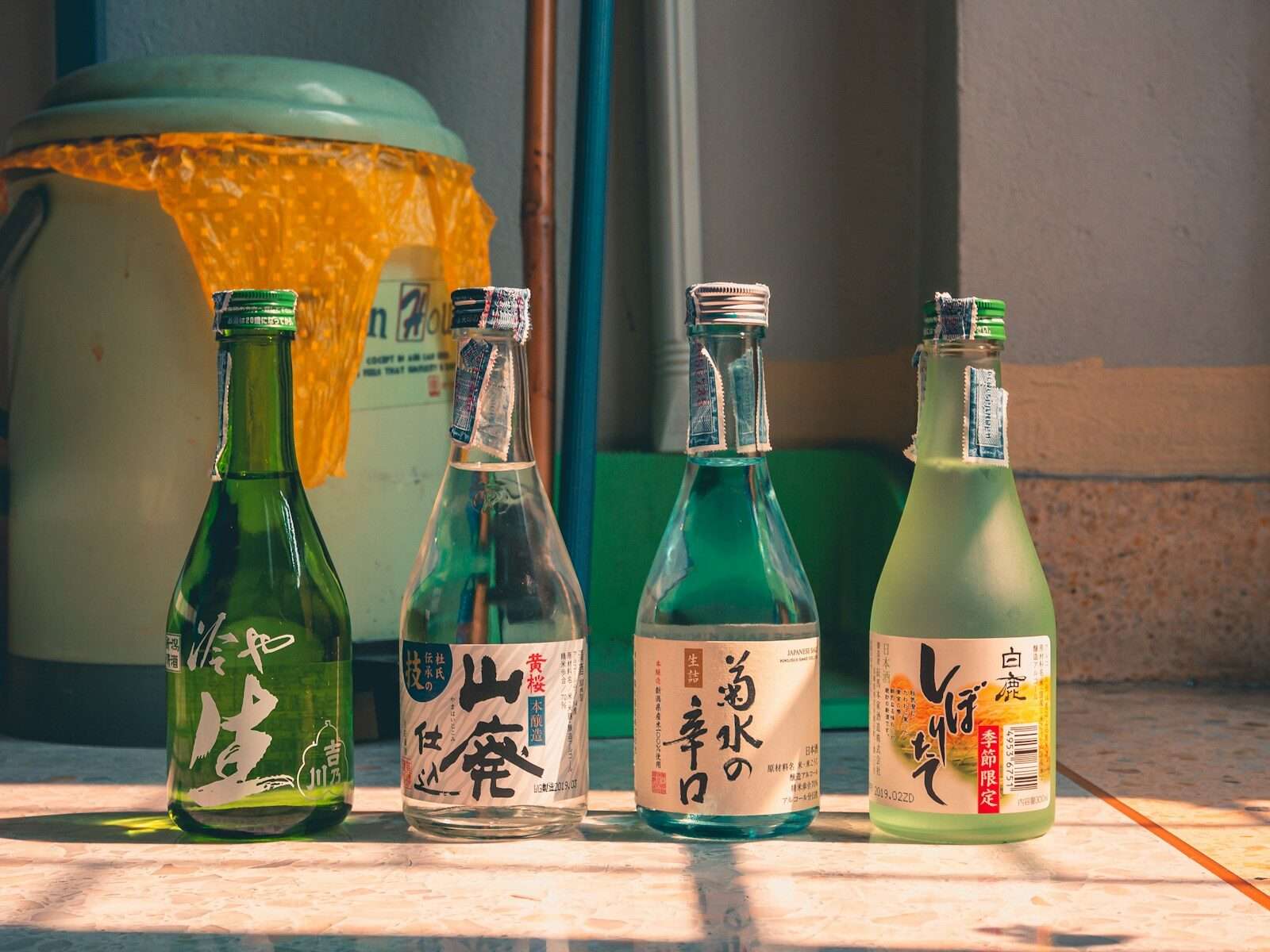
Sake is one of the most underrated drinks on any menu. I say this having spent years introducing groups to wine and spirits — and sake is the one that surprises people most consistently. They expect something foreign and strange. What they get is a drink that’s deeply food-friendly, surprisingly approachable once you understand the basics, and genuinely different from anything else in the glass.
If you’ve only encountered sake warm at a sushi counter, you’ve seen maybe 10% of what it can be. Let me give you the other 90%.
What Is Sake?
Sake is a fermented beverage made from rice, water, koji mold, and yeast. It’s often called “rice wine,” but the comparison to wine is only partially accurate. Like wine, sake is fermented rather than distilled. But the brewing process is closer to beer — the starch in rice must first be converted to sugar before fermentation can begin, which requires the koji mold as an intermediary step. Wine and beer do this in one step; sake does it in parallel, which is why brewers call the sake fermentation process “multiple parallel fermentation” — unique in the world of alcoholic beverages.
Sake’s alcohol content is typically 14–16% ABV — similar to full-bodied wine.
How Sake Is Made
Rice Polishing (Seimaibuai)
The single most important variable in premium sake production is how much the rice grain is polished before brewing. The outer layers of the rice kernel contain proteins and fats that can produce harsh, rough flavors. The inner starchy core is what makes premium sake clean, fragrant, and refined.
The seimaibuai (polishing rate) tells you what percentage of the original grain remains. A seimaibuai of 70% means 30% of the grain was polished away. The more polishing, the more expensive the sake — and generally, the more elegant and delicate the flavor.
| Seimaibuai | Style Category | Flavor Tendency |
|---|---|---|
| 70% or less | Junmai / Honjozo | Fuller body, earthy, rice-forward |
| 60% or less | Ginjo | Fruity, light, more aromatic |
| 50% or less | Daiginjo | Delicate, highly aromatic, fragrant |
Koji Mold
Koji (Aspergillus oryzae) is the backbone of sake production. Cultivated on steamed rice, koji produces enzymes that break down starch into fermentable sugars. The skill of growing koji — the timing, humidity, temperature — is one of the most important skills in a sake brewery. It’s also central to other Japanese fermented foods: miso, soy sauce, and mirin are all koji-based.
Yeast and Fermentation
Different yeast strains produce dramatically different aromatic profiles. The Brewing Society of Japan maintains numbered yeast strains — #7 is mild and classic, #9 produces fruity, aromatic sake, #18 is highly fragrant. Many breweries develop proprietary strains. The fermentation mash, called moromi, ferments for 3–5 weeks at carefully controlled low temperatures.
The Major Sake Styles
Junmai (純米)
“Pure rice” — made with only rice, water, koji, and yeast. No distilled alcohol is added. Junmai tends to be fuller-bodied, ricier, slightly acidic, and earthy. It’s the most forgiving style for warming and one of the most food-versatile.
Honjozo (本醸造)
A small amount of distilled alcohol is added to the moromi — not to increase alcohol content (it’s diluted back down) but to affect texture and aroma. Honjozo is typically lighter and cleaner than Junmai, with a slightly drier finish. Often excellent value.
Ginjo (吟醸)
Polished to at least 60% remaining grain. Fermented at very cold temperatures with specially selected yeast. The result is highly aromatic sake with fruity, floral notes — apple, pear, melon, banana. Lighter body. Generally served chilled. Junmai Ginjo (no added alcohol) and Ginjo (small alcohol addition) are both in this tier.
Daiginjo (大吟醸)
The prestige category. Polished to at least 50% remaining grain — often much further (35%, even 23% for ultra-premium expressions). Exceptionally aromatic, delicate, and complex. Served well-chilled. The sake equivalent of a Grand Cru Burgundy in terms of craft and price. Junmai Daiginjo is the purest expression.
Nigori (にごり)
Unfiltered sake — cloudy, creamy, with residual rice solids. Ranges from lightly hazy to almost milky. Generally sweeter and richer. Excellent with spicy food. Often the crowd-pleaser at group tastings.
Sparkling Sake
A growing category. Made by secondary fermentation in bottle (like Champagne) or by carbonation. Light, festive, and approachable. Low-alcohol sparkling sake (around 5% ABV) is especially popular as an aperitif.
Koshu (古酒)
Aged sake — unusual and uncommon. Can develop amber color and complex notes of honey, nuts, and dried fruit. More niche but fascinating for enthusiasts.
How Sake Compares to Wine and Beer
| Characteristic | Sake | Wine | Beer |
|---|---|---|---|
| Base | Rice | Grapes | Barley/wheat |
| Fermentation | Multiple parallel | Single | Sequential |
| ABV | 14–16% | 11–15% | 3–12% |
| Aging potential | Short (most, 1–2 years) | Long (years to decades) | Short (most) |
| Serving temp | Chilled to warm depending on style | Mostly chilled or cool | Cold to cool |
| Primary flavors | Umami, fruit, rice, earth | Fruit, earth, oak | Malt, hops, grain |
Serving Sake
Temperature Matters More Than You Think
This is where most sake drinkers leave a lot of pleasure on the table. The same sake can taste dramatically different at different temperatures:
- 5°C (41°F) — Yuki-hie (Snow Cold): Crisp, delicate, subtle aroma. Works for premium Daiginjo.
- 10°C (50°F) — Hana-hie (Flower Cold): Reveals more fragrance while keeping freshness. The sweet spot for Ginjo and Junmai Daiginjo.
- 20°C (68°F) — Hiya (Room Temperature): Broader flavors, earthier. Good for earthy Junmai.
- 40°C (104°F) — Nuru-kan (Lukewarm): Mellows acidity, emphasizes umami. Works beautifully for rustic Junmai.
- 50°C (122°F) — Atsu-kan (Hot): Bold and warming. Reserve for winter and inexpensive sake — heat punishes flaws and mutes delicate aromas.
Counterintuitively, premium sake is almost always better cold. Warming is a technique for rustic styles, not premium ones.
Glassware
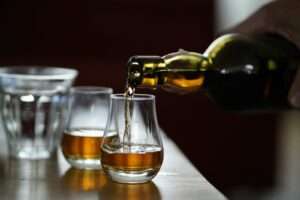
Sake is traditionally served in small ceramic or lacquerware cups (ochoko) or a wooden box (masu). For proper tasting, a Champagne flute or a small tulip wine glass concentrates the aromas better than wide cups. The sakazuki (flat ceremonial cup) is beautiful but not ideal for nosing.
Sake and Food Pairing
Sake is the most food-versatile beverage I know. Its high umami content creates synergy with savory foods in a way that wine often can’t.
| Food | Sake Style | Why It Works |
|---|---|---|
| Sushi and sashimi | Junmai Daiginjo, Ginjo | Delicacy matches delicacy; sake doesn’t overwhelm raw fish |
| Tempura | Junmai, Honjozo | Crisp acidity cuts the oil |
| Grilled pork | Aged Junmai | Earthy, full body complements fat and char |
| Cheese (aged, hard) | Junmai Daiginjo | Umami echoes umami; surprising and delicious |
| Spicy Thai or Korean | Nigori | Sweetness and creaminess cool the heat |
| Oysters | Sparkling sake | Effervescence and minerality are classic shellfish pairings |
| Dark chocolate | Koshu or aged Junmai | Rich notes meet the bitterness and sweetness |
A key pairing principle: sake rarely clashes. Its lower bitterness (compared to wine) and naturally high umami mean it finds common ground with almost any savory dish. This makes it extraordinary for multi-course meals.
Tasting Sake for the First Time
A Simple Tasting Framework
- Look: Pour into a clear glass over a white napkin or paper. Color ranges from crystal clear (fresh, filtered) to pale gold (some Junmai, Honjozo) to amber (aged, unfiltered).
- Nose: Smell the sake at chin level, not crammed into the glass. Common aromas: rice, apple, pear, melon, banana, anise, white flowers, earth, mushroom, cream, lemon.
- First sip: Don’t rush past the entry. Notice the texture — sake has a distinctive viscosity that’s different from wine. Is it rich and creamy, or light and watery? Dry or subtly sweet?
- Finish: Sake finishes are often shorter than wine but cleaner. Notice whether it’s dry (karakuchi) or sweet (amakuchi), and whether there’s a lingering savory, umami note.
- Water and rice crackers between pours. Sake’s subtlety rewards palate-cleansing between samples.
Hosting a Sake Tasting for Groups
A sake tasting is one of the most distinctive options for a corporate group event — it’s familiar enough (rice wine, fermented beverage) to not feel intimidating, and different enough to be genuinely memorable.
A simple four-pour structure:
- Nigori — start with the accessible, creamy one. It gets people comfortable.
- Junmai Honjozo — show them the earthy, rice-forward style, served slightly warm.
- Junmai Ginjo — chilled, fruity, fragrant. This is usually where people’s eyes widen.
- Junmai Daiginjo — the prestige pour. Delicate, aromatic, complex.
Pair with small bites: edamame, gyoza, smoked salmon, or a simple cheese board. Add a structure for tasting notes (sweet vs. dry, light vs. full body) and you have 90 minutes of genuine engagement.
At The Wine Voyage, we’re always looking for ways to bring new and unexpected sensory experiences to groups — sake experiences fit naturally alongside our wine blending competition and spirits tasting events for teams that want something distinctive.
Interested in building a full tasting experience for your team? Our wine tasting team building page walks through everything we offer for corporate groups — wine, spirits, food pairing, and more.
Further Reading
For authoritative deep dives into sake production and culture: Jancis Robinson’s sake overview and Decanter’s sake 101.