The first time I ran a wine blending competition for a corporate group, I wasn’t sure how it would go. The company was a mid-sized tech firm, the group was forty people who didn’t necessarily know each other well, and the brief was vague: “do something wine-related but more interactive than a regular tasting.”
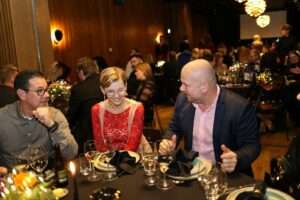
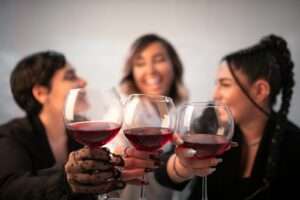
An hour into the blending session, I had to actually get people’s attention to move on. They were nose-deep in their glasses, arguing cheerfully about whether more Malbec would soften the tannins, writing tasting notes, designing label concepts on napkins. It was the most engaged I’d ever seen a corporate group during any event I’d run.
That’s the thing about a wine blending competition that surprises people: it’s not just about wine. It’s about creative problem-solving, structured collaboration, and having something tangible to show for your effort at the end.
What Is a Wine Blending Competition?
A wine blending competition is an experience where participants blend two or more component wines — typically different grape varieties or different lots from the same variety — to create their own custom cuvée. Teams evaluate the components individually, experiment with ratios, present their final blend, and vote for the best result.
It can run as a guided workshop, a team competition, or an educational tasting session, depending on the group. At its core, the wine blending competition combines sensory education (understanding what each component contributes) with creative decision-making (figuring out how to combine them effectively).
The format scales beautifully: I’ve run it for groups of eight and for groups of two hundred.
The Science (and Art) Behind Blending
Before getting into the logistics, it helps to understand why winemakers blend in the first place. Many of the world’s most celebrated wines are blends — Bordeaux, Châteauneuf-du-Pape, Champagne, Rioja, Chianti. The practice is ancient and universal.
Different grape varieties bring different qualities to a blend:
| Variety | Typical Contribution |
|---|---|
| Cabernet Sauvignon | Structure, tannins, longevity |
| Merlot | Softness, roundness, fruit |
| Malbec | Color, plummy fruit, mid-palate weight |
| Petit Verdot | Intensity, floral notes, deep color |
| Cabernet Franc | Aromatics, freshness, herbal notes |
| Syrah | Spice, pepper, dark fruit, body |
| Grenache | Alcohol, warmth, red fruit, approachability |
| Mourvèdre | Earthiness, structure, aging potential |
When you add Merlot to Cabernet Sauvignon, you’re softening the frame. When you add Petit Verdot, you’re intensifying it. A wine blending competition teaches participants this vocabulary not through lecture, but through direct sensory experience. You smell the difference. You taste the change. That’s how learning sticks.
How a Wine Blending Competition Works: Step by Step
The Setup
The facilitator prepares a “blending kit” for each team. This typically includes:
- Three to four component wines in measured quantities (usually 100–150 ml of each)
- Tasting sheets with descriptions of each component
- Empty blending glasses or carafes for the final creation
- Measuring tools (syringes or small pourers work well for precision)
- Optional: label sheets for designing a custom label
Teams are usually four to six people — large enough for discussion, small enough for everyone to have a real role.
Phase 1: Evaluate the Components
Each team tastes each component wine individually and takes notes. What’s the color? The aroma? The palate weight? The tannin level? The acidity? The finish?
A skilled facilitator guides this phase with education: explaining what Malbec typically brings to a blend, why winemakers in Bordeaux started using Merlot, what high tannins actually feel like on your gums versus your cheeks.
This phase usually runs 20 to 30 minutes and does double duty as icebreaker — there’s something about trying to describe wine to a colleague that immediately lowers social barriers.
Phase 2: Blend and Experiment
This is the heart of the wine blending competition. Teams start experimenting with ratios, measuring and combining the components to find a blend they’re proud of. Common questions at this stage:
“What if we do 60% Cab, 30% Merlot, 10% Malbec?” “Should we add more Malbec for color?” “I think the tannins are still too aggressive — does more Merlot help?”
Teams converge on a final blend and lock in their recipe — exact percentages of each component. This becomes their competition entry.
Phase 3: Name, Describe, and Present
Teams give their blend a name and a tasting note. Some groups go deep on label design; others keep it simple. Either way, they’re articulating what they created and why — which requires them to synthesize everything they learned in the tasting phase.
Presentations are short — two or three minutes per team. The facilitator asks questions: “Why did you lean toward Merlot dominance? What were you trying to achieve?”
Phase 4: Blind Judging
All the final blends are poured blind into numbered glasses. Everyone — participants and facilitator included — tastes each one and scores it. Categories can include overall quality, balance, complexity, and originality.
The reveal is always the high point. Finding out which team’s wine you scored highest, or discovering that the blend you thought was obviously best was actually your own — these moments create shared memory.
The Takeaway
In many wine blending competition formats, participants take home a bottle (or a 375ml half-bottle) of their creation with a custom label. This tangible artifact is part of what makes the format work so well for corporate groups: people bring it to a dinner party later and tell the story.
Why Wine Blending Competition Works for Teams
I’ve used this format for team building events, corporate appreciation dinners, client entertainment, and product launch celebrations. It works across all of these contexts because it hits several things simultaneously:
Structured collaboration without hierarchy. In a wine blending competition, the most junior person’s palate is as valid as the VP’s. Expertise helps, but it’s not determinative — some of the most interesting blends I’ve seen came from people who’d never tasted wine seriously before.
Creative problem-solving under constraints. Teams have fixed components and fixed quantities. Working within those constraints to achieve something excellent is a genuinely satisfying challenge.
A reason to actually talk. Most corporate events succeed or fail based on whether they create real conversation. A wine blending competition provides constant natural talking points: “what do you taste in this one?” and “do you think we should shift the ratio?” are questions anyone can engage with.
Something to show for it. Events that produce an artifact — a bottle, a label, a recipe — create longer-lasting memory than purely experiential events.
Setting Up Your Own Wine Blending Competition
If you’re planning a wine blending competition independently, here’s what you need:
Choose your components. For a beginner-friendly experience, use two or three approachable varietals. A classic combination: Cabernet Sauvignon (structure), Merlot (softness), and Malbec (color and fruit). For more advanced groups, four or five components add complexity.
Calculate quantities. Each participant needs enough wine to evaluate all components and blend a final product. Plan for roughly 50–80 ml of each component per person for tasting, plus another 100–150 ml for blending.
Prepare tasting sheets. Descriptors and guidance for each component help groups who aren’t already wine-fluent. Keep them simple: color, aroma, main flavors, texture.
Build in time for conversation. Don’t rush the evaluation phase. The blending itself takes 20–30 minutes; the evaluation and discussion around it is where most of the learning and connection happens.
Have a facilitator. Someone who understands the components and can guide groups through sensory evaluation significantly improves the experience. This is the difference between a wine blending competition that educates and one that’s just pouring wine into other wine.
Variations on the Wine Blending Competition Format
The Rosé Blend. Same concept but using white and red components, or different rosé styles, to create a custom rosé. More approachable for wine-skeptical groups.
The Port or Fortified Blend. Using port-style components and potentially adding spirits. Less common but excellent for groups interested in more structured, sweet wines.
The Virtual Wine Blending Competition. Pre-measured component kits shipped to participants, with a virtual host guiding the session. Works remarkably well — the wine blending competition is one of the few team experiences that actually translates to a fully virtual format.
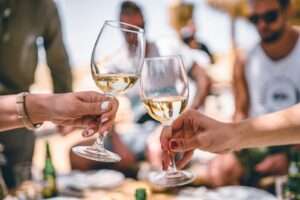
White wine blending. Chardonnay, Viognier, and Grenache Blanc make for an interesting white blending kit, particularly for groups who prefer white wine.
How The Wine Voyage Runs It
Our Perfect Blend Competition is built around this format, refined over years of running it for corporate groups. We handle sourcing the components, preparing the kits, facilitating the evaluation and blending phases, running the blind judging, and coordinating the custom bottling. Groups leave with a bottle they made.
We’ve run the wine blending competition for teams of 8 and teams of 175. The energy is different at different scales, but the core dynamic — collaboration, creativity, conversation, and a shared result — holds at every size.
For companies looking for a team experience that’s genuinely memorable and educational, the wine blending competition sits at a sweet spot: it has enough structure to feel like an event, enough creative latitude to feel like play, and enough social pressure (the competition) to keep energy high throughout.
For related tasting formats, explore our guides on how to host a blind wine tasting and wine tasting games for groups. If you’re considering wine experiences as part of a broader corporate events program, corporate event ideas and team building ideas for work offer additional context.
Further Reading
For a deeper dive into the science of blending, Wine Folly’s guide to wine blending covers the key grape varieties and their contributions with their characteristic clear visuals. Decanter’s blending resources go deeper on the winemaking side, including how blending is practiced in Bordeaux and the Rhône.