If you’ve ever loved a bottle of Chianti over a plate of pasta, you’ve already met Sangiovese — you just might not have known its name. This grape is the backbone of some of Italy’s most iconic wines, from everyday Chianti to the age-worthy Brunello di Montalcino. And yet it remains one of the most misunderstood varieties for wine drinkers outside of Italy.
I want to change that. Sangiovese is one of those grapes that rewards curiosity. Once you understand what it is and where it comes from, you start tasting it differently — and ordering it with far more confidence.
What Is Sangiovese?
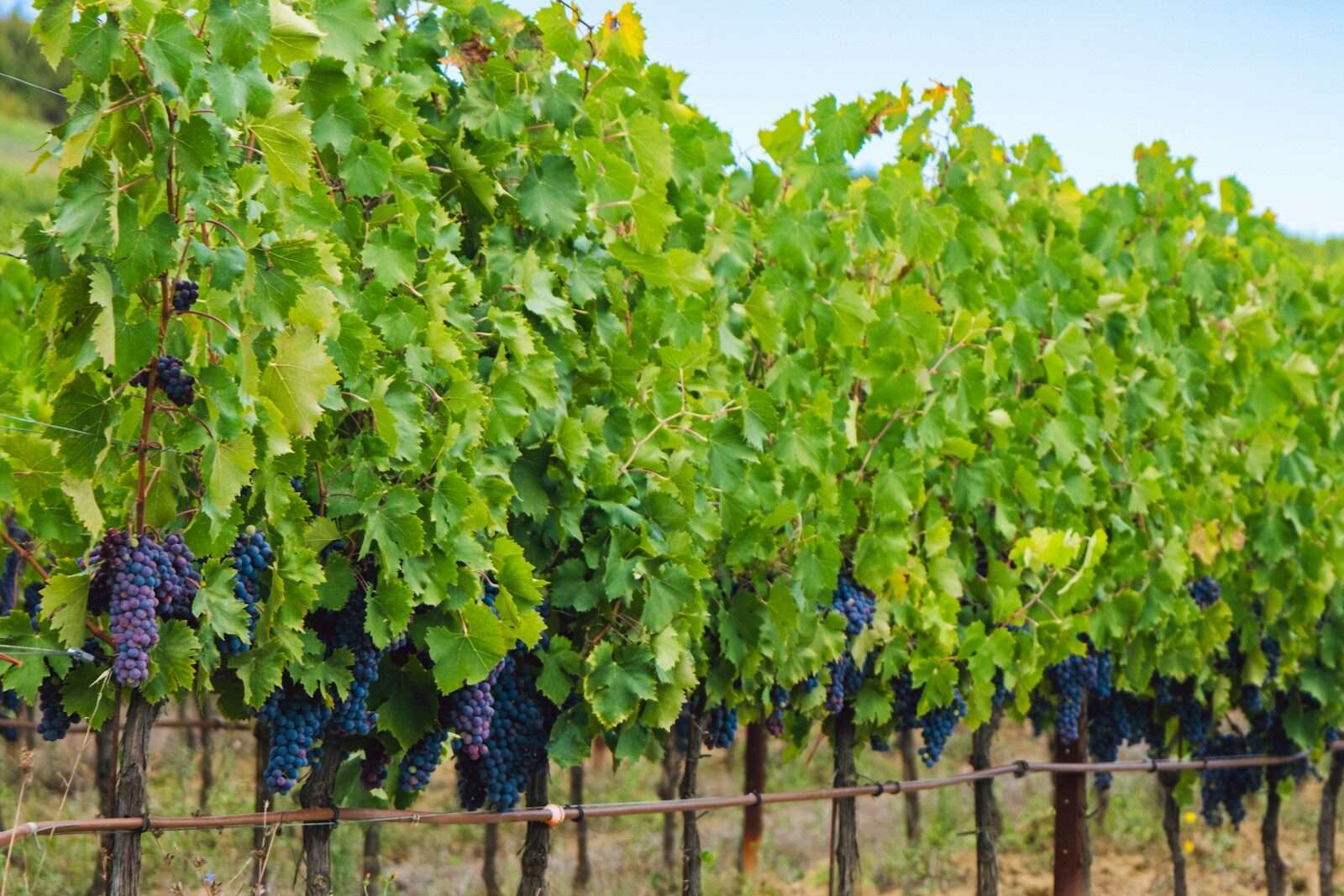
Sangiovese is Italy’s most widely planted red wine grape. The name is thought to derive from “Sanguis Jovis” — the blood of Jupiter — which tells you something about how seriously Italians take this variety. It covers roughly 100,000 acres of Italian vineyards, concentrated mainly in Tuscany but spreading throughout central and southern Italy.
What makes Sangiovese distinctive is its combination of high acidity, firm tannins, and a flavor profile built around red cherries, dried herbs, and earth. It’s not a fruit-bomb grape. It doesn’t try to overwhelm you with sweetness or lushness. It’s more like a conversation — layered, evolving, and better with food.
Sangiovese is also notoriously site-sensitive. The same variety planted in Chianti Classico, Montalcino, and Montepulciano will produce dramatically different wines — which is part of what makes exploring it so interesting.
What Does Sangiovese Taste Like?
Core flavors:
- Red cherry and sour cherry
- Dried tomato and sun-dried herbs (oregano, thyme)
- Leather and tobacco (in aged expressions)
- Earthy minerality — often described as terracotta or crushed stone
- Balsamic note at its finest
Structure:
- High acidity — a defining characteristic, great for food pairing
- Medium-high tannins — grippy when young, silky with age
- Medium-full body
- Alcohol: typically 12.5–14%
The acidity is what sets Sangiovese apart from most New World reds. It cuts through richness and makes your mouth water, which is exactly what you want from a wine-with-food grape.
Sangiovese vs. Other Italian Reds
| Wine | Grape | Style | Compared to Sangiovese |
|---|---|---|---|
| Chianti Classico | Sangiovese (min 80%) | Medium-bodied, bright | Core expression — the reference point |
| Brunello di Montalcino | Sangiovese Grosso | Full-bodied, structured | More power and ageability |
| Rosso di Montepulciano | Prugnolo Gentile (Sangiovese clone) | Lighter, earlier drinking | Softer, more approachable |
| Morellino di Scansano | Sangiovese (Morellino clone) | Coastal, riper fruit | Slightly rounder and warmer |
| Vino Nobile di Montepulciano | Sangiovese | Elegant, structured | Floral, more refined tannins |
| Barbera d’Asti | Barbera | High acidity, low tannin | Less tannic, more fruit-forward |
The Main Sangiovese Wine Regions
Chianti and Chianti Classico
Chianti is probably the first Sangiovese name most people learn — often associated with the straw-wrapped flask that became a cliché in Italian-American restaurants. The modern reality is far more interesting.
Chianti Classico, the historic heartland between Florence and Siena, is where Sangiovese hits its stride at an accessible price point. Look for the black rooster (Gallo Nero) on the neck — that’s your sign you’re getting the real thing. Within Chianti Classico, the Gran Selezione tier represents the best single-vineyard or top-selection wines, aged a minimum of 30 months.
Brunello di Montalcino
This is Sangiovese at its most serious. Made exclusively from Sangiovese Grosso (locally called Brunello) around the hilltop town of Montalcino, these wines require a minimum of 5 years aging before release (6 for Riserva). They’re among Italy’s most age-worthy reds — a well-made Brunello can evolve for 20–30 years.
If full Brunello feels like a commitment, start with Rosso di Montalcino — same village, same grape, released younger and priced more gently.
Morellino di Scansano
Closer to the Tuscan coast, this wine uses a Sangiovese clone called Morellino. The warmer maritime climate gives it a slightly riper, rounder character — more accessible young than Chianti Classico, with a distinctive southern Tuscan earthiness.
Beyond Tuscany
Sangiovese also appears throughout Umbria, Marche, Emilia-Romagna, and as far south as Puglia and Calabria. It’s a workhorse grape across central Italy, often blended with local varieties or used in IGT wines (the “Super Tuscans” category, where Sangiovese is sometimes blended with Cabernet Sauvignon or Merlot for a more international style).
Understanding Italian Wine Labels
Reading an Italian Sangiovese label can feel like decoding a puzzle. Here’s the key: the wine name is usually the place, not the grape. So “Chianti Classico” tells you where it’s from, not what’s in it. Knowing that most Chianti Classico, Brunello, and Vino Nobile are primarily Sangiovese is the insider knowledge that unlocks the label.
DOCG on the label means the wine has met Italy’s highest quality classification — look for it on Brunello, Chianti Classico Gran Selezione, and Vino Nobile.
The Best Food Pairings for Sangiovese
Sangiovese’s high acidity and savory character make it one of the most food-friendly reds you can put on a table.
Classic matches:
- Tomato-based pasta — the acidity mirrors the tomato, the earthiness complements the sauce. This pairing works every single time.
- Florentine steak (Bistecca alla Fiorentina) — the Tuscan combination that exists for a reason
- Roasted lamb and herb — the dried herb notes in the wine echo the rosemary and thyme in the dish
- Pizza — especially Neapolitan style, where the bright acidity cuts through mozzarella
- Hard Italian cheeses — Pecorino, Parmigiano-Reggiano, aged Asiago
Surprising pairings that work:
- Mushroom risotto — the earthiness plays beautifully
- Charcuterie and cured meats — the tannins balance the fat
- Lentil soup — in a Tuscan countryside way, just trust it
What Sangiovese doesn’t love: very rich, buttery dishes that need a softer red, or anything with heat that amplifies the tannins uncomfortably.
How to Buy Sangiovese: A Practical Price Guide
You don’t need to spend a lot to drink well with Sangiovese. The range runs from easy everyday drinking to serious cellar purchases.
Under $20 — Everyday Chianti or Morellino Look for Chianti Classico from producers like Antinori Santa Cristina, Banfi, or Geografico. These are reliable, honest wines made for weeknight pasta.
$20–$50 — Chianti Classico Riserva or Rosso di Montalcino This is the sweet spot. Riservas from Fonterutoli, Isole e Olena, or Castello di Ama are excellent, often showing real complexity for the price.
$50–$100 — Brunello or entry-level Super Tuscans Caparzo, Altesino, and Poggio Antico make Brunello in this range. Worth buying to understand what the fuss is about.
$100+ — Top Brunello producers Biondi-Santi (where Brunello was born), Casanova di Neri, Poggio di Sotto. These are wines to open at a milestone dinner — or cellar for ten years.
Serving Sangiovese
Temperature matters more than most people think. Sangiovese at room temperature (especially a warm room) can taste flat and tannic. Serve it at:
- Chianti Classico and everyday styles: 60–63°F (15–17°C) — 15 minutes in the fridge if your room is warm
- Brunello and aged expressions: 63–65°F (17–18°C) — open the bottle an hour before, or decant
Speaking of decanting: young Chianti usually doesn’t need it, but Brunello benefits enormously from 1–2 hours in a decanter. It softens the tannins and opens up the aroma.
Sangiovese and Corporate Wine Experiences
One of the things I love about building wine events around Sangiovese is how much territory it covers. You can do a Sangiovese vertical — tasting the same grape across different regions and price points — and watch a room full of people have genuine “aha” moments when they realize Chianti Classico and Brunello di Montalcino are both Sangiovese, tasting wildly different because of where they’re grown.
For team building, that “same grape, totally different wine” concept generates real conversation. It’s concrete, it’s surprising, and it makes the terroir concept click without needing to get technical about it.
Looking to explore Italian reds further? See our guide to medium-bodied red wines and how to pair wine with food for more context on where Sangiovese fits.
Further Reading
For deeper dives into Sangiovese and Italian wine, two authoritative sources worth bookmarking: Decanter’s Sangiovese grape guide covers regional breakdowns and vintage guidance, while Wine Folly’s Sangiovese profile offers a visual breakdown of the variety’s flavor and structure — perfect if you learn better from maps and charts than walls of text.