Natural wine is the most argued-about category in the wine world. Enthusiasts call it the most honest expression of a place. Critics call it an excuse for flawed wine. Both sides are responding to real things — and neither is entirely right.
Here’s what natural wine actually is, how it’s made, what it tastes like, and why it matters.
What Is Natural Wine?
There’s no legal definition of natural wine. No regulatory body certifies it. No official standard governs its production. This is one of the reasons it generates so much debate.
In practice, “natural wine” refers to wine made with:
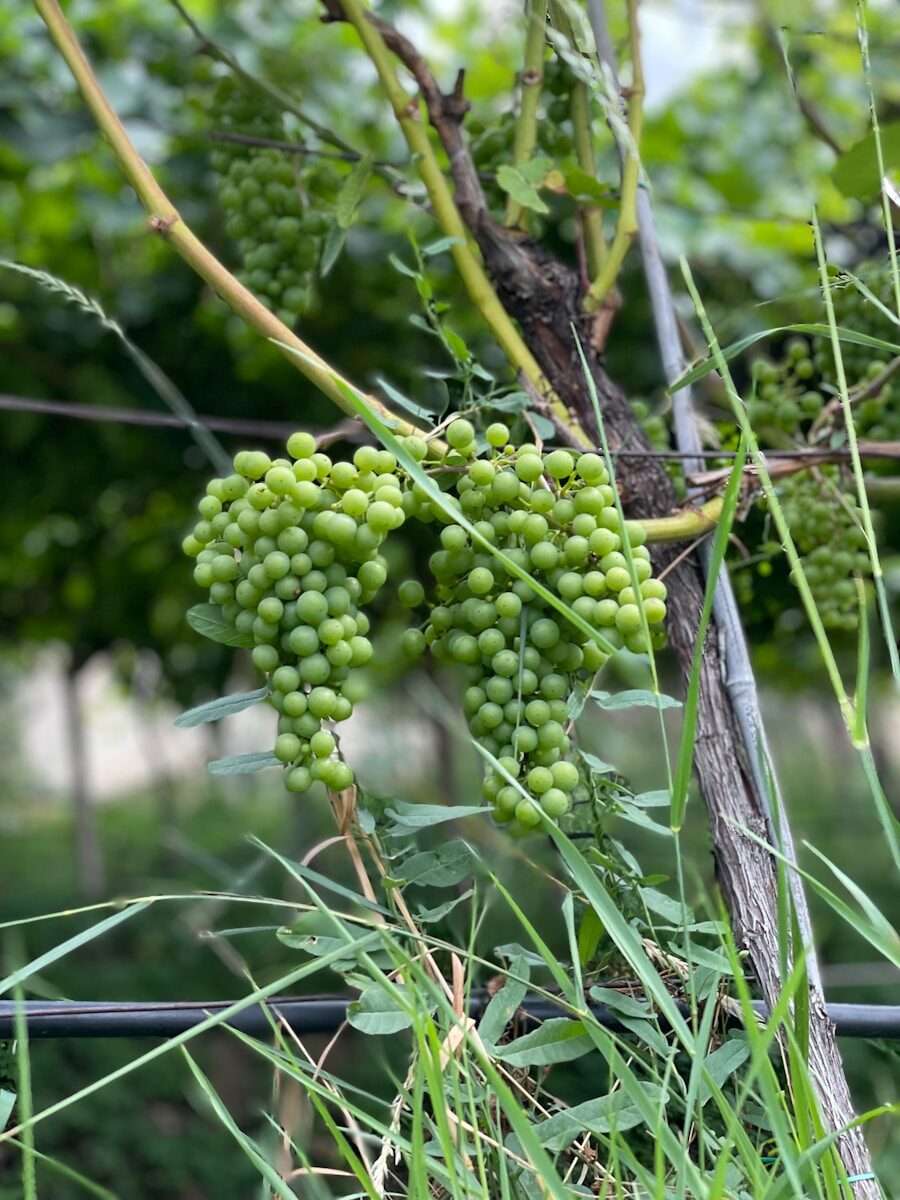
- Organically or biodynamically grown grapes — no synthetic pesticides, herbicides, or fungicides in the vineyard
- Native (wild) yeasts — fermentation triggered by yeast naturally present on grape skins and in the cellar, rather than commercial lab-cultured yeasts added by the winemaker
- Minimal intervention in the cellar — no or very low added sulfites (SO₂), no fining agents, no filtering, no acidification or de-acidification, no added tannins, enzymes, or concentrates
- No or minimal additives — the wine is essentially fermented grape juice, nothing more
The informal definition used by most natural wine producers: wine made from organically grown grapes fermented with wild yeasts, with nothing added and nothing taken away.
Natural vs. Organic vs. Biodynamic
These three terms are frequently confused. They’re related but distinct:
Organic wine has a legal definition. In the EU, organic wine means grapes grown without synthetic chemicals AND very low sulfite additions (100 mg/L for reds, 150 mg/L for whites). In the US, “organic wine” (certified by the USDA) allows no added sulfites at all — which is why many US producers use the label “made from organically grown grapes” instead, which allows minimal sulfites.
Biodynamic wine follows the Demeter or Biodyvin certification. It extends organic farming with a holistic farm ecosystem approach, timing farming activities by lunar and cosmic calendars, and using specific preparations (like composted manure in a cow horn buried over winter). Biodynamic implies organic but goes further.
Natural wine isn’t certified. A winemaker can make natural wine while not being USDA organic certified (certification is expensive and slow). Conversely, a certified organic winery might use commercial yeasts and extensive cellar manipulation — technically organic, not natural.
The overlap: most natural wine producers farm organically or biodynamically, but organic certification doesn’t make a wine “natural.”
How Natural Wine Is Made Differently
In the Vineyard
Natural wine starts with healthy grapes. To ferment with wild yeasts and avoid additives, you need grapes that are chemically uncontaminated — residual pesticide and herbicide residue can inhibit or kill native yeast populations. Organic farming isn’t just an ethical choice in natural wine; it’s a technical prerequisite.
Fermentation
This is where the biggest difference shows up. Commercial yeasts are selected and bred for predictability: reliable fermentation, clean profiles, consistent results at scale. They’re used in the vast majority of the world’s wine.
Wild yeast fermentation uses whatever yeast strains are naturally living on the grape skins and in the cellar — dozens of different species, each contributing different aromas and flavors. Fermentation is slower, less predictable, and more likely to stop or stall. The result can be more complex, more specific to the vineyard, or occasionally more chaotic.
Sulfites (SO₂)
Sulfites are the most contested element of natural wine. Sulfur dioxide has been used in winemaking for thousands of years. It’s an antioxidant and antimicrobial agent that stabilizes wine, prevents premature oxidation, and inhibits unwanted bacteria.
Most natural wine producers use “low sulfite” or “no added sulfite” approaches. Very low sulfite wines can be fragile — more sensitive to heat, transport, and storage. They may evolve quickly in the bottle and don’t always travel well. This is partly why natural wines at a wine bar taste different from the same bottle purchased at retail and badly stored.
Fining and Filtering
Conventional wine is often fined (using agents like bentonite clay, egg whites, or casein to remove proteins and tannins that would otherwise make wine cloudy) and filtered to remove yeast and bacteria. Natural wine is typically unfined and unfiltered.
This is why natural wine is often cloudy or hazy — there are suspended particles in the wine that would otherwise be removed. The haze is composed of yeast cells, tartrate crystals, or other naturally occurring compounds. It’s not a defect.
What Natural Wine Tastes Like
Here’s the honest answer: it varies more than conventional wine.
On the best end of the spectrum, natural wine is vivid, textural, specific, and alive in a way that’s genuinely different from commercial wine. You taste the place. You taste the particular vintage. The wine has personality.
On the other end, natural wine can be cloudy, oxidative, barnyard-funky, lightly fizzy when it shouldn’t be (from residual CO₂ or continued fermentation in bottle), or volatile-acidic (sharp, vinegary). These are real flaws that sometimes get excused as “natural wine character.”
The difference between a great natural wine producer and a poor one: great natural wine winemakers have the skill and attention to let the wine express itself without losing control of the process. Bad natural wine is sometimes just poorly made wine with an excuse.
Common flavor profiles in natural wine:
- Funky, earthy, barnyard notes from Brettanomyces yeast (common in red natural wines)
- Slight fizz or pétillance from residual CO₂
- Cloudy, hazy appearance from unfiltered particles
- Bright, crunchy acidity
- Reduced (struck flint, matchstick) aromas that blow off with air
- Oxidative notes in some styles (intentional, similar to orange wine)
Popular Natural Wine Varieties and Regions
Natural wine isn’t defined by grape or place, but certain regions have strong natural wine cultures:
France — Beaujolais (especially the crus, with producers like Lapierre and Foillard defining the movement), the Loire Valley (Muscadet and Chenin Blanc), Alsace, Burgundy, and the Rhône.
Italy — Friuli (especially orange wines), Emilia-Romagna (Lambrusco), Campania, Etna (Sicilian volcanic wines).
Georgia — The country, not the state. Considered the birthplace of wine, Georgian winemaking in clay amphorae (qvevri) is one of the oldest winemaking methods in the world and is having a major moment in natural wine circles.
Spain — Galicia, Catalonia, and emerging producers across the country.
Austria and Germany — A strong natural wine scene, particularly in Burgenland and along the Nahe.
United States — California’s Sonoma, Mendocino, and Santa Barbara counties; the Finger Lakes in New York.
Orange Wine: Natural Wine’s Most Visible Category
Orange wine is white wine made with extended skin contact — the grape skins macerate with the juice during fermentation, extracting tannins, color, and phenolic compounds that would normally be absent from white wine. The result ranges from golden-amber to deep orange.
Most orange wine is made naturally — the skin-contact method and minimal-intervention philosophy align. It’s distinct enough to deserve its own discussion, but if you’ve had orange wine, you’ve likely had natural wine.
How to Buy Natural Wine
Go to a wine shop that specializes in it. Natural wine is difficult to navigate at a general retailer. Shops that specialize in it have staff who understand which producers are reliable and which bottles may have spoilage issues.
Drink it fresh when it’s young. Most natural wine is not designed for aging. The lack of sulfites means many bottles evolve quickly. Buy it, drink it.
Store it properly. Natural wines are more temperature-sensitive than conventional wines. If you’re not drinking it within weeks, store it in a cool, stable environment — ideally a wine fridge.
Be prepared for surprise. The first glass of a new natural wine can be funky, odd, or disorienting. Give it 30 minutes open, or decant briefly. Many natural wines that smell strange on opening blow off their reduction and reveal something interesting with air.
Don’t accept obvious faults. Barnyard and earth are debatable. Overt vinegar (volatile acidity) and mouse (a particular off-flavor from certain bacteria) are not character — they’re flaws. A good wine shop will replace a flawed bottle.
Is Natural Wine Better?
No, and yes — depending on what you value.
Natural wine isn’t automatically better than conventional wine. Skill, attention, and the quality of the fruit matter more than philosophy. Many excellent conventionally made wines are well-crafted and expressive. Many natural wines are chaotic and poorly made.
What natural wine does offer: a closer connection to the land and vintage, a rejection of industrial homogenization, and often a genuinely different tasting experience from conventional wine. For wine drinkers who want more transparency — knowing exactly what’s in the bottle — natural wine is appealing.
The real argument for natural wine isn’t that it tastes better, it’s that it tastes more specific. Less mediated by winemaking technology, more dependent on what actually happened in that vineyard that year.
Interested in where natural wine intersects with other styles? See our guide to orange wine — the style most closely associated with the natural wine movement. For buying decisions, see how to pair wine with food — natural wines tend to be high-acid and food-friendly. And for the broader question of wine body, light, medium, and bold wines explained gives the structural picture.
Further Reading
For the most thorough writing on natural wine producers and philosophy, The Drinks Business covers the natural wine scene with industry depth. For a practical buying guide, Vivino’s natural wine category surfaces user-rated bottles across regions.