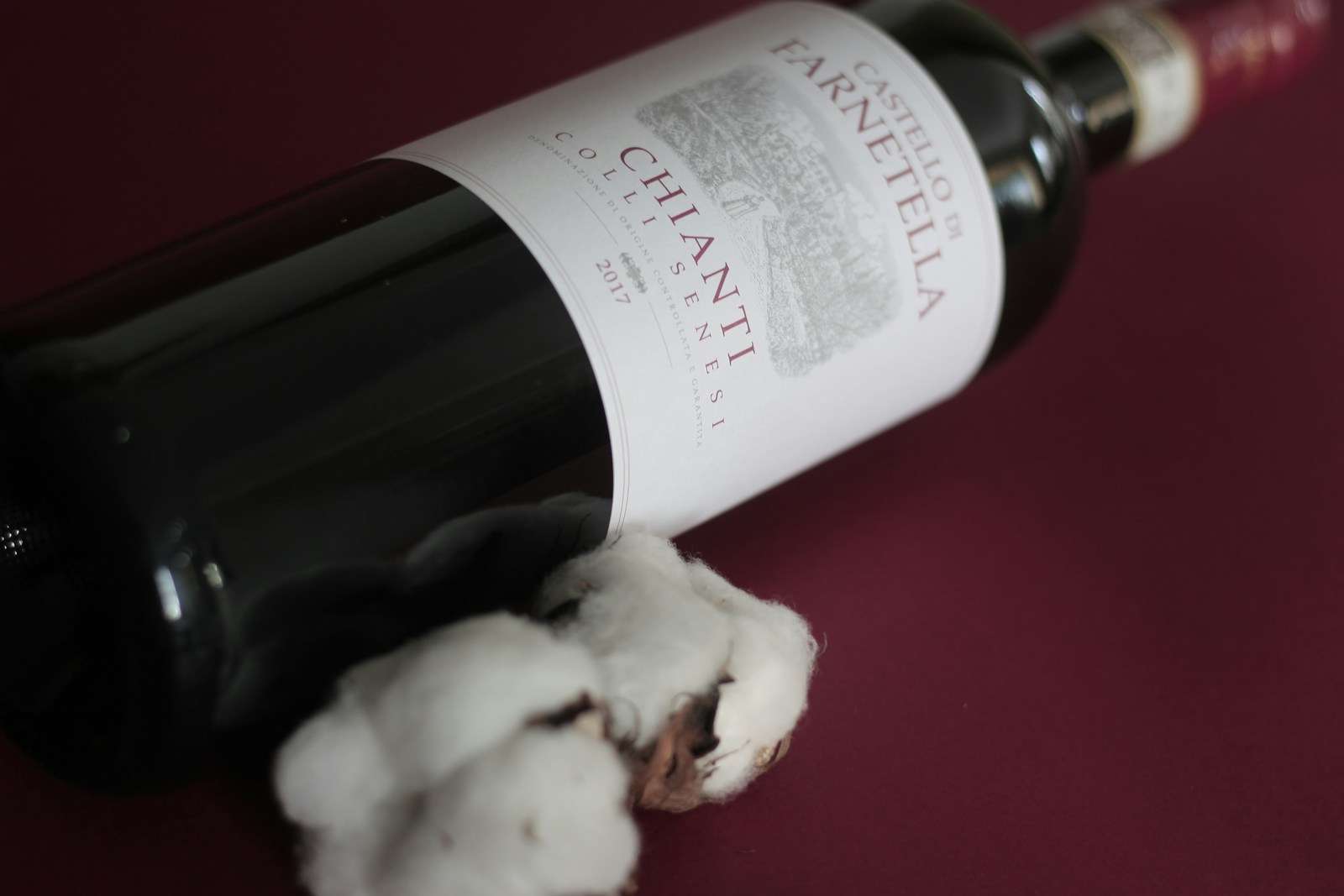
Chianti has a complicated reputation. For decades, it meant cheap wine in a straw-covered bottle — the kind of fiasco flask that ended up as a candle holder. That era left a mark. But the wine made in Tuscany under the Chianti name today is, in many cases, exceptional — and understanding the difference between old Chianti and modern Chianti is genuinely worth your time.
This guide is about the real thing: what Chianti is, what it tastes like, why Chianti Classico is a different category entirely, and how to pick bottles worth drinking.
What Is Chianti?
Chianti is a red wine from Tuscany, Italy, made primarily from Sangiovese grapes. The name refers both to the wine and to the geographic zone in which it’s produced — the hills between Florence and Siena.
The broader Chianti DOC covers a wide swath of Tuscany. But within that zone sits a smaller, historically significant area called Chianti Classico DOCG, which has stricter rules and produces consistently higher-quality wine. Understanding this distinction is the key to shopping for Chianti confidently.
Chianti (the broad DOC) can be made with less Sangiovese, looser aging requirements, and grapes sourced from a wider area. Chianti Classico must contain at least 80% Sangiovese, come from the original Classico zone, and meet more rigorous winemaking standards.
The Grapes in Chianti
Sangiovese is the soul of Chianti. In this wine, it expresses as:
- Tart red cherry and sour cherry
- Dried herbs — oregano, sage, dried tomato
- Earthy, rustic notes: forest floor, leather
- Medium tannin that can be quite grippy in youth
- High natural acidity — one of Sangiovese’s defining traits
Winemakers can blend in other grapes, most commonly Canaiolo (traditional, softens the tannin) and Colorino (adds color and body). Merlot and Cabernet Sauvignon are permitted in the broader Chianti DOC and were popular in the 1990s “Super Tuscan” era, though they’re less fashionable in Classico today.
Chianti Classico and Its Classifications
Chianti Classico has its own pyramid of quality tiers, added progressively over the years:
| Tier | Aging Requirement | Oak | Profile |
|---|---|---|---|
| Chianti Classico (Annata) | 12 months minimum | Optional | Bright, fruit-forward, most accessible |
| Chianti Classico Riserva | 24 months (6 in bottle) | Required | More structure, darker fruit, complexity |
| Gran Selezione | 30 months (3 in bottle) | Required | Single-vineyard or best selection, most complex |
Gran Selezione was introduced in 2014 as the apex of Chianti Classico. These wines are made from a single vineyard or a rigorous selection of estate grapes, and they represent the serious collector tier of this category.
The Black Rooster (Gallo Nero) on the neck is the symbol of the Chianti Classico Consorzio — if you see it, you know the wine is from the Classico zone and meets its standards.
What Chianti Tastes Like
The hallmark of Chianti is savory energy. This is not a fruit-bomb wine. It’s built around acidity and structure, which is why it’s one of the greatest food wines on the planet.
Young Chianti (Annata): Vivid sour cherry, pomegranate, dried herbs, light tannin. Refreshing and direct. Drink it 2–4 years from vintage.
Chianti Classico Riserva: Darker cherry, leather, tobacco, licorice, and earthy notes. More tannic weight, needs something to eat alongside it. Best 3–8 years from vintage.
Gran Selezione: Complex and site-expressive. Iron/mineral quality, dried fruit, potpourri, tar. Real complexity if you give it time — 8–15 years from top producers.
I find that Chianti needs food. A glass of Riserva on its own can feel austere. The same glass with pasta, pizza, or grilled meat transforms completely.
Top Chianti Classico Producers
The Classico zone has been reshaped by a generation of producers who stopped apologizing for Sangiovese and started celebrating it.
Essential estates:
- Castello di Brolio (Barone Ricasoli) — the estate that essentially invented Chianti as a wine category, still producing benchmark wines
- Fontodi — biodynamic, consistently excellent, the Flaccianello (a Super Tuscan) shows what Sangiovese can do alone
- Isole e Olena — small production, precise winemaking, Cepparello is one of Tuscany’s finest wines
- Badia a Coltibuono — historic abbey estate, reliable across price points
- Montevertine — non-conformist, doesn’t use the Chianti Classico label but makes extraordinary Sangiovese
Great value producers:
- Ruffino Riserva Ducale — good quality at a real price
- Querciabella — organic, excellent at multiple price points
- San Felice — consistent, widely available
Regular Chianti vs. Chianti Classico vs. Chianti Rufina
The broader Chianti DOC has several geographic sub-zones beyond Classico:
| Sub-zone | Location | Style Notes |
|---|---|---|
| Chianti Classico | Florence–Siena hills | The benchmark, most complex |
| Chianti Rufina | Northeast of Florence | High altitude, often elegant and age-worthy |
| Chianti Colli Senesi | Siena hills | Variable quality, often lighter style |
| Chianti Colli Fiorentini | Florence hills | Light, approachable, everyday drinking |
| Chianti Montespertoli | Arno valley | Lighter, less age potential |
Chianti Rufina deserves more attention than it gets. The high altitude (up to 700m) creates longer growing seasons and wines with real freshness — producers like Selvapiana and Frescobaldi’s Nipozzano estate make outstanding Rufina.
Chianti and Food Pairing
Chianti’s high acidity and savory character make it one of the most food-versatile wines you can open. The Italian instinct — match the wine with the cuisine of the region — works perfectly here.
Classic Italian pairings:
- Pizza, particularly tomato-based
- Pasta with tomato sauce, ragù, or meat sugo
- Bistecca alla Fiorentina (Florentine T-bone steak)
- Ribollita and other bean or vegetable soups
- Aged Pecorino or Parmigiano-Reggiano
Beyond Italian cuisine:
- Grilled lamb, beef, or pork
- Roasted mushroom dishes
- Lentil and legume stews
- Hard cheeses generally
Avoid pairing Chianti with rich cream sauces or anything very sweet — the wine’s acidity and tannin will clash with those flavors.
How to Store and Serve Chianti
Serve Chianti at 16–18°C (61–65°F). Slightly cooler than traditional “room temperature” — this keeps the acidity fresh and the tannin from feeling heavy.
Decanting: basic Annata-level Chianti doesn’t need it. Riserva benefits from 20–30 minutes. Gran Selezione, especially younger vintages, can use a full hour.
Cellaring potential:
- Chianti Classico Annata: 3–6 years
- Riserva: 8–12 years from top producers
- Gran Selezione: 15–20+ years from the best estates
Standard Chianti (non-Classico) is made to drink within a few years — don’t lay these down.
Common Mistakes When Buying Chianti
Buying generic “Chianti” without noticing the lack of a “Classico” on the label is the most common one. The quality gap is real.
Confusing Super Tuscans with Chianti. Wine names like Sassicaia, Tignanello, and Ornellaia are “Super Tuscans” — they use Cabernet or Merlot, don’t qualify for Chianti DOCG, and are labeled as IGT Toscana. They can be brilliant but they’re a different category.
Dismissing Chianti because of bad experiences with cheap Chianti from the fiasco era. The wine reformed itself significantly from the 1990s onward.
Opening it too young. A Riserva from a top vintage needs 5+ years to show what it really is. Patience is rewarded.
Chianti for Team Wine Events
Chianti works exceptionally well for guided tasting formats because of the tiered structure — moving through Annata, Riserva, and Gran Selezione from the same estate illustrates how time and oak shape wine more vividly than any lecture could.
Myrna Elguezabal at The Wine Voyage has built corporate team events around exactly this structure — Italian wine flights where each pour carries a story. The Chianti Classico tier system makes it one of the most teachable categories in wine, and groups consistently engage deeply when the progression is explained alongside the pour.
For more on Sangiovese beyond Chianti, read the Sangiovese guide. Chianti lovers often discover Barolo and Nebbiolo next — or stay in Tuscany with the broader Italian wine guide.
Further Reading
For more depth on Chianti: Wine Folly’s Sangiovese overview is the clearest visual breakdown of the grape and its regions, and Decanter’s Chianti Classico guide covers the classification evolution and current vintage quality.