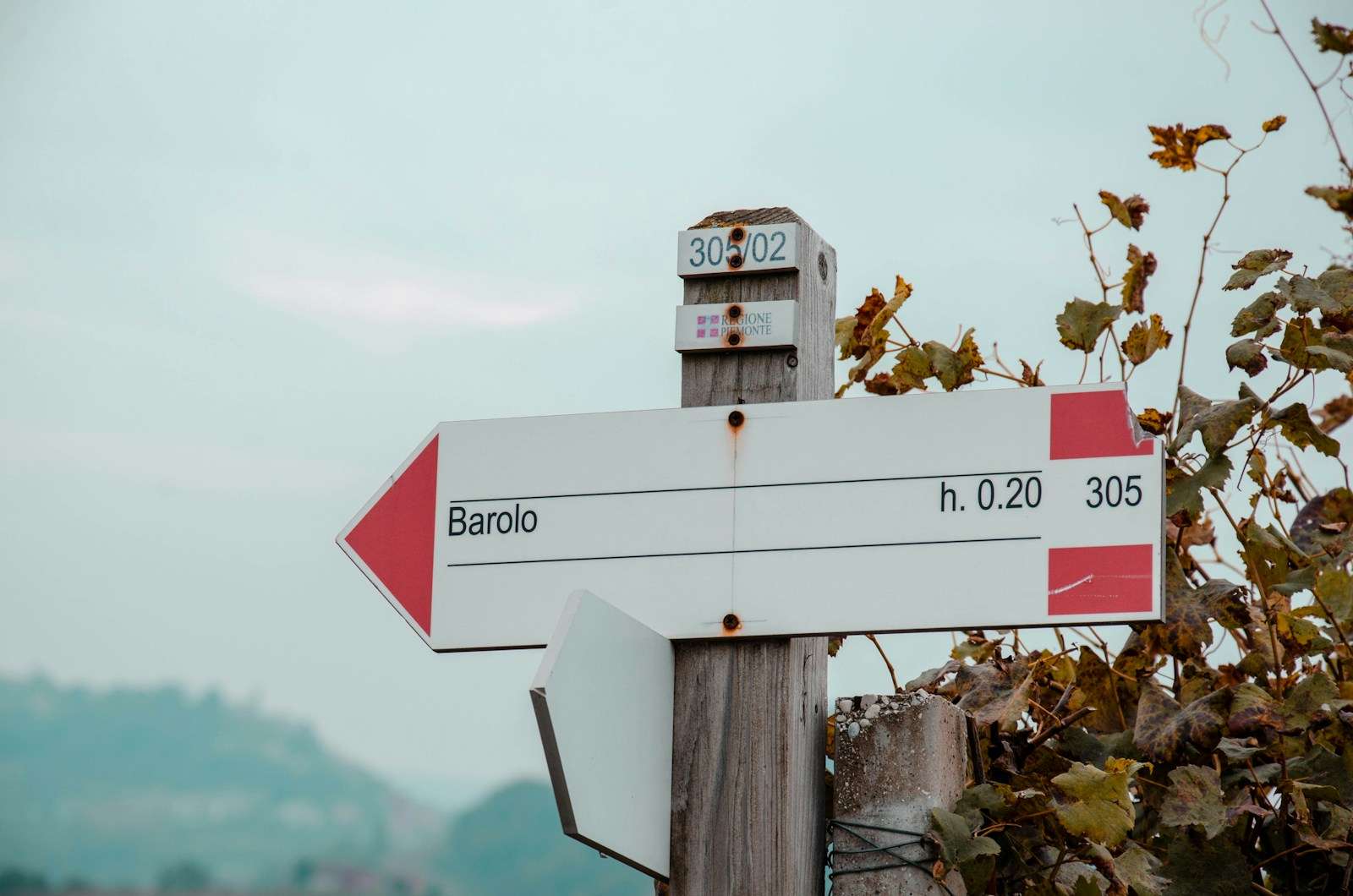
Why Barolo Wine Deserves Its Royal Title
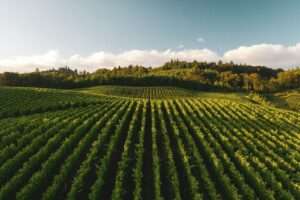
“The King of Wines and the Wine of Kings” — it’s a marketing phrase, but for Barolo wine it actually holds up. Made from 100% Nebbiolo in the Langhe hills of Piedmont, northwestern Italy, Barolo is one of the most complex, age-worthy, and frankly captivating red wines produced anywhere on Earth.
I won’t pretend it’s an easy wine to approach. Barolo wine demands patience — both in the cellar (it needs years to open up) and at the table (it commands slow, attentive drinking). But once you understand what’s in the glass, it becomes genuinely thrilling.
This guide covers everything: what Barolo wine tastes like, the key zones that shape its style, when to drink it, how to pair it, and how to navigate the labels without a degree in Italian wine law.
What Does Barolo Wine Taste Like?
Barolo wine is made entirely from Nebbiolo, a grape that produces wines high in tannins, high in acidity, and modest in color despite their intensity. The result is a red that can look almost translucent in the glass but delivers extraordinary depth of flavor.
Primary flavors and aromas
Young Barolo wine typically shows:
- Red fruits: cherry, dried cherry, cranberry, pomegranate
- Floral notes: roses, violets (Nebbiolo’s signature)
- Earthiness: tar, tobacco, dried herbs, forest floor
- Spice: clove, anise, cinnamon
With age, Barolo wine evolves dramatically:
- Savory and umami: truffle, leather, dried meat, soy
- Dried fruits: fig, date, prune
- Tertiary complexity: orange peel, potpourri, faded rose petals
The tannin and acid question
Here’s what defines the Barolo wine experience for many: the tannins are firm and grippy, and the acidity is high. In young bottles, these elements can feel almost aggressive — the wine literally dries your gums. This is completely normal and why Barolo wine is almost always better with at least 10 years of age, and often needs 15–20+ years to fully integrate.
The Two Styles of Barolo Wine
One of the most fascinating things about Barolo wine is that tradition and innovation have created two distinct schools of winemaking. Understanding them helps you choose what you’ll enjoy.
| Feature | Traditional Style | Modern Style |
|---|---|---|
| Fermentation | Long maceration (30–60+ days) | Short maceration (7–15 days) |
| Aging vessel | Large old Slavonian oak casks | Small French barriques (new oak) |
| Age before release | Often 5–8+ years | Minimum required (3 years) |
| Tannin profile | Austere, grippy in youth, complex with age | Softer, more approachable younger |
| Flavor emphasis | Earthy, savory, mineral | Fruitier, oaky vanilla notes |
| Best examples | Giacomo Conterno, Bruno Giacosa | Elio Altare, Luciano Sandrone |
Neither is objectively better — they reflect different philosophies about what Barolo wine should be. I personally gravitate toward traditional-style examples, but the modern style has converted many people who might otherwise find Barolo too austere.
The Key Zones Within Barolo
The Barolo wine DOCG covers 11 communes, but five are considered the most important. The terroir differences between them are genuinely significant.
La Morra
Known for the most aromatic and approachable Barolo wines. The soils here (Tortonian marl and clay) give wines with floral character, silky texture, and flavors that develop relatively early. If you want to try Barolo wine without waiting 15 years, look here first.
Barolo (the village)
Wines from the village of Barolo itself tend toward medium structure — more tannic than La Morra but more generous than Castiglione Falletto or Serralunga. Look for the Cannubi vineyard, one of the most celebrated single sites in all of Italy.
Castiglione Falletto
High in elevation with Helvetian soils (older, more compact marl and limestone), Castiglione Falletto produces intensely structured wines with pronounced tannins and exceptional longevity. Bricco Boschis and Villero are famous single vineyards from this zone.
Serralunga d’Alba
The most powerful and age-worthy Barolo wine comes from Serralunga. The Helvetian soils produce wines with extraordinary concentration, massive tannins, and the need for the most patience. Falletto di Bruno Giacosa and Giacomo Conterno’s Monfortino are from vineyards here.
Verduno
The smallest and most northerly commune, Verduno produces Barolo wine in a lighter, more delicate style. It’s a brilliant entry point and has been undervalued historically, meaning prices remain more accessible.
How to Read a Barolo Wine Label
Italian wine labels can feel like a puzzle. Here’s what actually matters:
DOCG: All Barolo wine must be DOCG (Denominazione di Origine Controllata e Garantita) — Italy’s highest classification. You’ll see it on the label along with a numbered strip across the top of the capsule.
Commune name: If the label shows just “Barolo,” the wine comes from across the appellation. If it shows a commune name like “Castiglione Falletto” or “La Morra,” that’s where the grapes grew.
MGA (Menzione Geografica Aggiuntiva): This is the formal system for single-vineyard designations. If a vineyard name appears (Brunate, Cannubi, Francia, Vigna Rionda), the grapes came exclusively from that plot. These are typically the finest expressions.
Vintage: Barolo wine is vintage-dated. Great years in the last two decades include 2016, 2015, 2013, 2010, and 2004. Avoid “off” vintages for serious aging, but often they produce more approachable earlier-drinking wines.
Riserva: Means the wine was aged at least five years before release (vs. three for regular Barolo). These are the most serious expressions.
When to Drink Barolo Wine
This is the most common question, and the answer depends on the style:
| Style | Minimum Age | Drinking Window |
|---|---|---|
| Modern-style Barolo | 5–8 years | 5–15 years from vintage |
| Traditional-style Barolo | 10+ years | 10–30+ years from vintage |
| Riserva | 12+ years | 15–40+ years from vintage |
| Great vintages (2016, 2010) | 15+ years | 15–50 years from vintage |
A practical rule: if you buy a young Barolo wine and lack the patience to wait, decant it aggressively for 2–3 hours. It won’t transform it, but it will knock some of the edge off the tannins.
Barolo Wine and Food Pairing
Barolo wine’s structure — those grippy tannins and high acid — makes it a natural partner for rich, fatty, savory dishes. The tannins cut through fat; the acid refreshes the palate.
Classic pairings:
- Braised beef or osso buco: The ultimate combination — slow-cooked richness against Barolo’s structure
- White truffle: Piedmont’s other crown jewel; the earthy, savory notes in Barolo wine make it the definitive truffle pairing
- Lamb: Roasted leg or braised shoulder; herb preparations work especially well
- Aged hard cheeses: Parmigiano-Reggiano, aged Pecorino, Comté
- Wild boar and game: The earthy, gamey notes in aged Barolo wine echo the protein
- Mushroom ragù: Porcini, mixed forest mushrooms; the umami match is extraordinary
- Pasta with meat sauce: A simple Sunday ragù with Barolo is a life experience
Avoid light, delicate dishes — Barolo wine will overpower them. This is a wine built for serious food.
What to Expect to Pay
Barolo wine is not cheap, but there’s more value at different price points than people expect:
| Price Range | What to Expect |
|---|---|
| $30–$50 | Village-level Barolo, commune blends; solid quality, drink within 10–12 years |
| $50–$80 | Better commune and single-vineyard wines from strong producers; excellent quality |
| $80–$150 | Top single-vineyard MGA wines from respected producers; age-worthy and complex |
| $150–$300 | The elite names — Giacomo Conterno, Bruno Giacosa, Bartolo Mascarello; legendary |
| $300+ | Trophy wines: Monfortino, Falletto Riserva; investment-grade bottles |
My honest advice: spend $50–$80 on a good commune wine from a respected producer, drink it at 10+ years of age, and you’ll understand what the fuss is about.
Barolo Wine at Corporate Wine Events
For team tastings, Barolo wine tends to generate genuine excitement — people have usually heard the name and are curious, even if they’ve never tasted it. A structured flight showing how Barolo wine evolves across vintages, or comparing two commune styles (La Morra vs. Serralunga), creates the kind of lively discussion that lingers.
The story of Barolo — the region, the grape, the generational family estates — is also deeply compelling for a corporate setting. It’s wine with a narrative, and narrative is what makes people remember an experience rather than just a tasting.
Myrna Elguezabal and The Wine Voyage team design exactly this kind of immersive, story-first tasting experience for corporate groups. When Barolo wine is involved, the room always comes alive.
To understand the grape behind Barolo better, read the Nebbiolo guide. For more Italian wine exploration, the Italian wine guide covers the full landscape, and Sangiovese is Barolo’s great Italian rival. If you’re curious about food pairing philosophy, the wine pairing guide has all the fundamentals.
Further Reading
These resources will take your Barolo knowledge deeper: Decanter’s complete guide to Barolo and Wine Folly’s Nebbiolo and Barolo breakdown.