What Is Nebbiolo?
Nebbiolo is one of the most noble — and most demanding — red wine grapes in the world. It’s the grape behind Barolo and Barbaresco, two wines often called the “King and Queen of Italian wine.” If you’ve had a great Nebbiolo, you don’t forget it. The combination of intense aromatics, firm tannins, and electric acidity is unlike anything else in the wine world.
I find Nebbiolo endlessly fascinating precisely because it refuses to be simple. It’s one of those grapes that rewards patience — both in the cellar and in your glass. A young Nebbiolo can be almost austere, all tannins and tar. But give it time, and it opens into something spectacular: dried roses, cherries, leather, tobacco, and truffles weaving together in a way that feels genuinely ancient.
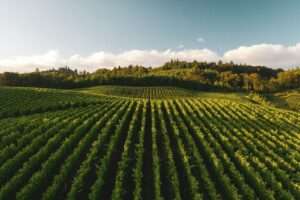
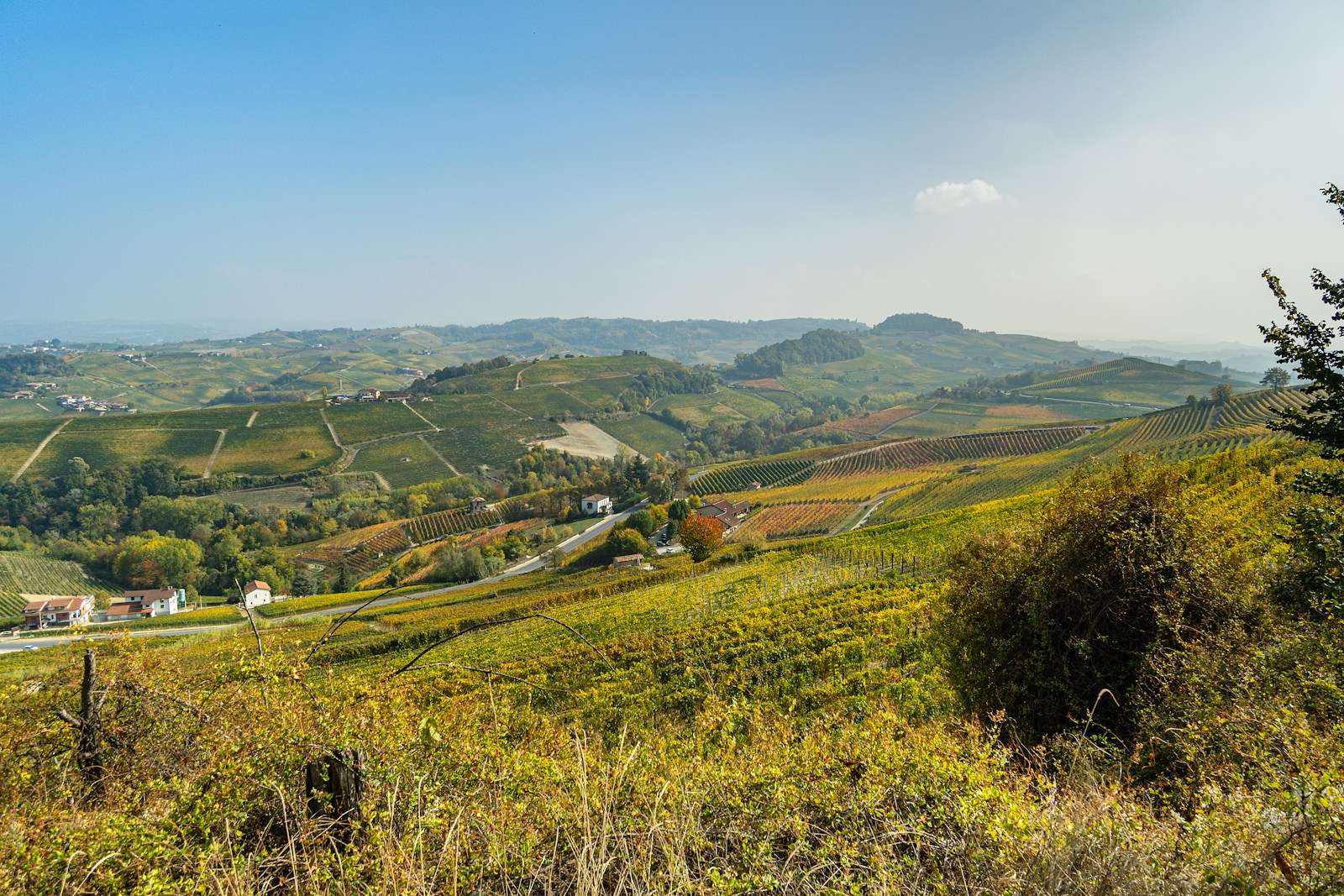
The name “Nebbiolo” likely comes from nebbia, the Italian word for fog — a nod to the thick autumn mists that roll through the Langhe hills of Piedmont when the grapes are harvested. It’s a late-ripening variety, which means it needs extended hang time on the vine to fully develop its complex flavors.
Where Nebbiolo Grows
Nebbiolo is almost stubbornly Piedmontese. Unlike grapes such as Cabernet Sauvignon or Merlot, Nebbiolo has never successfully colonized the world. Plant it in the Napa Valley or the Rhône Valley and it just doesn’t sing the same way. It seems to need the specific combination of soil, climate, and altitude found in northwestern Italy to reach its full potential.
Barolo
Barolo is the most famous Nebbiolo wine. The production zone sits in the Langhe hills south of Alba in Piedmont, and the wine must be made entirely from Nebbiolo grapes. By law, Barolo must age for at least 38 months (62 months for Riserva), with at least 18 months in oak.
There are two broad stylistic camps in Barolo: the traditionalist approach uses large Slavonian oak casks and long macerations, producing wines built for decades-long aging. The modernist approach uses smaller French barriques and shorter macerations, yielding wines that are more approachable young. Both can be extraordinary — it comes down to what you’re looking for.
Within Barolo, specific villages (called comuni) produce wines with distinct personalities. Barolo and La Morra tend toward more elegant, floral wines. Serralunga d’Alba and Castiglione Falletto produce more structured, tannic expressions.
Barbaresco
Barbaresco is Barolo’s neighbor and near-equal. The wines come from a smaller production zone northeast of Alba, and they typically show more finesse and approachability at a younger age. Minimum aging is 26 months (50 for Riserva). The villages of Neive, Treiso, and Barbaresco itself each have their own terroir signatures.
In my experience, Barbaresco often makes a better entry point to Nebbiolo than Barolo — similar complexity at slightly more accessible prices and with earlier drinkability.
Other Nebbiolo Expressions
- Langhe Nebbiolo: A lighter, earlier-drinking style made in the same hills as Barolo and Barbaresco but without the strict appellation requirements. Great for exploring Nebbiolo without the Barolo price tag.
- Roero: Across the Tanaro River from the Langhe, Roero produces Nebbiolo on sandier soils, yielding softer, more aromatic wines.
- Valtellina: In Lombardy’s alpine Valtellina valley, Nebbiolo (locally called Chiavennasca) grows on dramatic terraced slopes. The wines are lighter in body but intensely aromatic. Look for Sassella, Grumello, and Inferno subzones, plus the concentrated Sforzato (Sfursat) made from dried grapes.
- Ghemme and Gattinara: In Piedmont’s northern subalpine zones, Nebbiolo (called Spanna) blends with other local grapes to produce long-lived, distinctive reds.
Nebbiolo Flavor Profile
Nebbiolo’s flavor profile is one of the most distinctive in the wine world. It’s defined by a paradox: intensely perfumed on the nose, but austere and firm on the palate when young.
Aromas and flavors you’ll find:
- Dried rose petals and violets
- Sour cherry and red plum
- Tar (yes, literally — it’s called “tar and roses” for a reason)
- Tobacco and leather
- Earth, forest floor, truffles
- Licorice, anise, and dried herbs
- With age: figs, dates, dried fruits, forest mushrooms
Structure:
- High tannins (some of the highest in the wine world)
- High acidity
- Moderate to high alcohol
- Relatively light garnet color that becomes more orange-brick with age
This combination of high tannin and high acid makes young Nebbiolo demanding to drink with food — but paired correctly, it’s extraordinary.
How Nebbiolo Ages
Nebbiolo is one of the great aging wines of the world. This is critical to understand before you open a bottle.
A young Barolo (under 8–10 years old) can be actively difficult to enjoy — tight, tannic, and closed. Many collectors won’t open a Barolo until it’s 15+ years old. The wines can age for 30–40 years in the right cellars.
Barbaresco and Langhe Nebbiolo are more forgiving and can be enjoyed with 5–10 years of age. If you want to drink Barolo young, decanting aggressively for 2–3 hours can help open it up.
Comparing Nebbiolo Wine Styles
| Wine | Body | Tannins | Age-Readiness | Price Range |
|---|---|---|---|---|
| Langhe Nebbiolo | Medium | Medium | 2–5 years | $20–$40 |
| Barbaresco | Full | High | 8–15 years | $40–$100+ |
| Barolo | Full | Very High | 10–25 years | $50–$200+ |
| Barolo Riserva | Full | Very High | 15–30+ years | $80–$400+ |
| Valtellina Superiore | Medium-Full | Medium-High | 5–15 years | $25–$60 |
Food Pairing with Nebbiolo
Nebbiolo’s high tannins and acidity make it one of the best food wines in the world — but you need the right food. The tannins are softened and balanced by fat and protein; the acidity cuts through richness beautifully.
Best pairings:
- Braised beef and short ribs: The classic match for Barolo. The wine’s structure dissolves into the fat and collagen.
- White truffle risotto: A legendary Piedmontese combination. The earthy, umami notes in the wine mirror the truffle perfectly.
- Aged hard cheeses: Parmigiano-Reggiano, aged Pecorino, or Comté bring out the fruit in the wine while taming the tannins.
- Lamb: Roasted or braised, lamb’s fattiness handles Nebbiolo’s grip beautifully.
- Wild boar and game: Another traditional Piedmontese pairing — the gaminess echoes the wine’s earthy, savory notes.
- Mushroom dishes: Porcini pasta, mushroom ragù, or mushroom-stuffed polenta all work brilliantly.
Avoid: Light fish and delicate white meat — Nebbiolo will overwhelm them. Spicy food fights with the tannins.
How to Buy Nebbiolo
Buying Nebbiolo, particularly Barolo and Barbaresco, requires some homework. The appellation, producer, and village all matter enormously.
Look for these producers:
For Barolo: Giacomo Conterno, Bruno Giacosa, Bartolo Mascarello, Paolo Scavino, Vietti, Ceretto, Elvio Cogno, Giulia Negri.
For Barbaresco: Gaja (the most famous Piedmontese producer), Bruno Giacosa, Produttori del Barbaresco (outstanding value cooperative), Roagna, Nada Fiorenzo, Albino Rocca.
For entry-level: Produttori del Barbaresco’s Barbaresco and Langhe Nebbiolo offer exceptional quality for the price. Elvio Cogno and Vietti also make terrific Langhe Nebbiolo at accessible price points.
Vintage matters too. Great years in Barolo and Barbaresco include 2016, 2013, 2010, and 2006. These will age beautifully. More accessible recent vintages: 2019, 2018, 2017.
Nebbiolo for Corporate Wine Events
If you’re planning a team wine tasting or corporate event, Nebbiolo offers one of the most genuinely educational wine experiences available. The contrast between a Langhe Nebbiolo, a young Barbaresco, and a mature Barolo from a great vintage tells a story about how place, time, and terroir transform a single grape into something entirely different.
Myrna Elguezabal of The Wine Voyage has been guiding corporate teams through exactly these discoveries for years — building genuine wine knowledge in a setting that feels like discovery rather than a lecture. A Nebbiolo-focused tasting is particularly memorable because the wines are so distinctive and so clearly tied to a specific place. Teams leave with real knowledge and strong opinions, which is exactly what makes a tasting event worth doing.
Explore related guides: Sangiovese is Italy’s other great red grape and makes a fascinating comparison with Nebbiolo. For a broader look at bold reds, see our Cabernet Sauvignon guide and Syrah/Shiraz guide. If you’re exploring Italian wines more broadly, Tempranillo offers useful context for the Iberian side of Mediterranean wine culture. For a lighter counterpoint, Pinot Noir shows how elegance can be achieved with a very different approach.
Further Reading
For deeper dives into Nebbiolo and Italian fine wine, I recommend Wine Folly’s Nebbiolo deep dive for accessible visual learning, and Decanter’s Nebbiolo coverage for expert producer profiles and vintage guides.