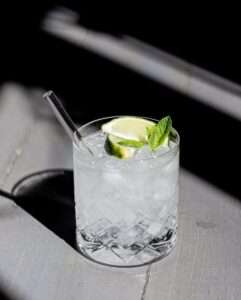
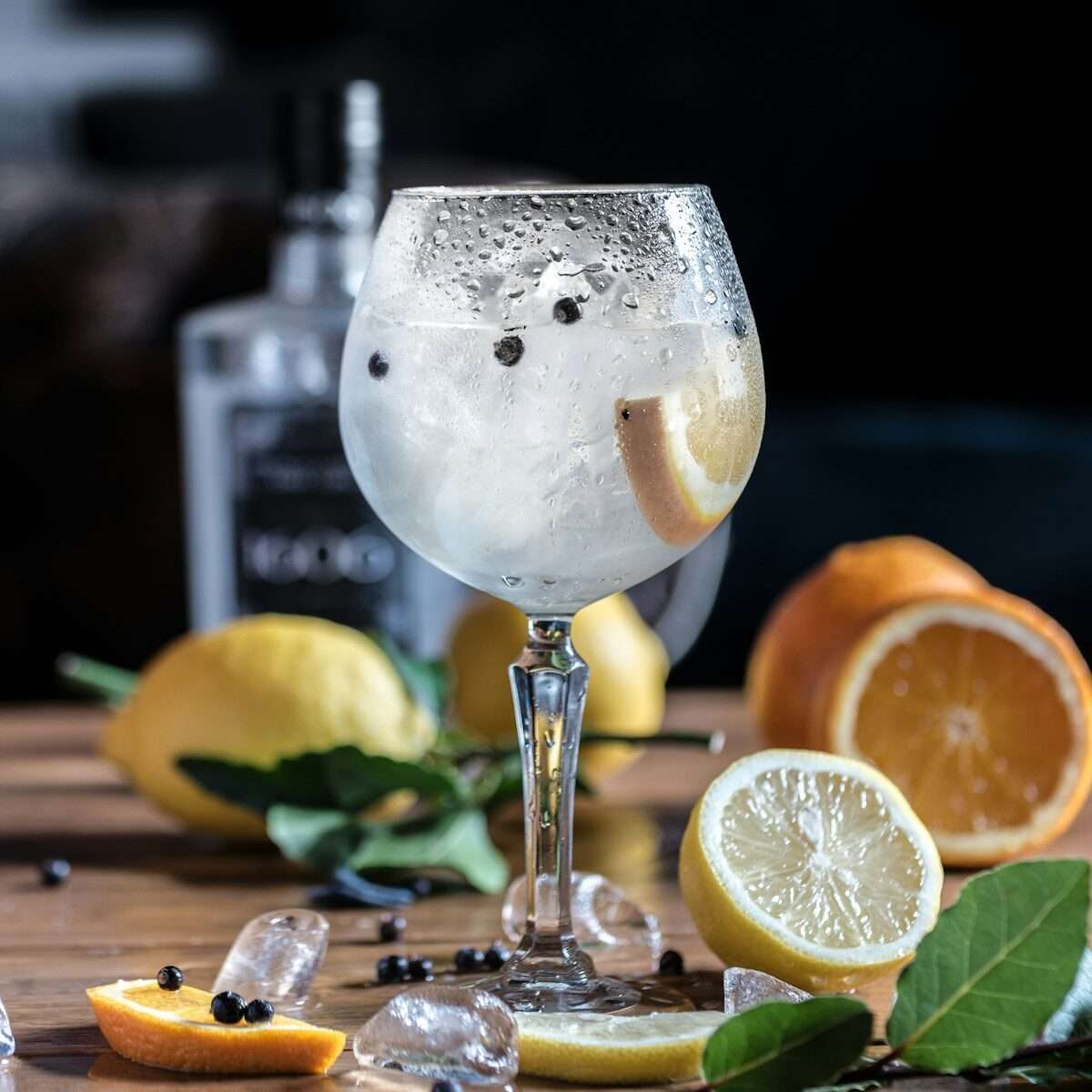
I came to gin late. For most of my twenties I associated it with a specific bad night and a specific bad decision involving a bottle of something that smelled like a pine tree fell into a swimming pool. It took a friend placing a proper glass of Hendrick’s in front of me — ice, cucumber, tonic done right — to reset my relationship with the spirit entirely.
What I discovered is that gin tasting is one of the most intellectually rich spirits experiences you can have. No two gins taste alike. The botanical complexity alone gives you more to analyze than most wines. And unlike whiskey, where age and wood drive much of the conversation, gin is about the blender’s art — what they chose to put in, and how they made those flavors coexist.
Here’s everything you need to know about gin tasting, from your first London Dry to building a proper tasting flight for a group.
What Makes Gin, Gin
Before you can taste it intelligently, you need to understand what’s in it.
Gin is a neutral spirit (usually grain-based) that’s been redistilled or compounded with botanicals, with juniper as the dominant flavor. That’s the legal definition. Beyond that, producers have enormous latitude — in the botanicals they use, the distillation method, the proofing, and the added flavors.
The result is a spirit category with more internal diversity than almost anything else behind the bar. A traditional London Dry and a contemporary floral gin share a category but almost nothing else.
The Core Botanicals
| Botanical | Flavor Contribution | Common in Which Styles |
|---|---|---|
| Juniper | Piney, resinous, herbal | All styles (required) |
| Coriander seed | Citrusy, spicy, earthy | London Dry, most classic styles |
| Angelica root | Earthy, dry, slightly musky | London Dry, Old Tom |
| Orris root | Floral, slightly powdery | Most traditional styles |
| Lemon/orange peel | Bright citrus | Contemporary, Navy Strength |
| Cassia bark | Warm spice, cinnamon-adjacent | London Dry |
| Cardamom | Complex spice, slightly floral | Contemporary, Asian-inspired gins |
| Cucumber | Cool, fresh, green | Contemporary |
| Rose petals | Floral, delicate | New Western, floral styles |
| Grains of paradise | Peppery, complex | Contemporary |
The juniper must always be detectable. Beyond that, producers layer additional botanicals — anywhere from four or five to more than forty — to create their signature profile.
The Major Gin Styles
Knowing the style before you taste helps you calibrate expectations.
London Dry
The classic. No artificial flavors, no sweetening after distillation, all botanicals added during distillation. Juniper-forward, dry, often citrusy. The benchmark: Beefeater, Tanqueray, Bombay Sapphire, Ford’s.
Old Tom
A slightly sweeter style, historically popular before refrigeration changed the availability of clean water. Old Tom bridges the gap between London Dry and Genever. It’s having a revival among cocktail bartenders. Examples: Hayman’s Old Tom, Ransom Old Tom.
Plymouth Gin
A geographical designation — only one distillery (Plymouth Gin) can use this name. Earthier and slightly less dry than London Dry. Worth seeking out if you’re building a comparative flight.
Genever (Dutch Gin)
The ancestor of modern gin. Made with a significant portion of malted grain wine, giving it a fuller, almost whiskey-like body. The juniper is present but subdued. Examples: Bols Genever, Rutte Old Simon.
New Western / Contemporary
Everything else. These gins de-emphasize juniper in favor of other botanical characteristics. Hendrick’s (cucumber and rose) is the iconic example, but the range extends from Japanese tea gins to Peruvian pisco-based gins to Japanese citrus-forward expressions.
Navy Strength
High-proof gin (57% ABV or higher) originally made to survive storage conditions at sea. The extra alcohol makes the botanicals more intense. Examples: Perry’s Tot, Hayman’s Royal Dock, Plymouth Navy Strength.
How to Actually Taste Gin
Step 1: Choose Your Glass
A tulip-shaped glass (or a Glencairn) concentrates the aromatics. Avoid wide-mouthed glasses that let the aromatics dissipate. Never use ice in the nosing glass — chill mutes the aroma.
Step 2: Pour a Small Amount and Observe
Tilt the glass and look at the color and viscosity. Most gin is clear (exceptions: aged gins and some botanical-heavy contemporary expressions). Watch the legs when you tilt — they indicate the alcohol content and texture.
Step 3: Add a Drop of Water Before Nosing
This is the step most people skip. A few drops of water open up the botanical aromas significantly. The alcohol can overwhelm the nose at full strength. Add water, swirl gently, and wait 30 seconds.
Step 4: Nose in Layers
Start with the glass about two inches from your nose. Identify the broad strokes: is it piney? Citrusy? Floral? Spicy?
Move the glass closer. What secondary notes emerge? Earth, pepper, cucumber, fruit?
Now nose again after about two minutes — the aromatics shift as the spirit opens.
Step 5: Taste Neat First
A small sip, coating your whole palate. Let it sit for five seconds before swallowing.
Ask yourself:
- Attack: What hits first? Juniper, citrus, sweetness, alcohol heat?
- Mid-palate: What develops? Spice, floral notes, earthy undertones?
- Finish: How long does it last? What lingers?
Step 6: Taste with Water
Add a small amount of room-temperature water. The botanicals often bloom differently — notes that were muted become prominent, or harsh alcohol edges soften.
Step 7: Taste in Tonic (If Applicable)
Gin and tonic is a legitimate tasting method because it’s how many people drink gin in practice. A quality tonic (Fever-Tree, 1724, Q Tonic) and a proper ratio (1:3 gin-to-tonic) lets you evaluate how the botanicals interact with the tonic’s sweetness and CO2.
The Language of Gin Tasting
Aroma Descriptors
Piney/Resinous: The classic juniper quality. Think of the forest floor after rain. Citrus: Can range from fresh-squeezed lemon to dried orange peel to bergamot. Floral: Rose, lavender, elderflower, jasmine — depends on the botanical selection. Spicy: Pepper (black and white), cardamom, cassia — warming rather than hot. Earthy: Angelica root, vetiver, beets — rooted, slightly musky. Herbal: Sage, rosemary, thyme, basil — green and aromatic. Fresh/Crisp: Cucumber, mint, green apple — clean and cooling.
Structural Terms
Dry: No residual sweetness; the classic London Dry quality. Round: Full mouthfeel, botanicals well-integrated, no harsh edges. Angular: Sharper, more assertive juniper; some heat. Complex: Multiple flavor layers that reveal themselves over time. Long finish: The flavor persists well after swallowing.
Building a Gin Tasting Flight
For groups, structure matters. Here are three flight formats that work well:
Classic Journey (5 gins, educational format)
Best for: introducing people to the gin category
- Genever (the origin)
- Plymouth (earthy and approachable)
- London Dry (the benchmark — Tanqueray or Beefeater)
- Contemporary (Hendrick’s or Monkey 47)
- Navy Strength (the extreme)
This tells a story: where gin came from, where it standardized, and where it’s going.
Regional Exploration (5–6 gins, geographic format)
Best for: spirits enthusiasts who already know gin basics
- UK: Sipsmith or Cotswolds
- Netherlands: Bols Genever
- Germany: Monkey 47 or Ferdinand’s Saar Dry Gin
- Japan: Roku or Ki No Bi
- USA: Aviation or Junipero
- Scotland: Hendrick’s or The Botanist
Botanical Theme (5 gins, one botanical variation)
Best for: more advanced tasters or food pairing contexts
Focus on how one botanical thread runs through different expressions — for example, five gins that each handle citrus differently, from restrained to exuberant.
Food Pairing for Gin Tasting
Gin’s botanical complexity makes pairing genuinely interesting:
| Gin Style | Pairs Well With |
|---|---|
| London Dry | Olives, cured meats, raw oysters, cucumber sandwiches |
| Old Tom | Aged cheeses, pâté, honey-based bites |
| Floral/Contemporary | Fresh seafood, light sushi, melon and prosciutto |
| Navy Strength | Smoked salmon, strong blue cheese, spiced nuts |
| Genever | Pickled vegetables, herring, bread and butter |
Running a Gin Tasting for Groups
A hosted gin tasting works beautifully for corporate groups, birthday parties, and any gathering where you want to give people something to talk about beyond weather and sports.
Here’s what I recommend for a 90-minute group tasting:
Setup: Five gins in opaque containers, numbered. Tasting notes sheet with prompted categories. Water, neutral crackers, and a light snack appropriate to the botanicals.
The reveal: After everyone has tasted and scored, reveal the bottles one by one. Discuss: did the group agree on the dominant botanical? Did anyone prefer the most expensive gin? (The answer is frequently no — and that’s a wonderful conversation to have.)
The comparison round: After the reveal, let people revisit their favorites with the labels known. Does knowing the origin change the perception? Usually it does, which is itself revealing.
At The Wine Voyage, we run structured spirits tastings for corporate teams that follow this format — adapted for wine, tequila and mezcal, or whiskey depending on the group’s interests. The blind format is especially effective for team building because it removes hierarchy: the job title on someone’s badge doesn’t help them identify the juniper-forward London Dry. Everyone starts equal, and the conversation that follows is almost always the best one the team has had in months.
Common Gin Tasting Mistakes to Avoid
Nosing neat at full strength: Let the spirit breathe and add water. The alcohol punches through the botanicals otherwise.
Comparing too many gins at once: More than six in a flight and the palate loses its reference points. Five is the sweet spot.
Ignoring water: Water genuinely transforms the experience. It’s not a sign of weakness; it’s tasting technique.
Using the wrong tonic: Bad tonic (syrupy, artificial) can ruin excellent gin. If you’re doing a gin and tonic comparison, use the same quality tonic for all expressions.
Rushing: Give each gin at least three to four minutes of attention. The finish matters, and it takes time to assess.
How to Start Your Gin Education
If you’re new to gin and not sure where to begin, here’s a sequenced path:
- Start with Tanqueray or Beefeater — the benchmark London Drys.
- Add Hendrick’s to understand the contemporary style.
- Try Plymouth for something earthier and more accessible.
- Move to a Navy Strength (Plymouth Navy Strength is a good bridge) to feel the proof difference.
- Explore by region: a Japanese gin (Roku), a Scottish gin (The Botanist), or a German gin (Monkey 47) each reveal how locale shapes botanical choices.
From there, the rabbit hole is very deep and very rewarding.
For more on spirits education and group tasting formats, read our guides on spirits tasting for beginners, whiskey tasting, mezcal vs tequila, and wine tasting games for groups.
Further Reading
For deep botanical research and distillery profiles, Difford’s Guide to Gin is the most comprehensive reference available online. For tasting notes and industry awards, Decanter’s spirits coverage covers the major gin producers with professional tasting language.