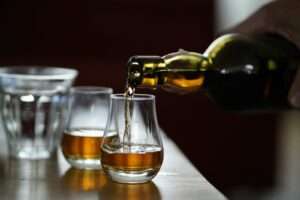
Most people drink wine. Fewer people actually taste it. That’s not a criticism — it’s just a distinction. Drinking wine means enjoying it. Tasting wine means engaging with it: noticing what’s in the glass, building vocabulary for what you’re experiencing, and using that information to make better choices next time. Once you know how to taste wine properly, every bottle becomes more interesting — even inexpensive ones.
The good news is that learning how to taste wine doesn’t require a certification or a wine cellar. It requires slowing down for about 60 seconds per glass and following a simple framework. This guide walks through that framework step by step.
Why Tasting Technique Matters
When you taste wine systematically, you’re training two things: your sensory perception and your memory. Your nose can detect over a trillion distinct odor combinations, but only if you give it time to work. Your palate can pick up tannin, acid, sugar, and alcohol — the structural elements that determine whether a wine is balanced — but only if you know what to look for.
People often say they “don’t have a good palate” or “can’t smell the difference.” In my experience, that’s almost never true. What they mean is they haven’t practiced looking for differences. The tasting framework below is essentially a guided exercise in attention. Do it consistently for a month and your perception will transform.
What You’ll Need
You don’t need fancy equipment to taste wine properly:
- A clear, stemmed glass (tulip or ISO tasting glass is ideal)
- Natural light, or a white background
- A white napkin or piece of paper to assess color
- Something to take brief notes on (your phone’s Notes app works fine)
- Ideally, a glass of water and a neutral palate (avoid strong flavors for 30 minutes before tasting)
Step 1: See — What Does the Wine Look Like?
Tilt your glass at a 45-degree angle over a white surface. Look at three things:
Color depth: Is the wine pale, medium, or deep? In red wines, deeper color often signals warmer climates, riper fruit, or thicker-skinned grapes. A pale ruby can mean Pinot Noir, Grenache, or a lighter style. A deep purple-black might be a young Syrah or Malbec.
Color hue: Look at the rim of the wine (the outer edge, where it’s thinnest). In young reds, the rim tends to be purple or ruby. As red wines age, they shift from ruby → garnet → brick → tawny. For whites: pale straw/green tones in young wines, gold in medium age, amber in older or oxidized wines.
Clarity and condition: Is the wine clear or hazy? A slight haze in an unfiltered natural wine is normal and intentional. Unexpected cloudiness in a conventional wine might signal a fault. Look for visible bubbles — even a tiny bead in a still wine can hint at slight CO₂ retention.
Viscosity (legs/tears): Swirl the glass and watch the droplets that run down the inside. Thicker, slower-moving legs suggest higher alcohol or residual sugar. Thin, quick-moving legs suggest leaner, drier wines. This isn’t a quality indicator — just information.
Step 2: Swirl — Aerate Before You Smell
Swirl the wine for 10–15 seconds. This does two things: it introduces oxygen (which opens up aromas) and it helps vaporize the aromatic compounds that your nose actually detects. Without swirling, you’re only getting a fraction of the aromatic picture.
Swirl technique: keep the glass on the table and rotate it in small circles. Once you’re comfortable, you can swirl in the air. Don’t be shy — a vigorous swirl is better than a timid one.
Step 3: Smell — The Most Important Step
This is where most of the information is. When we think we’re tasting something, we’re actually mostly smelling it. Roughly 80% of flavor perception comes from retronasal smell — the aromas that travel from your mouth up to your nose receptors as you chew or sip.
First nose: before swirling
Before you swirl, take a quick sniff. This gives you the primary aromas — often the freshest, most delicate notes that dissipate first with oxygen.
Second nose: after swirling
After swirling, put your nose into the glass (not just over it) and inhale gently and steadily for 3–5 seconds. Don’t sniff aggressively — you’ll overwhelm your receptors and smell nothing useful.
What to look for
When you’re learning how to taste wine, it helps to organize aromas into categories:
| Category | Examples |
|---|---|
| Fruit | Red fruit (cherry, raspberry, strawberry), black fruit (blackberry, plum, cassis), citrus, tropical, dried fruit |
| Floral | Rose, violet, jasmine, elderflower, orange blossom |
| Earth | Wet stone, slate, forest floor, mushroom, clay |
| Spice | Black pepper, cinnamon, clove, anise, vanilla |
| Oak | Cedar, toast, vanilla, smoke, coconut, dill |
| Other | Leather, tobacco, coffee, chocolate, cream, yeast, minerality |
You won’t identify everything. That’s fine. The goal is to notice what’s dominant, what’s subtle, and whether the aromatics seem integrated and pleasant, or sharp and off-putting.
Common wine faults to recognize
If something smells wrong, it might be a fault:
- TCA (cork taint): Musty, wet cardboard or wet dog. The wine is “corked.” Send it back.
- VA (volatile acidity): Vinegar or nail polish remover. Can be a minor note at low levels, but unpleasant when dominant.
- Oxidation: Flat, sherried, brown-apple smell in a wine that shouldn’t have those qualities.
- Reduction: Struck match, sulfur, rubber. Often dissipates with swirling and air.
Step 4: Taste — Structure and Balance
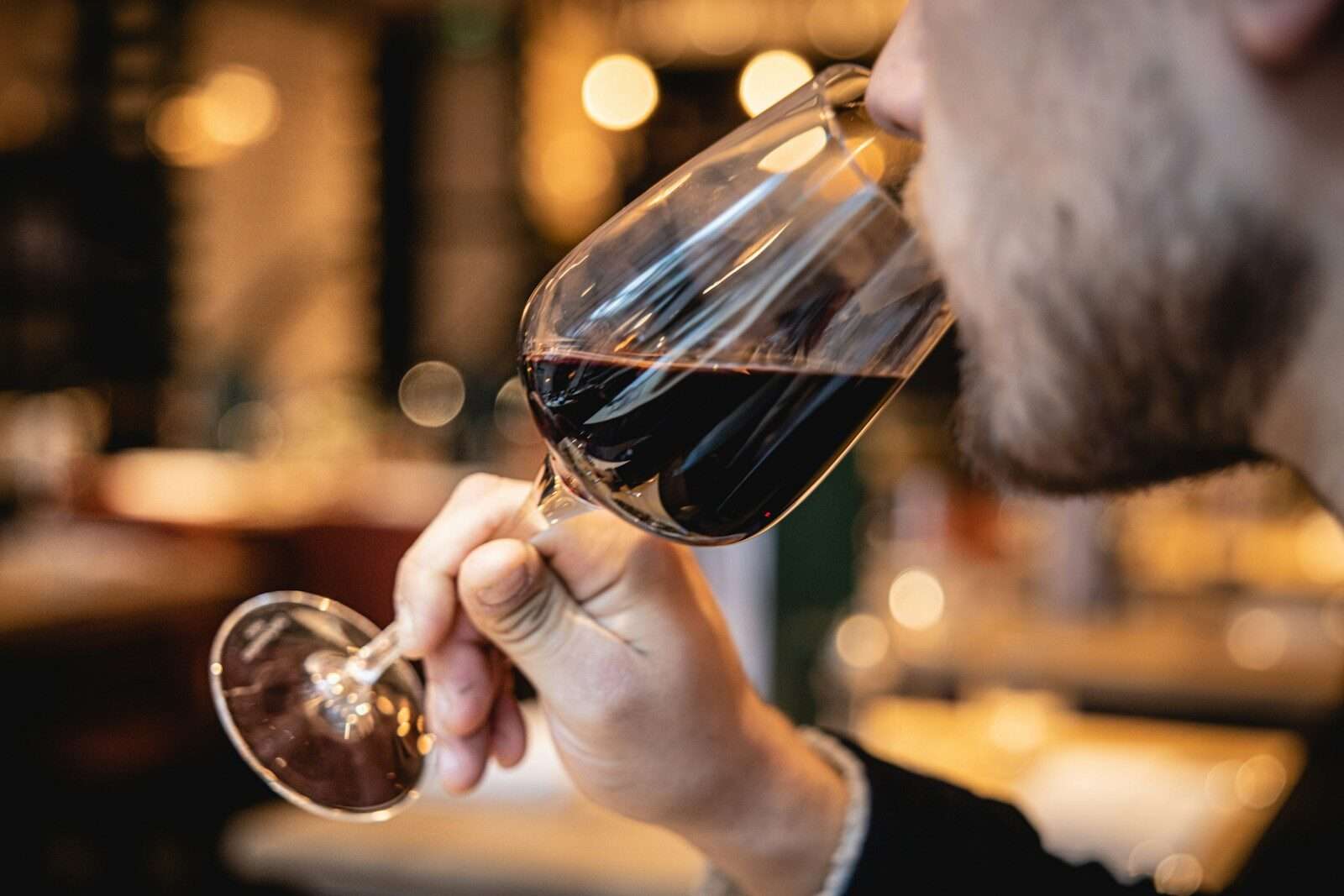
Now take a proper sip — enough to coat your whole mouth. Don’t sip politely. You need wine touching your gums, cheeks, tongue, and palate to assess its full structure.
When you’re learning how to taste wine, focus on these structural elements in order:
Sweetness
The very first impression on the tip of your tongue. Is the wine completely dry? Slightly off-dry? Noticeably sweet? Dessert sweet? Be honest — many people confuse fruit intensity with sweetness. A wine can be completely dry but seem “fruity.”
Acidity
The mouthwatering, crisp quality that makes you salivate. High-acid wines feel lively and refreshing. Low-acid wines feel flat and soft. Assess where it sits: low, medium, or high. For reference: Riesling and Sauvignon Blanc have high acidity; Viognier and Roussanne are lower acid.
Tannin (red wines and some skin-contact whites)
Tannin is the grippy, drying sensation you get in your cheeks and on your gums after swallowing. It comes from grape skins, seeds, and oak barrels. High tannin wines: young Cabernet Sauvignon, Barolo, Nebbiolo. Low tannin reds: Pinot Noir, Gamay, Grenache. Tannin is a structural element, not inherently good or bad — it depends on whether it’s balanced with fruit and acidity.
Body
How heavy does the wine feel in your mouth? Think of the difference between skim milk, whole milk, and cream — that’s the spectrum of light, medium, and full body. Body is largely a function of alcohol level (higher ABV = more body) and extract (the dissolved solids from the grapes).
| Body | Typical ABV | Examples |
|---|---|---|
| Light | < 12.5% | Pinot Noir, Gamay, Riesling, Pinot Grigio |
| Medium | 12.5–13.5% | Merlot, Sangiovese, Chardonnay, Grenache |
| Full | > 13.5% | Cabernet Sauvignon, Syrah, Viognier, oaked Chardonnay |
Alcohol
You can often sense alcohol as a warming sensation in the back of your throat and chest after swallowing. Very high-alcohol wines can feel “hot” or “heady.” This is worth noting as a structural element, especially when assessing balance.
Finish
The finish (or length) is how long the flavors linger after you swallow. A short finish fades immediately. A medium finish lasts 10–20 seconds. A long finish can persist for 30–60+ seconds. In general, longer finishes are a quality indicator — they suggest the wine has depth and complexity rather than simple front-loaded fruitiness.
Step 5: Conclude — Is It Balanced?
This is the key question in learning how to taste wine. Balance means no single element dominates in an unpleasant way. In a balanced wine:
- Acidity is high enough to keep sweetness in check
- Fruit is rich enough to stand up to tannin and oak
- Alcohol is integrated — you sense warmth, but it doesn’t burn
- The finish reflects the same flavors you found on the nose and palate
A wine can be inexpensive and balanced, or expensive and unbalanced. Balance is the foundation of quality.
Building Your Palate Over Time
Systematic tasting is a practice, not a destination. Here’s how to get better faster:
Taste comparatively. Open two bottles side by side — two different regions of the same grape (Burgundy vs. Oregon Pinot Noir), or two vintages of the same wine. Contrast sharpens perception far faster than tasting bottles in isolation.
Take notes. You don’t need to write essays. Even 3–4 words per wine, attached to the producer and vintage, builds an invaluable personal reference over time.
Taste blind. Even occasionally. Pour without looking at the label. Your analysis becomes more honest when you’re not influenced by expectations about a wine’s price or origin.
Taste with others. Different people notice different things. In a group, someone will say “I get graphite on the nose” and you’ll immediately think — yes, that’s exactly it. Other palates train yours.
Revisit your notes. Flip back through them after a month. You’ll notice your vocabulary expanding and your observations becoming more specific.
Wine Tasting as a Team Experience
One of the most effective ways to develop your palate is through structured guided tasting — and it doesn’t have to be a solo exercise. At The Wine Voyage, Myrna Elguezabal has been leading corporate wine tasting experiences for teams of all sizes and knowledge levels for over 15 years. Her events are built around exactly this framework — teaching people how to taste wine in a structured, approachable way — but with the added dynamic of discovering how differently your colleagues experience the same glass.
For teams, there’s something genuinely memorable about the moment when someone realizes they can identify an aroma they’ve never had language for before. These aren’t “hold glasses and chat” events — they’re active learning experiences. Reach out if you want to bring structured wine tasting to your next team event.
Quick Reference: The Tasting Framework
| Step | What to Assess | Key Questions |
|---|---|---|
| See | Color, depth, clarity | Young or aged? Light or full? |
| Swirl | — | Did the aromatics open up? |
| Smell | Aromas, intensity, faults | Primary fruit? Floral? Earth? Oak? |
| Taste | Sweetness, acidity, tannin, body, finish | How are the elements balanced? |
| Conclude | Overall impression | Is it balanced? Complex? How long is the finish? |
If this guide has you thinking about specific wine styles, the wine for beginners guide is a natural next step for building variety knowledge. For a closer look at structure in reds, the medium-bodied red wine guide is a good starting point. White wine drinkers should check out the Chardonnay guide and Riesling guide for detailed style breakdowns. And if you want to put the tasting framework immediately to use, try it alongside the natural wine guide — natural wines often have distinctive sensory profiles that make for excellent learning exercises.
Further Reading
To go deeper on tasting methodology, I recommend Wine Folly’s visual guide to wine tasting basics and Jancis Robinson’s introduction to wine basics — both are excellent, approachable references.