If I had to choose one French wine region to spend a week exploring, it would be the Loire Valley — no contest. It runs for over 600 miles through the heart of France, producing a staggering range of styles, from bone-dry sparkling Crémant to luscious late-harvest Quarts de Chaume. No other single appellation in the world covers so much ground, both literally and stylistically.
Loire Valley wine doesn’t dominate wine lists the way Bordeaux and Burgundy do, and that’s exactly why it rewards the curious drinker. You get serious quality at prices that still feel reasonable, and wine styles that are genuinely hard to find elsewhere.
What Makes the Loire Valley Unique
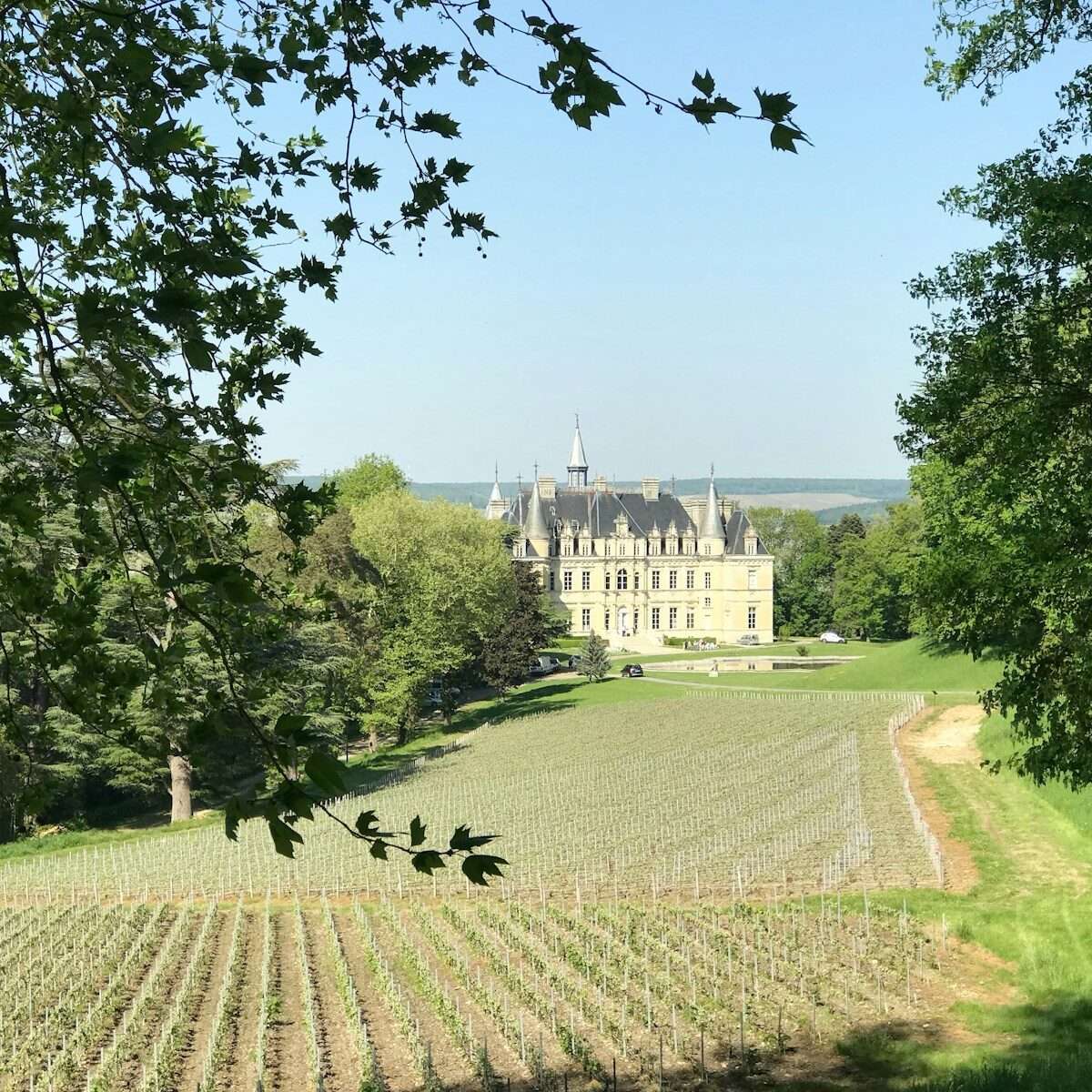
The Loire River is the longest in France, and the vineyards that line it stretch through four distinct zones: the Atlantic-influenced west, the Anjou-Saumur center, the Touraine heartland, and the continental eastern reaches where Sancerre and Pouilly-Fumé sit. Each zone has its own climate, soils, and signature grapes.
What ties Loire Valley wine together is a commitment to freshness and precision. These aren’t blockbuster wines. They’re wines built for the table — high in acidity, moderate in alcohol, expressive of terroir. In an era when many wine regions are pushing riper and bigger, the Loire holds its ground as a beacon of restraint and elegance.
The three main grape varieties you’ll encounter:
- Chenin Blanc — the soul of Anjou and Vouvray, capable of everything from steely dry whites to honeyed dessert wines
- Sauvignon Blanc — at its finest in Sancerre and Pouilly-Fumé, where it achieves a mineral precision unlike anywhere else
- Cabernet Franc — the dominant red grape, producing earthy, aromatic reds in Chinon, Bourgueil, and Saumur-Champigny
The Four Zones of Loire Valley Wine
The Western Loire: Muscadet
The Atlantic breezes define this zone. Muscadet — made from the Melon de Bourgogne grape — is the wine of oyster bars and seafood counters everywhere. The best versions carry the designation sur lie, meaning the wine spent time resting on its fermentation lees, gaining a subtle creamy texture and yeasty complexity beneath all that citrus crispness.
Muscadet is often dismissed as simple, but a well-aged Muscadet Sèvre et Maine sur lie from a committed producer like Luneau-Papin or Domaine de l’Écu can genuinely surprise you.
Anjou-Saumur: Chenin Blanc Country
This is where Chenin Blanc earns its greatest expressions. Savennières produces some of the most mineral and structured dry white wines in France. Vouvray, technically in Touraine but stylistically linked to this zone, makes dry, off-dry, sweet, and sparkling versions — all from the same grape, all from the same village, distinguished by harvest timing and producer intent.
Anjou Rouge and Saumur-Champigny are the red wine heartlands — Cabernet Franc-based wines that smell of violets, pencil shavings, and cool red fruit.
Crémant de Loire is the region’s sparkling wine, made by the traditional method from Chenin Blanc, Cabernet Franc, and Chardonnay. Excellent quality relative to price, and far less known than Champagne.
Touraine: The Versatile Middle
Touraine is the Loire’s most diverse zone. It produces Sauvignon Blanc wines (light, herbaceous, good value), Gamay reds, sparkling wines, and some of the most interesting Chenin Blanc in the valley.
Vouvray and Montlouis-sur-Loire face each other across the river, making Chenin Blanc in nearly every style imaginable. A dry Vouvray from a top producer can age for 20+ years. A late-harvest moelleux version is liquid honeycomb with a backbone of nervy acidity.
Chinon and Bourgueil are the serious red wine appellations here. Chinon tends toward more mineral and floral notes; Bourgueil leans slightly earthier and darker.
The Eastern Loire: Sancerre and Pouilly-Fumé
This is where the Loire’s most famous wines live. Sancerre and Pouilly-Fumé are made from Sauvignon Blanc grown on limestone and flint soils — the silex and terres blanches that give these wines their famous gunflint minerality.
I find these wines genuinely thrilling. They’re not the tropical Sauvignon Blancs of Marlborough — they’re tighter, more saline, more complex. A good Sancerre from Domaine Henri Bourgeois or Henri Pellé has more in common with a fine Chablis than with a New Zealand Sauvignon Blanc.
Sancerre also produces red and rosé from Pinot Noir — lighter in body than Burgundy but often charming.
Loire Valley Wine Styles at a Glance
| Style | Key Appellations | Grape(s) | Typical Profile |
|---|---|---|---|
| Dry white | Sancerre, Pouilly-Fumé, Savennières | Sauvignon Blanc, Chenin Blanc | Crisp, mineral, high acid |
| Off-dry white | Vouvray demi-sec, Montlouis | Chenin Blanc | Stone fruit, honey, nervy acidity |
| Sweet white | Quarts de Chaume, Bonnezeaux, Vouvray moelleux | Chenin Blanc | Apricot, saffron, electric acidity |
| Sparkling | Crémant de Loire, Vouvray pétillant | Chenin Blanc, Cab Franc, Chardonnay | Fresh, toasty, excellent value |
| Red | Chinon, Bourgueil, Saumur-Champigny | Cabernet Franc | Earthy, violet, graphite, medium body |
| Rosé | Anjou Rosé, Rosé d’Anjou | Cabernet Franc, Grolleau | Dry to off-dry, crisp red fruit |
| Seafood white | Muscadet sur lie | Melon de Bourgogne | Lemon zest, saline, yeasty depth |
How to Pair Loire Valley Wine
Loire Valley wine was born to pair with food — the high acidity and moderate alcohol make every style table-ready.
Muscadet: Oysters, clams, steamed mussels, light seafood pasta. This pairing is practically written into the wine’s DNA.
Sancerre and Pouilly-Fumé: Goat cheese is the classic. Warm chèvre on a salad with walnuts and honey, or a simple fromage blanc. The wine’s acidity cuts through the fat perfectly. Also excellent with asparagus, grilled fish, and cold seafood.
Chinon and Bourgueil: Pork, rabbit, duck rillettes, charcuterie. The earthiness of Cabernet Franc from the Loire loves the same earthy flavors in rustic French cooking. I’ve also had great success with lentil-based dishes and roasted mushrooms.
Vouvray (dry to off-dry): Aperitif drinking, Alsatian onion tart, mild aged cheeses. The off-dry styles work beautifully with mildly spicy dishes.
Sweet Chenin Blanc: Foie gras (one of the great classical pairings), blue cheese, almond desserts. The sweetness and acidity of Vouvray moelleux or Quarts de Chaume can stand up to the richest foods.
Buying Loire Valley Wine: What to Look For
Loire Valley wine ranges from bargain to benchmark. Here’s how to navigate:
Entry level (under $20): Muscadet sur lie, Anjou Blanc, Sancerre from a négociant, Touraine Sauvignon Blanc. All reliable and food-friendly.
Mid-range ($20–50): Village-level Sancerre, Vouvray from named producers, Chinon from single vineyards, Savennières. This is the sweet spot — excellent quality and genuine terroir expression.
Premium ($50+): Single-vineyard Sancerre (Clos du Chêne Marchand, Jadis), Quarts de Chaume Grand Cru, Coulée de Serrant, aged Savennières. These are world-class wines that deserve serious attention.
Producers to seek out: Henri Bourgeois, Domaine Vacheron, Didier Dagueneau (and now his daughter Charlotte), Nicolas Joly (Coulée de Serrant), Philippe Foreau (Vouvray), Charles Joguet (Chinon), Domaine Luneau-Papin (Muscadet).
Loire Valley Wine and the Vintage Question
Because Loire Valley wine is built on freshness, older vintages can be risky at the lower end of the range — drink Muscadet within 3–5 years. But the serious wines reward patience. A top Vouvray moelleux needs a decade to begin showing its full complexity. Savennières from a great vintage can age 20–30 years without flinching. Aged Sancerre from a great producer is a revelation that most wine drinkers never experience.
If you see older vintages of Quarts de Chaume or Bonnezeaux at auction, they’re worth exploring. These sweet Chenin Blancs are among the most age-worthy white wines in the world.
Corporate Wine Tasting Experiences
Loire Valley wine makes an exceptional theme for a team tasting event. The region’s breadth — dry whites, sparkling, reds, sweet wines — allows guests to experience real contrast within a single evening. Myrna Elguezabal and The Wine Voyage team regularly structure Loire Valley flights for corporate events, helping teams understand how terroir, grape variety, and winemaking style interact. If you’re looking for a wine tasting experience that feels genuinely educational and engaging, the Loire Valley’s diversity gives us a lot to work with.
For more on the French wine regions that shaped the Loire Valley’s neighbors, explore our Burgundy wine guide and Bordeaux wine guide. If Chenin Blanc caught your eye, our Chenin Blanc guide dives deep into the variety itself. For a broader overview of French and European wine geography, the wine regions guide is a good starting point.
Further Reading
For deeper exploration of Loire Valley wine, two authoritative sources I recommend: Jancis Robinson’s Loire Valley region guide — detailed, authoritative, and regularly updated — and Wine Folly’s Loire Valley visual overview, which is one of the clearest introductions to the region’s geography and major wines.