What Is Chenin Blanc?
Chenin Blanc is the chameleon of the white wine world. The same grape produces bone-dry still wines, lusciously sweet dessert wines, crisp sparkling wines, and everything in between. It’s one of the few varieties that does all of these things well — not by compromising, but by genuinely excelling in each style.
The grape originates in France’s Loire Valley, where it’s been grown for over a thousand years. Today, Chenin Blanc is planted across France, South Africa (where it’s the most widely grown variety, often called Steen), California, and parts of South America. But despite its breadth, it remains underappreciated by casual wine drinkers who haven’t yet found their way to it.
In my experience, Chenin Blanc is the white wine that rewards curiosity more than almost any other. Start with a dry Loire expression, then find your way to a Vouvray demi-sec or a top South African single-vineyard bottling. Each stop on that path is its own revelation.
Chenin Blanc Flavor Profile
The flavors in Chenin Blanc shift dramatically depending on style and origin, but certain threads run consistently through the grape:
Common flavor notes:
- Fruit: Quince, apple, pear, honeydew melon, peach, apricot
- Floral: Chamomile, beeswax, white flowers
- Mineral: Wet chalk, limestone, flint (especially in Loire examples)
- Oxidative (in aged styles): Honey, lanolin, dried apricot, walnut
One hallmark of Chenin Blanc is its naturally high acidity, which acts as a structural backbone across all styles. In dry wines, that acidity gives them a refreshing snap. In sweet wines, it prevents richness from becoming cloying. This is why great Chenin Blanc can age magnificently — the acid holds everything in place while the wine develops complexity over decades.
Chenin Blanc Styles Compared
| Style | Region | Sweetness | ABV | Character |
|---|---|---|---|---|
| Sec (dry) | Savennières, Anjou (Loire) | Dry | 12–14% | Mineral, taut, citrus-driven |
| Demi-sec (off-dry) | Vouvray, Montlouis (Loire) | Off-dry | 12–13% | Honeyed fruit, flowers, texture |
| Moelleux (medium-sweet) | Vouvray, Coteaux du Layon | Medium-sweet | 11–13% | Peach, quince, rich mouthfeel |
| Liquoreux (very sweet) | Quarts de Chaume, Bonnezeaux | Very sweet | 10–13% | Botrytis honey, apricot jam, exotic spice |
| Pétillant/Sparkling | Saumur Mousseux, Crémant de Loire | Dry to off-dry | 12% | Brioche, green apple, tart finish |
| Dry still (South Africa) | Swartland, Stellenbosch | Dry | 12–14% | Tropical fruit, quince, waxy texture |
That range — from austere mineral dry to intensely honeyed sweet — is what makes Chenin Blanc so fascinating and occasionally confusing to navigate. The label doesn’t always tell you which style you’re getting, so it helps to know the regions.
Key Chenin Blanc Regions
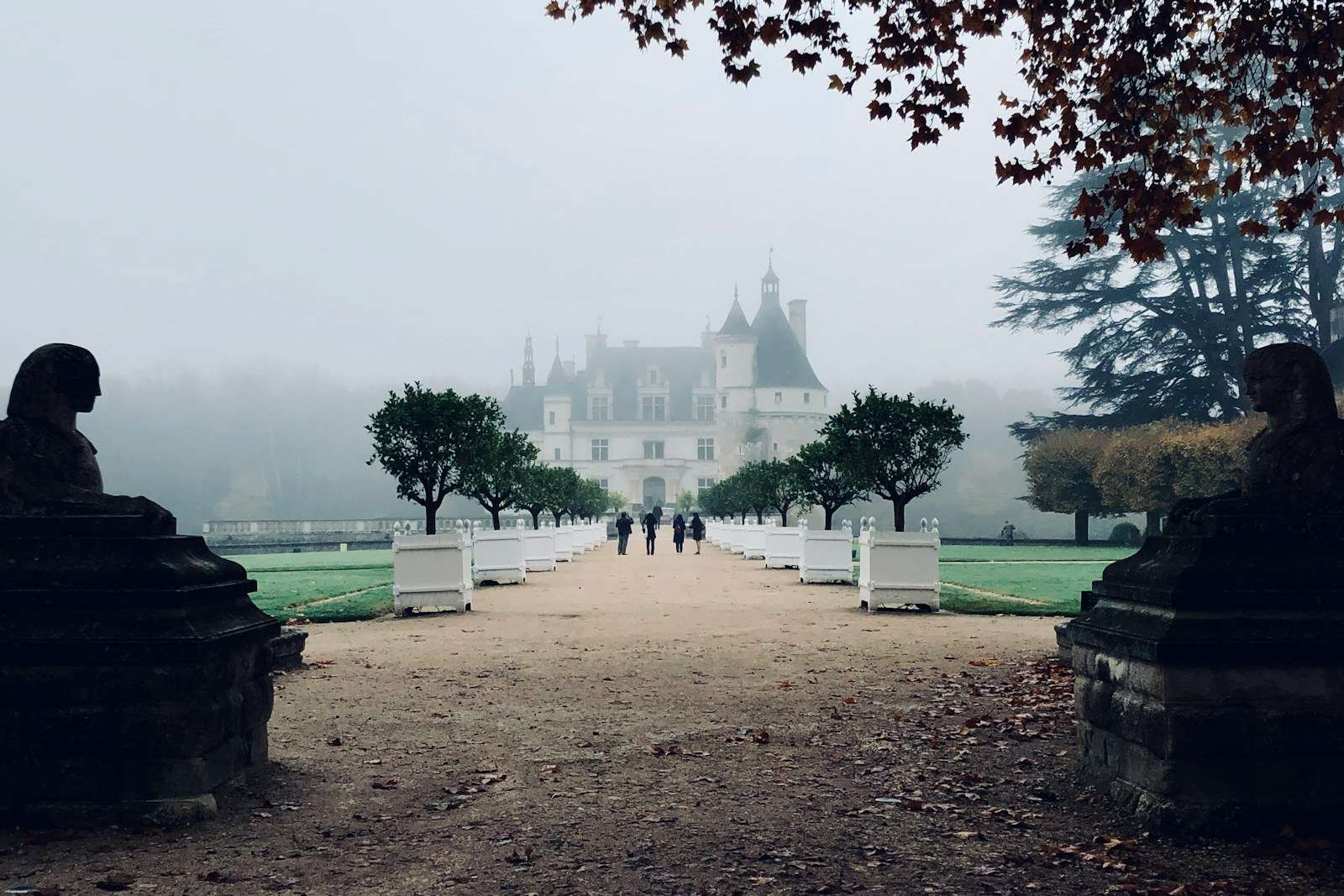
Loire Valley, France
The Loire is Chenin Blanc’s spiritual home, and several appellations here produce wines that are considered among France’s finest:
Vouvray: The most famous Chenin Blanc appellation. Wines range from bone-dry (sec) to syrupy sweet (moelleux), and even sparkling. The chalky tufa soils contribute a distinctive mineral quality. Top producers like Domaine Huet and François Pinon are benchmarks of the style.
Savennières: The place for dry Chenin Blanc. These wines are tight, mineral, and sometimes austere when young — they need five or more years to open up fully. Coulée de Serrant, a single-vineyard wine produced by Nicolas Joly using biodynamic methods, is one of France’s most legendary white wines.
Coteaux du Layon and Quarts de Chaume: Sweet Chenin Blanc territory. Botrytis (noble rot) concentrates the grapes into lush, honeyed wines that rival Sauternes in quality. Quarts de Chaume was elevated to Grand Cru status in 2011 — a recognition long overdue.
Montlouis-sur-Loire: The quieter neighbor to Vouvray across the river. Similar styles, similar soils, but often at better prices. Worth exploring.
South Africa — Swartland, Stellenbosch, and Franschhoek
South Africa has become the most exciting place for Chenin Blanc outside the Loire. The variety accounts for nearly 20% of all South African plantings, and a generation of younger winemakers has elevated it dramatically.
The Swartland, a warm, wind-swept region north of Cape Town, has become ground zero for serious South African Chenin Blanc. Old-vine bush vines planted on granite and schist soils produce wines with a tropical fruit richness balanced by waxy texture and surprising freshness. Producers like Eben Sadie, Mullineux Family Wines, and AA Badenhorst have built world-class reputations here.
In my experience, South African Chenin Blanc is one of the best value propositions in the world of white wine. You’re often getting wine that rivals top Loire examples at a fraction of the price.
California
California grows more Chenin Blanc than most people realize, though much of it goes into blending or bulk wine. A handful of producers — particularly in Clarksburg and the Sierra Foothills — make honest, varietally-correct expressions. They tend to be approachable and fruit-forward, leaning into the tropical and melon notes of the grape.
How Chenin Blanc Ages
If you want to understand why wine collectors get excited about Chenin Blanc, you need to taste an aged example. The wine’s natural acidity and the mineral structure of Loire-grown examples make them exceptional candidates for long cellaring — often 20, 30, even 50 years.
A young dry Savennières can be almost brutal in its austerity. Give it a decade and it transforms: the mineral notes soften into lanolin and beeswax, the fruit gains a honeyed quality without losing freshness, and the whole wine becomes something much more complex than it was.
Sweet Vouvray moelleux from great vintages (1997, 2002, 2005, 2018) can age 40–50 years and emerge still vibrant. It’s a remarkable demonstration of what high acidity can do for a wine’s longevity.
Food Pairing for Chenin Blanc
Chenin Blanc’s versatility makes it one of the most pairing-friendly whites in the wine world. The style you choose determines the match:
Dry Chenin Blanc:
- Goat cheese (especially Loire chèvre — a classic regional pairing)
- Grilled fish, particularly sole, trout, or turbot
- Chicken roasted with herbs
- Risotto, mushroom dishes
- Vegetables — asparagus, artichoke, endive
- Sushi and sashimi (the crisp acidity works beautifully)
Off-dry / demi-sec Chenin Blanc:
- Pork with fruit sauces — apple, apricot, quince
- Spicy Thai or Vietnamese dishes (the residual sugar tempers the heat)
- Mild blue cheese or brie
- Roasted root vegetables
Sweet Chenin Blanc:
- Foie gras
- Stone fruit tarts, apple desserts
- Aged hard cheese (Comté, aged Gouda)
- Blue cheese with honey
One of the most reliable pairings I’ve encountered: a dry South African Chenin Blanc with a simple roast chicken. The waxy texture and bright acidity cut through the fat while the fruit notes complement the savory herbs. It’s a weeknight dinner pairing that feels like a proper occasion.
How to Choose a Chenin Blanc
Shopping for Chenin Blanc requires a bit of label literacy. Here’s a quick framework:
- If you want dry: Look for Savennières, Anjou Blanc Sec, or South African Chenin Blanc labeled as “dry” or under 4g/L residual sugar
- If you want off-dry: Vouvray or Montlouis (these are often off-dry without specifying it — check back labels)
- If you want sweet: Coteaux du Layon, Quarts de Chaume, Bonnezeaux, or Vouvray Moelleux/Liquoreux
- If you want sparkling: Crémant de Loire or Saumur Mousseux
When in doubt, look at alcohol content as a proxy for sweetness: lower ABV (10.5–12%) typically signals sweeter styles; higher ABV (13–14%) usually means drier.
Chenin Blanc for Group Wine Tastings
Chenin Blanc is a genuinely interesting wine to taste in a group setting — particularly when you can show multiple styles side by side. The range from dry to sweet, from Loire to South Africa, creates natural conversation. People who think they don’t like dry white wine often discover they love it through Chenin Blanc, while those who dismiss sweet wine as simple are often converted by a great moelleux.
At The Wine Voyage, Myrna Elguezabal has found that versatile, story-rich varietals like Chenin Blanc work especially well for corporate wine tastings. The wine has enough variation to keep seasoned wine drinkers engaged while remaining approachable for newcomers. A flight of three styles — dry Loire, off-dry South African, and a sweet botrytised version — gives any team a genuine tasting journey within a single grape. It’s the kind of experience that sticks with people, and that’s exactly what makes it valuable for team-building and client entertainment.
Recommended Bottles
For a first Chenin Blanc: A dry South African bottle from Swartland — look for Mullineux Kloof Street Chenin Blanc or Ken Forrester Chenin Blanc. Great value, easy to find.
Classic Loire dry: Marc Brédif Vouvray Sec, or for a step up, anything from Domaine Huet.
Off-dry Loire: Domaine Huet Vouvray Demi-Sec Le Mont — a benchmark wine.
Sweet Loire: Domaine des Baumard Quarts de Chaume — if you can find it, this is a great sweet wine by any standard.
Related reads: Riesling, Chardonnay, Sauvignon Blanc, natural wine, orange wine, Grüner Veltliner, and our guide on how to read a wine label — useful when navigating Loire appellations.
Further Reading
Two excellent resources to go deeper on Chenin Blanc: Jancis Robinson’s Chenin Blanc overview covers the full global picture with characteristic depth, and Decanter’s Chenin Blanc guide includes regional maps and producer recommendations worth bookmarking.