Why Napa Valley Wine Still Matters
Napa Valley wine has a reputation problem among some wine drinkers — it’s seen as expensive, obvious, and a bit status-driven. I understand the criticism, but I think it undersells what Napa actually is: one of the world’s great wine regions, producing Cabernet Sauvignon that genuinely rivals anything from Bordeaux, at a range of price points that don’t always require a mortgage.
At its best, Napa Valley wine is bold, structured, and generous — wines that reward both immediate drinking and patient aging. Understanding why requires knowing a bit about the geography, the sub-regions, and the range of producers working there today.
A Brief History of Napa Valley Wine
Napa Valley has been producing wine since the 1850s, but its modern reputation was forged in a single event: the 1976 Paris Tasting, organized by British wine merchant Steven Spurrier. In a blind tasting, a panel of French judges ranked a 1973 Stag’s Leap Wine Cellars Cabernet Sauvignon first among red wines, above celebrated First Growths from Bordeaux. The result shocked the wine world and put Napa Valley wine on the international map permanently.
Since then, Napa has attracted significant investment, elevated land prices to some of the highest in the world (a prime vineyard acre in Oakville can exceed $500,000), and built a wine tourism industry that draws millions of visitors annually. The region now produces around 4% of California’s wine by volume but a far higher percentage of its value.
The Geography of Napa Valley
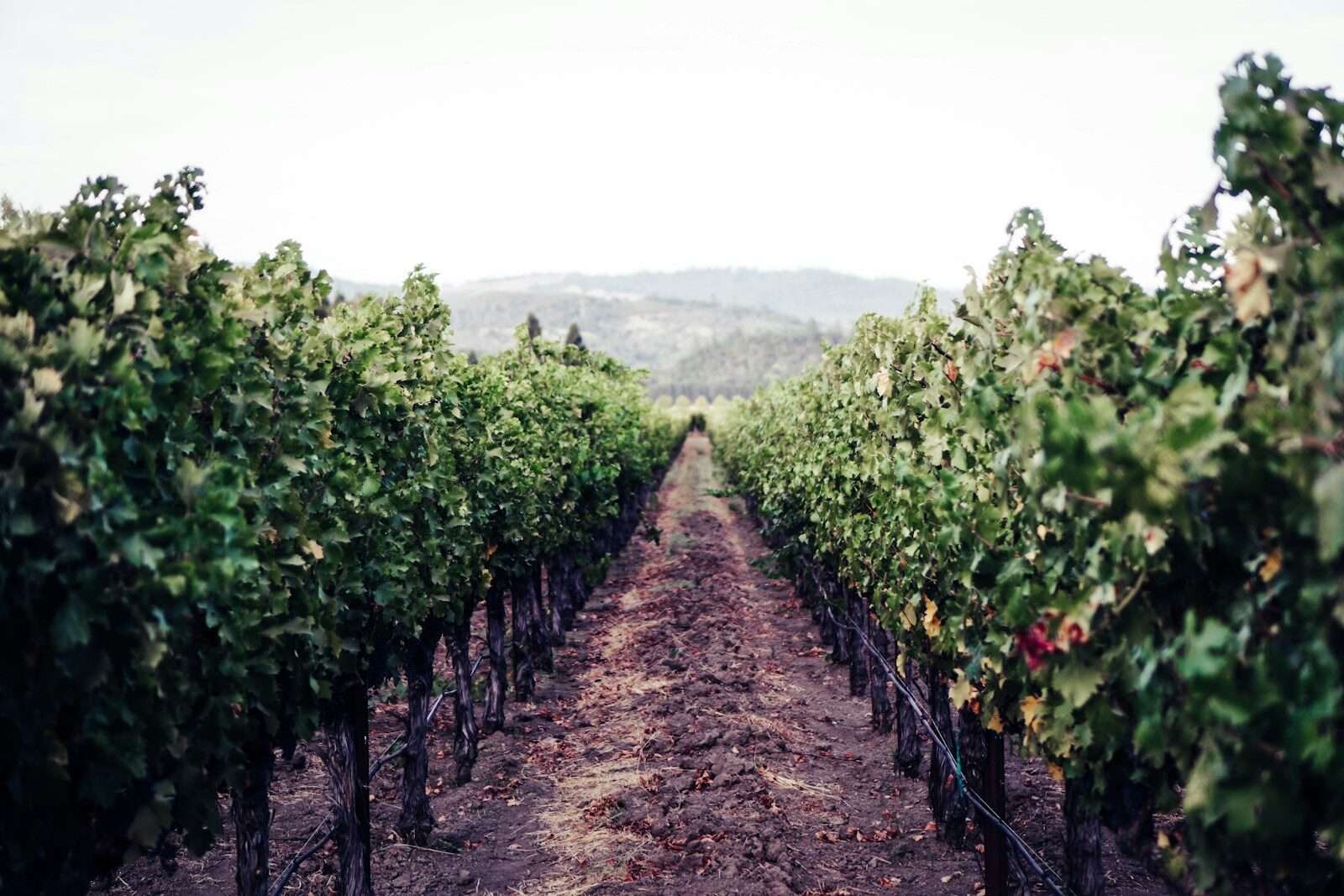
Napa Valley runs roughly 30 miles from San Pablo Bay in the south to Mount St. Helena in the north. The valley is narrow — rarely more than five miles wide — which concentrates its AVAs (American Viticultural Areas) and makes sub-regional differences more legible than in broader appellations.
The key geographic factor is the bay influence at the southern end. Morning fog rolls in from San Pablo Bay, cooling the southern sub-regions dramatically before it burns off by midday. This creates longer growing seasons with more gradual ripening in Carneros and southern Napa — ideal for Chardonnay and Pinot Noir. As you move north toward Calistoga, the bay influence diminishes, temperatures rise, and Cabernet Sauvignon dominates.
The valley floor sits alongside hillside and mountain AVAs that offer fundamentally different growing conditions: thinner soils, greater temperature swings between day and night, and fruit with smaller berries and more concentrated flavor.
Napa Valley’s Sub-Regions (AVAs)
Napa Valley contains 16 official sub-AVAs. These are the most important ones to know:
| Sub-AVA | Location | Key Grapes | Character |
|---|---|---|---|
| Carneros | Southern tip | Chardonnay, Pinot Noir | Cool, fog-influenced, elegant |
| Stags Leap District | Mid-valley east | Cabernet Sauvignon | Plush, velvety, approachable |
| Oakville | Mid-valley | Cabernet Sauvignon | Rich, structured, complex |
| Rutherford | Mid-valley | Cabernet Sauvignon | Earthy “Rutherford Dust,” firm tannins |
| St. Helena | Upper mid-valley | Cabernet Sauvignon, Merlot | Full-bodied, generous |
| Calistoga | Northern end | Cabernet Sauvignon | Powerful, intense |
| Howell Mountain | Eastern hills | Cabernet Sauvignon | Tannic, concentrated, ageworthy |
| Diamond Mountain | Western hills | Cabernet Sauvignon | Structured, mineral, long-lived |
| Spring Mountain | Western hills | Cabernet Sauvignon | Rustic, earthy, complex |
| Mount Veeder | Southwestern hills | Cabernet Sauvignon, Zinfandel | Lean, intense, mineral |
The mid-valley floor AVAs — Oakville and Rutherford especially — produce some of the most celebrated Napa Valley wines. The hillside AVAs tend toward wines that are more structured and austere in youth, requiring longer aging, but rewarding patience with exceptional complexity.
Grapes of Napa Valley
Cabernet Sauvignon
This is Napa’s signature grape and the reason for most of its fame. Napa Valley Cabernet at its best offers black currant, cassis, dark plum, cedar, and tobacco, with a structure that allows 10–20 years of aging in top vintages. Across the valley’s sub-regions, you’ll find everything from the plush, approachable style of Stags Leap to the firm, structured mountain fruit of Howell Mountain.
Price range: $30 (entry-level) to $400+ (cult wines like Screaming Eagle, Harlan Estate)
Chardonnay
Especially in Carneros and the cooler southern zones, Napa produces serious Chardonnay — fuller-bodied than Burgundy but with genuine complexity. Expect ripe apple, pear, citrus, and often toasty oak influence. Robert Mondavi, Grgich Hills, and Far Niente are benchmark producers.
Price range: $25–$100
Merlot
Post-Sideways reputation aside, Napa Merlot can be exceptional — plush and approachable, with ripe plum, chocolate, and soft tannins. Duckhorn Vineyards in St. Helena essentially wrote the modern playbook for quality American Merlot.
Price range: $30–$150
Sauvignon Blanc
Often labeled as Fumé Blanc (a style popularized by Robert Mondavi), Napa Sauvignon Blanc tends toward riper, rounder, and more textural than its New Zealand counterparts — less grassy, more stone fruit and melon.
Price range: $20–$60
Zinfandel
Though not Napa’s calling card, some excellent Zinfandel comes from older vines in warmer zones. Full-bodied, jammy, and often high in alcohol, it’s a distinctly Californian expression of the grape.
Napa Valley Wine Styles: Old Guard vs. New Wave
Napa Valley wine went through a stylistic debate over the past two decades that’s worth knowing about. The “Parker era” of the late 1990s and 2000s rewarded wines with extremely ripe fruit, high alcohol, and heavy oak — wines scoring 100 points but sometimes difficult to drink with food. The backlash produced a new wave of Napa producers pursuing more restrained, food-friendly, terroir-driven wines.
Today, Napa has room for both approaches. Producers like Ridge, Stony Hill, and Corison have long made structured, food-centric wines. Newer producers like Matthiasson, Arnot-Roberts, and Cobblers Knob are explicitly working in a leaner, lower-alcohol style. Meanwhile, houses like Opus One and Caymus continue their grander, more opulent approach. The diversity of options is genuinely exciting.
What to Buy: A Tier-by-Tier Guide
Under $40 — Everyday Napa Cabernet: Stag’s Leap Wine Cellars Hands of Time, Louis Martini Napa Cabernet, and Swanson Vineyards Alexis are reliable producers at this level. Expect approachable fruit without the complexity of higher-priced bottles.
$40–$80 — Quality Napa Cabernet: This is where Napa becomes genuinely exciting. Duckhorn Napa Cabernet, Jordan (technically Sonoma but Napa-style), Cliff Lede Claret, and Cakebread Cabernet all offer real quality. White wines from Grgich Hills and Stony Hill are exceptional values in this range.
$80–$200 — Premium Napa Cabernet: Far Niente, Shafer One Point Five, Stag’s Leap Wine Cellars Cask 23, Beringer Private Reserve, and Heitz Cellar Trailside Vineyard. These are wines that will age 15–25 years in good vintages.
$200+ — Prestige Napa Cabernet: Opus One (Mondavi/Mouton collaboration), Dominus, Joseph Phelps Insignia, Caymus Special Selection, Stag’s Leap Wine Cellars SLV. These are benchmarks of the appellation.
Visiting Napa Valley
Napa Valley wine tourism is a well-developed industry. A few practical notes:
Most top wineries require reservations, often weeks in advance for high-demand producers. Tasting fees have risen dramatically — $50–$150 per person is common at prestige estates, though smaller producers often charge less.
The harvest period (late August through October) is the most atmospheric time to visit, with active cellar operations and the scent of fermentation in the air. Spring (April–May) is beautiful and less crowded. Summer weekends can be very busy.
Highway 29 runs through the heart of the valley and connects most major wineries. The Silverado Trail on the eastern side of the valley offers a less congested alternative with excellent producers.
Napa Valley Wine for Team Experiences
Napa Valley wine is one of the most recognizable entry points for people new to wine appreciation. The names are familiar, the styles are accessible, and the story — from the Paris Tasting to today’s diversity of producers — gives an experience real narrative structure.
At The Wine Voyage, Myrna regularly builds corporate tasting events around California wine, comparing Napa Valley Cabernet Sauvignon across sub-regions or against Old World counterparts to demonstrate how geography shapes flavor. For teams that include wine novices alongside enthusiasts, Napa’s accessibility makes it an ideal anchor for a tasting event. There’s enough complexity for the experienced palates and enough immediate pleasure for everyone else.
If your organization is planning an event in California — or simply wants a focused, educational tasting experience — a Napa Valley wine flight is one of the most reliable formats we know.
Explore more wine region guides: our Bordeaux wine guide, Burgundy wine guide, and wine regions overview place Napa in global context. Our Cabernet Sauvignon guide goes deeper on the grape that defines the valley.
Further Reading
For authoritative coverage of Napa Valley wine, Decanter’s Napa Valley guide covers producers and vintages in depth, and Wine Folly’s Napa Valley overview offers excellent visual maps of the sub-AVAs and grape varieties.