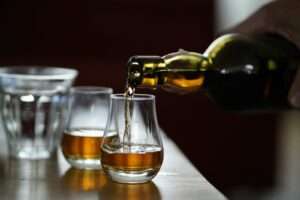
I remember the first time someone handed me a glass of single malt Scotch and said, “Just taste it.” I had no idea what I was doing. I sipped, I nodded, I said “smoky” — and I was pretty proud of myself. Years later, running spirits tasting experiences for corporate teams, I realize how much richer that moment could have been with just a little guidance.
Spirits tasting is one of the most accessible sensory skills you can develop — and one of the most enjoyable. Whether you’re at a bar, a dinner party, or a team-building event, knowing how to engage with what’s in your glass transforms a drink into an experience.
This guide covers the essentials: what to look for, how to build your palate, and how to get the most out of every spirits tasting session.
What Is Spirits Tasting (and Why Does It Matter)?
Spirits tasting is the intentional practice of evaluating distilled beverages — whiskey, tequila, mezcal, rum, gin, brandy, and more — using your senses of sight, smell, taste, and finish.
Unlike casual drinking, spirits tasting slows you down. It encourages you to notice what’s actually in the glass rather than just how it makes you feel afterward.
For beginners, structured tasting does two important things:
- It builds vocabulary. Once you can name what you’re tasting — vanilla, dried fruit, pepper, smoke — you can communicate with bartenders, shop owners, and fellow enthusiasts.
- It reveals personal preference. Tasting intentionally teaches you what YOU actually enjoy, which makes every future spirits purchase smarter.
The Essential Equipment for Spirits Tasting
You don’t need much, but a few tools make a real difference.
| Item | Why It Matters |
|---|---|
| Tulip or Glencairn glass | Concentrates aromas, essential for nosing |
| Water dropper or pipette | Adding a drop opens up the spirit |
| Tasting mat or notebook | Records impressions while they’re fresh |
| Plain crackers or bread | Neutralizes the palate between pours |
| Room-temperature water | Stay hydrated, cleanse between samples |
Avoid wide-brimmed glasses like wine glasses or tumblers for serious spirits tasting — they let aromas dissipate before you can catch them. A Glencairn glass or a small tulip-shaped glass is ideal for most spirits.
The Four-Step Framework for Tasting Any Spirit
Whether you’re tasting a 12-year bourbon or a joven mezcal, the same framework applies.
1. Look: Color and Clarity
Hold the glass up to natural light. What color is it?
Clear spirits (gin, vodka, unaged tequila) tell you about filtration and distillation. Amber and golden spirits (whiskey, aged rum, añejo tequila) reveal barrel influence. Deeper color often — but not always — indicates longer aging.
Swirl gently and watch the “legs” or “tears” that run down the glass. Thick, slow legs indicate higher alcohol or residual sugar.
2. Nose: Smell Before You Sip
This step is where beginners make their biggest mistake. They put the glass directly under their nose and inhale deeply. With a high-proof spirit, this numbs your nasal passages before you even taste anything.
Instead:
- Keep the glass a few inches from your nose initially
- Take short, gentle sniffs
- Alternate between both nostrils
- Let your brain identify layers: first the alcohol hit, then fruit or grain, then spice or smoke underneath
Give it 30–60 seconds. The nose evolves. What you smell first often isn’t what you smell on the third pass.
Common aromas to look for:
Grain/baking notes: bread, malt, corn, rice Fruit notes: citrus, stone fruit, dried fruit, banana Wood/barrel notes: vanilla, caramel, coconut, charcoal Spice notes: pepper, cinnamon, clove, anise Earthy/terroir notes: smoke, leather, earth, herbs
3. Taste: First Sip, Second Sip
Your first sip is almost always about the alcohol. Let a small amount rest on the front of your tongue for a few seconds before swallowing. This “palate coating” sip prepares your mouth for what comes next.
Your second sip is where the real spirits tasting begins. Let it move across your whole tongue:
- Front: sweetness
- Sides: acidity and salt
- Back: bitterness
Notice texture (oily, thin, creamy) and any flavor shifts as it moves through your mouth.
Adding water: A single drop of still water can dramatically open a high-proof spirit. It slightly lowers the alcohol level, which lets more volatile aromatic compounds reach your nose. Try a pour neat first, then add one drop and taste again — the difference is often remarkable.
4. Finish: The Aftertaste
Swallow and pay attention to what’s left behind. The finish is one of the most telling qualities in any spirit.
- Length: Does the flavor disappear immediately, or does it linger for 30+ seconds?
- Quality: Is the finish warming, dry, spicy, sweet?
- Evolution: Does the finish change over time, or stay the same?
Long, complex finishes are generally considered a mark of quality — though not everyone prefers them.
Spirits Tasting by Category
Whiskey / Whisky
The most popular category for structured spirits tasting. Major styles vary enormously:
| Style | Origin | Key Flavors |
|---|---|---|
| Scotch Single Malt | Scotland | Smoke, peat, dried fruit, maritime notes |
| Bourbon | Kentucky, USA | Caramel, vanilla, corn sweetness, oak |
| Irish Whiskey | Ireland | Light, smooth, floral, lightly fruited |
| Japanese Whisky | Japan | Delicate, balanced, floral, subtle oak |
| Rye Whiskey | USA/Canada | Spicy, dry, pepper-forward |
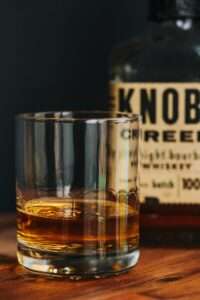
Bourbon is often the best entry point for beginners — its vanilla and caramel notes are approachable and recognizable, making them easy to identify and describe.
Tequila
A premium tequila tasting reveals far more nuance than most people expect. The agave plant itself has distinct flavor: vegetal, mineral, slightly sweet. Aging transforms that character:
- Blanco/Silver: Unaged or minimally rested. Bright, grassy, citrusy. The purest expression of agave.
- Reposado: Aged 2–12 months in oak. Agave character meets subtle caramel and vanilla.
- Añejo: Aged 1–3 years. Rounder, more complex, with clear barrel influence.
- Extra Añejo: 3+ years. Deep amber, whiskey-like richness.
Tequila tasting is a natural gateway for people who think they “don’t like” tequila — that reaction is almost always to low-quality, mixto products rather than 100% agave.
Mezcal
Mezcal is to tequila what craft beer is to mass-market lager — a world unto itself. Made from various agave species (not just blue agave), often using traditional production methods including wood-fired roasting of the piñas.
What you’ll find:
- Smoke: The hallmark of most mezcals, ranging from subtle to campfire-forward
- Fruit and florals: Espadín (the most common agave) is surprisingly fruity and floral beneath the smoke
- Earthiness: Mineral, clay, and herbal notes from the terroir and production
Mezcal spirits tasting sessions tend to generate the liveliest discussions — the flavors are polarizing and interesting.
Rum
Often overlooked in serious spirits tasting circles, rum has extraordinary range:
- White/Silver rum: Light, clean, slightly sweet
- Gold/Amber rum: Lightly aged, vanilla and brown sugar
- Dark rum: Rich molasses, dried fruit, spice
- Aged agricole rum: Grassy, funky, complex — made from fresh sugarcane juice rather than molasses
Gin
The most botanically diverse category. Gin starts with a neutral spirit and is redistilled with botanicals — juniper is required, but beyond that, distillers use dozens of ingredients.
Contemporary spirits tasting panels love gin because the flavor profiles are so distinct and approachable — even non-drinkers can identify citrus, floral, and herbal notes readily.
How to Build Your Palate Over Time
Structured spirits tasting is a skill, and like any skill, it improves with practice. A few principles to accelerate the process:
Taste in flights, not isolation. Comparing two or three spirits side by side reveals differences you’d miss tasting each alone. Try three bourbons at different price points, or three tequilas of different ages.
Take notes. Even rough notes — “cherry, warm finish, liked this” — build memory faster than tasting without recording.
Don’t ignore context. Temperature, glassware, time of day, and what you just ate all influence perception. A spirit you loved at a tasting event may taste different at home. That’s not failure — it’s part of the learning.
Trust your reactions. There are no wrong answers in spirits tasting. “I taste bubblegum” might sound odd, but isoamyl acetate in many spirits genuinely produces that note. Your palate is valid.
Spirits Tasting as a Group Experience
Everything above is richer when you do it with other people. Group spirits tasting sessions amplify the learning because:
- You hear flavor descriptors you’d never have thought of yourself
- Disagreement (and discovery) creates memorable moments
- Social accountability means you actually slow down and pay attention
This is why spirits tasting has become one of the most popular team-building formats for corporate groups. When I run a Blind Tasting Competition or a Tequila & Mezcal Experience for a corporate team, I see people who barely know each other bonding over whether something “smells like vanilla or more like butterscotch.” The shared focus creates connection.
At The Wine Voyage, we design experiences where spirits tasting is the framework for conversation and collaboration — not just a drinking exercise. Teams taste blind, form opinions, defend them, and discover together. That experience is categorically different from happy hour.
Whether your team is seasoned whiskey enthusiasts or complete beginners, a facilitated spirits tasting experience meets people where they are and gives everyone a way in.
Common Beginner Mistakes to Avoid
Over-nosing at full strength. High ABV spirits will numb your nose. Approach from a distance first, or add water.
Rushing. Most beginners take a sip and immediately move on. The finish deserves at least 30 seconds of attention.
Comparing to cocktails. If your only reference point for tequila is a margarita, neat tequila will taste strange. Adjust your expectations — you’re tasting an ingredient, not a mixed drink.
Writing off a whole category. “I don’t like whiskey” usually means “I once had a bad blended Scotch at a wedding.” Reserve judgment until you’ve explored the category more broadly.
Starting Your Spirits Tasting Journey
The best first step is to pick one category and go three bottles deep. If you’re curious about bourbon, try an entry-level, mid-range, and premium expression side by side. The contrast teaches you more than reading ten articles ever could.
From there, attend a structured tasting event when you can. The guided format — where someone helps you know what to look for — accelerates development significantly. In-person group tastings, whether social or professional, remain the fastest path from beginner to confident palate.
If you enjoy structured tasting experiences with your team, explore The Wine Voyage’s Blind Tasting Competition, Tequila & Mezcal Experience, and guided mezcal vs tequila comparisons — all designed to make spirits tasting accessible and memorable for groups.
Further Reading
For deeper dives into spirits categories and tasting methodology, I recommend Wine Folly’s spirits and cocktail guides for visually accessible education, and Master of Malt’s tasting guides for detailed category breakdowns and expert tasting notes.