Why Small Groups Need a Different Approach
There’s a sweet spot in corporate events that most planners miss: the small group. Not the 200-person all-hands, not the two-person lunch — I’m talking about 6 to 30 people. An executive team. A startup’s full staff. A newly formed cross-functional project group. A department of 15.
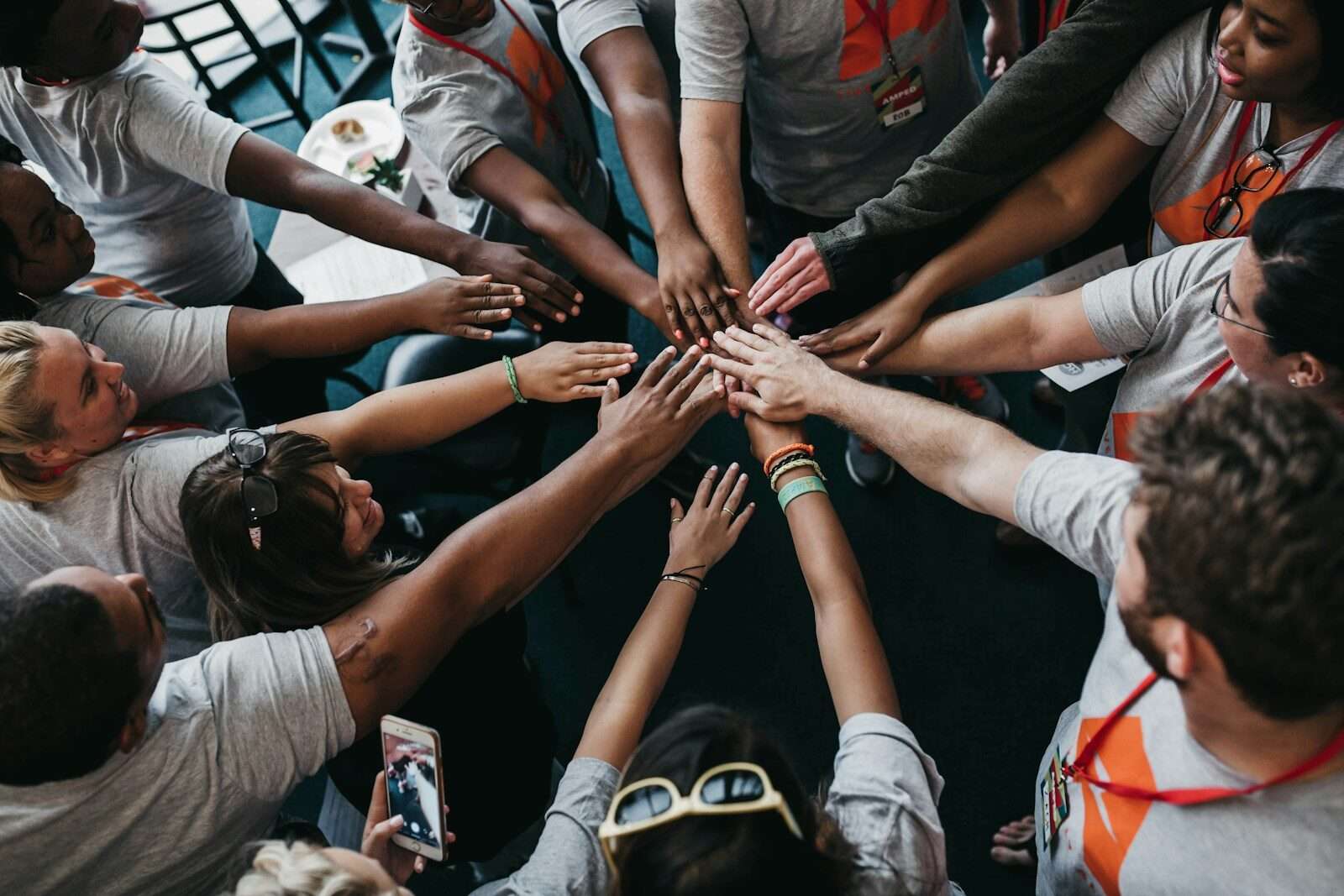
Team building activities for small groups should feel fundamentally different from large-scale events. The intimacy is the point. You’re not trying to give people a shared experience across a crowd — you’re trying to create real connection among people who actually work together every day.
That’s why the best activities in this size range lean into interaction, conversation, and something genuinely memorable. Nobody bonds over a keynote presentation. They bond over trying to identify a mystery wine, arguing about whose cocktail blend is better, or laughing at the fact that three engineers on the same team all guessed Malbec when it was actually Grenache.
What Makes Team Building Activities Work for Small Groups
Before getting into specific ideas, here are the principles I’ve found matter most:
Everyone participates actively. In a group of 15, there’s nowhere to hide — which is actually an advantage. The right activity makes active participation feel natural and easy, not forced.
There’s something at stake, even if small. A gentle competition — blind tasting, a trivia score, a blending challenge — gives people something to root for and talk about. Even friendly stakes make events memorable.
The activity teaches something real. The best team building activities for small groups leave people with a new skill or piece of knowledge. That’s the thing they’ll reference long after the event is over.
The format rewards personality. Small groups let quieter team members actually contribute. A wine tasting, for example, rewards sensory attention — someone who wouldn’t speak up in a big meeting might turn out to have an excellent palate.
| Activity Type | Ideal Group Size | What It Builds |
|---|---|---|
| Wine blind tasting | 6–30 | Communication, sensory attention, humor |
| Wine blending competition | 8–25 | Collaboration, creative problem solving |
| Cooking class | 6–20 | Coordination, informal conversation |
| Escape room (physical or virtual) | 6–15 | Problem solving, time pressure teamwork |
| Mixology class | 8–25 | Creativity, hands-on learning |
| Whiskey/spirits tasting | 8–30 | Discussion, curiosity, storytelling |
| Food pairing dinner | 6–20 | Conversation, sensory exploration |
| Improv workshop | 8–20 | Communication, listening, creative risk-taking |
The Best Team Building Activities for Small Groups
1. Blind Wine Tasting Competition
This is my top pick for team building activities for small groups, and for good reason: it works almost universally. You don’t need a group of wine lovers — in fact, it often works better with people who don’t know much about wine, because the playing field is level.
The format is simple: wines are served without labels. Participants taste blind and vote on what they think it is — variety, region, sometimes vintage. The reveal is the payoff. The right answer almost always surprises someone, and that surprise generates genuine conversation.
At The Wine Voyage, our Blind Tasting Competition is built specifically for corporate groups. The experience includes expert facilitation, customizable flights, and optional competitive scoring. For small groups, the intimacy of the format really shines — teams can discuss their guesses, argue their logic, and react to the reveals together.
2. Wine Blending Competition
Teams are given base wine components and a brief — blend toward a target style, or create the best overall table wine — and then defend their choices to a panel.
This activity is particularly effective for teams that collaborate on strategy or creative work, because the structure mirrors how those teams actually operate. You have to listen, compromise, and ultimately commit to a decision together.
3. Guided Spirits Tasting
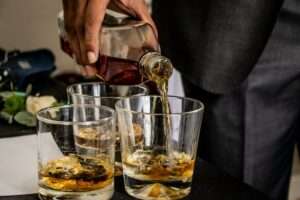
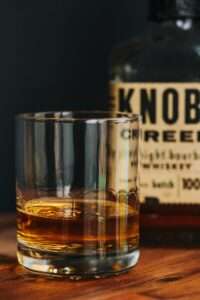
A mezcal and tequila tasting, a whiskey flight, or a gin exploration can be deeply engaging — especially for groups that have already done wine. The category stories are fascinating: the difference between valley and highland mezcal, the terroir of a single-malt Scotch, why bourbon must be made in new charred oak.
The Wine Voyage’s Tequila & Mezcal Experience brings this depth to corporate groups, pairing the tasting with cultural context that makes it feel like travel and education at once.
4. Private Cooking Class
A chef-led cooking class works beautifully for small groups because everyone has something to do. You’re not watching — you’re chopping, seasoning, assembling, and eventually eating together.
The best formats teach a dish with genuine technique: a handmade pasta, a multi-step sauce, something with a clear skill ladder from beginner to advanced. Shared cooking creates the kind of comfortable familiarity that formal team building activities rarely achieve.
5. Escape Room (Physical or Hosted Virtual)
A well-designed escape room forces communication under time pressure. Teams have to delegate, prioritize, and synthesize information from multiple people — often while one person is doing something distracting and someone else spots the key clue.
For in-person small groups, a private room booking works best. For hybrid or remote small groups, a facilitated virtual escape room (with a live host, not just a self-guided website) provides the same energy.
6. Mixology Class
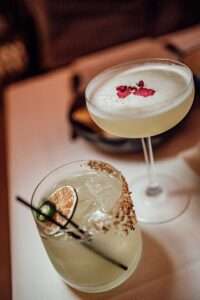
A bartender teaches the group to make 2–3 cocktails — usually from scratch, with technique explanation: why you build in a certain order, what happens when you shake versus stir, how garnishes change the aromatic experience.
This pairs naturally with a happy hour format, and the skill learned is immediately useful at home. People remember it. And if you pair the cocktails with light food, you have a full evening without any awkward lulls.
7. Food and Wine Pairing Dinner
A seated dinner structured around pairing principles. Each course comes with a matched wine — or two wines, if you’re doing a classic pairing versus a contrast. A host explains the reasoning behind each pairing.
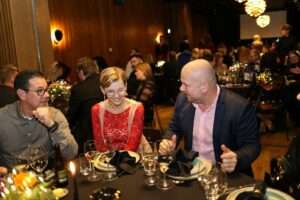
This is the most formal option on this list, which makes it the right fit for certain groups: executive teams, client-facing groups, or cross-functional leadership events where the occasion calls for something elevated.
8. Improv Workshop
A professional improv instructor teaches basic exercises — “yes and,” scene building, active listening games — that translate directly to workplace communication skills. The tone is playful but the application is real.
This works especially well for sales teams, design teams, and any team whose work requires rapid ideation or client interaction. For small groups, the sessions can be truly interactive rather than just demonstration-heavy.
9. Art Class (Pottery, Painting, or Drawing)
Low-stakes creative output in a class format. An instructor teaches a technique, everyone makes something, and the results vary wildly in a charming way. This works particularly well for analytically-minded teams who don’t often get to work with their hands.
Pottery (throwing on a wheel) tends to be the most memorable for small groups — the sensory experience is unlike anything most people do at work, which is exactly the point.
10. Trivia Night with Custom Company Questions
A private trivia night with a mix of general knowledge and company-specific questions (founding year, product milestones, team inside jokes). A live host makes a big difference — the energy is completely different from a self-service app.
For small groups, this works best when teams are split 3–5 people, so even at 15 people you have 3–4 teams competing. Pure team sports energy.
How to Plan Team Building Activities for Small Groups
Start with your group, not the activity. What’s the energy of this team? Are they analytically-minded, competitive, creative? An executive leadership team and a customer support team have very different event needs even at the same size.
Book private, not shared. For small groups, the intimacy of a private event is worth the cost. Shared public classes or events fragment the group dynamic.
Time it right. Weekday late afternoon / early evening is usually the easiest lift. Weekend events require more coordination and often lower attendance. Lunch works for shorter activities.
Handle logistics clearly. Dietary restrictions, alcohol preferences, travel distance. Send the confirmation email with all details 5–7 days out, and a reminder the day before.
Set the tone in the invitation. If it’s competitive, say so. If it’s relaxed, say so. People show up differently when they know what to expect.
Where The Wine Voyage Fits In
We work primarily with small and mid-size corporate groups — often 10 to 40 people. That range is our sweet spot because the intimacy of the format makes every tasting feel personal.
Our most popular small-group experiences:
- Blind Tasting Competition — mystery wines, guided tasting, team scoring
- Perfect Blend Competition — wine blending with feedback and judging
- Tequila & Mezcal Experience — deep dive into agave spirits with tasting flights
- Food & Wine Pairing — structured pairing dinner with guided tasting notes
All experiences are facilitated by Myrna Elguezabal, wine-certified with 15 years of corporate event production. We handle the full logistics — setup, sampling kits, facilitation, and post-event notes.
If you’re looking for team building activities for small groups that are genuinely worth the calendar invite, reach out for a custom proposal.
Related: Team Building Ideas for Work | Corporate Event Ideas | Wine Tasting Team Building | Unique Team Building Activities | How to Plan a Team Building Event
Further Reading
For research on small-group dynamics and what actually drives team cohesion, see Harvard Business Review’s management and teams research and SHRM’s team building resources for HR professionals.