What Is Biodynamic Wine?
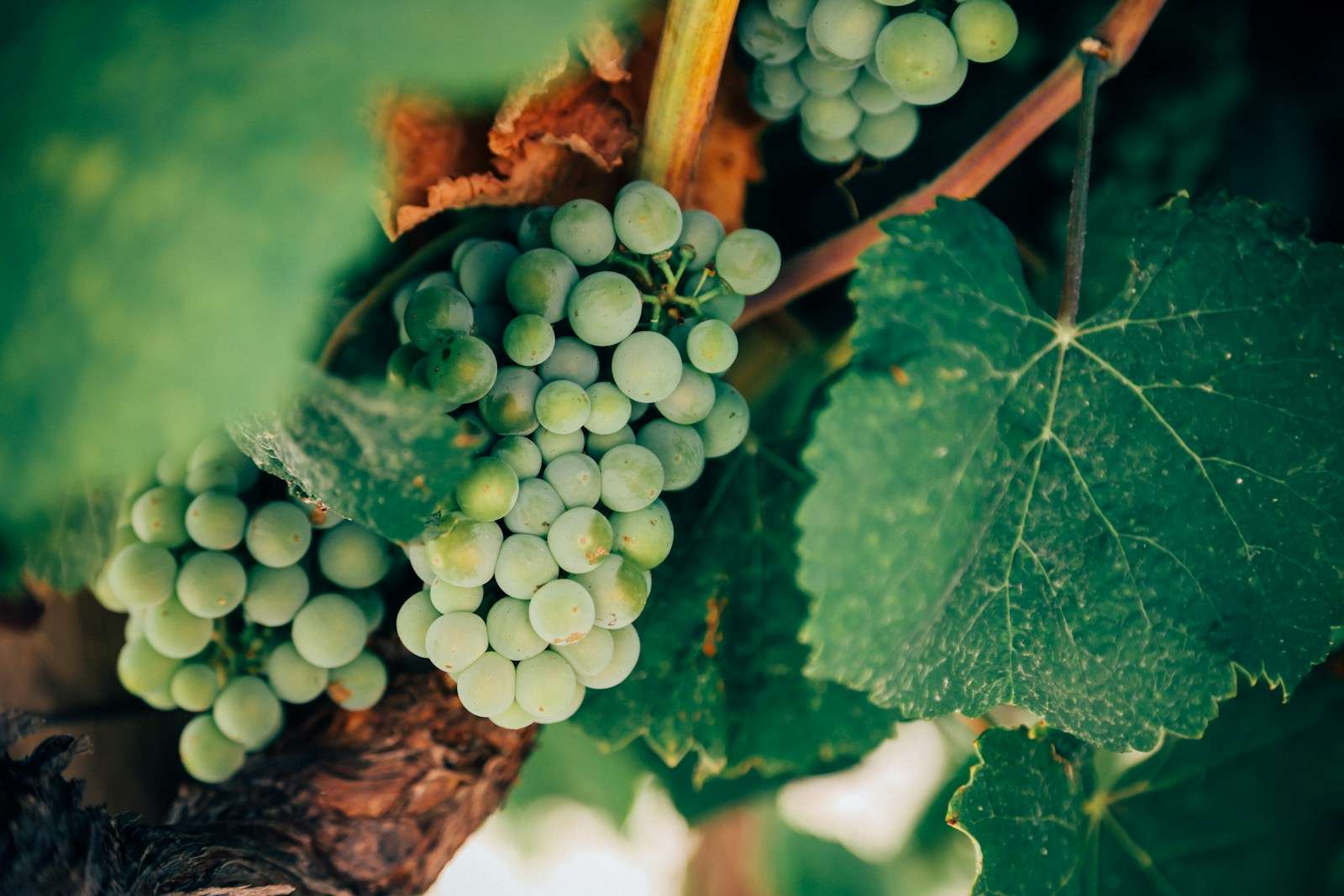
Biodynamic wine comes from vineyards farmed according to a philosophy that treats the entire farm as a single living organism — soil, vines, animals, insects, and even the cosmos — all working together. It goes further than organic farming. Much further.
The term itself comes from Rudolf Steiner, an Austrian philosopher who in 1924 gave a series of lectures on agriculture that formed the basis of what he called “biodynamic” farming. Steiner’s view was that industrialized farming was stripping land of its vitality, and that farmers needed to restore the invisible life forces of the soil.
For wine specifically, biodynamic wine production means no synthetic pesticides, herbicides, or fertilizers — but also a set of specific preparations made from plants, minerals, and animal manure that are applied to the land in homeopathic quantities. It also means planting, pruning, and harvesting according to a lunar calendar that categorizes every day as a root day, fruit day, flower day, or leaf day — with fruit days considered ideal for tasting wine.
Is it science? Not exactly. Is it working? Walk through a thriving biodynamic vineyard and ask yourself that question again.
Biodynamic vs. Organic vs. Natural Wine
These three terms get tangled constantly. Here’s how to keep them straight:
| Feature | Conventional | Organic | Biodynamic | Natural |
|---|---|---|---|---|
| Synthetic pesticides/herbicides | Allowed | Banned | Banned | Banned |
| Synthetic fertilizers | Allowed | Banned | Banned | Banned |
| Biodynamic preparations | No | No | Required | Sometimes |
| Lunar calendar farming | No | No | Required | Sometimes |
| Cellar intervention | Anything goes | Limited | Minimal | Very minimal |
| Certification body | None | USDA Organic, EU Organic | Demeter, Biodyvin | None (no standard) |
| Added sulfites in wine | Common | Limited | Limited/none | Typically none |
The key distinction: organic tells you what the farmer avoids. Biodynamic tells you what the farmer does — there’s an active philosophy and practice, not just an absence of chemicals. Natural wine has no formal standard and is the most loosely defined of the three.
If biodynamic wine is the subject, Demeter certification is the gold standard. Biodyvin is a smaller European certification applied only to wine estates. Both require third-party inspection and documentation.
The Biodynamic Preparations
This is where things get interesting — or strange, depending on your priors.
Biodynamic farming uses nine core preparations, numbered 500 through 508. Each preparation is made from specific plant or animal materials and applied in tiny quantities to either compost or directly to soil and vines. The most famous:
Preparation 500 (Horn Manure): Fresh cow dung packed into a cow horn and buried over winter. In spring, it’s dug up and the transformed material — called humus — is stirred into water and sprayed on the soil. The goal is to stimulate root growth and soil life.
Preparation 501 (Horn Silica): Finely ground quartz crystal packed into a cow horn and buried over summer. The resulting powder is stirred into water and sprayed on vine leaves to improve light metabolism and photosynthesis.
Preparations 502–507 are compost preparations made from yarrow, chamomile, stinging nettle, oak bark, dandelion, and valerian. Each is packed into specific animal organs and composted.
Preparation 508 is an infusion of horsetail (Equisetum) used against fungal pressure.
I’ll be honest: the science behind horn manure is not settled. Controlled studies on biodynamic preparations specifically are sparse and results are mixed. But the practice of farming this way — with deep attention to soil health, plant diversity, and ecosystem balance — does produce measurable improvements in soil microbial life, even if the specific mechanism is debated.
The Lunar Calendar in Biodynamic Wine
Maria Thun, a German farmer working in the 1950s–1960s, developed the biodynamic planting calendar by spending years tracking how plant growth responded to different moon positions. She categorized each day based on which element the moon was moving through in the zodiac.
The four day types:
- Root days — moon in earth signs (Taurus, Virgo, Capricorn) — best for root vegetables; avoid for wine tasting
- Flower days — moon in air signs (Gemini, Libra, Aquarius) — best for flowers; acceptable for tasting
- Fruit days — moon in fire signs (Aries, Leo, Sagittarius) — best for fruiting plants; considered ideal for wine tasting
- Leaf days — moon in water signs (Cancer, Scorpio, Pisces) — best for leafy plants; wines said to show less well
Some sommeliers and wine buyers schedule tastings specifically on fruit days. I’ve done blind tastings on root vs. fruit days and can say that I noticed a difference — but I was not blind to the day type, which limits what I can claim. There are anecdotal reports from serious critics and MW candidates who have done structured comparisons. Results are intriguing but inconclusive.
What’s not in dispute: structuring your vineyard work around these cycles forces you to pay close attention to timing and season. That attentiveness itself has value.
Why Do Producers Choose Biodynamic Farming?
Talking to biodynamic producers, the reasons are consistent:
Soil health. Conventional viticulture can deplete soil over decades. Biodynamic farming builds organic matter, microbial diversity, and earthworm populations. In many historic European appellations, topsoil is centuries old — farmers feel a responsibility to not deplete it.
Terroir expression. This is the argument that resonates with wine lovers most. If a vineyard’s soil is alive and complex, the reasoning goes, that complexity will show in the wine. Many winemakers who converted to biodynamic report that their wines became more site-specific and less generic after conversion.
Practical results. Healthy vines with deep root systems are more drought-resistant and more resilient to disease. This is increasingly important as growing seasons shift.
Philosophy. Some producers believe in it beyond the commercial rationale. It’s a different relationship with the land — one that has been working in some estates for centuries.
Notable Biodynamic Wine Producers
The list of serious producers farming biodynamically is long and growing. A few benchmarks worth knowing:
Domaine Leroy (Burgundy, France) — Lalou Bize-Leroy converted her estates to biodynamic in the 1980s. The wines are among the most sought-after in the world. Whether that’s biodynamics or the vineyards is the endless debate.
Zind-Humbrecht (Alsace, France) — Certified Demeter. Olivier Humbrecht MW was one of the early champions of biodynamics in Alsace. The Rieslings from grand cru sites are extraordinary expressions of terroir.
Nicolas Joly (Loire Valley, France) — Perhaps the most vocal biodynamic advocate in wine. His Coulée de Serrant is a single-vineyard Chenin Blanc that has become almost mythological. Joly has written extensively on biodynamics and is worth reading.
Quintessa (Napa Valley, California) — Demeter-certified. One of the early large-scale American estates to make the conversion credibly.
Benziger Family Winery (Sonoma, California) — One of the most visitor-friendly biodynamic estates in the US, with an educational tour that actually explains the farming system.
Bodegas Emilio Moro (Ribera del Duero, Spain) — Biodynamic conversion of a historic family estate. Good proof point that biodynamic wine is not just a French phenomenon.
What Does Biodynamic Wine Taste Like?
Here’s what I find most consistent across well-made biodynamic wines: clarity and precision. There’s often a kind of lift — an energy — that’s harder to find in wines from heavily treated vineyards. Flavors tend to be more defined rather than diffuse.
But I want to be careful here. Attribution is genuinely difficult. A producer committed enough to pursue Demeter certification is also likely to be meticulous in the cellar. Low yields, careful sorting, minimal intervention in winemaking — all of these are correlated with biodynamic production but aren’t caused by it. You’re selecting for a certain kind of producer when you select biodynamic wines.
What you’re less likely to find in biodynamic wines: heavy extraction, excessive oak, artificial concentration. The philosophy tends toward restraint.
Is Biodynamic Wine Worth the Premium?
Biodynamic wines often cost more than their conventional equivalents. The extra cost reflects real labor — biodynamic farming is more work-intensive than conventional farming, and certification requires documentation and inspection.
Whether the premium is worth it depends on what you’re buying:
If you’re buying a Demeter-certified wine from a serious producer who has been farming this way for 10+ years, you are very likely getting a wine that expresses its site more faithfully than a conventionally farmed equivalent. That’s worth paying for if terroir matters to you.
If you’re buying a wine that claims “biodynamic practices” without certification, treat it with the same skepticism you’d apply to any unverified marketing claim.
Biodynamic Wine and Wine Tasting Experiences
In my experience running wine experiences for corporate groups, biodynamic wine opens conversations that conventional wine doesn’t. When you hand someone a glass and say “the farmer buried cow horns in this vineyard,” the room wakes up. It’s a story. And stories make wine memorable in a way that tasting notes alone don’t.
For team wine tasting events, biodynamic wines work particularly well for groups that include skeptics and enthusiasts alike — the skeptics have something to push back on, the enthusiasts have something to champion, and everyone leaves with a stronger sense of what wine can actually be about. The Wine Voyage builds team experiences around exactly this kind of discovery — contact us to explore how a biodynamic-focused tasting could work for your team.
Getting Started with Biodynamic Wine
If you want to explore without overcommitting to expensive bottles:
- Start with Alsace. Biodynamic Riesling and Pinot Gris from producers like Zind-Humbrecht or Domaine Weinbach offer clear terroir expression at relative value compared to top Burgundy.
- Try the Loire. Chenin Blanc from producers inspired by Nicolas Joly — Domaine des Roches Neuves, for example — gives you high-acid, age-worthy wines that showcase what biodynamic farming does for a classic variety.
- Look at South Africa. The Swartland region has a cluster of young producers farming biodynamically at prices that make experimentation easy.
- Check labels. Demeter and Biodyvin logos are verifiable. “Biodynamic practices” without certification is a softer claim.
Drink on a fruit day if you want the full experiment.
If you’re exploring sustainable wine philosophies, you’ll also enjoy our guides to organic wine and natural wine. For the wines these producers often make, see our Chenin Blanc guide, Riesling guide, and Pinot Noir guide.
Further Reading
To go deeper on biodynamic farming and wine, I recommend Wine Folly’s biodynamic wine explainer for a visual overview, and Decanter’s guide to biodynamic wine for a more technical breakdown of the preparations and certification process.