What Is Organic Wine, Really?
The term “organic wine” gets used loosely, and that looseness creates genuine confusion. I’ve had customers at tastings ask whether organic wine means no additives, no sulfites, no pesticides, or all three. The honest answer involves a distinction most wine labels obscure.
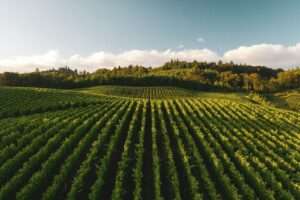
Organic wine refers primarily to how the grapes are grown. Certified organic viticulture prohibits synthetic pesticides, herbicides, and fertilizers in the vineyard. The vines are managed using natural inputs — compost, cover crops, copper-based sprays — to maintain soil health and vine vigor without chemical shortcuts.
But here’s the wrinkle: the winemaking side of “organic wine” is regulated differently depending on where the wine is made. Understanding that gap is the key to buying organic wine with clarity rather than just hope.
Organic Wine Certifications: US vs. EU
The regulatory frameworks differ meaningfully between the United States and the European Union — and knowing the difference helps you understand what you’re actually buying.
In the United States (USDA)
The USDA has two distinct categories:
“Made with Organically Grown Grapes” — The grapes are certified organic (no synthetic inputs in the vineyard), but the winery may add sulfites up to 100 ppm during winemaking. This is the most common label you’ll see on imported and domestic bottles.
“Organic Wine” — This stricter designation requires both certified organic grapes AND no added sulfites whatsoever. Very few wines qualify, and those that do have a shorter shelf life and are more susceptible to oxidation.
In the European Union
The EU created a unified “organic wine” category in 2012 that covers both vineyard practices and winemaking. It permits low levels of added sulfites (lower than conventional wine) while requiring certified organic viticulture throughout. Most European organic wine you encounter in the US falls under this framework.
How Organic Wine Differs From Natural and Biodynamic
These three terms overlap but aren’t interchangeable. The confusion is understandable — they share philosophy but differ in certification, practice, and result.
| Category | Certification | Vineyard | Winemaking |
|---|---|---|---|
| Organic wine | USDA / EU Organic | No synthetic inputs | Regulated, some additives permitted |
| Biodynamic | Demeter / Biodyvin | Organic + lunar calendar, specific preparations | Minimal intervention, stricter standards |
| Natural wine | None (no official body) | Usually organic or biodynamic | No or minimal additions/subtractions |
Organic wine is the regulated category. Its certification is meaningful and auditable.
Biodynamic wine treats the farm as a self-contained ecosystem and incorporates Rudolf Steiner’s agricultural philosophy, including specific soil preparations and timing activities according to lunar and cosmic calendars. It’s organic plus more.
Natural wine has no formal certification. It’s a philosophical movement toward minimal intervention — no commercial yeasts, no fining agents, no added sulfites — but without enforceable standards. Quality and style vary wildly.
In my experience, organic wine is the most reliable category to shop from because the certification is auditable and the standards are consistent.
Does Organic Wine Taste Different?
This is the question that cuts through philosophy to what actually matters. The honest answer: sometimes yes, but not always in the way people expect.
Organic viticulture tends to produce grapes with more concentrated flavor, because vines that must work harder for nutrients develop deeper root systems and more complex fruit expression. This is a meaningful difference in terroir-driven wines from great regions — you can often taste the site more clearly in a well-made organic wine from Burgundy or the Priorat than in a conventional wine from the same area.
What organic wine doesn’t guarantee is quality winemaking. A badly made organic wine is still a badly made wine. The certification tells you about farming philosophy, not about the cellar skills of the person who turned those grapes into wine.
In practice, the producers who choose to farm organically tend to care more about the full expression of their terroir — and that care often carries through to better winemaking. But the certification alone isn’t sufficient reason to pay a premium.
Are Organic Wines Sulfite-Free?
Almost never, and this matters for people who believe sulfites cause their wine headaches.
Sulfites (sulfur dioxide, SO₂) occur naturally during fermentation — any wine contains some sulfites. Winemakers add sulfites as a preservative to prevent oxidation and microbial spoilage. Conventional wines may contain up to 350 ppm (parts per million). EU-certified organic wines are permitted lower limits — around 100 ppm for reds, 150 ppm for whites and rosés.
The US USDA “Organic Wine” designation prohibits added sulfites entirely, but these wines are rare and can be unstable.
If you’re genuinely sulfite-sensitive (which affects a small percentage of people, primarily asthmatics), look for wines labeled “no added sulfites” or the US USDA Organic Wine seal specifically. If you’re headache-prone after wine but suspect sulfites, consider that histamines, tannins, and alcohol may be more likely culprits — all present regardless of organic status.
The Environmental Case for Organic Wine
The most compelling argument for organic wine isn’t about taste or health — it’s about soil.
Healthy vineyard soil is a living ecosystem. Billions of bacteria, fungi, earthworms, and microorganisms create the conditions for complex nutrient exchange between soil and vine. This complexity is part of what makes terroir real rather than just marketing language. Synthetic herbicides and pesticides disrupt this ecosystem, leading to compacted, biologically impoverished soils over time.
Organic viticulture maintains soil biodiversity. Cover crops planted between vine rows fix nitrogen, prevent erosion, and host beneficial insects that keep pest populations in balance. Compost applications feed soil organisms rather than bypassing them with synthetic fertilizers.
The result, over decades, is vineyards that get more interesting rather than more dependent on chemical inputs. Many of the world’s greatest wine regions — Burgundy, the Mosel, Priorat — have converted significant acreage to organic farming in the past 20 years, driven partly by this long-term thinking.
Organic Wine Regions Leading the Way
France
Alsace has one of the highest concentrations of organic and biodynamic producers in France. Domaine Zind-Humbrecht and Domaine Weinbach are longtime certified organic producers making some of the country’s finest wines. Burgundy has seen a significant shift — producers like Domaine Leflaive and Domaine Leroy converted to biodynamic farming decades ago and represent some of the most compelling arguments for the approach.
Spain
The Priorat, Penedès, and Rías Baixas all have strong organic farming movements. Spain’s warm, dry climate makes organic viticulture more practical than in wetter northern regions where fungal pressure is high.
Italy
Sicily and Tuscany lead Italian organic wine production. Sicily’s volcanic soils and dry climate are naturally low-pressure environments for organic farming. Producers like Cos and Occhipinti have built international reputations on organic Sicilian wines.
California
The Napa and Sonoma valleys have both certified-organic leaders and many “practicing organic” producers who farm without chemicals but haven’t pursued certification. Frog’s Leap in Napa has been certified organic for decades. Coturri Winery in Sonoma has farmed organically since the 1970s.
Chile and Argentina
South America’s relatively pristine vineyard environments — lower pest pressure, drier climates — make organic farming cost-effective. Emiliana in Chile produces large volumes of certified organic wine at accessible prices.
Best Organic Wines to Try
Budget-Friendly (Under $20)
Emiliana Organic Reserva Carménère (Chile) — One of the most reliable organic wines at this price. Rich dark fruit, green herb notes, and genuine varietal character.
Frey Vineyards Organic Merlot (California) — A pioneer of US organic wine since the 1980s. Clean, honest winemaking from a family committed to the philosophy.
Bonterra Cabernet Sauvignon (Mendocino, California) — Widely distributed certified organic Cab that consistently shows good fruit and structure for the price.
Mid-Range ($20–$50)
Coturri Winery Chardonnay (Sonoma) — Idiosyncratic and fascinating. No sulfites, whole-cluster fermented, a genuine natural-leaning organic white.
Domaine de la Romanette Côtes du Rhône (France) — Grenache-dominant blend from certified organic farming in the southern Rhône. Shows why the region and the philosophy work so well together.
Zind-Humbrecht Pinot Gris (Alsace) — One of the world’s great white wines at a mid-range price. Biodynamically farmed, complex, age-worthy.
Premium ($50+)
Domaine Leflaive Bourgogne Blanc (Burgundy) — The house’s entry-level wine from a biodynamic farming legend. Shows the terroir of Puligny-Montrachet in a relatively accessible bottle.
Cos Frappato (Sicily) — Cesare Rosi’s organic Sicilian red has become a cult wine for good reason. Light, fresh, deeply mineral — unlike anything else.
How to Read Organic Wine Labels
Shopping for organic wine is easier when you know what to look for:
USDA Organic seal — Certifies 95%+ organic ingredients. On wine, confirms certified organic grapes.
“Made with Organically Grown Grapes” — The most common US label. Organic viticulture, may have added sulfites.
EU Organic leaf logo — European certification covering both viticulture and winemaking.
Demeter certification — Biodynamic certification, more rigorous than organic alone.
“Practicing Organic” or “Sustainably Farmed” — Uncertified claims. May be genuine; no external verification.
The absence of a certification logo doesn’t mean the wine is farmed conventionally — many small producers farm organically but can’t justify certification costs. The presence of a certification logo does mean the claims have been verified.
Organic Wine and Team Experiences
Something interesting happens when organic wine enters a team tasting context: it opens conversations about place, farming, and intention that don’t come up with conventional wine. People who might not engage with “this is a Côtes du Rhône from Grenache” often engage immediately with “this producer has farmed without chemicals for 40 years and you can taste the soil in the wine.”
The Wine Voyage, led by Myrna Elguezabal, incorporates sustainability and farming practices into structured corporate wine tastings by request — giving teams a richer lens on what they’re drinking. It’s one of the more effective ways I’ve seen companies engage employees around shared values and genuine curiosity, using organic wine as a natural entry point.
The Bottom Line on Organic Wine
Organic wine is worth seeking out — not because it’s automatically better, but because it reflects a commitment to farming that tends to make vineyards more interesting over time. The certification is auditable. The environmental benefits are real. And the producers who choose to farm this way generally bring that same intentionality to everything else they do.
Start with regions where organic farming is most practical: dry climates like Sicily, southern Spain, and Chile. Pay attention to certifications rather than vague sustainability claims. And taste widely — organic wine spans every style, from ethereal Burgundy whites to robust Sicilian reds.
To explore related categories, read our guides to natural wine, orange wine, and biodynamic wine philosophy, as well as our overview of wine regions and our sweet wine guide for more on what defines different wine styles.
Further Reading
For expert perspectives on organic wine certification and what it means in practice, I recommend Wine Folly’s breakdown of natural, organic, and biodynamic wine and Decanter’s guide to what organic wine actually is — both cut through the marketing language with clarity.