
Table of Contents
How to Master Wine Pairing Like a Pro in 2025: Your Ultimate Guide
Wine pairing is an art—a delicious, approachable art that anyone can master with a little know-how and a lot of curiosity. Imagine sitting down to a meal where every bite and sip dances together in perfect harmony. In 2025, wine pairing is set to take center stage as foodies and casual diners alike seek to elevate their culinary game. Whether you’re hosting a dinner party or just treating yourself to a quiet night in, this guide will unlock the secrets to pairing wine like a pro. Let’s swirl, sip, and dive into the world of flavors.
Why Wine Pairing Matters More Than Ever
Wine pairing isn’t just about impressing your guests (though it’ll do that too). It’s about transforming a good meal into a great one. The right wine can highlight a dish’s strengths, tame its boldness, or even reveal hidden notes you’d miss otherwise. In 2025, with more people exploring bold flavors and global cuisines, mastering wine pairing is your ticket to standing out. Ready to become the pairing guru your friends rave about? Here’s how to get started.
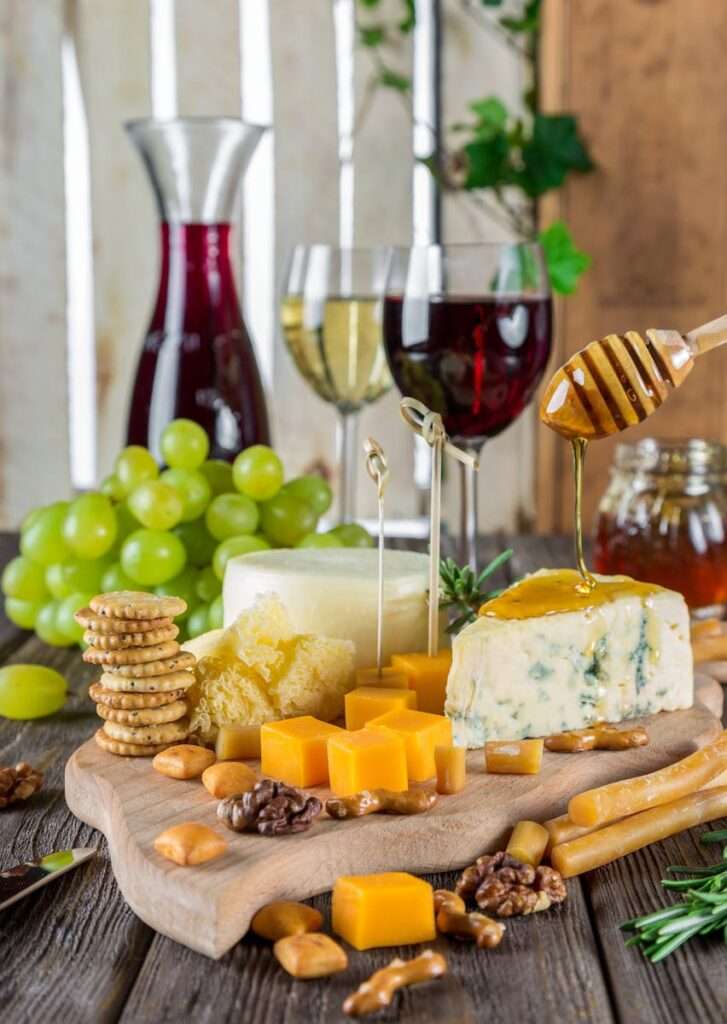
The Basics of Wine Pairing: Start Simple
Wine pairing doesn’t have to be complicated. At its core, it’s about balance—matching the weight, flavor, and intensity of your food with the wine. A heavy steak needs a robust red, while a light salad calls for something crisp and bright.
Here’s a quick cheat sheet to kick things off:
- Red Wines: Think Cabernet Sauvignon or Pinot Noir. Pair with red meats, hearty pastas, or aged cheeses.
- White Wines: Like Chardonnay or Sauvignon Blanc. Perfect for seafood, chicken, or creamy sauces.
- Rosé: A versatile middle ground for spicy dishes or light veggie plates.
- Sparkling Wines: From Prosecco to Champagne, these shine with appetizers or fried foods.
New to this? Try a curated wine pairing session to get hands-on practice. It’s a fun way to learn without the guesswork—perfect for a solo adventure or a team building experience.
Match the Mood, Not Just the Meal
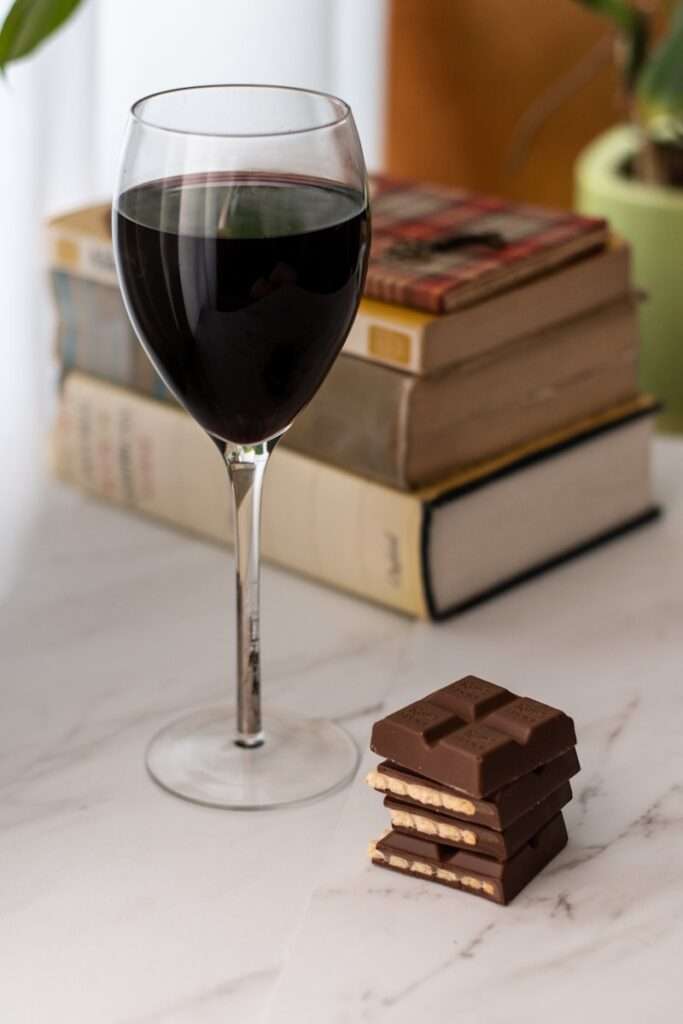
Wine pairing isn’t only about food—it’s about the vibe. A cozy winter night begs for a bold red to warm you up, while a summer picnic screams for a chilled rosé. Think about the occasion and the company too.
Last month, I hosted a casual team building dinner for colleagues. The spicy tacos demanded a zesty white to cool things down, and the laughter flowed as freely as the wine. Want to nail the mood every time? Services offering tailored pairing advice can match wines to your event, whether it’s a quiet date or a lively group gathering.
Play with Flavor Profiles
Once you’ve got the basics, it’s time to experiment. Wine pairing thrives on flavor interplay—sweet, salty, sour, bitter, and umami all come into play. Here’s how to mix and match:
- Sweet: A fruity Riesling loves spicy Asian dishes—it tames the heat.
- Salty: Pair a crisp sparkling wine with salty fries or cured meats. The bubbles cut through the richness.
- Sour: Acidic wines like Sauvignon Blanc complement tangy vinaigrettes or citrusy fish.
- Bitter: A tannic red (hello, Malbec) balances bitter greens like arugula.
- Umami: Try a silky Pinot Noir with mushrooms or soy-glazed dishes—it’s a match made in heaven.
I once paired a buttery Chardonnay with a garlicky shrimp pasta, and the combo was pure bliss. For a deeper dive, a wine tasting package with food pairings can sharpen your skills. It’s like a flavor playground for your palate.

Don’t Fear the “Rules”—Break Them
Old-school wine pairing rules—like “red with meat, white with fish”—are more like suggestions. In 2025, it’s all about what tastes good to you. A light red can sing with salmon, and a full-bodied white can stand up to a burger.
My epiphany came with a chilled Gamay alongside grilled chicken—unorthodox, but unforgettable. Feeling bold? Host a pairing night with friends and test wild combos. Add a team building twist with a group tasting event, and watch the creativity flow.
Pairing for Special Diets
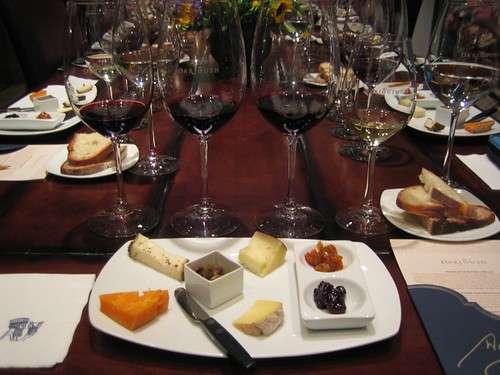
Wine pairing isn’t one-size-fits-all, especially with today’s diverse diets. Here’s how to ace it for any table:
- Vegetarian: A crisp Verdelho lifts roasted veggies, while a earthy red complements lentils.
- Vegan: Skip the dairy-heavy pairings and go for a zesty white with plant-based pastas or a bold red with vegan BBQ.
- Gluten-Free: Focus on the dish’s core flavors—sparkling wine with gluten-free fried chicken is a winner.
- Spicy Lovers: Off-dry whites or low-tannin reds (think Beaujolais) soothe the burn.
For a crowd with mixed diets, a guided pairing session can cater to everyone. I’ve seen groups bond over finding the perfect match for a vegan curry—it’s a team building experience no one forgets.
Elevate Your Pairing with Texture
Texture matters as much as taste. A creamy dish loves a wine with weight—like an oaked Chardonnay—while a crunchy salad pairs best with something light and zippy.
Take crab cakes: their delicate crispness begs for a mineral-driven white. I learned this trick at a tasting event, and it’s been a game-changer. Want to master texture pairing? Look for a package that pairs wines with small bites—it’s hands-on learning at its tastiest.
Seasonal Pairing: Sip with the Calendar
Wine pairing shines when it syncs with the seasons. In spring, a floral Viognier mirrors fresh herbs. Summer calls for chilled rosés with grilled fare. Fall’s harvest pairs with earthy reds, and winter demands a rich Shiraz by the fire.
Last Thanksgiving, I matched a velvety Merlot with roasted squash—it felt like the season in a glass. Planning a seasonal feast? A tailored wine pairing package can align your menu with the perfect bottles, no stress required.
Tools to Make Pairing a Breeze
You don’t need a sommelier’s brain to nail wine pairing. Start with these:
- Tasting Notes: Check bottle labels or apps for flavor hints.
- Ask the Experts: Local wine shops love to share pairing tips.
- Experiment: Buy a flight of mini-bottles and test-drive them with dinner.
For a shortcut, personalized pairing consultations can match wines to your exact menu. I once used this for a tricky fusion dish—solved in minutes. It’s like having a wine whisperer on speed dial.
Pairing for Life’s Moments
Wine pairing isn’t just for fancy dinners—it’s for every occasion. A bubbly Prosecco kicks off a celebration, while a mellow red unwinds a tough day. Hosting a group? A team building experience with wine pairing turns any gathering into a hit.
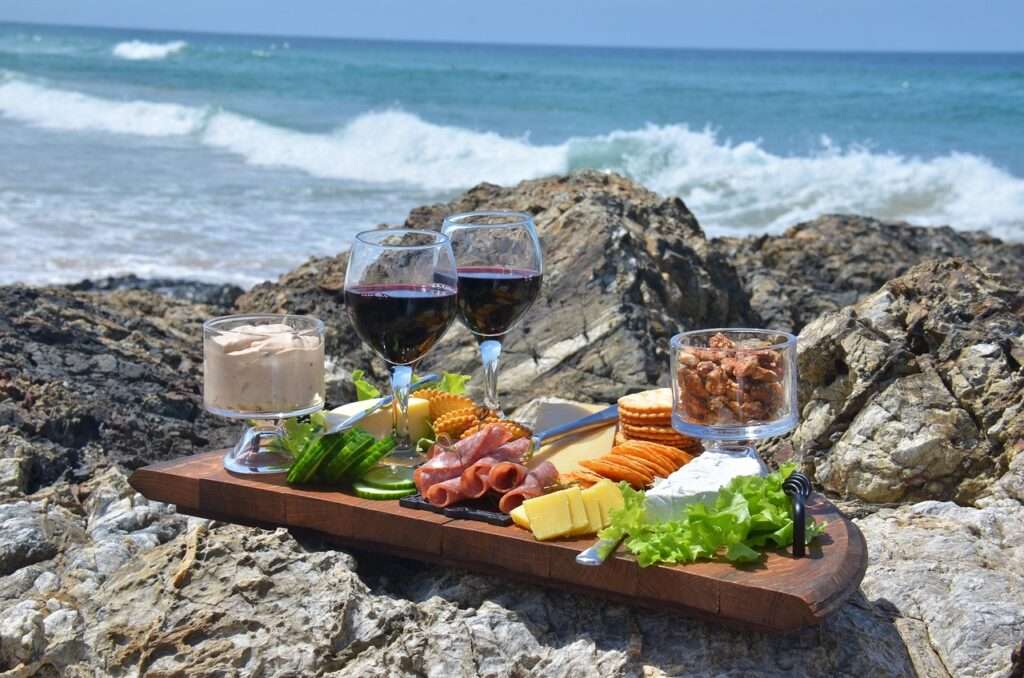
I’ll never forget pairing a crisp rosé with a beach picnic—simple, yet sublime. Whatever the moment, there’s a wine to make it better. Try a half-day pairing workshop for a memorable dive into the craft.
My Wine Pairing Journey: From Rookie to Reveler
I stumbled into wine pairing by accident. Years ago, I grabbed a random red for a steak dinner—total mismatch. The harsh tannins clashed, and I swore off pairing. Then came a tasting where a guide paired a silky Pinot with duck. It clicked: wine pairing isn’t rigid; it’s personal.
Now, I’m the friend who brings the perfect bottle to every potluck. It’s not about perfection—it’s about discovery. In 2025, start your own journey. One sip, one dish, one “aha” moment at a time.
Conclusion: Unlock the Magic of Wine Pairing in 2025
Wine pairing is your secret weapon to turn meals into memories. It’s less about rules and more about joy—finding that perfect sip to match your bite. In 2025, embrace the adventure, whether you’re pairing solo or with a crew for a team building night. From bold reds to fizzy sparklers, there’s a wine waiting to elevate your table.
So, grab a glass, pick a dish, and start experimenting. Your next great pairing is just a pour away. Cheers to mastering the art in 2025!
Hashtags: #WinePairing #WineAndFood #2025Flavors #SipLikeAPro #FoodieGuide #WineLovers #PairingPerfection #TasteTheMagic #SeasonalSips #CulinaryAdventure
Find out more about our experiences.
You may also want to check out our gallery for past events.
Other interesting links
- CUSTOMIZE YOUR EXPERIENCE
- Team Building blog
- Wine Courses
- THE BLIND TASTING COMPETITION
- THE PERFECT BLEND COMPETITION
- TEQUILA & MEZCAL EXPERIENCE
- Food & Wine Pairing
- VIRTUAL EXPERIENCES
Links to other interesting articles:
73-powerful-team-building-activities
unlock-the-fun-with-18-virtual-team-building-activities
powerful-tips-for-crafting-a-company-culture
Links to other interesting articles:
19-amazing-virtual-team-building-activities
35-powerful-team-building-activities