Table of Contents
Organic and Biodynamic Wines: What You Need To Know
Wine lovers today are sipping with purpose, and organic and biodynamic wines are stealing the spotlight. These bottles promise more than just great taste—they deliver environmental wins and potential health perks, all while honoring the earth.
If you’ve ever wondered what sets organic and biodynamic winemaking apart—or why they’re worth your next pour—this guide dives deep into their practices, benefits, and differences. Get ready to explore a world where wine meets sustainability in the most delicious way.
What Makes a Wine Organic?
Organic winemaking starts with a simple rule: no synthetic chemicals. Grapes are grown without artificial pesticides, herbicides, or fertilizers, relying instead on natural alternatives like compost and cover crops. In the winery, organic wines skip additives like artificial yeasts or excessive sulfites, though minimal sulfites are often allowed to preserve freshness.
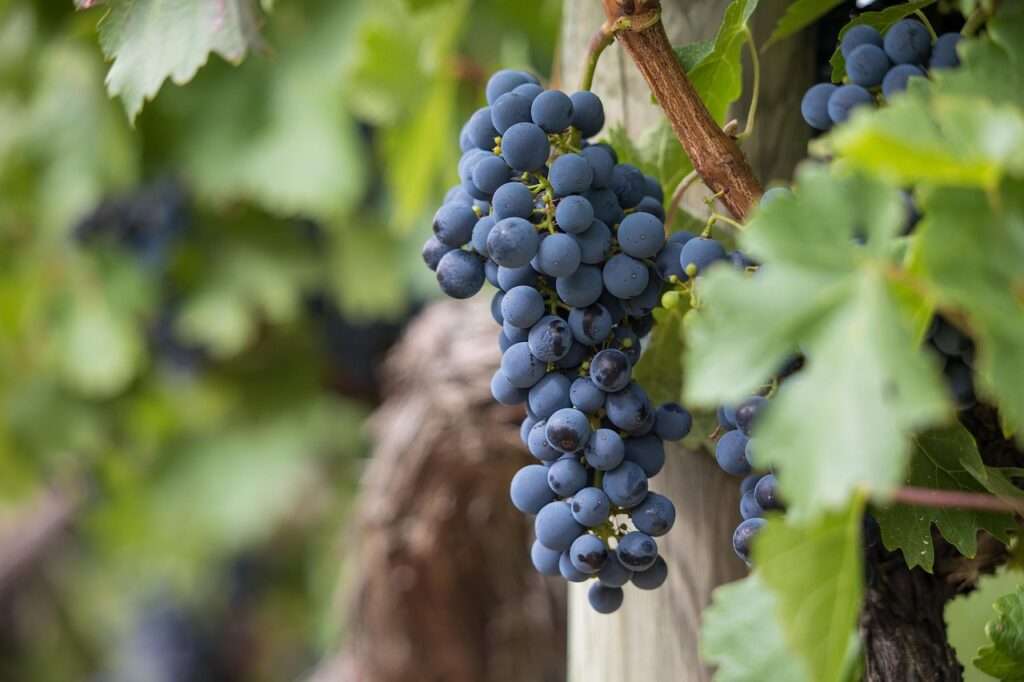
The result? A wine that’s as close to nature as possible. In the U.S., the USDA certifies organic wines, requiring 100% organic grapes and strict processing rules. Europe’s standards are similar, with the EU Organic logo signaling purity. For drinkers, it’s a cleaner sip—free from residues that might linger in conventional bottles.
Biodynamic Winemaking: A Step Beyond
Biodynamic wine takes organic to a cosmic level. Rooted in Rudolf Steiner’s 1920s philosophy, it treats the vineyard as a living ecosystem, synced with lunar cycles and natural rhythms. Farmers use nine special preparations—like burying cow manure in horns—to boost soil vitality. No synthetic anything here, just like organic, but with a holistic twist.
Think of it as organic-plus. Biodynamic vines might be tended by hand, with sheep grazing to control weeds. Wineries like France’s Domaine de la Romanée-Conti swear by it, producing legendary Pinot Noirs. Certification comes from groups like Demeter, ensuring the full biodynamic playbook is followed. It’s quirky, yes—but fans say it’s transformative.
Environmental Benefits: Saving the Planet, One Sip at a Time

Organic and biodynamic wines aren’t just good for you—they’re heroes for the earth. Conventional vineyards often lean on chemicals that harm soil, water, and wildlife. Organic practices ditch these, fostering biodiversity with natural pest control—like ladybugs eating aphids—and cover crops that prevent erosion.
Biodynamic goes further, aiming for self-sufficiency. By composting on-site and syncing with nature’s calendar, these vineyards cut waste and carbon footprints. A 2021 study found biodynamic farms store 20% more carbon in soil than conventional ones, fighting climate change sip by sip. Choosing these wines supports a greener planet—cheers to that!
Love eco-friendly vibes? Our tasting kits feature organic and biodynamic selections, perfect for a team building experience that’s kind to the earth.
Health Perks: A Cleaner Glass
Health-conscious drinkers often turn to organic wines to avoid synthetic residues. While research is ongoing, some suggest pesticide traces in conventional grapes could pose risks over time—think endocrine disruption or inflammation. Organic skips these, offering peace of mind.
Sulfites get a bad rap, too, linked to headaches in sensitive folks. Organic wines cap sulfites at 100 ppm (versus 350 ppm in conventional), and biodynamic often uses even less. Anecdotally, fans report fewer “wine hangovers” with these bottles. Pair that with antioxidants like resveratrol, and you’ve got a guilt-free pour.
Flavor Factor: Does It Taste Better?
Here’s the big question: do organic and biodynamic wines taste different? Many say yes—and science hints at why. Unstressed vines in healthy soils can yield grapes with purer, more vibrant flavors. A Chardonnay from an organic plot might burst with apple and minerality, free of chemical aftertaste.
Biodynamic fans claim an extra “energy” in the glass—think a Syrah with deeper spice or a Sauvignon Blanc with vivid zest. Critics argue it’s placebo, but blind tastings often sway skeptics. The proof’s in the pour—try it and see.
Key Differences: Organic vs. Biodynamic
Still fuzzy on the distinction? Here’s a breakdown:
- Philosophy: Organic focuses on chemical-free farming; biodynamic adds spiritual and ecological harmony.
- Practices: Organic bans synthetics; biodynamic uses cosmic timing and preparations like stinging nettle tea.
- Certification: Organic follows USDA or EU rules; biodynamic needs Demeter or similar approval.
- Scope: Organic stops at the grape; biodynamic treats the whole farm as one organism.
Both prioritize sustainability, but biodynamic’s quirks make it a niche within a niche. Your choice depends on taste—and values.
Top Picks to Try
Ready to taste the difference? Here are standout organic and biodynamic wines:
- Bonterra Organic Cabernet Sauvignon (California): Rich blackberry and vanilla, all organic goodness.
- Frey Biodynamic Chardonnay (Mendocino): Crisp pear and citrus, sulfite-free and biodynamic.
- Domaine Zind-Humbrecht Gewürztraminer (Alsace): Organic with biodynamic roots, floral and spicy.
- Emiliana Coyam (Chile): A biodynamic red blend with bold fruit and earthy depth.
Our virtual tastings spotlight these gems, pairing education with enjoyment—ideal for a team building night.
Challenges and Myths
Organic and biodynamic wines aren’t perfect. Yields can dip without chemicals, hiking prices—expect $15-$50 versus $10-$30 for conventional. Weather’s a wild card, too; a wet year might mean more natural fungicides. And no, they’re not “hippie gimmicks”—serious winemakers like Château Pontet-Canet prove their worth with world-class bottles.
Another myth? They’re all funky “natural” wines. Nope—many are polished and precise, rivaling any classic.
Why It Matters to You
Choosing organic or biodynamic wine isn’t just a purchase—it’s a statement. You’re supporting farmers who prioritize soil over shortcuts, health over haste. For eco-warriors, it’s a vote for sustainability. For flavor chasers, it’s a chance to taste terroir in its rawest form.
It’s practical, too. These wines often age beautifully, thanks to balanced grapes, making them cellar stars. And for groups, exploring them together doubles as a team building experience—educational, tasty, and fun.
How to Dive In
Ready to sip sustainably? Here’s your starter plan:
- Shop Smart: Look for “USDA Organic” or “Demeter Biodynamic” labels at stores or online.
- Taste Test: Grab an organic Rosé and a biodynamic red—compare notes.
- Host a Night: Share the story with friends. Our tasting packages deliver the goods, complete with expert guidance.
- Learn More: Books like Biodynamic Wine by Monty Waldin unpack the magic.
Start small—a single bottle—and let your palate lead the way.
A Toast to Tomorrow
Organic and biodynamic wines are more than a trend—they’re a movement. They marry taste with conscience, proving wine can be indulgent and responsible. Each glass supports a cleaner planet, healthier vines, and a legacy of care.
So, next time you pour, make it organic or biodynamic. Share it with your crew for a team building moment that matters. Here’s to wines that taste great—and do good. Cheers to the future!
Hashtags: #OrganicWine #BiodynamicWine #SustainableWine #WineLovers #EcoFriendlyWine #WineTasting #GreenLiving #HealthyWine #WineJourney #Terroir
Find out more about our experiences.
You may also want to check out our gallery for past events.
Other interesting links
- CUSTOMIZE YOUR EXPERIENCE
- Team Building blog
- Wine Courses
- THE BLIND TASTING COMPETITION
- THE PERFECT BLEND COMPETITION
- TEQUILA & MEZCAL EXPERIENCE
- Food & Wine Pairing
- VIRTUAL EXPERIENCES
Links to other interesting articles:
73-powerful-team-building-activities
unlock-the-fun-with-18-virtual-team-building-activities
powerful-tips-for-crafting-a-company-culture
Links to other interesting articles:
19-amazing-virtual-team-building-activities
35-powerful-team-building-activities