What Is Zinfandel?
Zinfandel is one of the most distinctly American wine grapes — not because it originated here, but because California made it famous. A bold, fruit-forward red wine with flavors of blackberry jam, dark cherry, black pepper, and often a hint of chocolate or tobacco, Zinfandel hits hard: most bottles land between 14% and 17% ABV.
The grape itself has a complicated identity. DNA testing revealed it’s genetically identical to the Croatian grape Crljenak Kaštelanski and closely related to Italy’s Primitivo. But despite its European roots, Zinfandel found its truest expression in the warm, sun-drenched valleys of California — particularly Sonoma, Napa, and the Sierra Foothills. Today, California grows about 90% of the world’s Zinfandel.
I find Zinfandel to be one of the most expressive and immediately likable red wines out there. It doesn’t ask much of you. You don’t need to pair it perfectly or age it for a decade. Pour it into a big glass and let it breathe — most of the time, that’s enough.
Zinfandel Flavor Profile
The flavor profile of Zinfandel depends heavily on the winemaking style and where the grapes were grown. But across the board, expect:
- Fruit: Blackberry, raspberry jam, dark cherry, dried fig, raisins (in riper styles)
- Spice: Black pepper, cinnamon, cardamom
- Oak: Vanilla, mocha, cedar (when aged in American or French oak)
- Body: Full-bodied, low-to-moderate tannins, high alcohol
One thing that defines Zinfandel is its tendency toward jammy, almost preserves-like fruit concentration — especially in warmer growing years. That richness is part of the appeal, though it can tip into flabbiness if the winemaker isn’t careful about balancing acidity.
Zinfandel vs. White Zinfandel vs. Primitivo
A lot of people encounter Zinfandel first through White Zinfandel — the sweet, blush-pink wine that became wildly popular in the 1970s and 80s. These are made from the same grape, but the winemaking couldn’t be more different.
| Style | Color | Sweetness | Alcohol | Best For |
|---|---|---|---|---|
| Red Zinfandel | Deep ruby/purple | Dry | 14–17% | Grilled meats, BBQ, bold dishes |
| White Zinfandel | Pale pink | Off-dry to sweet | 9–11% | Light sipping, casual gatherings |
| Primitivo (Italy) | Ruby | Dry | 13–15% | Pasta, pizza, Mediterranean food |
| Zinfandel Port-style | Dark ruby | Sweet/fortified | 18–20% | Dessert, cheese boards |
Primitivo from Puglia, Italy is technically the same grape, but it typically produces a slightly leaner, earthier wine with lower alcohol. The terroir does the work — the same grape in California versus southern Italy is a genuinely different drinking experience.
Key Zinfandel Wine Regions
California
California is home to the world’s most celebrated Zinfandel. Within the state, several AVAs (American Viticultural Areas) have earned reputations for exceptional quality:
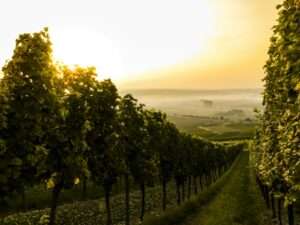
Sonoma County — Dry Creek Valley: The benchmark. Dry Creek produces Zinfandel with classic blackberry and plum fruit, firm structure, and genuine balance. Farms here include some of the oldest Zinfandel vines in the United States — gnarled, ancient head-trained vines that produce lower yields and more concentrated fruit.
Amador County — Sierra Foothills: High-elevation vineyards with old-vine Zinfandel that leans rustic and earthy. These wines have more grip and less overt fruitiness than Dry Creek — if you want something with a bit of complexity and age-worthiness, look here.
Lodi: One of the largest Zinfandel-producing regions in California. Lodi Zinfandel is known for being approachable, fruit-forward, and excellent value. The warm climate produces ripe, generous fruit, and many producers here work with old vines.
Napa Valley: Napa grows Zinfandel, though it’s less of an identity grape there than Cabernet Sauvignon. Napa Zins tend to be polished and full-bodied.
Italy — Primitivo di Manduria
In Puglia, Italy’s “heel of the boot,” Primitivo produces some of Italy’s most robust red wines. Primitivo di Manduria DOC is the flagship appellation. These wines tend to have more savory character — dried herbs, leather, dark fruit — and pair beautifully with hearty Italian dishes.
Old Vine Zinfandel: Why It Matters
“Old vine” is one of the most evocative (and least regulated) terms in wine. For Zinfandel, it genuinely means something. Vines over 50–100 years old naturally produce fewer grapes, but those grapes are more concentrated in flavor and complexity.
California is home to some of the oldest Zinfandel vines in the world — some plantings date back to the 1880s. Wineries like Ridge Vineyards, Turley Wine Cellars, and Seghesio have built entire reputations around showcasing these historic vineyards. When you buy an old-vine Zinfandel, you’re tasting fruit from a vine that may have survived Prohibition, the Great Depression, and multiple wine industry collapses.
In my experience, old-vine Zinfandel consistently delivers more nuance — less jammy sugar rush, more dried fruit, earth, and spice complexity. It’s worth the extra ten dollars.
Food Pairing for Zinfandel
Zinfandel’s bold fruit, good spice, and moderate tannins make it one of the most food-friendly big reds. It doesn’t need to be treated delicately.
Classic pairings:
- BBQ ribs, brisket, pulled pork
- Burgers with sharp cheddar or blue cheese
- Grilled lamb with rosemary
- Spicy Italian sausage, pizza with pepperoni
- Hearty pasta — bolognese, arrabbiata, meat ragù
Slightly unexpected pairings that work:
- Thanksgiving turkey (especially with cranberry sauce — mirrors the fruit)
- Smoky, spiced chili
- Tex-Mex with mole
- Dark chocolate desserts (with an off-dry or port-style Zinfandel)
The rule of thumb: match boldness with boldness. Zinfandel can handle strong flavors. Where it struggles is with delicate fish or cream sauces — the wine will overwhelm them.
How to Serve Zinfandel
Temperature: 60–65°F (15–18°C). Zinfandel at room temperature in a warm room can taste flat and alcoholic. A 20-minute chill in the fridge before serving makes a real difference.
Glassware: Use a large-bowled red wine glass — a Bordeaux or Burgundy-style glass works well. You want room to swirl and let the alcohol blow off a bit.
Decanting: Young Zinfandels benefit from 30–45 minutes of air. Give it time and the fruit opens up beautifully.
Zinfandel and Alcohol: What to Know
Zinfandel is one of the highest-alcohol red wines you’ll regularly encounter. A bottle at 15.5% or 16% ABV isn’t unusual — and some push past 17%. This happens because Zinfandel grapes ripen unevenly on the cluster. Winemakers often wait for the whole cluster to ripen, which means some berries are overripe (and very high in sugar) by harvest time.
High alcohol isn’t automatically a flaw, but it can produce a wine that feels hot and heavy rather than lush and warming. The best Zinfandel producers manage this through careful harvesting, blending, and restraint in the winery. If you prefer a leaner style, look for bottles explicitly labeled as “lower ABV” or seek out producers in cooler-climate regions.
Building a Team Wine Experience Around Zinfandel
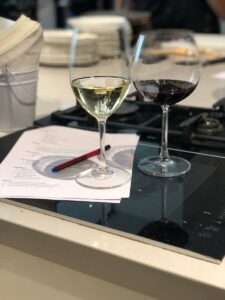
Zinfandel is an exceptional wine for group tastings. Its flavors are big and immediately recognizable — even someone who’s never analyzed a wine can pick out “dark fruit,” “jam,” and “pepper” without much coaching. That accessibility makes it perfect for beginners, while the complexity of old-vine examples gives seasoned wine drinkers something to explore.
At The Wine Voyage, Myrna Elguezabal has built corporate tasting experiences around bold, expressive varietals like Zinfandel precisely because they create conversation. When a team is working through a side-by-side Dry Creek versus Sierra Foothills comparison, the differences are obvious enough to generate genuine discussion — and that’s where team connection happens. It’s a natural fit for company events, client entertainment, and team-building sessions that don’t feel like team-building.
Recommended Bottles to Try
If you’re new to Zinfandel or want to explore the range, here’s a starting framework:
- Entry-level, everyday drinking: Lodi producers like Michael David Winery’s “7 Deadly Zins” — reliable, fruit-forward, reasonably priced
- Classic Sonoma style: Seghesio Sonoma Zinfandel — one of the most consistent value producers in California
- Old-vine serious expression: Ridge Geyserville or Turley Old Vine Zinfandel — these are the benchmarks
- Italian comparison: Masseria Pepe Primitivo di Manduria — shows how different terroir shapes the same grape
Explore related guides on our site: Cabernet Sauvignon, Syrah and Shiraz, Malbec, bold red wines, Sangiovese, and how to pair wine with food for serving ideas that work with Zinfandel’s big personality.
Further Reading
For deeper dives into Zinfandel’s history, production, and top producers, these two resources are worth bookmarking: Wine Folly’s Zinfandel guide offers excellent visual maps of California’s key AVAs, and Decanter’s Zinfandel coverage includes expert producer recommendations and vintage notes from their panel of MWs.