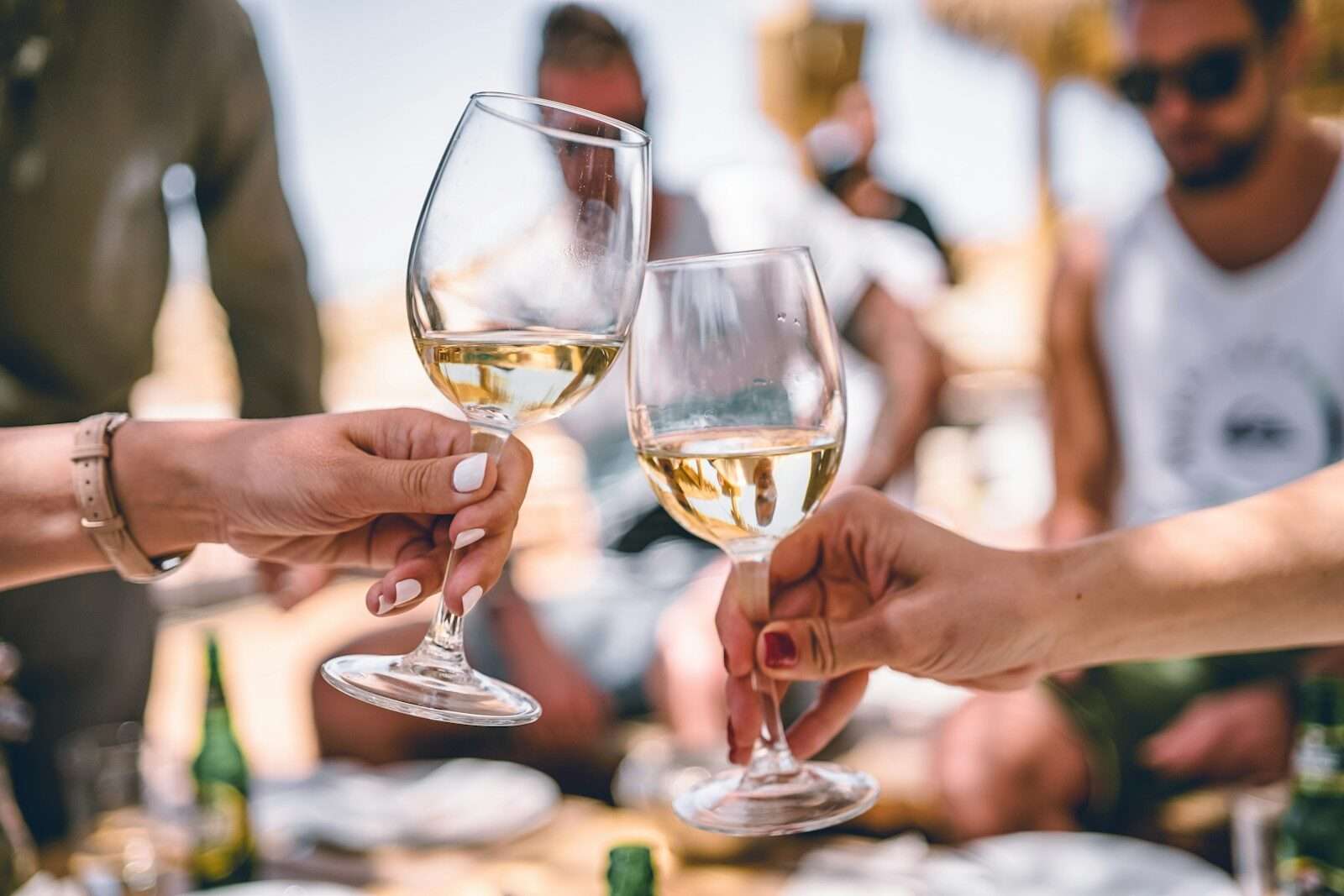
I’ve hosted hundreds of private wine tasting events over the years — small dinner parties, corporate buyouts, milestone celebrations, bachelorette weekends — and the ones people remember aren’t the ones with the most expensive bottles. They’re the ones with the clearest story.
A private wine tasting event is different from a wine tasting party in one key way: it’s curated. Someone made deliberate choices about what you’re tasting and why. The bottles aren’t random. The progression means something. And a good host — or a good self-guided structure — helps guests understand what they’re experiencing as they experience it.
This guide covers everything you need to plan a private wine tasting event from scratch, whether you’re doing it yourself or working with a professional facilitator.
What Makes a Private Wine Tasting Event Work
The failure mode I see most often: too many wines, too little structure, too much free-pouring. By glass three, the conversation has drifted, the palate is tired, and no one remembers what they tasted.
The success formula is simpler than most people think:
- A clear theme that limits scope
- A logical tasting order
- Small pours (2–2.5 oz per wine)
- Something to taste against (a note card, a comparison, a question)
- Water and palate cleansers available throughout
- Food that complements rather than dominates
That’s it. Everything else is decoration.
Choosing a Theme for Your Private Wine Tasting Event
The theme is the most important decision you’ll make. It determines which wines you buy, how you order them, and what your guests learn.
Theme Option 1: Regional Comparison
Pick one region and taste through its diversity. Example: five different Burgundy producers at different price points, or a horizontal tasting of Willamette Valley Pinot Noirs. Guests come away with a real sense of place.
Theme Option 2: Grape Variety Deep Dive
Choose one grape and show how it expresses differently across climates. Chardonnay from Chablis, Burgundy, California, and Australia — same grape, radically different wines. This is one of the most educational formats for wine-curious guests.
Theme Option 3: Blind Tasting Competition
No labels. Guests score each wine on aroma, taste, and finish, then guess origin, price, or variety. This is my personal favorite for groups — it creates genuine suspense and levels the playing field completely. A wine director who’s been drinking for 30 years has exactly the same information as the colleague who had their first glass of wine last Tuesday.
Theme Option 4: Food and Wine Pairing
Course by course: each dish is paired with one wine, and the host explains the logic. This format works beautifully for dinner parties and client entertainment events. It’s more relaxed than a structured tasting but still educational.
Theme Option 5: Price Revelation
Taste five wines without prices, rank them, then reveal the actual retail price of each. Almost universally, guests are surprised. This is a crowd-pleaser that generates genuine conversation about value perception and what we actually taste versus what we expect to taste.
How Many Wines to Include
| Event Size | Wine Count | Pour Size | Notes |
|---|---|---|---|
| 6–8 guests | 4–5 wines | 2 oz | Intimate, conversational |
| 10–20 guests | 5–6 wines | 2 oz | Core format for most private events |
| 20–40 guests | 5–6 wines | 2 oz | Needs a facilitator or mic |
| 40+ guests | 4–5 wines | 1.5–2 oz | Keep it tightly structured |
More than 6 wines in a single session and palate fatigue becomes a real problem. I’ve done 8-wine events and they work, but only if there’s a substantial food interlude at the halfway point and the tasting notes are very clear.
Wine Selection and Ordering
The classic tasting order rules:
- Sparkling before still — bubbles cleanse and prepare the palate
- White before red — reds have more tannin and impact
- Lighter before fuller-bodied — build intensity gradually
- Dry before sweet — sweetness ruins your palate for drier wines
For a private wine tasting event with mixed guests, I typically structure it like this:
- One sparkling or crisp white (Cava, Albariño, Champagne) — arrival pour
- Two whites with increasing body (Sauvignon Blanc → Chardonnay)
- Two reds with increasing intensity (Pinot Noir → Cabernet Sauvignon)
- Optional: one dessert wine or aged fortified wine if the group is enthusiastic
This gives guests a complete arc without overwhelming anyone.
Food Pairing for Private Tastings
Food serves two functions at a private wine tasting event: palate cleansing between wines, and flavor contrast that makes both the food and wine taste better.
What works:
- Plain crackers or bread between wines
- Cheese board with variety (fresh, aged, blue, washed rind)
- Charcuterie that complements red wines
- Light canapés timed to arrive between flights
- A proper meal served alongside the final wines
What to avoid:
- Heavy, spicy foods that overwhelm delicate wines
- Sweetened appetizers before dry whites
- Serving a full meal mid-tasting (it kills the arc)
- Onion-heavy dishes that persist on the palate
Glassware and Equipment
You do not need to spend a lot of money on glassware for a private wine tasting event. You do need glasses that are clean, odor-free (no dish soap residue), and appropriately sized.
For most private tastings, one universal red wine glass per person works fine. If you’re doing a formal event with alternating whites and reds, two glasses per person is ideal.
Essential equipment checklist:
- Glasses (one or two per guest)
- Wine opener (plus a backup)
- Ice bucket or wine cooler for whites
- Spittoons or dump buckets (optional but professional)
- Water glasses and a pitcher
- Tasting note cards and pens if you want guests to record impressions
- Decanter if serving tannic young reds
Setting Up the Room
The physical setup matters more than most hosts expect. A few principles:
Light matters. Natural light or warm incandescent light lets guests see the wine’s actual color. Avoid blue-tinted lighting — it makes every wine look the same.
Seating shapes the experience. A long dining table creates a linear, structured feel. Lounge seating creates a more casual social experience. For structured tastings, a table is better. For social wine events, lounge works.
Pouring logistics. For groups under 15, you can self-pour from bottles on the table. For larger groups, designate pourers or hire service staff. Running out of a wine mid-tasting or waiting 10 minutes for a pour breaks the energy.
When to Hire a Professional Host
Self-guided private wine tasting events work fine for friend groups and small dinner parties. But for corporate events, client entertainment, or milestone celebrations, a professional host changes the quality of the experience significantly.
A good wine host:
- Controls the pacing so no one gets lost or bored
- Answers questions without making guests feel uninformed
- Creates narrative through the tasting
- Handles logistics quietly so you can actually enjoy your own event
- Adjusts tone to the group — technical with wine professionals, playful with novices
At The Wine Voyage, we host private wine tasting events for corporate teams and private groups across California. Our Blind Tasting Competition format is the most popular for groups — it’s structured, competitive, and genuinely fun regardless of wine knowledge level. We also offer Food and Wine Pairing dinners, Wine Blending Competitions, and virtual experiences for distributed teams.
Virtual Private Wine Tasting Events
For remote or hybrid teams, virtual formats are remarkably effective. The format is simple: wine kits ship to each participant’s door before the event, and a professional host runs the tasting over video.
The keys to making virtual tastings work:
- Ship kits at least 5 business days in advance
- Confirm addresses carefully (particularly apartment buildings)
- Run a tech check 15 minutes before start time
- Use a format with structured conversation prompts, not open-ended chat
- Keep it to 60–75 minutes maximum
We run virtual private wine tasting events regularly for companies with distributed teams. The feedback is consistently that it’s one of the few virtual events that actually generates real conversation.
How Much Does a Private Wine Tasting Event Cost?
Cost varies significantly based on wine quality, facilitation, and format. A rough framework:
| Format | DIY Cost (per person) | Facilitated Cost (per person) |
|---|---|---|
| Basic 4-wine tasting | $25–$40 | $65–$95 |
| 5–6 wine tasting with food | $45–$70 | $90–$130 |
| Formal blind competition | $50–$80 | $100–$150 |
| Food & wine pairing dinner | $80–$120 | $150–$250 |
Corporate events typically include facilitation, all materials, and professional hosting. Private social events can bring DIY costs down substantially if you’re willing to do the sourcing yourself.
Common Mistakes to Avoid
Serving wines too warm. White wines should be 48–55°F, light reds 55–60°F, full reds 60–65°F. Room-temperature California is not the right serving temperature for most wines.
Opening reds too late. Tannic reds benefit from 30–60 minutes of air. Open them when guests arrive, not when you pour.
Over-explaining. Guest enjoyment drops sharply when the educational component feels like a lecture. Provide structure, ask questions, let people discover — don’t narrate every wine for five minutes.
Forgetting non-drinkers. Have sparkling water and non-alcoholic options available without making them feel like an afterthought.
For more on wine event planning, see our guides on wine tasting team building, wine tasting party ideas, wine tasting games for groups, and how to host a blind wine tasting.
Further Reading
To go deeper on wine tasting technique and event design, I recommend Wine Folly’s guide to blind tasting and Decanter’s tutorial on organizing your own wine events.