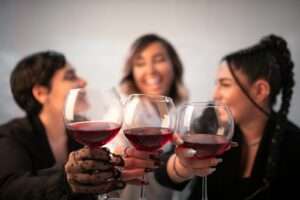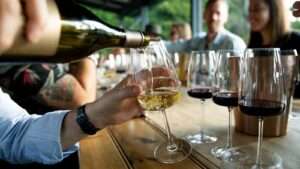
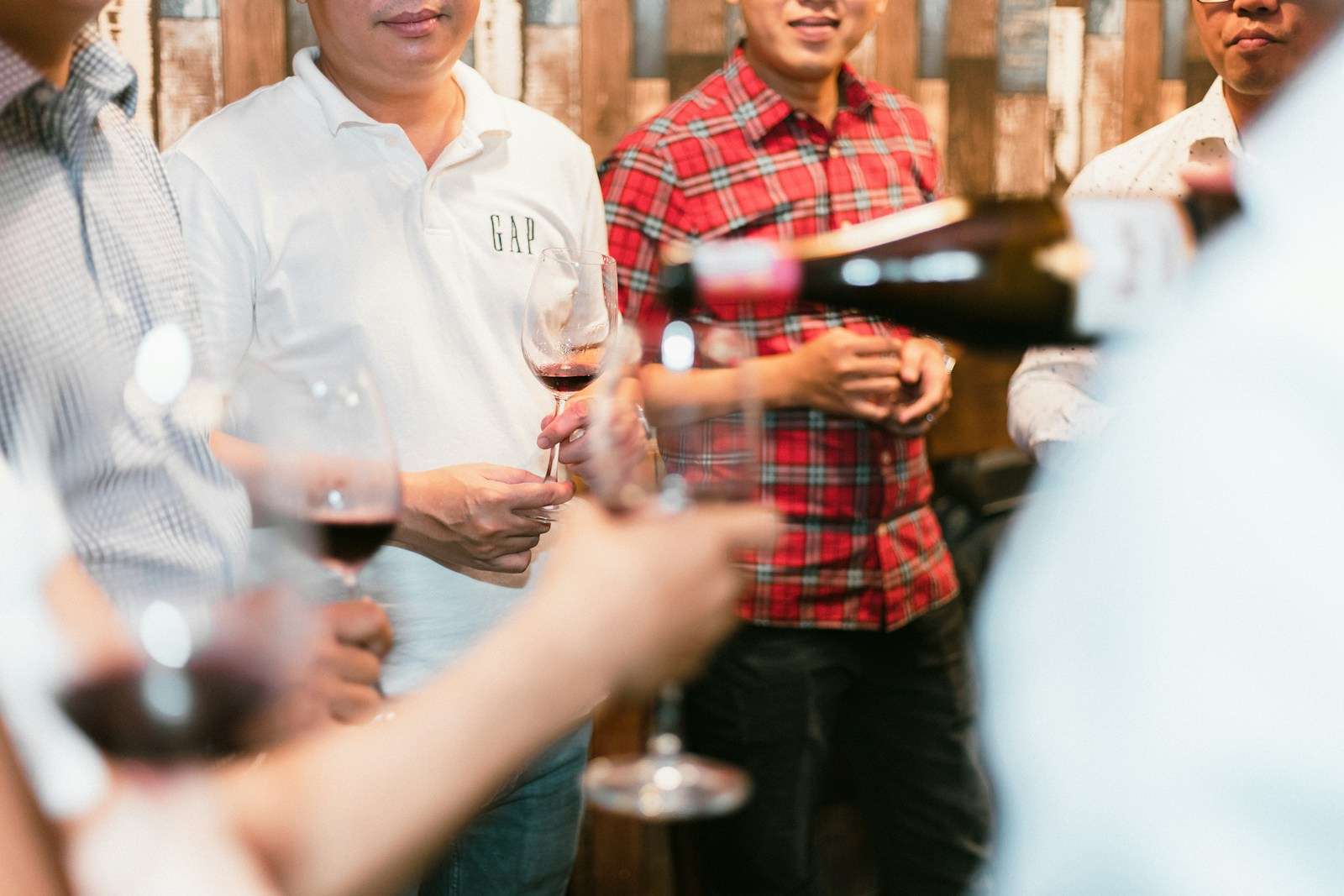
A wine tasting party is one of the best ways to explore wine with people you actually like — and it doesn’t require a sommelier certification or a wine cellar to pull off well. The format is naturally social, gently educational, and genuinely fun when it’s done right. People who’d never sign up for a wine lecture will happily compare notes on which Pinot Noir they liked best over good food and conversation.
I’ve seen wine tasting parties range from six friends around a kitchen table to eighty people in a corporate event space, and the principles that make them work are the same at any scale. This guide covers everything: how to pick wines, structure the tasting, set up the space, choose food, and keep the energy going.
What Makes a Great Wine Tasting Party
Before the logistics, get clear on one thing: the best wine tasting parties are about the experience, not a test. Nobody should feel intimidated or judged. The goal is discovery — finding wines you love, understanding why you love them, and making that process enjoyable together.
That mindset shapes every decision, from how many wines to serve to whether you reveal the labels before or after tasting.
Choosing a Theme
A theme gives your wine tasting party structure and makes shopping easier. Here are the formats that work best:
| Theme | What You Taste | Best For |
|---|---|---|
| Regional focus | 4–6 wines from one region (e.g., all Burgundy) | Wine enthusiasts, educational tone |
| Varietal comparison | Same grape from different countries | Any group — great for spotting differences |
| Blind tasting | Labels hidden, guests guess | Adventurous groups, fun competitive element |
| Price comparison | Budget vs. mid-range vs. splurge | Revealing and often surprising |
| Old World vs. New World | French Syrah vs. Australian Shiraz, etc. | Great entry point for beginners |
| Food and wine pairing | Each wine paired with a specific bite | Dinner party crossover format |
| Sparkling-only | Champagne, Prosecco, Cava, Crémant | Celebrations, lighter mood |
For a first wine tasting party, I’d recommend either the varietal comparison or the price comparison format. Both create natural conversation, reveal something genuinely surprising, and don’t require deep wine knowledge to enjoy.
How Many Wines to Serve
This is the question I get most often. The answer depends on group size and how serious vs. social the event is meant to be.
A good general rule:
| Group Size | Wines to Serve | Pour Size |
|---|---|---|
| 6–8 guests | 4–6 wines | 1–1.5 oz per wine |
| 10–15 guests | 5–6 wines | 1–1.5 oz per wine |
| 20+ guests | 5–8 wines | 1 oz per wine |
One 750ml bottle provides about 25 one-ounce pours. For a 10-person tasting with 5 wines at 1.5 oz each, you need roughly 4–5 bottles per wine — budget accordingly.
For a casual wine tasting party, 5–6 wines is the sweet spot. Fewer feels thin; more than eight starts to overwhelm guests’ palates and attention.
Setting Up the Space
The physical setup matters more than people expect. A few principles:
Good light. Evaluating wine color is part of the experience. Avoid dimly lit spaces if you can; even adding candles to supplement overhead light helps.
White tablecloths or white paper. Holding a glass against a white background lets you see the wine’s hue and depth clearly. White paper on the table surface does the job at no cost.
One glass per wine per person. This is the single biggest investment for a wine tasting party. People need to keep their wines separate to compare them. Either rent glasses, use a mix of what you own, or buy basic ISO tasting glasses inexpensively.
Spittoons or dump buckets. Not everyone wants to spit — it’s a personal choice — but having a dump bucket available lets guests pace themselves through a longer tasting.
Water and neutral bread or crackers. Guests need to cleanse their palates between wines. Plain water crackers, baguette slices, or plain breadsticks work. Avoid strongly flavored foods between pours.
Tasting cards. Simple printed cards with space to note the wine name, color, aroma, taste, and score give guests something to do and help them remember what they tasted. You can download templates or make a simple one in Word.
Tasting Order: The Sequence Matters
Serve wines in an order that doesn’t dull the palate:
- Sparkling wines first (bubbles cleanse and stimulate)
- Light white wines before full-bodied whites
- Sweet whites (if any) before reds
- Light reds before full-bodied reds
- Dessert wines and fortified wines last
Within reds: Pinot Noir before Merlot, Merlot before Cabernet Sauvignon, Cabernet before Syrah. Start light, build weight.
If you’re doing a blind tasting or a varietal comparison, the same principle applies — arrange from lightest to boldest style within the category.
Food for a Wine Tasting Party
Food and wine interact, so what you serve matters. For a structured tasting, keep food neutral until the formal portion is done. For a social tasting party with a more relaxed format, pair food intentionally throughout.
Neutral snacks (for between pours):
- Plain water crackers
- Sliced baguette
- Mild breadsticks
- Unsalted nuts
Pairing food by wine type:
| Wine Served | Good Food Pairing |
|---|---|
| Champagne / Sparkling | Smoked salmon, oysters, light blinis |
| Sauvignon Blanc | Goat cheese, cucumber, herb dips |
| Chardonnay | Brie, mild cheddar, roasted chicken bites |
| Pinot Noir | Charcuterie, mushroom crostini, Gruyère |
| Cabernet Sauvignon | Aged cheddar, beef sliders, dark chocolate |
| Syrah / Shiraz | Lamb meatballs, olive tapenade, manchego |
| Dessert wine | Blue cheese, fruit tart, almond biscotti |
Keep portions small — this is a tasting, not a meal (unless you’re integrating the dinner deliberately).
Running the Tasting: A Simple Format
You don’t need to be an expert to lead a wine tasting party. Here’s a simple format that works:
Introduction (5 minutes): Explain the theme and what you’re tasting. Tell guests not to worry about using the “right” words — describe what they actually smell and taste, not what they think they’re supposed to say.
Each wine (5–8 minutes each):
- Pour the wine
- Look: What color is it? How deep?
- Smell: Take 2–3 sniffs with the glass still. Then swirl and smell again. What changed?
- Taste: Take a sip. Let it sit for a moment. What do you notice first? What lingers?
- Score: Each guest rates the wine 1–10 on their card
- Discuss: Open it up — what did people notice? Any surprises?
Final debrief: After all wines, reveal labels (if blind), compare scores, and discuss the overall favorite. This is where the real conversation happens.
The blind reveal — if you’re doing a blind tasting — is consistently the most entertaining moment of any wine tasting party. People get strongly attached to their guesses and the surprises almost always generate the most laughter.
Common Mistakes to Avoid
Serving wines too warm. Red wines are often served too warm, which makes the alcohol more prominent and the fruit flat. Aim for 60–65°F for most reds; 45–50°F for whites.
Wearing strong perfume or cologne. Scent is most of what we perceive as “taste.” Perfume overwhelms the aromatics of the wine for you and everyone near you.
Overwhelming guests with information. Keep the educational content light and engaging. The goal is for everyone to enjoy the wine, not to pass a test.
Forgetting to eat something before. Hosting is busy work — make sure you’ve eaten before guests arrive, and remind guests to do the same.
Taking It Further: Guided Experiences
A self-run wine tasting party is genuinely satisfying. But there’s a difference between pouring wine and someone else and having a trained guide walk your group through the sensory experience, answer questions, and structure the discovery process for you.
This is exactly what Myrna Elguezabal and the Wine Voyage team do for corporate groups and private events. Rather than the host having to know all the answers, a guided wine tasting party means the expert is already in the room — you just show up curious. It’s especially effective for larger groups (20+) where managing logistics and leading the tasting simultaneously becomes genuinely difficult.
If you’re planning a wine tasting party for a team, a milestone celebration, or a client event, a professionally guided format elevates the experience significantly while actually reducing your workload.
For more on wine tasting and pairing, see our guides to how to taste wine, wine and cheese pairing, wine glasses, wine tasting team building, Champagne, Prosecco, Pinot Noir, Cabernet Sauvignon, and wine for beginners.
Further Reading
For more ideas and structure, I’d recommend Wine Folly’s guide to hosting a wine tasting and Decanter’s guide to organizing your own wine tasting.