Rum might be the most misunderstood spirit in the world. Ask most people what they know about rum and you’ll get one of three answers: pirates, coconut, or Cuba Libre. Which is a shame, because what’s actually happening in rum — across the Caribbean and beyond — is as complex and regionally specific as anything in wine.
I came to rum through the back door of cocktail culture, then got properly pulled in when a bartender in New Orleans poured me a 15-year Barbadian neat and told me to forget everything I thought I knew. I did. By the end of the glass, I was taking notes.
This guide covers everything: how rum is made, the major regional styles, how to taste it properly, and how to bring a group along for the journey.
How Rum Is Made
Rum is distilled from sugarcane — either fresh-pressed sugarcane juice (called vesou or garapa) or molasses, the byproduct of refining sugarcane into table sugar. This single variable — juice versus molasses — drives much of the stylistic diversity in the category.
Molasses-based rum (the majority of the world’s production) starts with the most concentrated, flavor-intense byproduct of sugar processing. Molasses gives rum its characteristic richness, its dark fruit notes, and its complexity. Most Caribbean rum is molasses-based.
Sugarcane juice rum (called Rhum Agricole when made in French-speaking territories) captures a more vegetal, grassy, almost earthy character. This style is the specialty of Martinique, Guadeloupe, and Haiti, and has a completely different sensory profile than molasses rum.
After fermentation (yeast converts sugar to alcohol), the liquid is distilled in either pot stills (which retain more flavor compounds) or column stills (which produce a lighter, cleaner spirit). The choice of still type shapes the rum’s body dramatically.
Then aging — or not. White rums are typically filtered clear and bottled young. Aged rums spend years in wood, usually American oak barrels that previously held bourbon.
The Regional Styles of Rum
The rum world organizes loosely into three production traditions that correspond to the colonial history of the Caribbean.
Spanish Style (Ron)
Production tradition: Lighter fermentation, column still emphasis, smooth and clean. Key producers: Cuba, Puerto Rico, Dominican Republic, Panama, Venezuela. Flavor profile: Lighter, sweeter, more elegant. Caramel, vanilla, dried fruit. The benchmark for mixing. Examples: Bacardi, Ron Diplomático, Brugal, Flor de Caña, Plantation Gran Añejo.
The Spanish style prioritizes approachability and consistency. These rums are the workhorses of the cocktail world — and the best aged expressions (Diplomático 12, Plantation Panama 2001) reward neat sipping.
English Style (Rum)
Production tradition: Heavier fermentation, pot still emphasis, more ester-rich and funky. Key producers: Jamaica, Barbados, Guyana, Trinidad, Bermuda. Flavor profile: Rich, complex, often funky. Overripe fruit, molasses, leather, spice, dark chocolate. Examples: Appleton Estate, Mount Gay, El Dorado, Plantation Barbados, Hampden Estate.
Jamaican rum, in particular, has become a category unto itself among spirits enthusiasts. The “funk” in Jamaican rum comes from esters produced during long, wild fermentations and distillation in traditional pot stills. It’s an acquired taste that becomes completely addictive.
French Style (Rhum Agricole)
Production tradition: Fresh sugarcane juice, typically pot still, often Appellation d’Origine Contrôlée regulated. Key producers: Martinique, Guadeloupe, Haiti, Réunion. Flavor profile: Grassy, vegetal, almost medicinal when young. Develops enormous complexity with age — dried herbs, earth, tropical fruit, a long minerally finish. Examples: Clément, Rhum J.M., Neisson, Barbancourt (Haiti).
Rhum Agricole is to molasses rum what Champagne is to Prosecco — related, but playing an entirely different game. Martinique Agricole has AOC protection, the only spirit outside France with this designation.
Regional Style Comparison
| Style | Base | Distillation | Typical Profile | Best For |
|---|---|---|---|---|
| Spanish (Ron) | Molasses | Column still | Light, sweet, smooth | Cocktails, accessible entry |
| English (Rum) | Molasses | Pot still (often) | Rich, funky, complex | Sipping, bold cocktails |
| French (Agricole) | Cane juice | Pot still | Grassy, earthy, distinct | Neat sipping, Ti’ Punch |
| Brazilian (Cachaça) | Cane juice | Varies | Grassy, fruity, sometimes floral | Caipirinha |
| South Asian (Arrack) | Sugarcane & coconut | Pot still | Funky, unique, coconut notes | Regional cocktails |
How to Read a Rum Label
Rum labeling is notoriously inconsistent. There’s no universal international standard, which means a bottle labeled “12-year” might mean different things from different producers.
Age statements: In most traditions, the age stated is the minimum age of the youngest rum in the blend. Some producers use the “solera method,” which produces an average age — so a “Solera 15” doesn’t mean every drop is 15 years old.
Color: Dark color doesn’t necessarily indicate age. Many producers add caramel coloring for consistency and market expectations. Color-doctoring is legal in most rum-producing countries.
Proof: Most rums are bottled between 40% and 46% ABV. Overproof rums (Wray & Nephew, Smith & Cross) run 57–63% and are transformative in cocktails even in small amounts.
Single Barrel vs. Blend: As with whiskey, single barrel rums show exactly what came out of one cask. Blends can achieve more consistency and complexity but lose the specificity.
How to Taste Rum
The Setup
Use a tulip-shaped glass or a Glencairn. The narrow opening concentrates the aromas. Avoid ice in the nosing phase — cold suppresses the complexity.
Pour about 30ml. Add two or three drops of room-temperature water before nosing.
Stage 1: The Nose
Start with the glass about three inches from your face. Identify the broad character:
- Is it heavy and rich (English style) or light and floral (Spanish style)?
- Do you detect cane grass or fresh vegetation (Agricole)?
- Is there an obvious funk? (Jamaican rums often have overripe fruit and a distinct “rancio” note that smells almost cheeselike up close but resolves into complexity in the glass.)
Move closer, then nose with your mouth slightly open. Let the aromatics settle for two minutes and nose again — they shift.
Stage 2: The Palate
Sip a small amount. Let it coat your entire palate before swallowing.
Attack: What hits first? Sweetness, alcohol heat, fruit? Development: What unfolds in the first 15 seconds? Spice, oak, tropical fruit, earth? Finish: How long does it linger? What’s the final note?
Stage 3: Evaluation Questions
- How much oak influence do you detect? (Vanilla, coconut, toasted wood)
- Is there residual sweetness? (Added sugar is common in Spanish-style rums; some producers are now disclosing exact added sugar levels per liter)
- Does the rum feel complete neat, or does it call for dilution?
- How does it change with water?
A Rum Tasting Flight for Groups
A well-structured rum flight can reveal as much diversity as a comparative wine tasting. Here’s a format I use for group sessions:
The “Three Traditions” Flight
- Flor de Caña 12 Year (Spanish/Nicaraguan) — approachable entry point
- Appleton Estate 12 Year (English/Jamaican) — the contrast in style
- Rhum Clément VSOP (French/Martinique Agricole) — the wildcard
- El Dorado 15 Year (English/Guyanese) — aged complexity
- Plantation XO 20th Anniversary (blended) — how the traditions combine
This sequence takes 90 minutes comfortably and generates genuine surprise. Groups that come in thinking rum is “just for cocktails” leave with a different framework entirely.
Pairing Notes for the Flight
| Rum | Food Pairing |
|---|---|
| Spanish light rum | Tropical fruit, coconut, ceviche |
| Jamaican pot still | Dark chocolate (70%+), coffee, jerk spices |
| Rhum Agricole | Aged hard cheese, cured meats, fresh herbs |
| Aged blend | Caramel desserts, pecan, vanilla |
| Navy-strength | Smoked almonds, funky cheese, nothing (just taste it) |
Rum Cocktails as a Learning Tool
One underrated approach to rum education is using cocktails to isolate the spirit’s character. The same rum behaves differently in different contexts:
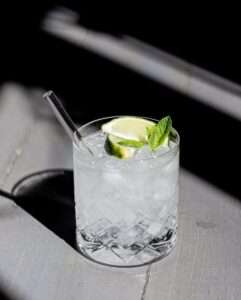
Daiquiri: Rum, lime, simple syrup. The acid strips away complexity and shows you the rum’s fundamental character. Swap in different styles and the differences are startling.
Ti’ Punch: The traditional Martinique drink — Rhum Agricole, a sliver of lime peel, a touch of cane syrup. No ice in the traditional version. Forces you to engage with the Agricole character directly.
Old Fashioned variation: Substitute aged Jamaican rum for bourbon. The funk and richness create a completely different drink. Good for understanding how molasses character interacts with bitters.
Age and Maturation in Rum
Age transforms rum more dramatically than almost any other spirit. The tropics accelerate maturation — the heat causes the liquid to move in and out of the wood more quickly. A 10-year Caribbean rum might have as much wood interaction as an 18-year Scotch whisky.
What oak does to rum:
- Tannins: Add dryness and structure
- Vanilla and coconut: Compounds from the wood itself
- Caramel and toffee: From the charred interior of the barrel
- Color: Deep amber without added caramel
- Integration: Softens harsh alcohol edges, brings the botanicals (from fermentation) into conversation with the wood character
The “angel’s share” — rum that evaporates through the barrel — is also significant in the tropics. Some producers lose 8–10% of volume per year versus 2% in Scotland. That concentration accelerates intensity.
Common Questions About Rum
Is older always better? Not necessarily. Over-oaked rum loses the freshness and fruit character that makes the spirit interesting. Some producers deliberately bottle young rum that would be ruined by more time in wood.
What’s the difference between dark rum and aged rum? Theoretically, darkness indicates age. In practice, many “dark” rums use caramel coloring to achieve the visual without the flavor. Read the label carefully or look for producers who disclose their production methods.
Why does “premium” rum vary so much in price? Unlike Cognac or Scotch, rum has no global regulatory framework that standardizes what “premium” means. Prices reflect marketing as much as production cost. The best values in rum right now are from Barbados and Jamaica.
What’s cachaça? Technically a Brazilian variant of rum made from fresh cane juice, cachaça is the national spirit of Brazil and the base of the Caipirinha. Like Rhum Agricole, it has the grassy, vegetal character of cane juice rather than molasses.
Rum for Groups: The Wine Voyage Approach
Rum doesn’t get the group-experience treatment it deserves. At The Wine Voyage, we’ve added spirits experiences — including rum-adjacent categories like tequila and mezcal — precisely because the education and discovery that happens in a wine tasting translates perfectly to spirits.
A structured rum tasting for a corporate team has the same dynamics: nobody’s expertise is assumed, the blind format equalizes, and the conversation generated by comparing a funky Jamaican with a refined Barbadian is at least as interesting as comparing a Burgundy with a Napa Valley Cabernet.
If your team is interested in exploring spirits more broadly — or in mixing rum-focused exploration into a spirits tasting — we’d love to build something around your group. We’ve run sessions for teams ranging from eight people to over a hundred, and the format scales well.
Related reading: for more on spirits education and group tasting formats, see our guides on spirits tasting for beginners, mezcal guide, mezcal vs tequila, whiskey tasting, and wine tasting team building.
Further Reading
For the most serious rum reference online, The Ministry of Rum maintains extensive production profiles, regional guides, and tasting notes across hundreds of expressions. For award rankings and professional reviews, Decanter’s spirits section covers the major rum categories with structured tasting methodology.