Unique Wine & Spirits Experiences

Brought To You

Tannins Unveiled: A Comprehensive Guide

What Is A Tannin? A Guide To Tannins

Tannins Unveiled: A Comprehensive Guide

Demystifying Tannins: A Crucial Element in Wine Appreciation

Understanding Tannins in a Nutshell
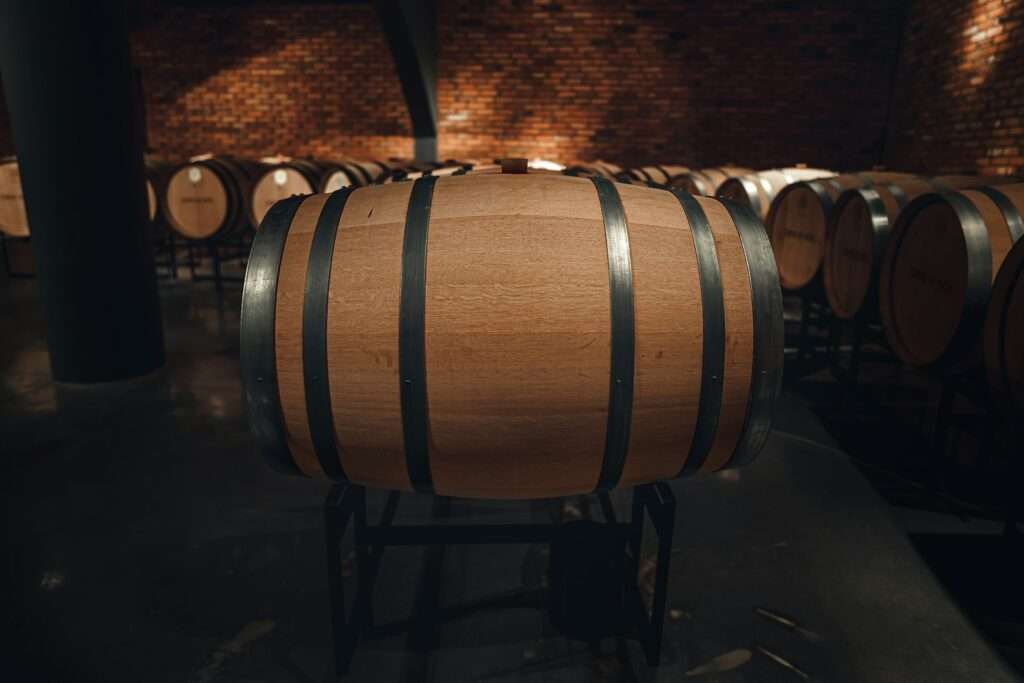
tannins
tannins
  • Introduction:
    • Title: “The Enigma of Tannins in Your Wine Glass”
    • Deciphering the Language of Tannins
    • Explore the role of tannins alongside aromas, flavors, and other elements that shape a wine’s character.
  • Tannins Unveiled in 60 Seconds:
    • Quick Insights into Tannins
    • Provide a swift overview of tannins, their natural occurrence, and their contribution to a wine’s texture, balance, and aging potential.
    • Bullet Points:
      • Natural presence in grape skins, stems, and seeds.
      • Textural and structural role in wines.
      • Comparisons with other tannin-containing sources.

The Science Behind Tannins: A Closer Look

  • Defining Tannins:
    • Unraveling the Polyphenolic Essence
    • Dive into the chemistry of tannins, elucidating their polyphenolic nature and their function as a defense mechanism in plants.
    • Bullet Points:
      • Chemical compounds known as polyphenols.
      • Defense mechanism in grape skins, seeds, and stems.
  • Tannin Sensations:
    • Beyond Taste—A Textural Experience
    • Shift the focus from taste to texture, describing the unique puckering or drying sensation associated with tannins.
    • Bullet Points:
      • Textural aspects rather than specific flavors.
      • Varied sensations from soft to aggressive.

Tannins Across Wine Varietals: A Spectrum of Intensity

  • Intensity in Red Wines:
    • Shades of Tannins in Red Varietals
    • Examine the correlation between wine color and tannin levels, spotlighting robustly tannic red wines.
    • Bullet Points:
      • Association of tannins with darker-hued reds.
      • Examples: Cabernet Sauvignon, Syrah/Shiraz, Tannat.
  • Surprises in Red Wines:
    • Nebbiolo’s Pale Power
    • Challenge stereotypes by introducing Nebbiolo, a naturally tannic grape yielding pale-colored red wines.
    • Bullet Points:
      • Nebbiolo’s exception to color-tannin connection.
  • Tannins in White and Rosé Wines: Breaking the Mold:
    • White, Orange, and Rosé Revelations
    • Dispel myths about tannins in white wines and introduce nuances in orange and darker-hued rosés.
    • Bullet Points:
      • Limited tannin extraction in white wines.
      • Elevated tannins in orange and dark rosés.

Decanting Magic and Pairing Wisdom

  • Decanting Dynamics:
    • Decanting Unveiled
    • Advocate for the practice of decanting, elucidating its impact on softening aggressive tannins.
    • Bullet Points:
      • Enhancing wine through controlled oxidation.
  • Pairing Tannic Wines: Culinary Harmony:
    • Culinary Symphony with Tannic Wines
    • Guide wine enthusiasts on pairing strategies, emphasizing fatty meats and rich flavors.
    • Bullet Points:
      • Ideal pairings for highly tannic wines.
      • Complementary foods to balance astringency.

Identifying Tannins in Wine

  • Observe the Color:
    • Check the color of the wine, especially in red wines from grapes like Cabernet Sauvignon or Syrah. The intensity of color can provide insight into the tannin levels.
  • Swirl and Observe the Legs:
    • Gently swirl the wine in the glass and observe how it adheres to the sides. Wines with higher tannins will form slower, thicker, and more pronounced legs, indicating a greater tannin presence.
  • Smell for Aromas:
    • Take a moment to smell the wine and identify aromas associated with tannins. Leather, tobacco, cedar, or dried herbs can suggest a higher tannin level, which may become more prominent as the wine ages.
  • Pay Attention to the Mouthfeel:
    • Sip the wine and pay attention to the mouthfeel. Tannins create a drying and puckering sensation, particularly on the gums and tongue. A distinct dryness in your mouth is likely indicative of tannins.
  • Evaluate the Finish:
    • Consider the length and persistence of the wine’s finish. Wines with higher tannin levels typically have a longer and more lingering finish, contributing to the wine’s structure and allowing flavors to develop over time.

Links to other interesting articles:

73-powerful-team-building-activities

unlock-the-fun-with-18-virtual-team-building-activities

powerful-tips-for-crafting-a-company-culture

Links to other interesting articles:

19-amazing-virtual-team-building-activities

35-powerful-team-building-activities

5-minute-team-building-activities

more-than-50-powerful-team-building-activities

Find out more about our experiences.

You may also want to check out our gallery for past events.

Share

Quiz-time

You might also enjoy

Tannins Unveiled: A Comprehensive Guide

You might also enjoy

Wine 101 The Fascinating Chardonnay
Chardonnay Guide: Taste, Styles, Regions, and Food Pairing

Chardonnay is the most planted white wine grape in the world, and also the most polarizing. Some people love it and drink it exclusively. Others have sworn off it entirely after years of overoaked, butter-bomb California versions. Both groups are mostly reacting to a specific style, not to the grape

Grüner Veltliner
Grüner Veltliner: Austria’s Greatest White Wine Explained

Grüner Veltliner is Austria’s most important grape, and it’s one of the most food-friendly white wines in the world. Bone dry, high in acidity, with a distinctive white pepper and herb character that sets it apart from every other white wine variety — it’s the kind of wine that wine professionals dr

How to Decant Wine
How to Decant Wine: When to Use a Decanter (and When to Skip It)

Decanting is one of those wine rituals that looks complicated and often gets treated as optional or purely ceremonial. It isn’t. For the right wine, decanting makes a real, noticeable difference in how it tastes. For the wrong wine, it’s unnecessary. Knowing which is which is the whole skill.

Port Wine, Fortified Wine, Portuguese Wine
Port Wine Guide: Types, Styles & How to Serve It

Port wine is one of those categories that sounds more complicated than it is. The range of styles can feel overwhelming at first — Ruby, Tawny, LBV, Vintage, Colheita — but once you understand the basic logic behind how port wine is made, everything falls into place.

Sangiovese
Sangiovese Wine: The Complete Guide

If you’ve ever loved a bottle of Chianti over a plate of pasta, you’ve already met Sangiovese — you just might not have known its name. This grape is the backbone of some of Italy’s most iconic wines, from everyday Chianti to the age-worthy Brunello di Montalcino. And yet it remains one of the most

How to Open Wine
How to Open Wine Without a Corkscrew: 6 Methods That Work

You have a bottle of wine and nothing to open it with. It happens to everyone. Some methods for opening wine without a corkscrew are safe, effective, and worth knowing. Others look impressive in videos and reliably result in broken glass, wine-soaked ceilings, or worse.

Pinot Noir
Pinot Noir Guide: Taste, Regions, Food Pairing, and Best Bottles

Pinot Noir is the most seductive red wine in the world — and the most difficult to make well. It’s thin-skinned, finicky in the vineyard, and sensitive to winemaking decisions that would never matter with a more forgiving grape. When it’s right, it’s like nothing else: silky texture, haunting comple

Get in touch