I’ll admit something: I didn’t take tequila seriously until I was well into my career as an event producer. It was a party spirit, the thing you shot before dancing, the booze that showed up at bachelorette parties. I was wrong, and I’m embarrassed it took me as long as it did to figure that out.
The shift happened at a distillery visit in Jalisco. I watched a jimador harvest a blue agave plant — at least seven years old, close to three hundred pounds — and understood for the first time why great tequila costs what it costs. Nothing about it is fast. Nothing about it is careless. The spirit in those bottles is the result of years of cultivation, a specific geography, and knowledge passed down through generations of distilling families.
Tequila tasting done properly is genuinely revelatory. This guide is everything I wish I’d known earlier.
What Makes Tequila Tequila
Tequila is a type of mezcal, but not all mezcal is tequila — the geographic and botanical distinction matters. Tequila must be made from blue Weber agave (Agave tequilana) and produced in specific regions of Mexico: primarily Jalisco, with smaller designations in Guanajuato, Michoacán, Nayarit, and Tamaulipas.
The agave hearts (piñas) are cooked — typically in autoclaves or traditional hornos (stone ovens), depending on the producer’s method — then crushed to extract juice (aguamiel), fermented, and distilled. The cooking method makes a significant difference in flavor. Autoclaves are fast and neutral; hornos impart a subtle sweetness and earthiness.
The spirit must contain at least 51% blue agave sugars. Premium expressions — labeled “100% agave” — use only agave sugars, producing a cleaner, more expressive spirit.
The Main Tequila Categories
Understanding the aging categories is the entry point for any serious tequila tasting session. They represent a spectrum from bright and botanical to rich and complex.
Blanco (Silver / Plata)
Unaged or aged for fewer than 60 days, blanco tequila is the purest expression of the agave. It’s typically clear, with vegetal, citrus, and mineral notes. Good blancos smell like the agave plant — fresh, herbal, slightly earthy. This is where you taste the terroir most clearly.
Joven (Gold / Oro)
Joven means “young.” It’s either unaged or a blend of blanco and aged spirits. Some jovas also include colorings and flavorings — these are less interesting for serious tasting. Look for 100% agave jovas from reputable producers.
Reposado
“Rested” in Spanish — reposado spends between 2 and 12 months in oak barrels. The oak introduces vanilla, caramel, and spice notes while tempering some of the agave’s sharpness. This is a gateway category: accessible to people who find blancos too bracing, still agave-forward enough to taste the craft.
Añejo
Aged 1 to 3 years in small oak barrels. More complex, rounder, with significant barrel influence — dried fruit, chocolate, tobacco, leather. Añejos reward slow sipping and don’t need ice or mixers.
Extra Añejo
Aged over 3 years. The most whiskey-like of the tequilas, with deep amber color and richly evolved flavors. Often compared directly to aged Cognac or Bourbon. At this level, you’re paying for time.
How to Taste Tequila
The approach for tequila tasting is different from wine, but the underlying logic is the same: slow down, engage your senses deliberately, and try to put words to what you’re perceiving.
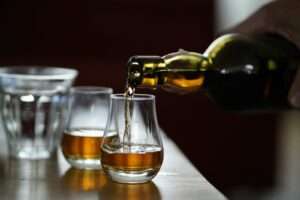
Use the right glass. A snifter or a caballito (the traditional narrow tequila glass) concentrates aromas better than a shot glass. Wine glasses work fine in a pinch. The goal is to trap and direct the aromas toward your nose.
Look. Color tells you about aging. Blancos are crystal clear. As aging increases, color deepens from straw to gold to amber. Note the “legs” as you swirl — thicker legs indicate higher viscosity and alcohol content.
Nose before you sip. Hold the glass a few inches from your nose for the first pass — alcohol at full strength can dull your perception. After a moment, bring it closer. Identify the dominant note first: is it herbal and sharp (blanco character), or does it have a sweet, vanilla warmth (barrel influence)?
Sip, don’t shoot. Take a small sip and let it sit on your palate for a few seconds before swallowing. The flavors will evolve — first the attack (citrus, pepper, agave), then the mid-palate (caramel, vanilla, spice), then the finish (how long does the flavor last? Is it clean or lingering?).
Palate cleanse. Water between samples. Some people use plain crackers. Avoid strongly flavored food that will override what you’re trying to taste.
Tequila Flavor Profiles by Category
| Category | Color | Aroma Notes | Flavor Notes | Best For |
|---|---|---|---|---|
| Blanco | Clear | Herbal, citrus, pepper, mineral | Agave-forward, fresh, sometimes sharp | Cocktails, purists, serious tasting |
| Joven | Light gold | Mixed; often simple | Approachable, mild sweetness | Casual sipping, introductory tastings |
| Reposado | Straw to light gold | Vanilla, agave, light oak | Balanced, smooth, caramel | Sipping neat, margaritas |
| Añejo | Gold to amber | Dried fruit, vanilla, tobacco | Complex, rounded, long finish | Neat, on the rocks |
| Extra Añejo | Deep amber | Chocolate, leather, dried fruit | Rich, layered, whiskey-adjacent | Slow sipping, collectors |
What to Look For in a Tequila Tasting
Sweetness: Agave has a natural sweetness that expresses differently depending on the cooking method. Autoclave-cooked tequilas tend toward cleaner, crisper sweetness. Horno-cooked tequilas often have a roasted, caramelized quality.
Earth and mineral: Blue agave grown in the highlands (Los Altos) of Jalisco produces a fruitier, more floral spirit. Lowlands agave (the Tequila Valley) tends toward earthier, mineral-driven expressions. Same plant, different terroir — just like wine.
Barrel influence: In aged expressions, try to identify what the oak is adding versus what’s from the agave itself. The best añejos maintain the agave’s identity rather than burying it in wood.
Finish length: A long, warm, complex finish is a mark of quality. A short or harsh finish often signals shortcuts in production — fast fermentation, column distillation, or lower-quality agave.
Common Tequila Tasting Mistakes
Shooting it. I understand this is how many people learned tequila, but shooting it bypasses every interesting part of the experience.
Pairing with lime and salt habitually. Lime and salt are useful with lower-quality blancos that have rough edges to smooth. With good tequila, they mask what you’re trying to taste.
Starting with extra añejo. The heaviest, most barrel-influenced expression can overwhelm a palate that isn’t calibrated yet. Start with blanco, work your way up.
Comparing only within a single brand. The most interesting tasting comparisons put different producers’ reposados side by side, or Highlands versus Lowlands blancos. You learn more about the category when you taste across producers.
How to Structure a Tequila Tasting Event
For groups, structure matters. Here’s a format that works reliably:
- Brief intro (10 minutes): Cover the basics — what makes it tequila, the aging categories, what to look for.
- Blanco comparison (15 minutes): Two different blancos, ideally from different regions. This anchors the palate to the agave.
- Category flight (20 minutes): One producer’s blanco, reposado, and añejo, tasted side by side. This shows how aging transforms the spirit.
- Free explore (15 minutes): Let guests revisit favorites, mix and match, and talk.
- Cocktail element (optional): Finish with a margarita made with the blanco, giving people context for how it shifts in a cocktail.
Groups who’ve never had a serious tequila experience consistently find this format more engaging than they expected. The aha moment usually comes when they taste the blanco and añejo from the same producer back to back — same agave, radically different expressions.
Tequila vs. Mezcal: A Quick Comparison
| Feature | Tequila | Mezcal |
|---|---|---|
| Agave species | Blue Weber agave only | Any agave species |
| Region | Primarily Jalisco | Primarily Oaxaca |
| Cooking method | Autoclave or horno | Traditional horno (underground pit) |
| Smokiness | Usually minimal | Often present (varies widely) |
| Categories | Blanco, Joven, Reposado, Añejo, Extra Añejo | Joven, Reposado, Añejo |
| Flavor range | Herbal, citrus, vanilla, caramel | Smoky, earthy, fruity, floral |
| Price range | $25–$200+ | $40–$300+ |
Bringing Tequila Tasting to a Corporate Group
Tequila tasting has become one of the most requested group experiences we offer at The Wine Voyage. Part of that is timing — premium agave spirits have had a genuine cultural moment over the last five years. Part of it is that tequila tasting is immediately accessible: people have opinions, they recognize the names on the bottles, and the flavor vocabulary (sweet, earthy, smoky, sharp) doesn’t require any prior knowledge to use.
Our Tequila & Mezcal Experience is designed for exactly this audience — groups who are curious but not necessarily experienced. We guide people through the difference between blancos, reposados, and añejos alongside mezcal comparisons, with context that makes the tasting feel like discovery rather than a lecture. Notable clients including Sazerac, GoFundMe, and the Carter Center have hosted these sessions for teams ranging from 15 to 150 people.
The competitive format — blind tasting with scoring, team guessing, final reveals — keeps energy high without requiring anyone to know anything in advance. That said, the people who walk in thinking they don’t like tequila are almost always the ones who most surprised by what they taste.
For related reading, see our guides on mezcal vs tequila, mezcal guide, whiskey tasting guide, and wine tasting team building.
Further Reading
For deeper study on agave spirits and distillation: Wine Folly’s Tequila 101 guide and Guild of Sommeliers on agave spirits.