Table of Contents
Unlock the Magic of Biodynamic Wine: 10 Reasons to Sip Nature’s Finest
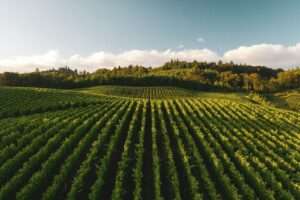
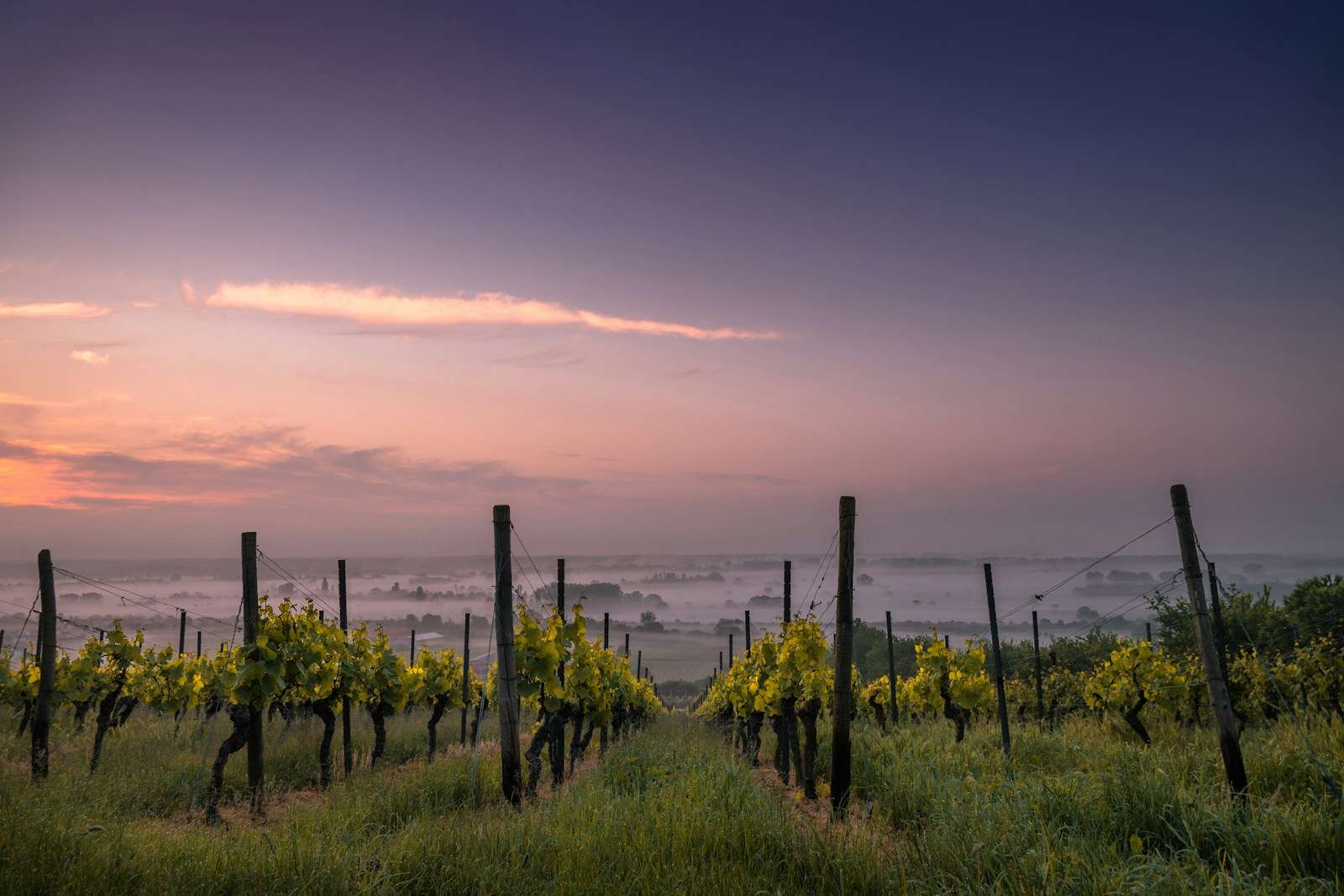
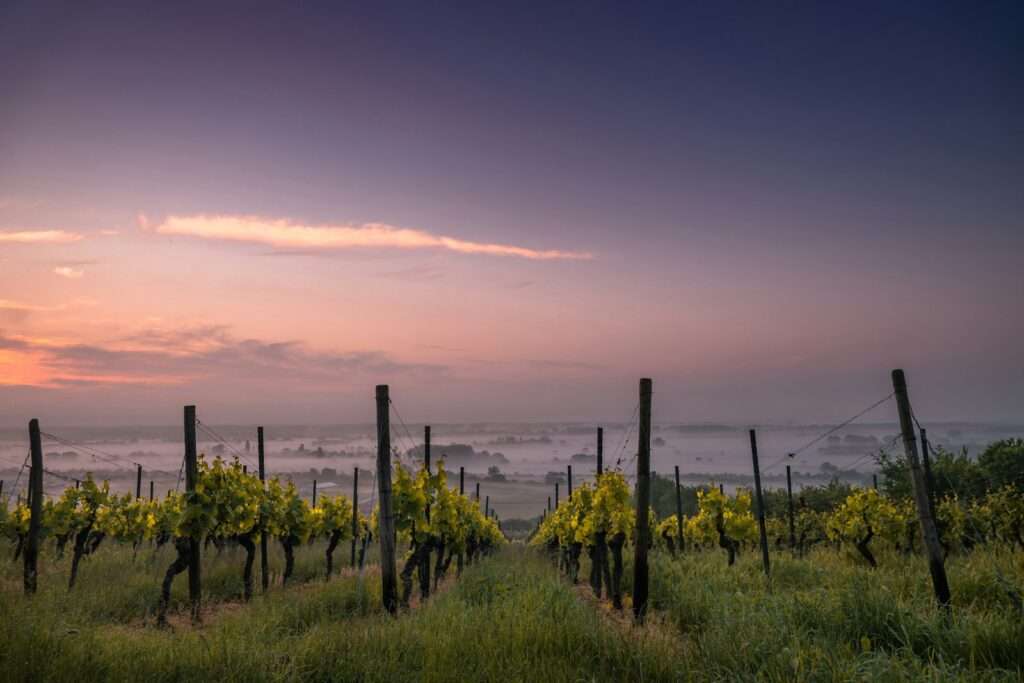
Biodynamic wine isn’t just a drink—it’s a story, a philosophy, and a connection to the earth that transforms every sip into an experience. Imagine standing in a vineyard where the grapes are nurtured by lunar cycles, where cows roam to fertilize the soil, and where the winemaker treats the land like a living, breathing organism.
That’s the world of biodynamic wine, a fascinating corner of the wine universe that’s gaining traction among enthusiasts and casual sippers alike. If you’ve ever wondered what makes biodynamic wine so special—or why it’s worth seeking out—this journey will reveal everything you need to know. From its roots in ancient farming wisdom to its modern-day revival, we’ll uncork the secrets behind this eco-conscious elixir and show you why it’s more than just a trend. Ready to dive in? Let’s explore the magic of biodynamic wine together.
What Is Biodynamic Wine, Anyway?
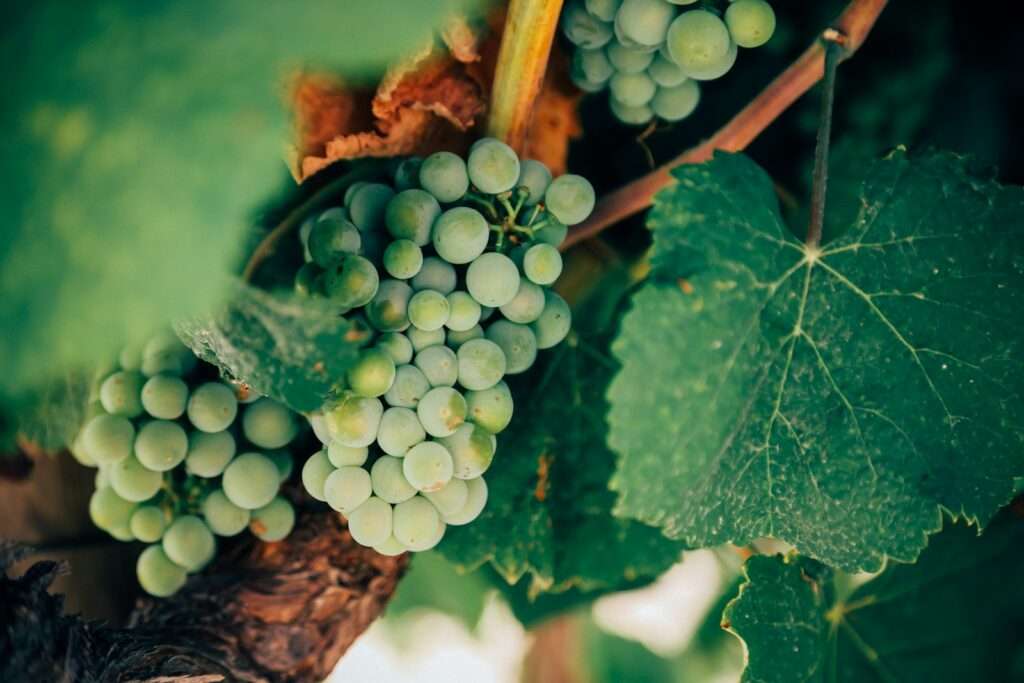
At its core, biodynamic wine comes from grapes grown using biodynamic farming principles, a holistic approach that goes beyond organic methods. Developed in the 1920s by Austrian philosopher Rudolf Steiner, biodynamics treats the vineyard as a self-sustaining ecosystem. It’s not just about avoiding synthetic pesticides or fertilizers—though that’s part of it. It’s about syncing agricultural practices with cosmic rhythms, like planting during certain moon phases or harvesting when the stars align.
Think of it as farming with a touch of mysticism. Winemakers use nine special preparations—like burying cow horns filled with manure or stuffing chamomile into intestines—to enrich the soil and vines. Sounds quirky, right? But these rituals have a purpose: they boost biodiversity, improve soil health, and, many argue, create wines with a unique vibrancy. Biodynamic wine isn’t just a product; it’s a testament to the belief that nature knows best when given a little cosmic nudge.
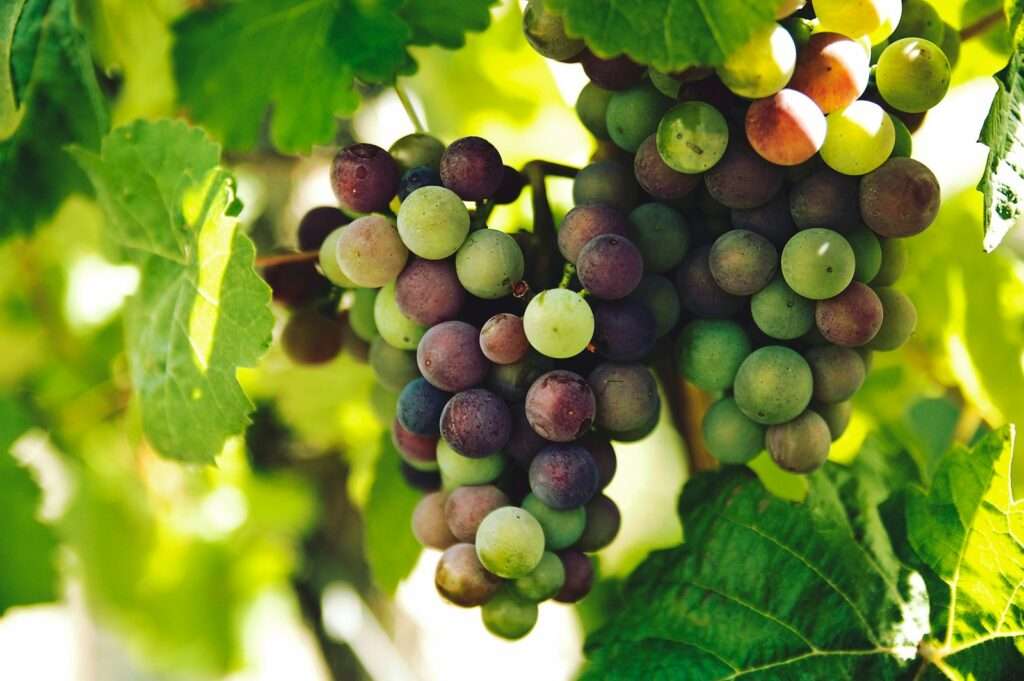
For those new to this, it might feel like stepping into a fairy tale. Yet, the results speak for themselves. Some of the world’s most celebrated wineries—like France’s Domaine de la Romanée-Conti—swear by biodynamic methods. Curious? You’re not alone. More people are seeking out these bottles, drawn by their purity and the promise of tasting the land in every glass.
The Roots of Biodynamic Wine: A Brief History
To understand biodynamic wine, we need to rewind to 1924. That’s when Rudolf Steiner delivered a series of lectures to farmers worried about declining soil fertility. Industrial agriculture was taking off, and chemicals were starting to dominate. Steiner, a thinker ahead of his time, proposed a radical alternative: work with nature, not against it. His ideas blended science, spirituality, and practical farming, laying the groundwork for biodynamics.
Farmers adopted his methods slowly at first. It wasn’t until the 1980s that biodynamic wine really took root, thanks to pioneers like Nicolas Joly in France’s Loire Valley. Joly saw biodynamics as a way to revive the soul of winemaking, arguing that industrial techniques stripped wine of its character. His passion ignited a movement, and soon, wineries across Europe and beyond were experimenting with biodynamic practices.
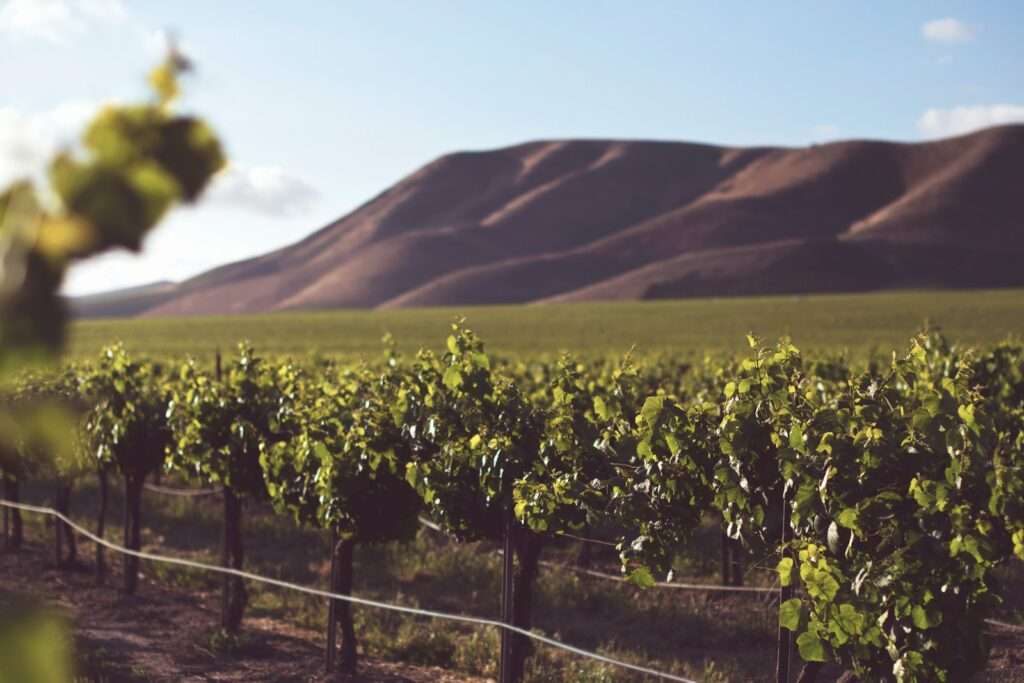
Today, biodynamic wine is a global phenomenon, from California’s Napa Valley to Australia’s Barossa Valley. The Demeter Association, founded in 1928, certifies biodynamic farms and wineries, ensuring they meet strict standards. It’s a niche but growing segment—less than 2% of the world’s vineyards are biodynamic, yet their influence is outsized, inspiring winemakers and drinkers to rethink what wine can be.
Why Biodynamic Wine Matters Now
So why is biodynamic wine buzzing in 2025? It’s not just about nostalgia for old-school farming. People are waking up to the environmental cost of conventional agriculture—soil degradation, water pollution, and biodiversity loss. Biodynamic wine offers a counterpoint: a sustainable, low-impact way to grow grapes that doesn’t sacrifice quality. In a world obsessed with eco-friendly everything, it’s no surprise this method is gaining fans.
But it’s more than green cred. Drinkers say biodynamic wine tastes different—more alive, more expressive. Winemakers claim it reflects the terroir—the unique combo of soil, climate, and place—better than conventional wines. Whether it’s the lunar cycles or the compost preps, something about biodynamics seems to unlock flavors you won’t find elsewhere.
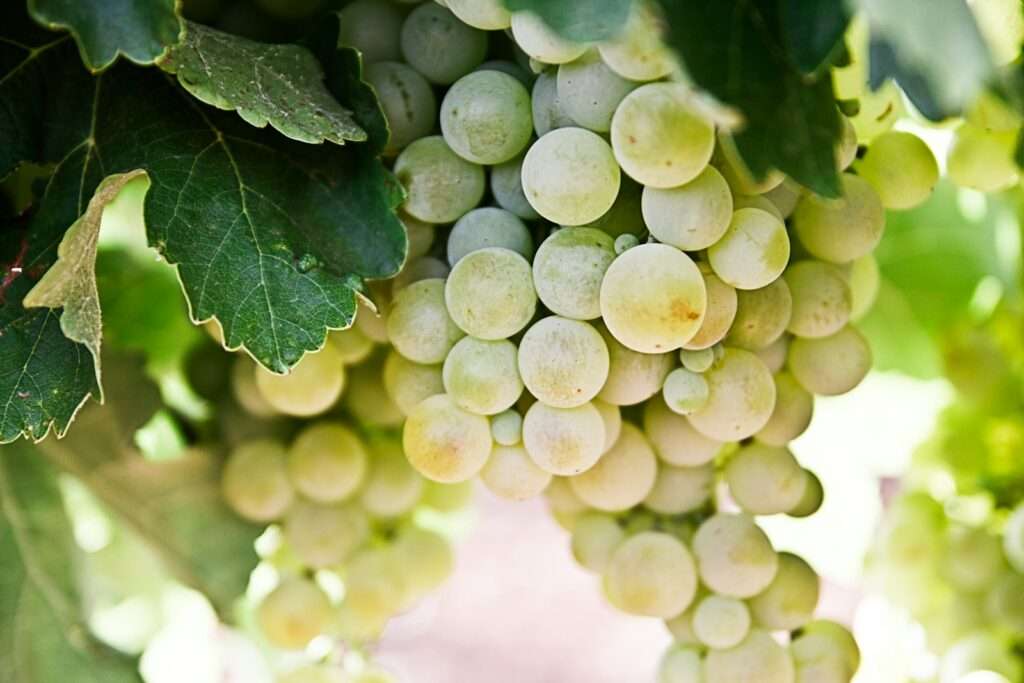
Plus, there’s the human angle. Biodynamic winemaking is hands-on, labor-intensive, and deeply personal. It’s a craft that connects people to the land—and to each other. Ever tried sipping a biodynamic Pinot Noir with friends while swapping stories about where it came from? It’s the kind of moment that turns a glass of wine into a memory. For groups looking to bond, these wines can even inspire team building experiences that celebrate nature and camaraderie.
How Biodynamic Wine Is Made: The Nitty-Gritty
Let’s get into the weeds—literally. Making biodynamic wine starts with the vineyard. Farmers follow a lunar calendar, planting and pruning when celestial conditions are just right. The idea? Plants respond to cosmic rhythms, much like tides do to the moon. It’s part science, part intuition, and it sets the stage for everything that follows.
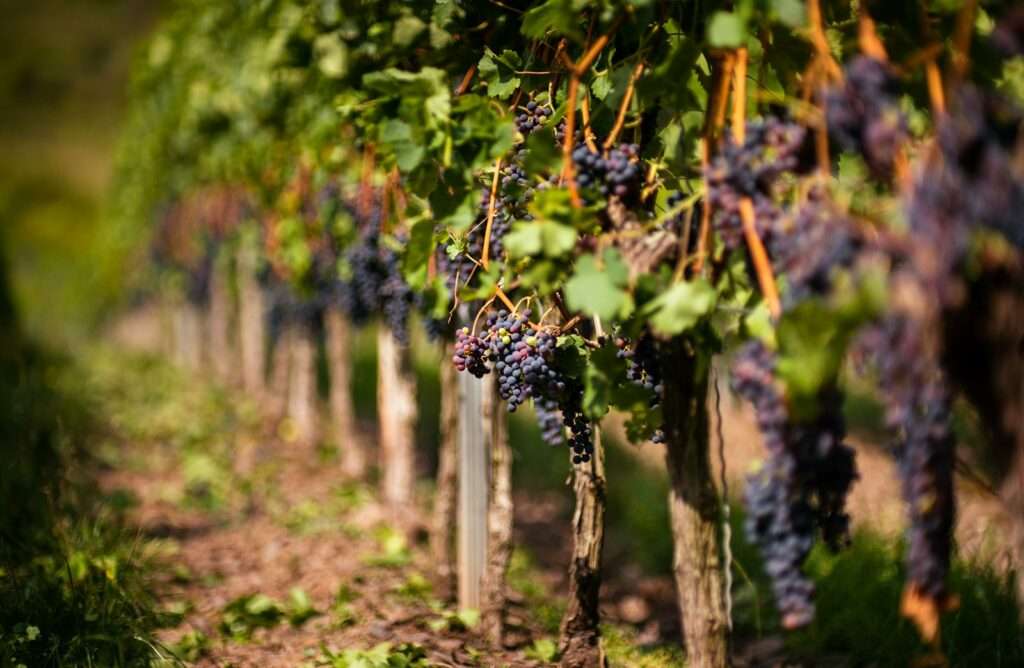
Then come the preparations—nine of them, to be exact. Here’s a peek at a few:
- Preparation 500: Cow manure fermented in a buried horn, sprayed on the soil to boost microbial life.
- Preparation 501: Ground quartz packed into a horn, buried, then misted over vines to enhance photosynthesis.
- Preparation 505: Oak bark stuffed into a skull and submerged in water, used to balance the vineyard’s energy.
Weird? Maybe. Effective? Many swear by it. These concoctions enrich the soil, encourage biodiversity, and keep pests in check naturally. No chemical shortcuts here—just patience and a belief in nature’s cycles.
In the winery, the process stays minimal. Biodynamic wine often skips heavy filtration or additives, letting the grapes shine. Sulfur use is kept low (or skipped entirely), and fermentation relies on native yeasts. The result? A wine that’s raw, real, and unmistakably tied to its origins.
The Taste Test: What Sets Biodynamic Wine Apart?
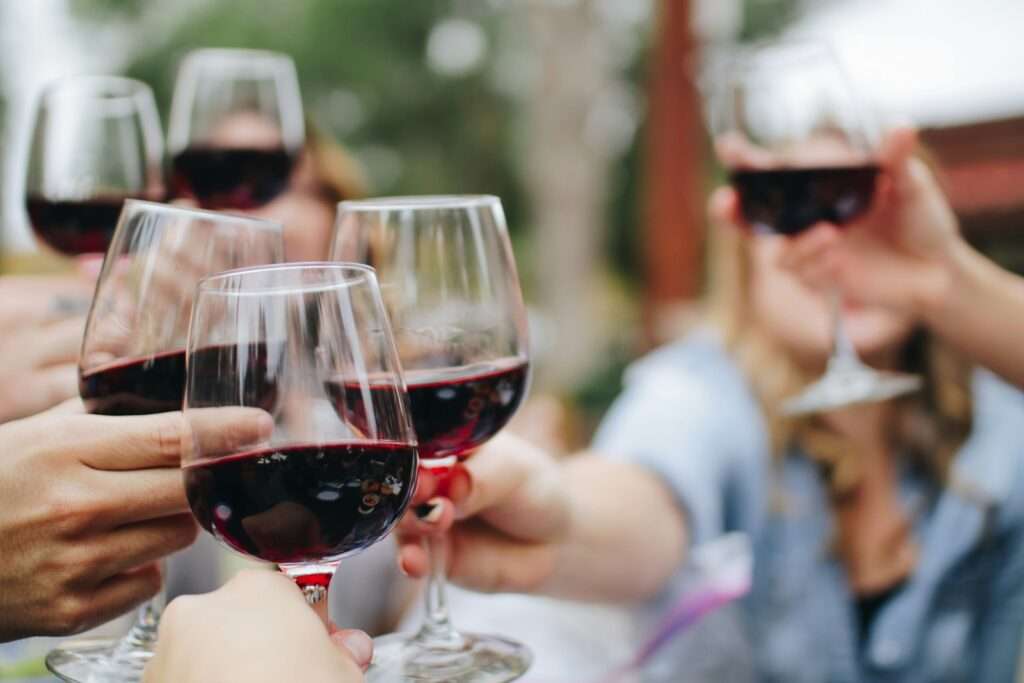
Here’s where it gets personal: tasting biodynamic wine. Critics and fans alike say it’s got a vibrancy that’s hard to pin down. Is it brighter? More mineral-driven? Livelier on the palate? It’s tough to say without trying it yourself, but there’s a consensus that biodynamic wine feels alive.
Take a biodynamic Sauvignon Blanc, for instance. You might notice crisp citrus notes dancing with a subtle earthiness—like the vineyard whispering through the glass. Or a biodynamic Cabernet Sauvignon, where bold fruit meets a silky texture that conventional wines sometimes lack. It’s not about being “better” than other wines; it’s about being different, with a personality that reflects its natural upbringing.
Skeptics argue it’s all hype—that blind tastings show no clear edge. Fair point. But for those who love biodynamic wine, it’s not just about flavor. It’s the story behind it—the care, the quirks, the connection to something bigger. Want to taste the difference? Gather some friends for a tasting night. It’s a perfect excuse for a laid-back team building moment that’s as fun as it is enlightening.
Biodynamic Wine vs. Organic: What’s the Difference?

Newcomers often ask: isn’t biodynamic wine just fancy organic? Not quite. While both ditch synthetic chemicals, biodynamics takes it further. Organic farming focuses on what you don’t do—no pesticides, no artificial fertilizers. Biodynamic farming is about what you do—actively nurturing the land with those cosmic preps and holistic practices.
Picture it like this: organic is a rulebook; biodynamics is a philosophy. Organic vineyards might still monocrop or rely on external inputs, while biodynamic ones aim for self-sufficiency, with animals, cover crops, and compost all playing a role. Certification matters, too. Organic wines follow regional standards (like USDA Organic), while biodynamic wines need Demeter approval—a tougher bar to clear.
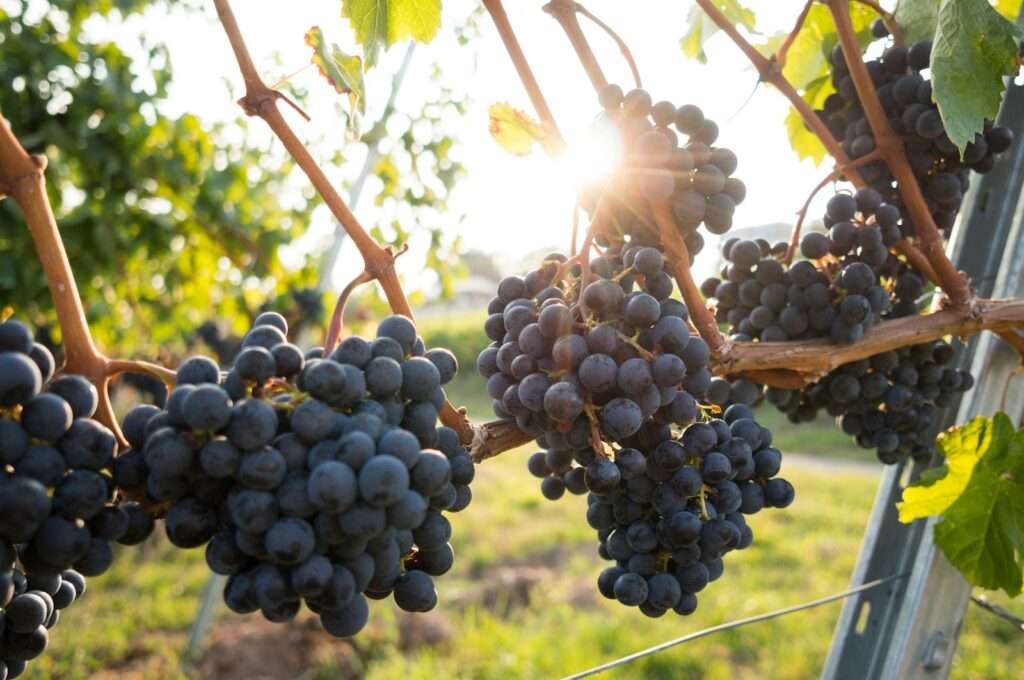
Flavor-wise, some say biodynamic wine has an edge in complexity, but it’s subjective. The real win? Biodynamics often goes beyond sustainability, aiming to regenerate the earth. If you’re eco-curious, it’s a step up worth exploring.
The Best Biodynamic Wines to Try in 2025
Ready to sip some biodynamic magic? Here’s a lineup of standout bottles to hunt down. These picks span regions and styles, showing off the diversity of biodynamic wine:
- Domaine Zind-Humbrecht Gewürztraminer (Alsace, France): Lychee and spice with a floral kick—pure elegance from a biodynamic pioneer.
- Bonterra Chardonnay (California, USA): Creamy yet crisp, with orchard fruit notes that scream sunshine and soil health.
- Frey Vineyards Cabernet Sauvignon (Mendocino, USA): Bold berries meets earthy depth, from America’s first biodynamic winery.
- Cullen Wines Diana Madeline (Margaret River, Australia): A Cabernet blend with finesse and power, showcasing Aussie biodynamic brilliance.
- Emiliana Coyam (Colchagua Valley, Chile): A rich, spicy red blend that’s as sustainable as it is delicious.
These bottles aren’t just tasty—they’re conversation starters. Imagine hosting a tasting with colleagues or clients, diving into the quirks of biodynamic wine. It’s the kind of team building experience that blends learning with leisure, leaving everyone with a new appreciation for what’s in their glass.
Where to Find Biodynamic Wine Near You
Finding biodynamic wine isn’t as hard as it used to be. Specialty wine shops, natural food stores, and even some big retailers now stock these bottles. Look for the Demeter logo—it’s your guarantee of authenticity. Online, sites like Natural Merchants or local winery websites often ship direct.
Better yet, visit a biodynamic vineyard yourself. Many offer tours and tastings, letting you see the magic firsthand. Picture strolling through rows of vines, chatting with the winemaker, and sipping straight from the source. It’s an outing that doubles as a team building adventure—perfect for groups who love food, nature, and a good story. If you’re near a wine region, check out curated trips that include biodynamic stops. One package even pairs vineyard visits with expert-led tastings—ideal for deepening your wine knowledge while bonding over shared discoveries.
The Challenges of Biodynamic Winemaking
Biodynamic wine isn’t all moonlit harvests and happy vines. It’s tough work. The lunar calendar can be a logistical nightmare—imagine rushing to pick grapes because the moon says so, not the weather. Those preparations? They’re time-consuming and labor-intensive, requiring a level of dedication that conventional winemakers might scoff at.

Certification’s another hurdle. Demeter’s rules are strict, and the process can take years. Plus, yields are often lower than conventional methods, which can scare off profit-driven producers. And let’s not forget the skeptics—some call biodynamics “woo-woo” or unproven, pointing to a lack of hard data on its benefits.
Yet, for those who stick with it, the rewards outweigh the risks. The vineyard thrives, the wine sings, and the planet says thank you. It’s a gamble that pays off in ways numbers can’t always capture.
Why You Should Sip Biodynamic Wine Today
After all this, why bother with biodynamic wine? Simple: it’s a chance to taste something extraordinary while supporting a better way to farm. Every bottle is a vote for sustainability, a nod to craftsmanship, and a little rebellion against mass-produced sameness. It’s wine with a soul—and in 2025, that feels more relevant than ever.

Whether you’re a casual sipper or a serious collector, biodynamic wine invites you to slow down and savor. Host a tasting, visit a vineyard, or just pop a bottle with dinner. Better yet, make it a group thing—turn it into a team building experience that sparks curiosity and connection. You’ll taste the difference, sure, but you’ll also feel it: a link to the earth, the vines, and the people who pour their hearts into every glass.
So grab a biodynamic bottle tonight. Let it breathe, pour it slow, and raise a toast to nature’s finest. You won’t just be drinking wine—you’ll be part of a movement. Cheers to that.
Hashtags: #BiodynamicWine #SustainableWinemaking #WineLovers #EcoFriendlyWine #NaturalWine #VineyardTours #WineTasting #GreenLiving #OrganicWine #WineJourney
Find out more about our experiences.
You may also want to check out our gallery for past events.
Other interesting links
- CUSTOMIZE YOUR EXPERIENCE
- Team Building blog
- Wine Courses
- THE BLIND TASTING COMPETITION
- THE PERFECT BLEND COMPETITION
- TEQUILA & MEZCAL EXPERIENCE
- Food & Wine Pairing
- VIRTUAL EXPERIENCES
Links to other interesting articles:
73-powerful-team-building-activities
unlock-the-fun-with-18-virtual-team-building-activities
powerful-tips-for-crafting-a-company-culture
Links to other interesting articles:
19-amazing-virtual-team-building-activities
35-powerful-team-building-activities