Table of Contents
Wine 101 The Fascinating Gamay
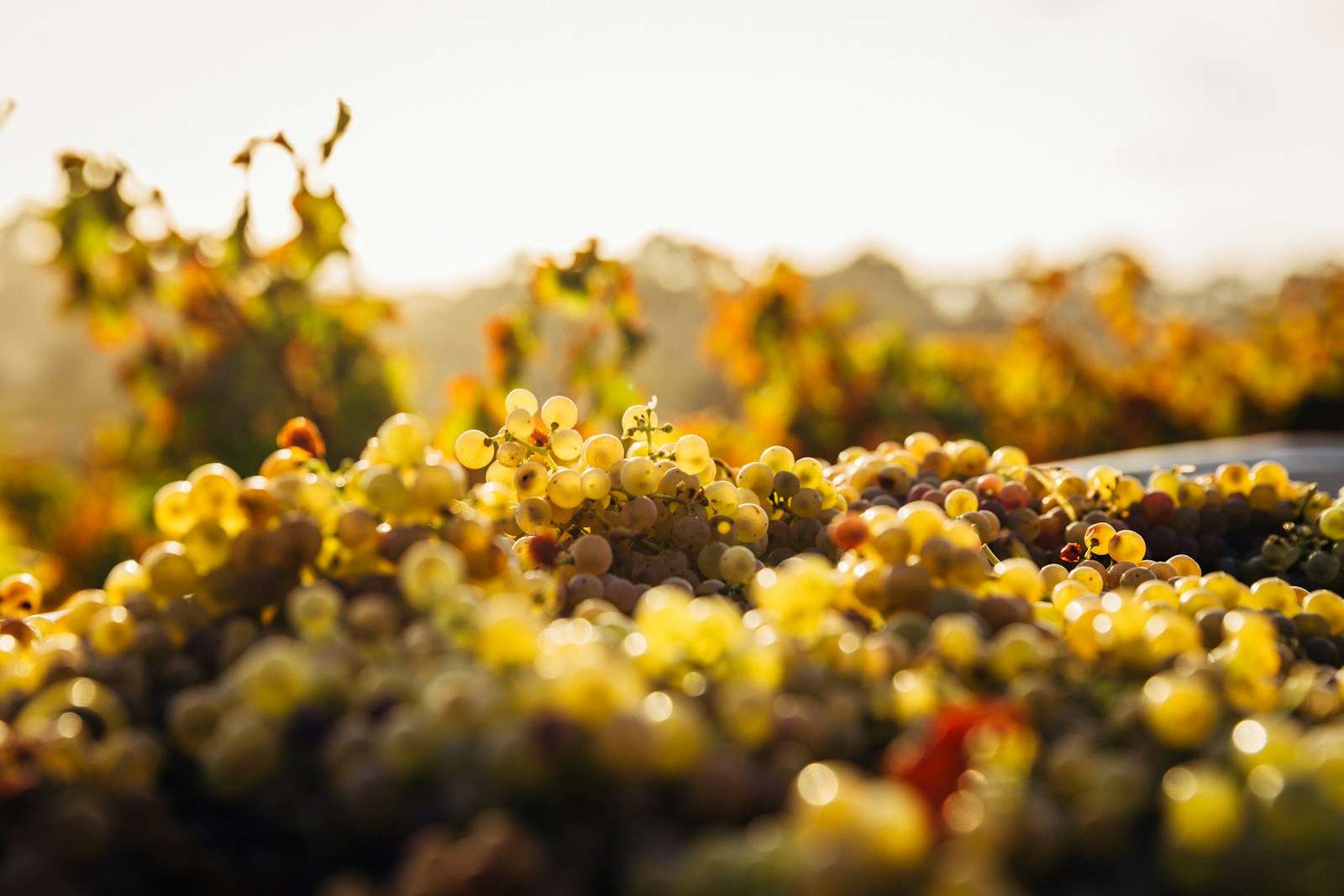
Explore the delights of Gamay, a red grape originating from Burgundy, France, with a rich history dating back to the 1300s. From its unique taste profile to diverse global expressions, delve into the world of Gamay wines and discover the perfect pairings that make it a standout choice for wine enthusiasts.
Gamay in 60 Seconds
- Originating from Burgundy, France, Gamay is a red grape with a lineage dating back to the 1300s.
- DNA analysis reveals its heritage as a cross between Pinot Noir and Gouais Blanc.
- Similar to Pinot Noir, Gamay produces a light-bodied wine with lively acidity and low tannins.
- Distinctive in blind tastings due to a banana note, a result of carbonic maceration.
What Gamay Tastes Like
- An easy-drinking wine, Gamay boasts abundant red fruit flavors of cherry and raspberry.
- Aromas include violets, black tea, and earthy undertones like potting soil.
- Warmer climates yield concentrated black fruit flavors of plum and boysenberry.
Gamay from France
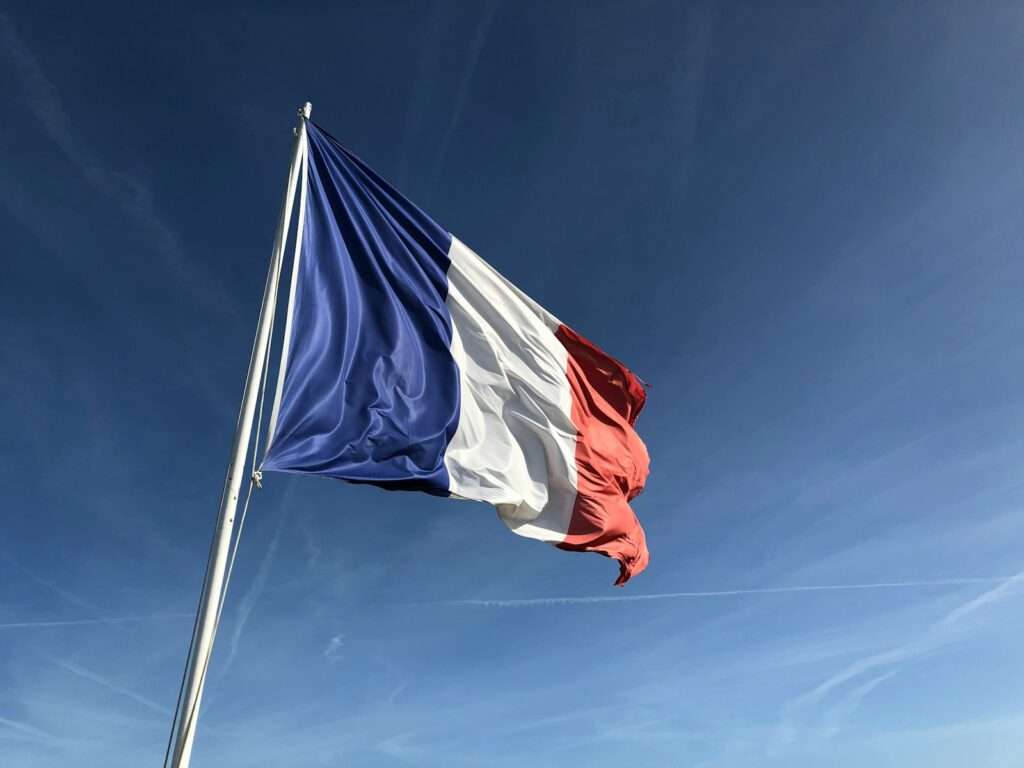
Beaujolais and Beaujolais Nouveau
- Beaujolais, often overshadowed by Burgundy, offers exceptional value with ten distinct crus.
- Stellar bottles under $30 are common, with Beaujolais-Villages and general Beaujolais being widespread.
- Beaujolais Nouveau, released annually in November, is a vibrant, non-cellaring wine best enjoyed fresh.
Beaujolais In France
- The Loire Valley produces notable Gamay wines, with Touraine offering light, fruity expressions.
- Fuller styles are less common but can be aged for a year or two, while Anjou and Saumur craft dry rosé with Gamay.
Gamay from Canada
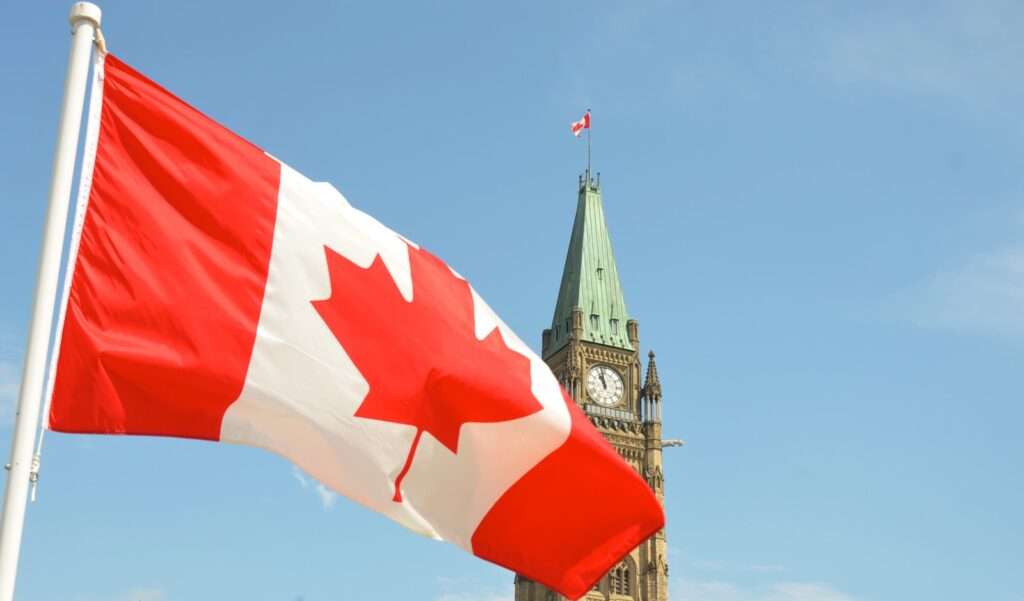
- Gaining popularity in Canada, particularly in Ontario’s Niagara Peninsula and British Columbia’s Okanagan Valley.
- Light to medium-bodied versions feature sour cherry and raspberry flavors, complemented by cinnamon, pepper spice, and soft tannins.
- Varietal and blended rosé expressions are also prevalent.
What Is Carbonic Maceration?
- Carbonic maceration, a winemaking practice for fresh and fruity wines, involves whole grapes fermenting in a CO2-covered vat.
- Most Beaujolais wines, including Gamay, undergo carbonic maceration, resulting in distinctive notes of banana, candied strawberry, and bubble-gum.
- Semi-carbonic maceration, a similar process without added CO2, produces wines with a hint of banana and strawberry notes.
Food to Pair with Gamay
- Gamay’s fresh, fruity character with high acidity and low tannins pairs well with various cuisines.
- Serve slightly chilled with charcuterie or cheese platters, or pair with herb or spice-focused meat dishes.
- Ideal matches include herbed roasted chicken, chimichurri steak, spicy seared tuna, or plank salmon.
10 Facts about Gamay

- Gamay, a red grape from Burgundy, France, has a history dating back to the 1300s.
- DNA analysis identifies Gamay as a cross between Pinot Noir and Gouais Blanc.
- The wine shares similarities with Pinot Noir, offering a light-bodied experience with lively acidity.
- A distinctive banana note in blind tastings results from carbonic maceration during winemaking.
- Beaujolais in France houses ten distinct crus, often overlooked but providing exceptional value.
- Beaujolais Nouveau, released annually in November, is a vibrant, non-cellaring wine meant for immediate enjoyment.
- The Loire Valley in France produces notable Gamay wines, with Touraine offering light, fruity expressions.
- Canada, particularly Ontario’s Niagara Peninsula and British Columbia’s Okanagan Valley, is gaining popularity for Gamay.
- Carbonic maceration, a winemaking practice for fresh and fruity wines, involves whole grapes fermenting in a CO2-covered vat.
- Gamay’s food pairings range from charcuterie and cheese to herb or spice-focused meat dishes and seafood delights.
Links to other interesting articles:
73-powerful-team-building-activities
unlock-the-fun-with-18-virtual-team-building-activities
powerful-tips-for-crafting-a-company-culture
Links to other interesting articles:
19-amazing-virtual-team-building-activities
35-powerful-team-building-activities
5-minute-team-building-activities
more-than-50-powerful-team-building-activities
Find out more about our experiences.
You may also want to check out our gallery for past events.