Table of Contents
Wine 101 The Fascinating Sauternes
Embark on a journey into the world of Sauternes, the exquisite dessert wine that stands as a testament to Bordeaux’s winemaking legacy. Delve into the rich history, intricate winemaking process, and unparalleled taste of this noble rot-affected elixir.
Decoding Sauternes
- Sauternes (pronounced saw-turn) emerges as a luxurious dessert wine, celebrated for its lush sweetness and delectable character.
- Originating from the Sauternais region in Bordeaux, Sauternes boasts a blend of Sémillon, Sauvignon Blanc, and Muscadelle grapes.
Noble Rot Magic
- Noble rot, a rare winemaking phenomenon, finds its haven in the Sauternes vineyards, where the climate favors its benevolent influence.
- Sauternes’ unique terroir allows for the consistent development of Noble rot, enhancing the wine’s richness and complexity.
Historical Evolution

- Sauternes traces its roots back to the 17th century when records first documented Noble rot on Sémillon grapes.
- Despite initial reservations, by the end of the 18th century, Sauternes had earned international acclaim, even capturing the palate of President George Washington.
Terroir and Climate
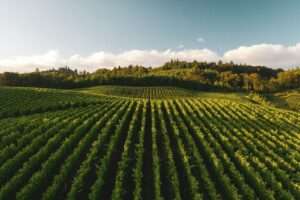
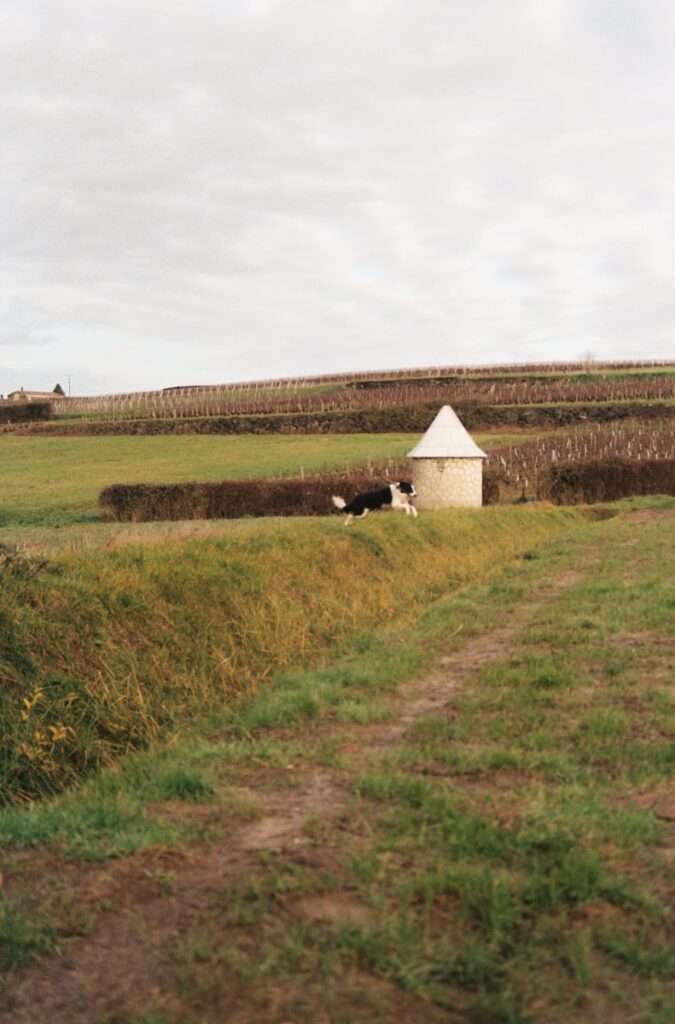
- Situated twenty-five miles southeast of Bordeaux, near the Garonne and Ciron rivers, the Sauternes region benefits from diverse river temperatures.
- The interplay of warm and dry fall conditions, mist formation, and sunlight contributes to the ideal environment for Noble rot development.
Communes and Classifications
- Sauternes encompasses five communes: Barsac, Sauternes, Bommes, Fargues, and Preignac.
- While all communes can label their wines as Sauternes, Barsac holds the unique Barsac appellation classification.
Tasting Heaven in a Glass
- Sauternes delights the senses with full sweetness harmoniously balanced by a touch of acidity.
- Flavor notes include golden fruits like peaches and apricots, elegantly drizzled in honey, concluding with a lingering nutty finish.
Bottle and Pairing Revelry
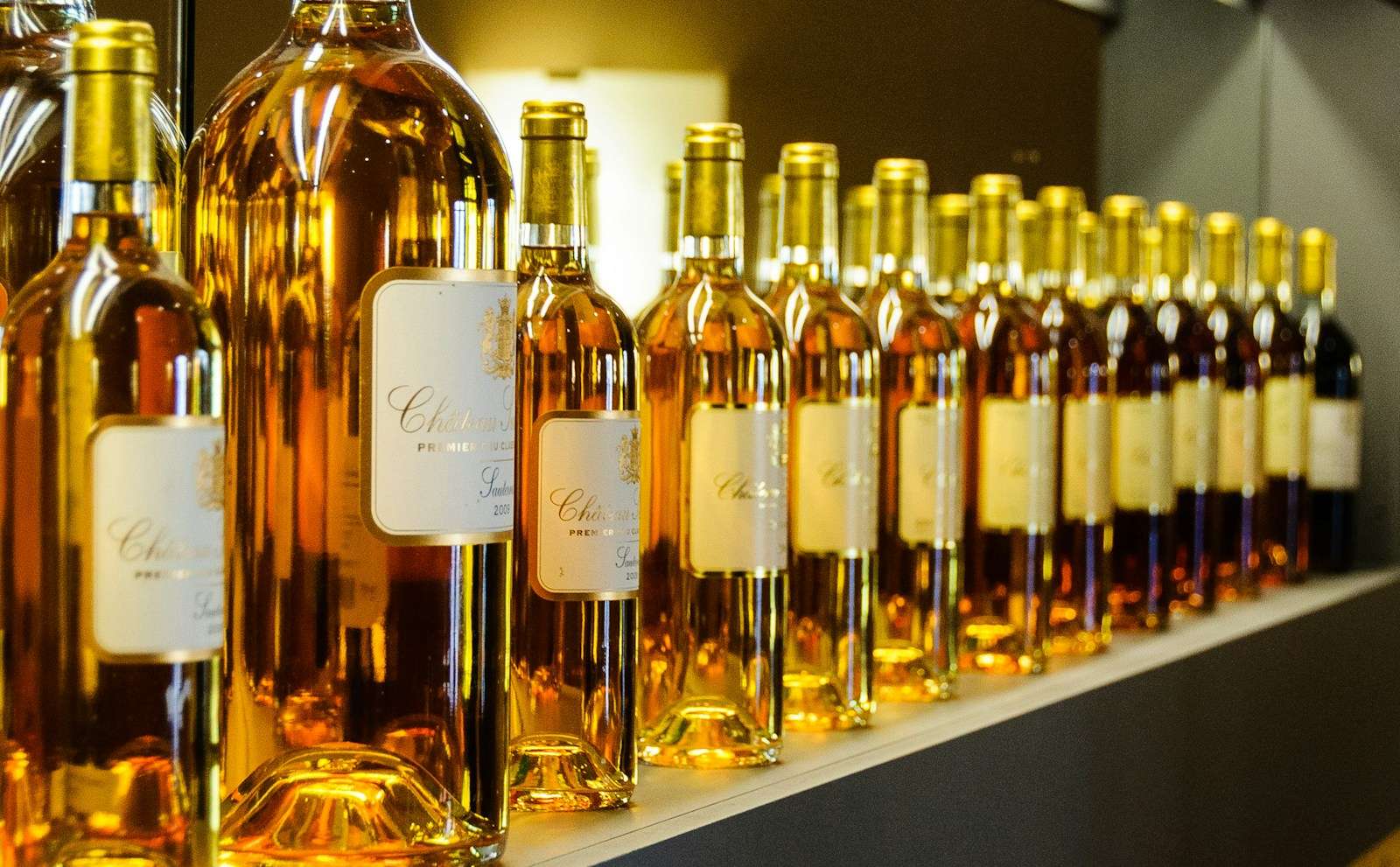
- Sauternes typically graces the market in half-sized 375 ml bottles, emphasizing its precious and indulgent nature.
- Ideal pairings range from soft cheeses like brie to sumptuous veal, or revel in its decadence solo.
10 Facts about Sauternes

- Sauternes, pronounced saw-turn, is an opulent dessert wine hailing from Bordeaux.
- Comprising Sémillon, Sauvignon Blanc, and Muscadelle grapes, Sauternes stands out for its lush sweetness.
- Noble rot, a rare winemaking phenomenon, significantly contributes to Sauternes‘ rich and delectable character.
- The Sauternes region in Bordeaux is known for its favorable climate that encourages the consistent development of Noble rot.
- Records from the 17th century document Noble rot on Sémillon grapes, marking the early stages of Sauternes‘ historical evolution.
- By the late 18th century, Sauternes had gained international fame, with even President George Washington being a fan.
- The Sauternes region, situated near the Garonne and Ciron rivers, benefits from diverse river temperatures, creating an ideal environment for Noble rot.
- Sauternes encompasses five communes, including Barsac, which holds the Barsac appellation classification.
- Sauternes must have a minimum alcohol level of 13% to qualify, and a tasting exam confirms its sweetness.
- Despite its opulence, Sauternes is often sold in half-sized 375 ml bottles, emphasizing its precious nature.
Find out more about our experiences.
You may also want to check out our gallery for past events.