Table of Contents
Wine 101 The Fascinating Cabernet Sauvignon

In the 17th century, serendipity in southwestern France led to the accidental union of a red Cabernet Franc and a white Sauvignon Blanc, birthing the illustrious Cabernet Sauvignon. This red grape varietal, celebrated for its robust skin and vine resilience, gained prominence in Bordeaux, where winemakers embraced its tannic richness and affinity for oak aging. The Bordeaux blend, marrying Cabernet Sauvignon with Merlot, emerged as the world’s most renowned wine blend.
As Bordeaux’s acclaim spread, so did the Cabernet Sauvignon grape, earning the moniker “the great colonizer” due to its global prevalence until Merlot surpassed it in the ’90s. California played a pivotal role in Cabernet Sauvignon’s journey, notably in the 1976 Judgement of Paris, where a Napa Valley Cabernet triumphed over Bordeaux’s finest, sparking the varietal’s international demand.
Cabernet Sauvignon Characteristics: A Symphony of Dark Elegance
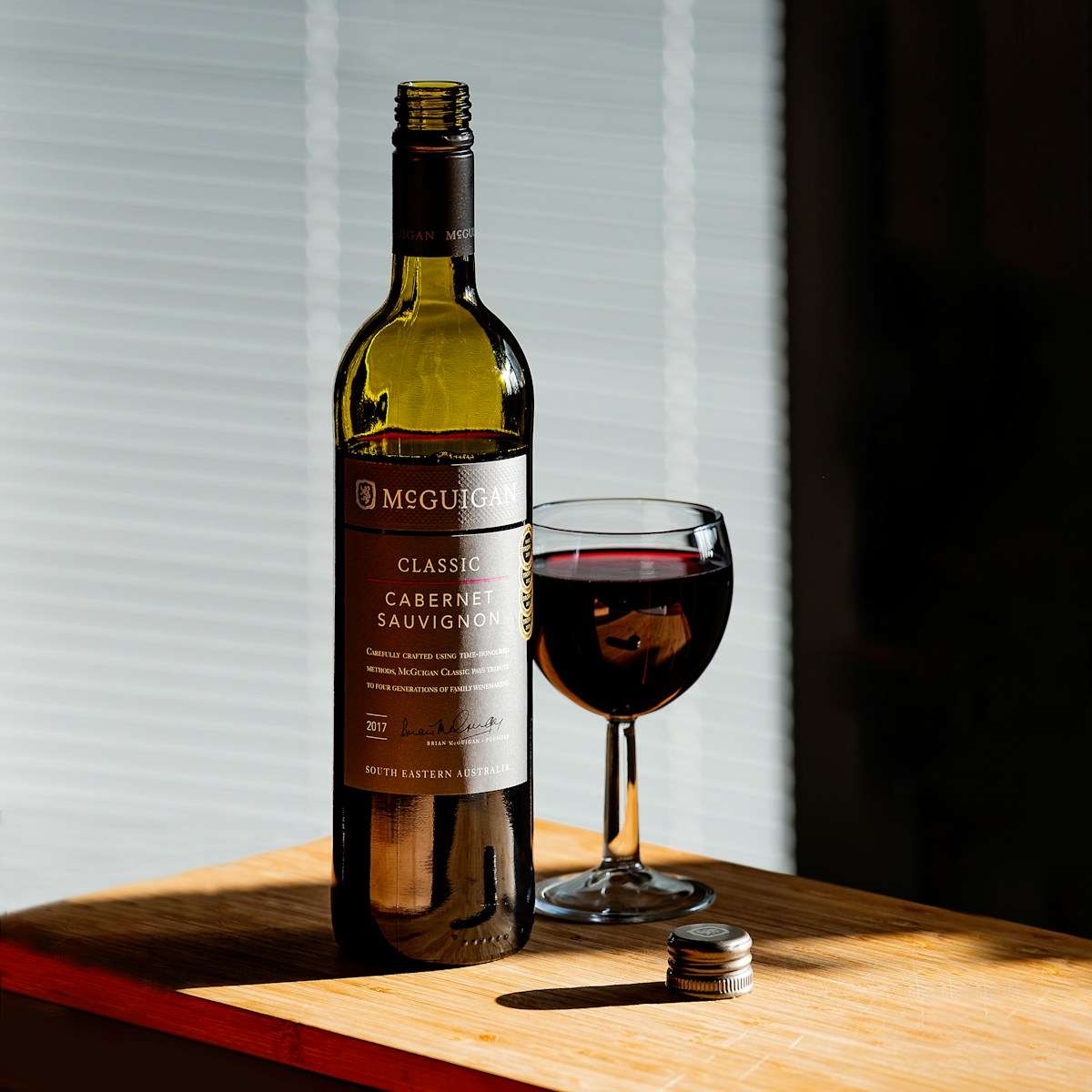
As a wine, Cabernet Sauvignon commands attention with its dark hues, full-bodied profile, and alcohol content often exceeding 13.5%. Varieties from California, Australia, and Chile may soar to 14.5% or beyond. Its dry nature and pronounced tannins create a mouth-drying effect, complemented by notes of green pepper, tobacco, cassis, dark cherries, and a subtle vanilla hint from oak aging.
The Perfect Pairing: Cabernet Sauvignon and Food
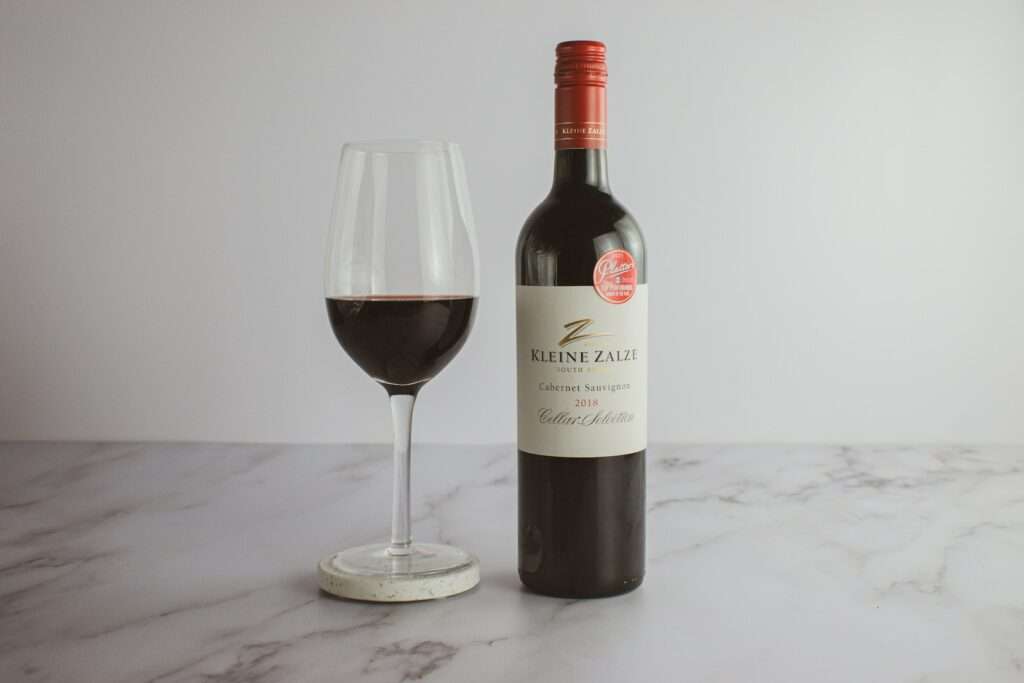
Cabernet Sauvignon, with its acidity, tannins, and elevated alcohol, thrives when paired with food. While personal preferences govern wine and food choices, Cabernet Sauvignon’s robust nature particularly complements hearty dishes. Whether sipped with a juicy steak or a rich pasta, this wine reveals its full potential when accompanied by culinary delights.
Indulge in the bold allure of Cabernet Sauvignon, a grape that journeyed from accidental origins to become a global sensation. Discover its complexities, relish its rich flavors, and elevate your dining experience with the perfect pairing.
Facts about Cabernet Sauvignon

- Accidental Birth: Cabernet Sauvignon originated in the 17th century in southwestern France when a red Cabernet Franc grape plant accidentally cross-pollinated with a white Sauvignon Blanc grape plant.
- Bordeaux’s Champion: Bordeaux winemakers in France embraced Cabernet Sauvignon for its healthy tannins, making it a crucial component of the Bordeaux blend. This blend, often paired with Merlot, became globally renowned.
- Global Colonizer: Cabernet Sauvignon earned the nickname “the great colonizer” as it became the most widely planted grape globally until Merlot surpassed it in the 1990s.
- Judgment of Paris: In the 1976 Judgement of Paris, a Napa Valley Cabernet Sauvignon triumphed over esteemed Bordeaux wines in a blind taste test, propelling California Cabernet Sauvignon into international fame.
- Dark and Full-Bodied: Cabernet Sauvignon is known for its dark color and full-bodied profile. It typically has an alcohol content exceeding 13.5%, with some varieties from regions like California, Australia, and Chile reaching 14.5% or higher.
- Distinctive Flavors: The wine often exhibits flavors of green pepper, tobacco, cassis, dark cherries, and a hint of vanilla, owing to its oak aging.
- Perfect Pairing: Due to its acidity, tannins, and elevated alcohol content, Cabernet Sauvignon is best enjoyed with food. It complements hearty dishes like steak and rich pasta.
- Terroir Influence: Bordeaux, particularly, is celebrated for its emphasis on terroir, imparting a unique sense of place to Cabernet Sauvignon wines. Vineyards are classified based on their exceptional qualities.
- Cultivation Resilience: Cabernet Sauvignon vines are known for their thick, durable skin and resistance to environmental challenges, contributing to the grape’s popularity among winemakers.
- Widespread Cultivation: While Bordeaux and California are iconic regions for Cabernet Sauvignon, the grape is cultivated globally, showcasing its adaptability to various terroirs.
These facts offer a glimpse into the rich history and characteristics of Cabernet Sauvignon, a grape that has left an indelible mark on the world of wine.
Links to other interesting articles:
73-powerful-team-building-activities
unlock-the-fun-with-18-virtual-team-building-activities
powerful-tips-for-crafting-a-company-culture
Links to other interesting articles:
19-amazing-virtual-team-building-activities
35-powerful-team-building-activities
5-minute-team-building-activities
more-than-50-powerful-team-building-activities
Find out more about our experiences.
You may also want to check out our gallery for past events.