Table of Contents
Wine 101 The Fascinating Chardonnay
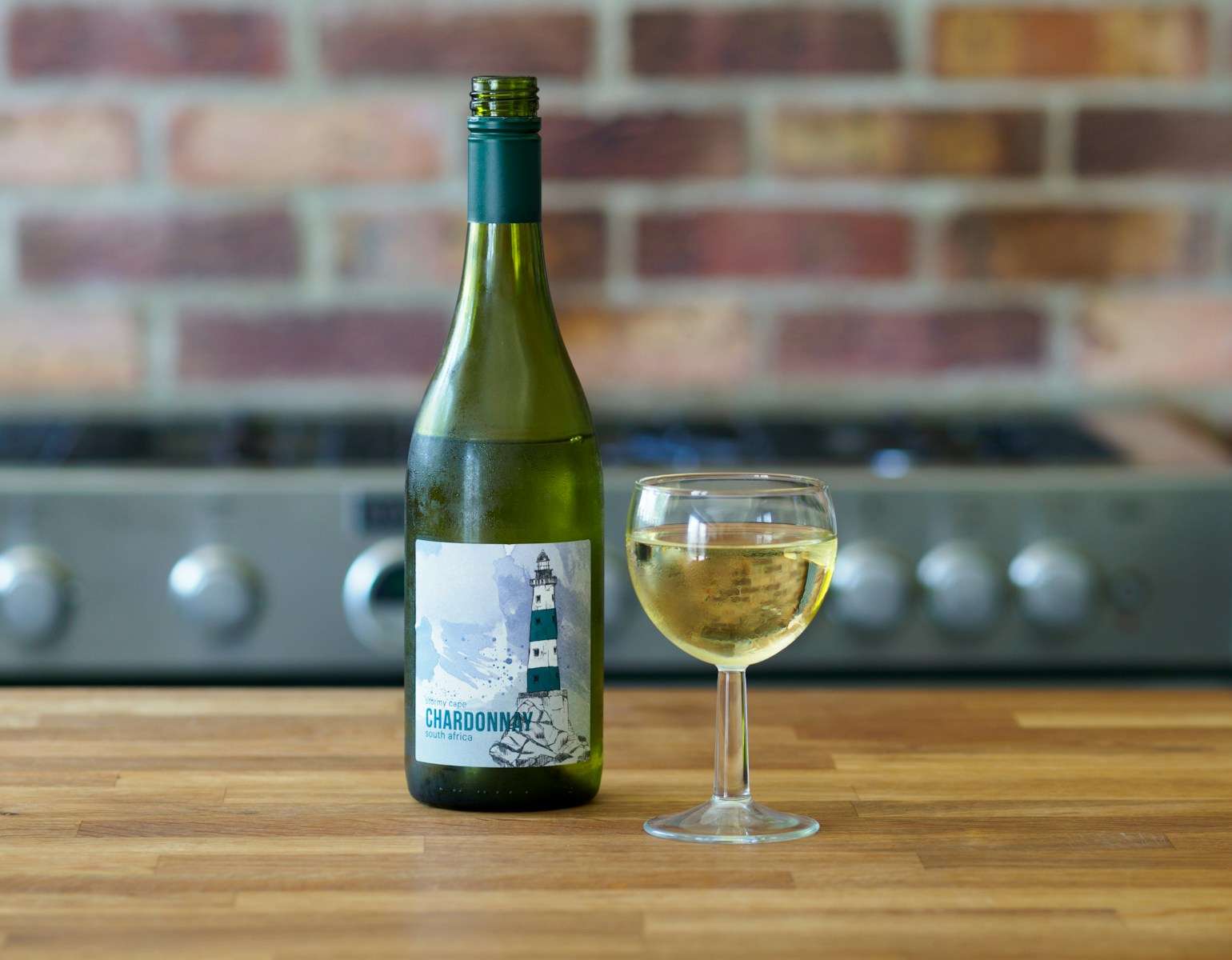
Chardonnay is a versatile white grape, celebrated across the globe. Discover its origins in Burgundy, diverse expressions from different climates, and the evolving styles that have shaped its journey.
Chardonnay Unveiled: A Deep Dive
Chardonnay In 60 Seconds
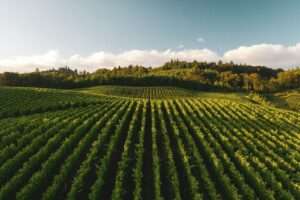
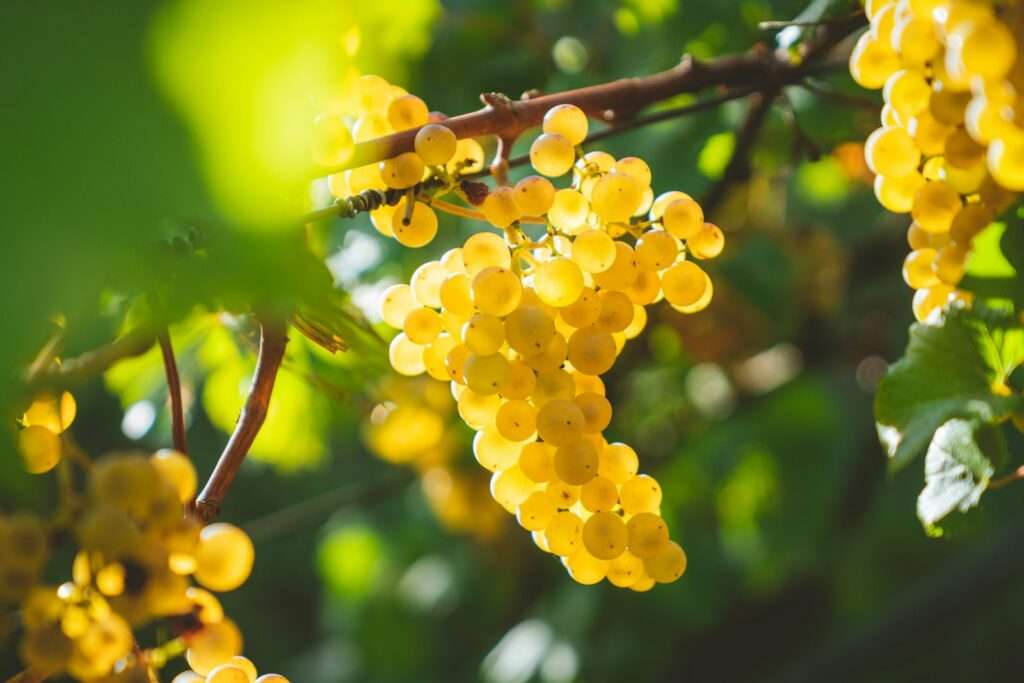
- Chardonnay, a green-skinned grape native to Burgundy, France, thrives globally.
- From youthful, fruity styles to complex, barrel-fermented bottles, Chardonnay offers diverse tasting experiences.
- Medium to full-bodied, Chardonnay complements a range of simple or complex foods.
- In France, it’s labeled by region (e.g., Chablis) and a key variety in Champagne.
The Origins of Chardonnay
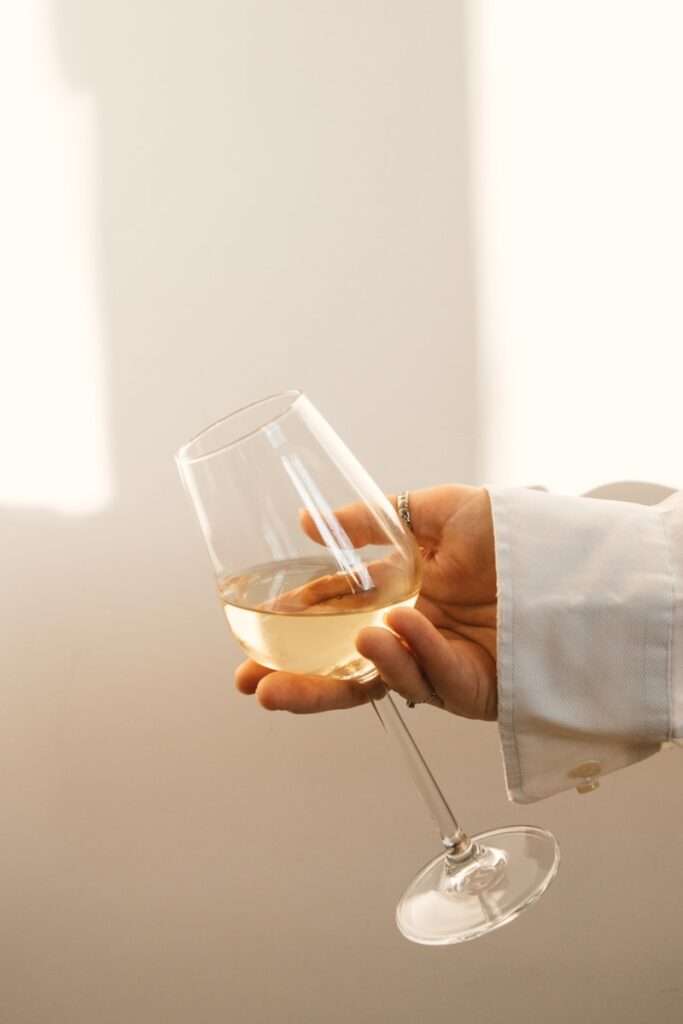
- Burgundy winemakers prized Chardonnay’s neutral profile, emphasizing terroir.
- Bordeaux spread Chardonnay globally, earning its moniker as the “great colonizer.”
- Different climates yield distinct flavors, from lighter notes in cool regions to tropical richness in warmer areas.
The Various Styles of Chardonnay
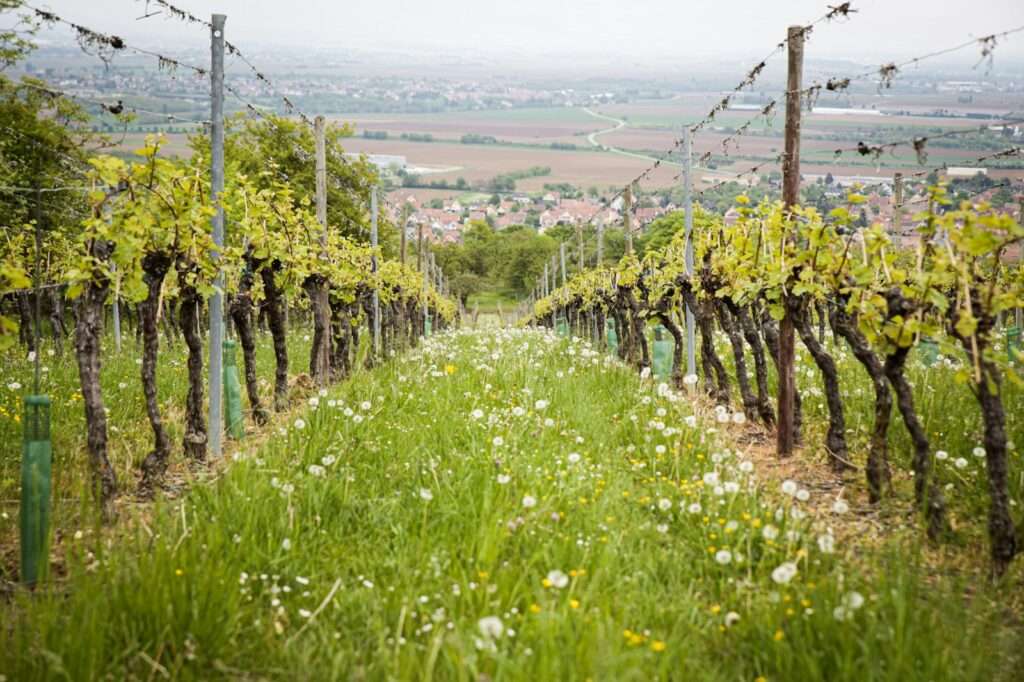
- Winemaking choices, including malolactic fermentation (MLF), shape Chardonnay styles.
- MLF imparts buttery notes, while unoaked versions showcase dominant green fruit flavors.
- Oak aging influences flavor profiles; French oak offers subtlety, American oak adds boldness.
- The ’80s and ’90s saw over-oaked “butter bombs” in California; today’s trend leans toward balanced styles.
How To Pair Chardonnay With Food
- Versatility allows Chardonnay to pair with diverse foods.
- Unoaked Chardonnay complements fresh cheese and delicate seafood.
- Medium-bodied expressions pair well with poultry, pork, or aged cheeses.
- Full-bodied Chardonnay enhances rich cream sauces and grilled meats.
10 Facts About Chardonnay

- Chardonnay originated in Burgundy, France, and is now globally widespread.
- It’s a green-skinned grape with a neutral profile, making it highly adaptable.
- Different climates produce varied flavor profiles, from crisp to tropical.
- Chardonnay is a key grape in Champagne, contributing finesse and balance.
- The grape’s popularity led to its nickname as the “great colonizer.”
- Winemakers use malolactic fermentation and oak aging to craft diverse styles.
- Over-oaked “butter bombs” were a trend in California during the ’80s and ’90s.
- Chardonnay’s popularity soared after a Californian win in the 1976 Judgement of Paris.
- French Burgundy is renowned for producing elegant white Burgundy from Chardonnay.
- Chardonnay is known for its adaptability, producing wines ranging from fresh and crisp to rich and buttery.
Links to other interesting articles:
73-powerful-team-building-activities
unlock-the-fun-with-18-virtual-team-building-activities
powerful-tips-for-crafting-a-company-culture
Links to other interesting articles:
19-amazing-virtual-team-building-activities
35-powerful-team-building-activities
5-minute-team-building-activities
more-than-50-powerful-team-building-activities
Find out more about our experiences.
You may also want to check out our gallery for past events.