
Table of Contents

Wine Tasting for Beginners: Unlock the Secrets of Every Sip with Confidence
Wine tasting can feel like stepping into a secret club where everyone knows the handshake except you. Swirling glasses, sniffing deeply, tossing around words like “tannins” and “bouquet”—it’s enough to make any newbie sweat.
But here’s the truth: wine tasting for beginners is less about snobbery and more about curiosity. It’s a chance to explore, enjoy, and maybe even impress yourself with what you discover in a glass of Pinot Noir or Chardonnay. I’ve been there—standing in a vineyard with a glass in hand, wondering if I was supposed to smell grass or just drink the darn thing. Spoiler: I figured it out, and you will too.
This guide is your no-nonsense roadmap to wine tasting for beginners. I’ve sipped my way through enough bottles—some amazing, some questionable—to know what works and what’s just fluff. We’ll cover the basics: why wine tasting matters, how to do it step-by-step, picking your first wines, and even hosting your own tasting to level up your skills.

Whether you’re prepping for a winery visit, a team building experience, or just want to sound smart at dinner, you’ll walk away from this with confidence and a little swagger. Ready to dive into wine tasting for beginners? Let’s raise a glass and get started.
Why Wine Tasting for Beginners Is Worth Your Time
So, why bother with wine tasting for beginners? It’s not just about looking fancy—it’s about unlocking a world of flavors and stories in every sip. Wine’s been around forever, from ancient Roman feasts to modern-day happy hours, and tasting it is your ticket to that history. I remember my first real tasting—nervous, holding a Sauvignon Blanc, thinking, “What’s the big deal?” Then I smelled lime and cut grass, and it clicked: wine’s alive, and tasting it wakes up your senses.

It’s also practical. Knowing wine tasting for beginners helps you pick bottles you’ll love, not just grab whatever’s on sale. Ever bought a Merlot that tasted like regret? Yeah, me too. Tasting skills save you from that. Plus, it’s a blast—solo, with friends, or as a team building activity. You’ll bond over guessing if that Rosé smells like strawberries or watermelon. Wine tasting for beginners isn’t a chore; it’s an adventure. Let’s unpack how to make it yours.
The Sensory Payoff
Wine tasting for beginners sharpens your senses. Your nose picks up 60-80% of the flavor—way more than your tongue. I once sniffed a Cabernet Sauvignon and swore I smelled my grandma’s blackberry pie. It’s wild how wine pulls memories out of thin air. Taste buds catch the rest—sweet, sour, bitter—and suddenly, you’re a detective solving the case of the glass.
Confidence Boost

Master wine tasting for beginners, and you’ll stroll into a wine shop or restaurant like you own the place. No more nodding blankly when the server says “oaky finish.” You’ll know what you like—maybe a crisp Riesling—and why. It’s empowering, trust me.
Social Superpower
Wine tasting for beginners is a social cheat code. Share a bottle, swap notes, laugh when someone says Pinot Grigio tastes like “wet socks.” I’ve seen it turn quiet dinners into lively debates. It’s perfect for team building experiences too—nothing bonds people like arguing over a Syrah.
The 5 S’s: Your Wine Tasting for Beginners Toolkit

Wine tasting for beginners boils down to five steps—See, Swirl, Sniff, Sip, Savor. The “5 S’s” sound fancy, but they’re dead simple once you try them. I stumbled through my first tasting, splashing Prosecco everywhere, but practice made it second nature. Here’s how to nail wine tasting for beginners with these steps.
See: Look at Your Wine
Hold your glass against a white background—napkin, tablecloth, whatever. Check the color. Is that Chenin Blanc pale yellow or golden? A Malbec ruby or inky black? Color hints at age and type—young whites are light, old reds get bricky. I once spotted a greenish tint in a Sauvignon Blanc—turns out, it’s a youth thing. Wine tasting for beginners starts with your eyes.
Look for clarity too. Cloudy wine might mean it’s funky (in a good way) or faulty (in a bad way). Viscosity matters—swirl it gently; do “legs” drip slow or fast? Slow means higher alcohol or sugar. It’s like wine’s first hello.
Swirl: Wake It Up

Swirl your glass—hold the stem, give it a gentle spin. This aerates the wine, releasing aromas. I used to overdo it, sloshing Zinfandel on my shirt, but a small circle does the trick. Watch the wine coat the glass—those legs again. It’s not just show; it’s prep for the good stuff. Wine tasting for beginners gets real here—swirling’s your warm-up.
Sniff: Dive Nose-First
Stick your nose in and inhale. This is where wine tasting for beginners gets fun—and weird. What do you smell? Fruits like apple or cherry? Herbs? Maybe leather or wet stone? My first sniff of Grenache hit me with raspberries and spice—mind blown. Don’t rush; take two sniffs if you need. Your nose does most of the work—train it, and wine tasting for beginners becomes a treasure hunt.
Sip: Taste the Magic

Take a small sip—let it roll over your tongue. Is it sweet like Moscato? Tart like Pinot Gris? Notice texture—smooth or grippy? I sipped a Shiraz once and felt velvet; another time, a Cabernet puckered my mouth with tannins. Wine tasting for beginners is about feeling it, not just drinking it.
Try this trick: suck in a tiny bit of air while it’s in your mouth—sounds odd, but it amps up flavor. Spit or swallow (spit if you’re tasting tons—keeps you sharp). What lingers? That’s the finish.
Savor: Reflect and Enjoy
After swallowing, pause. What sticks around? A long, fruity finish or a quick fade? Savoring is wine tasting for beginners’ quiet moment—think about what you liked. I savored a Tempranillo once and caught a late cherry note—pure joy. Ask: Would I drink this again? It’s your call, no wrong answers.
Picking Your First Wines: Wine Tasting for Beginners Starter Pack

Wine tasting for beginners needs the right bottles. Too many options? Start simple—wines that are approachable, affordable, and forgiving. Here’s your lineup, based on my own rookie sips and flops.
Whites to Try
- Pinot Grigio: Light, crisp, apple-y. Italy’s a safe bet. My first was like biting a green apple—easy, refreshing. Great for wine tasting for beginners.
- Sauvignon Blanc: Zesty, grassy, citrus punch. New Zealand’s a star. I smelled lime and loved it—perfect starter.
- Chardonnay: Buttery or clean, depending on oak. California’s big here. My unoaked one was a smooth intro.
Reds to Sip
- Pinot Noir: Silky, cherry vibes. Oregon or France. My first tasted like berries—not too heavy for wine tasting for beginners.
- Merlot: Soft, plummy, gentle tannins. Washington State’s solid. I found it velvety—newbie-friendly.
- Malbec: Juicy, dark fruit, smoky edge. Argentina rules. My first was bold but not scary—great pick.
Bubbles and Beyond

- Prosecco: Bubbly, fruity, fun. Italy’s gift. I popped one for a laugh—instant hit.
- Rosé: Pink, floral, versatile. Provence or bust. My first was strawberry heaven—light and lovely.
Grab bottles $10-$20—quality without breaking the bank. Local shops or apps like Vivino help. Wine tasting for beginners is about exploration, not expense.
Your First Wine Tasting: Tips to Shine
Ready to try wine tasting for beginners in the wild? Whether it’s a winery, shop, or your kitchen, here’s how to ace it.
At a Winery
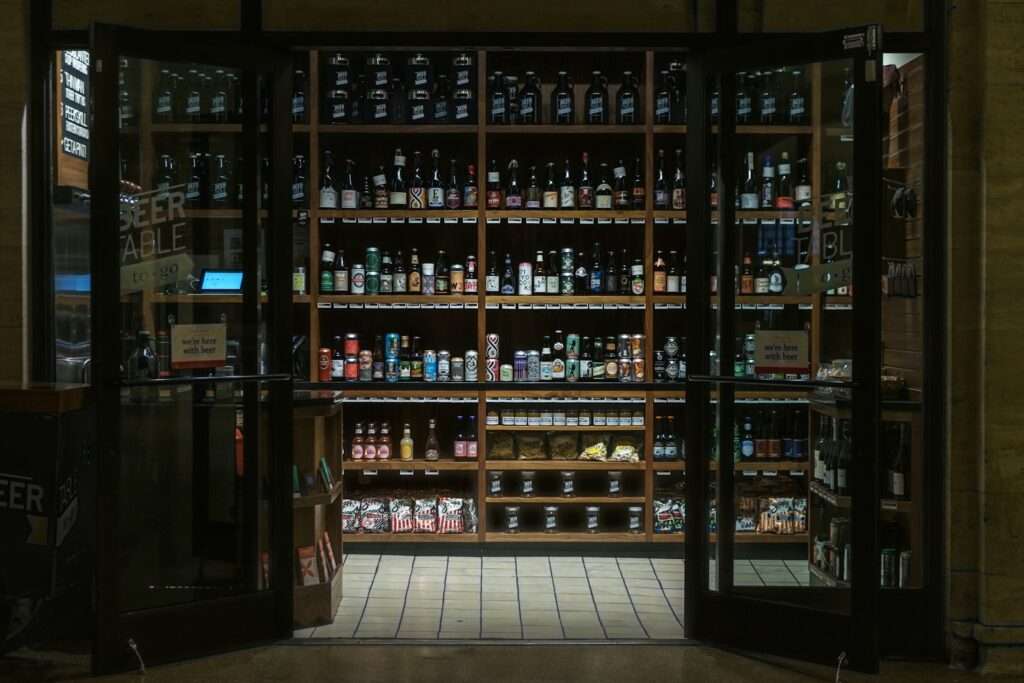
- Dress Smart: Casual but dark—spills happen. I wore white once; Cabernet taught me a lesson.
- Ask Away: Staff love questions. “What’s this smell like?” or “Why’s it tart?”—they’ll spill the goods.
- Spit or Sip: Tasting lots? Spit into the bucket. I skipped this once—fuzzy by winery three. Wine tasting for beginners needs pacing.
At Home
- Setup: White tablecloth, water, plain crackers. Simple. I forgot water once—palate fried.
- Invite Pals: Share bottles, compare notes. My first home tasting turned into a team building giggle-fest—priceless.
- Take Notes: Jot what you smell, taste, like. I use my phone—beats forgetting that Riesling rocked.
Virtual Vibes
- Go Online: Virtual tastings are hot—7,000 searches monthly. Order a kit, Zoom in. I did one; spilled Viognier on my cat—still fun.
- Pro Help: A guided team building experience adds polish—wines, tips, all delivered.
Decoding Wine: What You’re Tasting
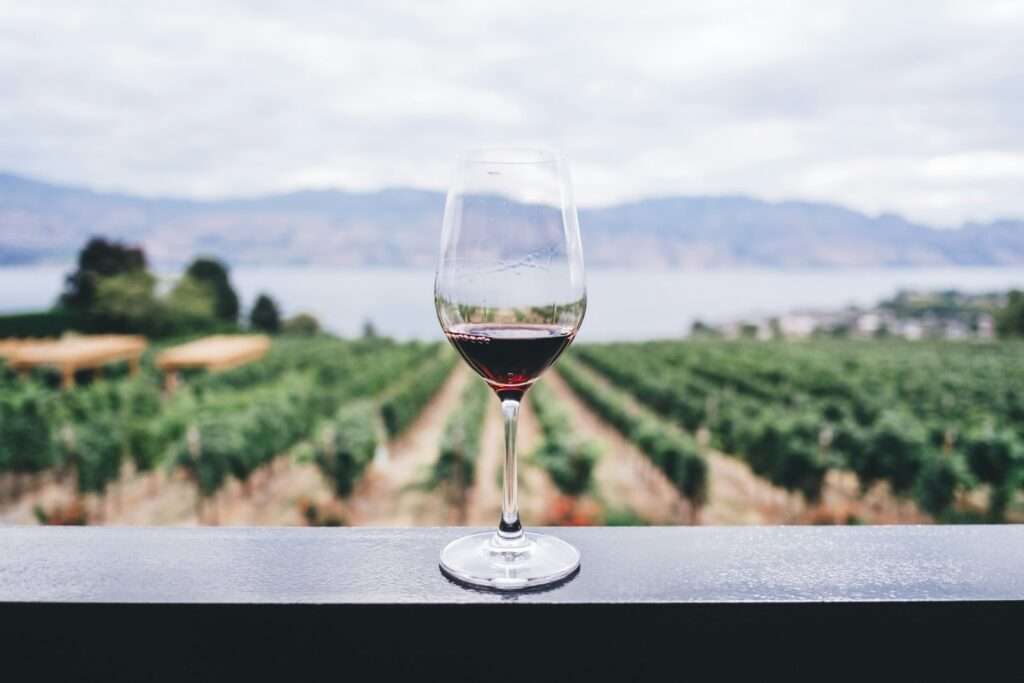
Wine tasting for beginners gets easier when you know what to look for. Here’s the breakdown—flavors, feels, and all.
Sweetness
Dry or sweet? Moscato’s sugary; Sauvignon Blanc isn’t. I thought a Merlot was sweet—turns out, fruit tricked me. Taste it—does it linger like candy?
Acidity
That zingy, mouth-watering feel? High acidity—like Pinot Gris. Low feels flat. I swirl, spit, and check my saliva—waterfall means tart. Wine tasting for beginners loves this trick.
Tannins
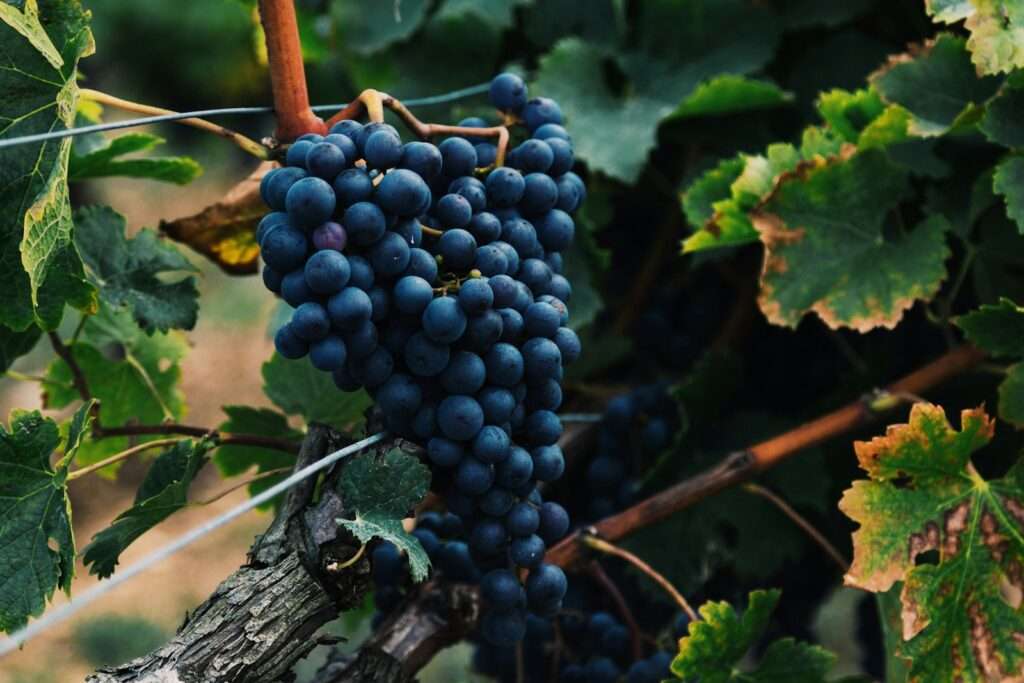
Grippy, dry sensation? That’s tannins from skins or oak. Cabernet Sauvignon’s big; Pinot Noir’s light. My first tannic red was like chewing tea—wild.
Body
Light like skim milk (Pinot Grigio) or full like cream (Chardonnay)? I felt a Malbec’s weight—cozy and bold.
Alcohol
Warmth in your throat? High alcohol—over 14%. Zinfandel burns a bit; Riesling doesn’t. Check the label—wine tasting for beginners gets a cheat sheet.
Aromas
- Fruit: Citrus in whites, berries in reds. Grenache hit me with raspberry—yum.
- Earth: Dirt, mushrooms in old reds. A Tempranillo smelled like forest floor—cool.
- Oak: Vanilla, toast. Chardonnay screamed butter once—oak’s fault.
Level Up: Host Your Own Wine Tasting
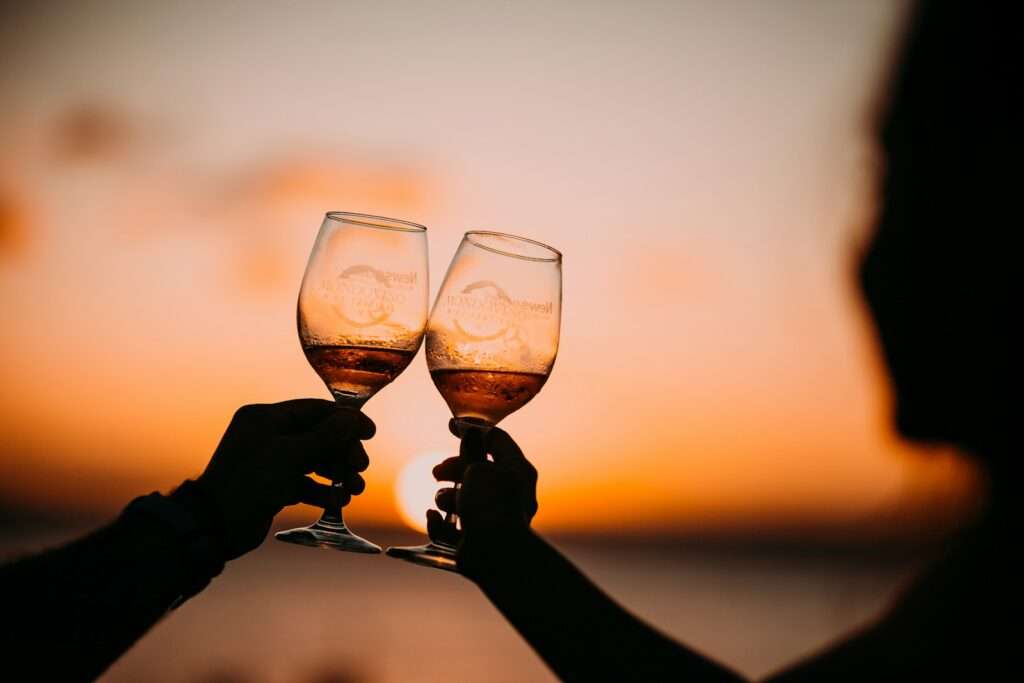
Wine tasting for beginners shines when you share it. Hosting your own is next-level fun—here’s how.
Theme It
- Red vs. White: Clash of titans. My crew picked Pinot Noir over Pinot Grigio—debate city.
- Regions: Tuscany vs. Napa. Sangiovese won my heart.
- Blind: Hide labels, guess. I called a Syrah a Merlot—oops.
Setup
- Glasses: One per wine or rinse. I’ve done both—rinsing’s fine.
- Snacks: Crackers, cheese, fruit. Brie with Chenin Blanc? Divine.
- Cards: Note name, region, thoughts. My friends got competitive—hilarious.
Run It
Pour one wine, chat it up—“What’s this smell?” Games like “Blind Guess” or “Wine Bingo” (oaky, fruity) rock. For a team building experience, split into teams—rivalry fuels fun. It’s wine tasting for beginners, amplified.
Wine Tasting for Beginners: Deep Dive

Wine Profiles
- Riesling: Sweet or dry, apple-citrus zip. Germany’s king. My first was tart bliss.
- Sauvignon Blanc: Grassy, lime, bell pepper. New Zealand’s ace. Smelled like summer.
- Pinot Noir: Cherry, silk, earth. Oregon’s my jam. Light red love.
- Merlot: Plum, soft, easy. Washington’s smooth. Rookie red win.
- Prosecco: Apple, bubbles, joy. Italy’s party starter. Can’t go wrong.
Tasting Scenarios
- Winery Day: 30-45 mins per stop. I hit three once—spitting saved me.
- Dinner Pairing: Chardonnay with chicken, Malbec with steak. My taste buds danced.
- Solo Sip: Quiet night, Rosé, notebook. Found floral notes—zen.
Pro Tips

- Temp: Whites 45-50°F, reds 60-65°F. Warm Pinot Grigio? Bleh.
- Glass: Tulip shape traps smells. I use cheap ones—works fine.
- Practice: Sip daily, note stuff. My palate grew fast—wine tasting for beginners superpower.
Full Tasting Script
“Welcome to wine tasting for beginners! Grab a Pinot Grigio—see its pale gold? Swirl, sniff—apples? Sip—crisp? Savor—what’s the finish? Next, Pinot Noir—ruby hue, cherry nose, silky taste. Thoughts? Let’s roll!”
Conclusion: Your Wine Tasting for Beginners Journey Starts Now
Wine tasting for beginners isn’t about perfection—it’s about discovery. From the 5 S’s to your first Merlot, you’re building a skill that’s equal parts fun and flair. I’ve gone from clueless to confident, sniffing out Grenache like a pro, and you can too. Every glass is a story—yours to tell.
So, pick a bottle, gather your crew, and dive into wine tasting for beginners. Solo sip or a team building experience, it’s your call—just taste, laugh, and love it. Cheers to your wine adventure—here’s to sips that spark joy!
Hashtags: #WineTastingForBeginners #WineNewbie #SipWithConfidence #WineLoversUnite #TeamBuildingSips #TasteTheJourney #WineBasics #BeginnerWineGuide #WineFun #UnlockTheGlass
Find out more about our experiences.
You may also want to check out our gallery for past events.
Other interesting links
- CUSTOMIZE YOUR EXPERIENCE
- Team Building blog
- Wine Courses
- THE BLIND TASTING COMPETITION
- THE PERFECT BLEND COMPETITION
- TEQUILA & MEZCAL EXPERIENCE
- Food & Wine Pairing
- VIRTUAL EXPERIENCES
Links to other interesting articles:
73-powerful-team-building-activities
unlock-the-fun-with-18-virtual-team-building-activities
powerful-tips-for-crafting-a-company-culture
Links to other interesting articles:
19-amazing-virtual-team-building-activities
35-powerful-team-building-activities