
Table of Contents
10 Wine Etiquette Rules You Must Know Now
Wine etiquette might sound stuffy, but it’s really just a roadmap to enjoying wine—and looking good doing it. Whether you’re at a fancy dinner or a casual team building experience, knowing these rules can boost your confidence and charm the table. Inspired by the social dance of wine, I’ve gathered 10 must-know etiquette tips to help you shine at any gathering.
Let’s sip through the dos and don’ts with style.
Why Wine Etiquette Matters
Wine’s more than a drink—it’s a ritual. A few simple moves, like holding the glass right or pouring with care, show respect for the wine and the company. It’s not about snobbery; it’s about savoring the moment. Picture swirling a Pinot Noir with ease or offering a toast that lands—small acts, big impact.
For social settings or team building vibes, it’s a skill worth having. My team building experiences often sprinkle in these tips—polish meets fun.
Rule #1: Hold the Glass by the Stem
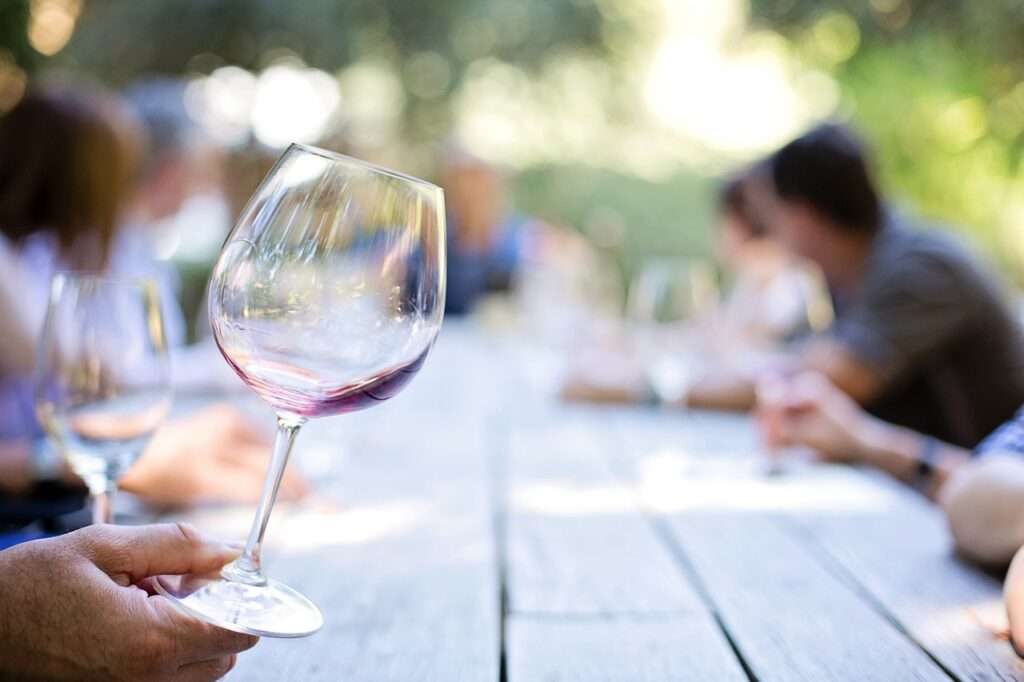
Grab your wine glass by the stem, not the bowl. Why? It keeps your hand from warming the wine—crucial for a chilled Sauvignon Blanc—and avoids smudgy fingerprints. Plus, it looks sleek.
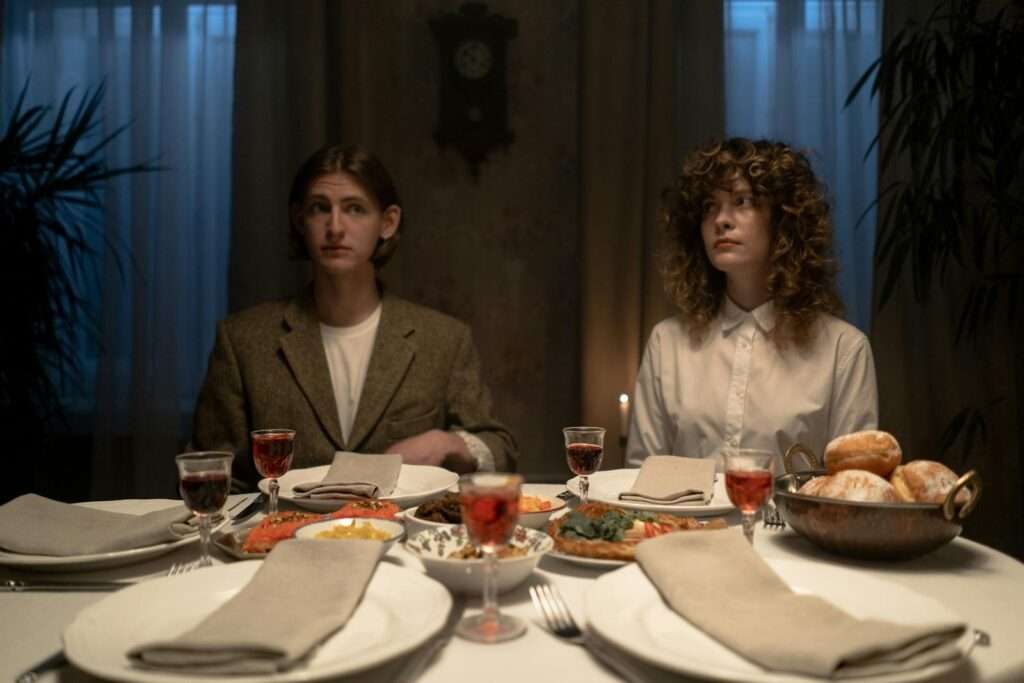
This one’s a subtle flex. I teach it in team building experiences—instant elegance.
Rule #2: Pour Just Enough
Fill the glass a third to halfway—about 5 ounces max. It leaves room to swirl a Cabernet Sauvignon and sniff its aromas without spilling. Overpouring? Sloppy and wasteful.
Less is more here. My tastings at The Wine Voyage nail this—classy every time.
Rule #3: Sip, Don’t Gulp
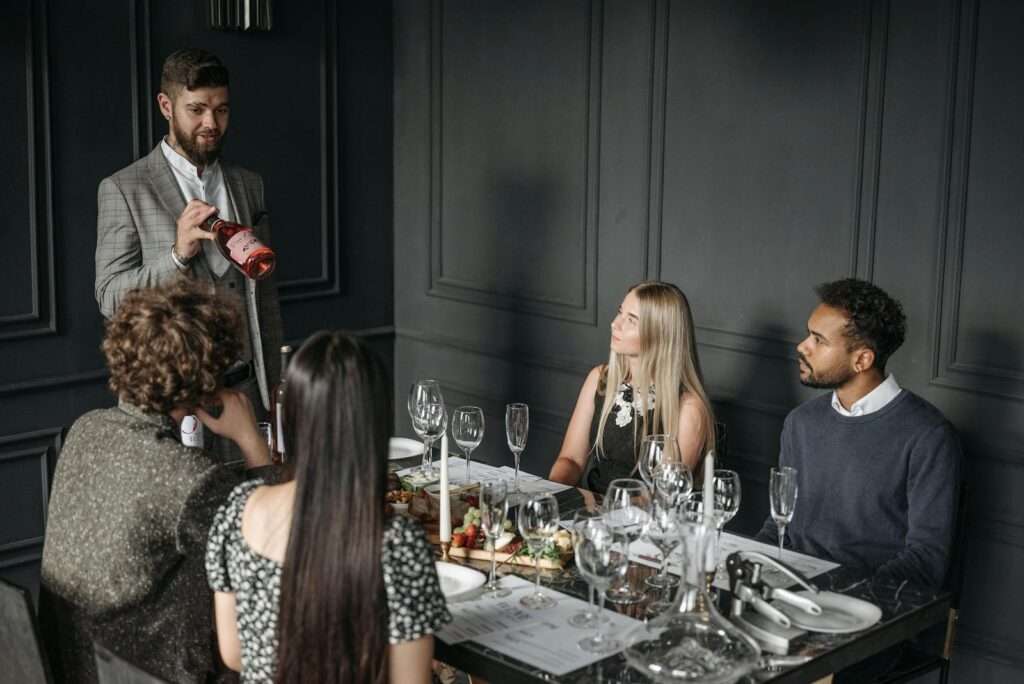
Wine’s for savoring, not chugging. Take small sips to enjoy the Chardonnay’s buttery finish or the Syrah’s peppery kick. It’s polite and lets you pace yourself.
This keeps the vibe refined. I weave it into team building events—sip smart, stay sharp.
Rule #4: Don’t Clink Too Hard
A gentle tap is plenty for a toast—no need to slam glasses like beer mugs. A soft clink with Prosecco says “cheers” without risking a shatter—or a wince from the host.
Light touch, big charm. My team building experiences perfect this moment.
Rule #5: Offer to Pour for Others First
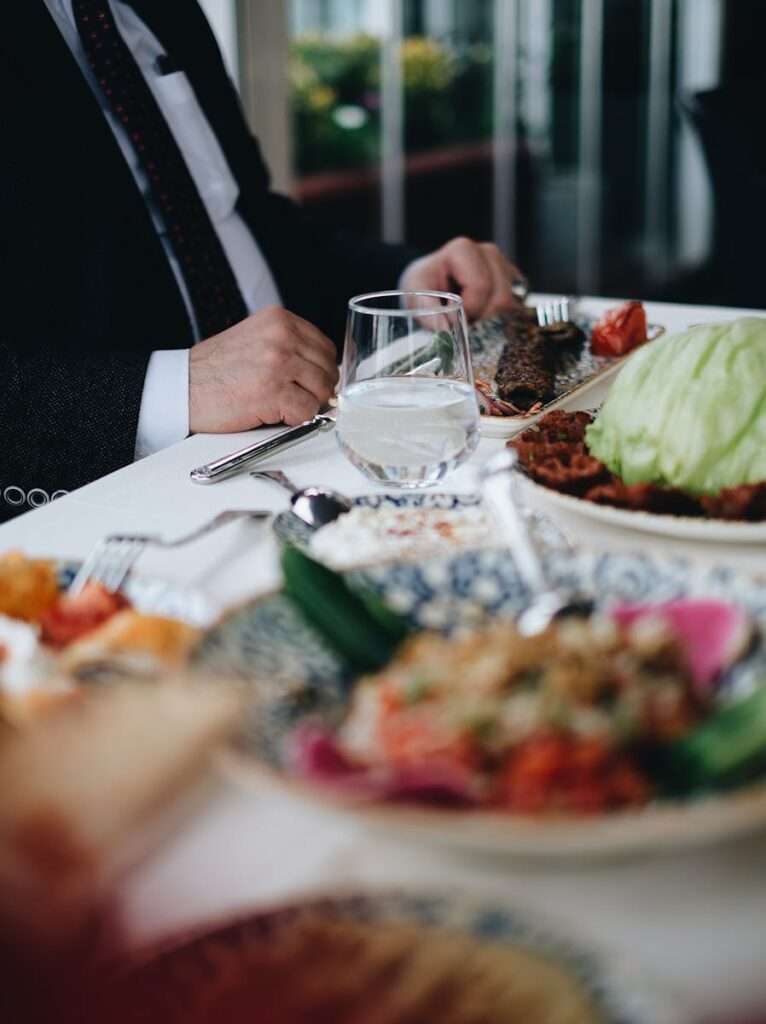
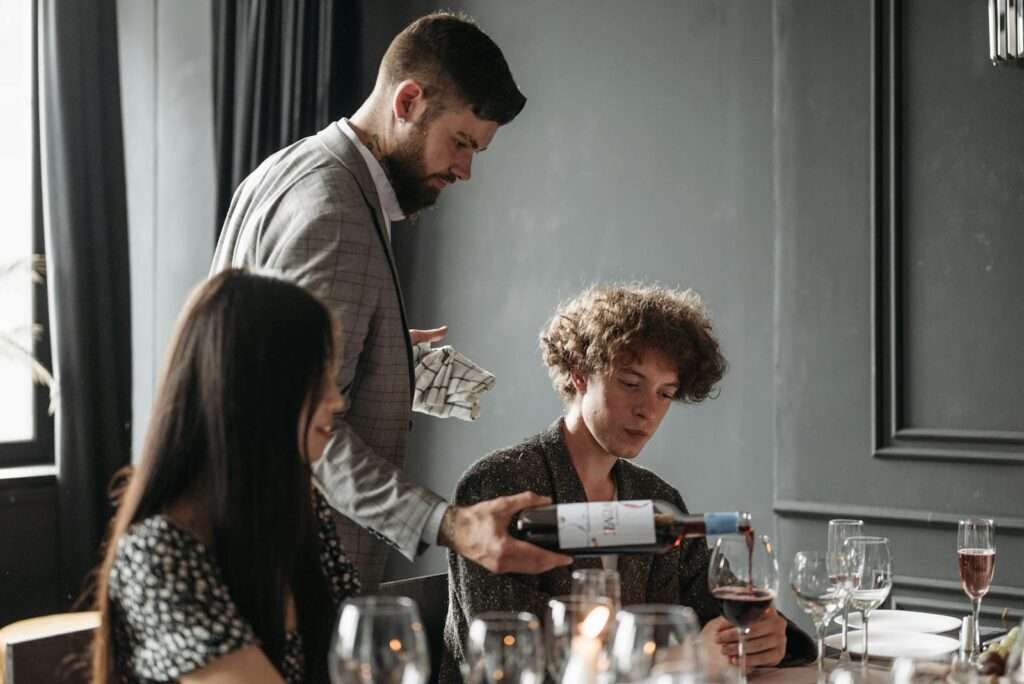
At the table, pour for your neighbors before yourself—it’s a small courtesy that scores points. Keep it steady, aim for that third-full mark, and watch the bottle’s neck to avoid drips.
Service with a smile. I demo this in team building tastings at The Wine Voyage—guests love the gesture.
Rule #6: Smell Before You Sip
Give the wine a quick swirl and sniff—Merlot’s plum notes or Riesling’s citrus pop out. It’s not showing off; it’s appreciating what’s in the glass.
This move’s a pro habit. My team building experiences make it fun—noses in, chatter up.
Rule #7: Pair with Purpose (or Ask)
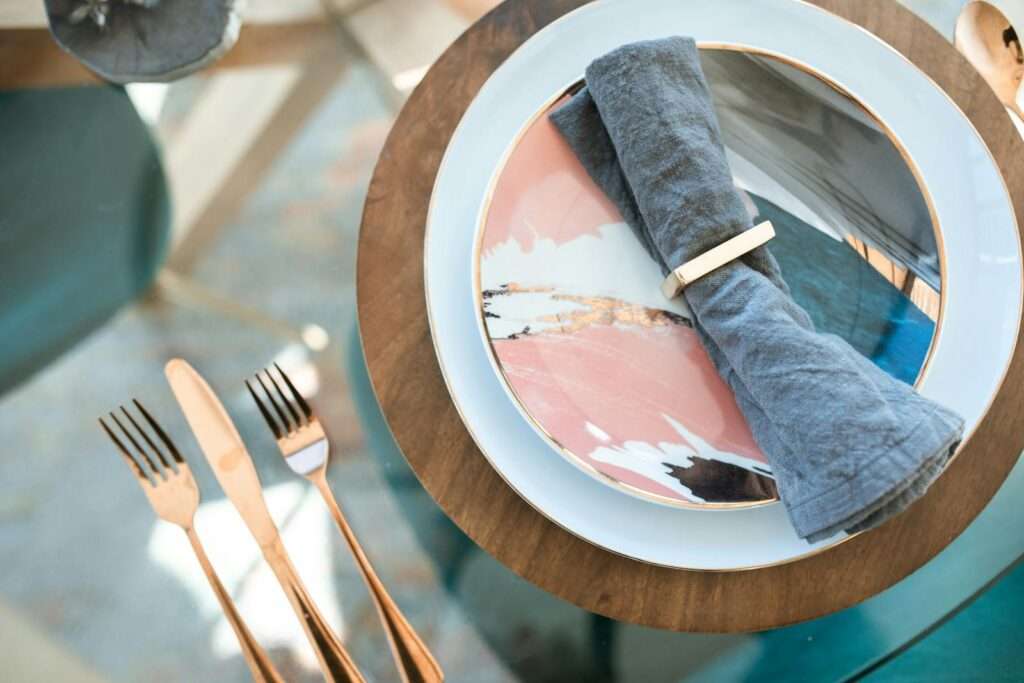
Match wine to food if you can—Chianti with pasta, Pinot Grigio with fish. Unsure? Ask the host or suggest a pairing. It shows you’re engaged, not clueless.
Thoughtful pairing impresses. My “Vineyard Adventure” package at The Wine Voyage ties this into team building—flavor and finesse.
Rule #8: Don’t Hog the Bottle
Pass the wine around—don’t park it by your plate. If it’s a shared bottle of Malbec, let everyone enjoy. Hoarding’s a buzzkill; sharing’s the vibe.
Generosity wins. I reinforce this in team building experiences—wine flows, so does the mood.
Rule #9: Toast with Grace
If you’re toasting, keep it short and sweet: “To good friends and great nights.” Eye contact as you clink—tradition says it’s bad luck otherwise. No pressure, just warmth.
A solid toast lifts the room. My team building events at The Wine Voyage practice this—cheers done right.
Rule #10: Know When to Stop
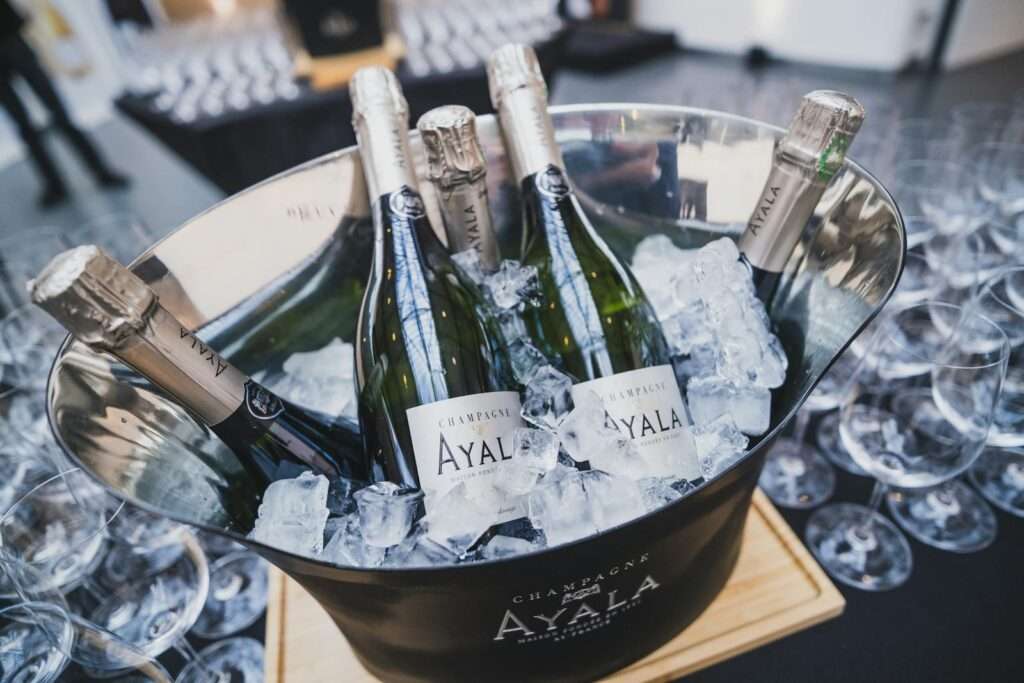
Enjoy, but don’t overdo it. One or two glasses of Rosé keep you sharp and social—slurring’s not chic. Moderation’s the ultimate etiquette rule.
Stay poised, stay classy. My team building experiences balance this—fun, not sloppy.
My Wine Etiquette Mishap
I learned these rules the hard way. At my first dinner party, I gripped a Zinfandel glass like a juice cup—warm wine, greasy prints, and a host’s side-eye. I overpoured, gulped, and hogged the bottle—cringe city. Now, I sip smarter and share the wisdom.
That’s why I bake etiquette into my work at The Wine Voyage. From solo pours to team building nights, it’s polish with a purpose.
Quick Etiquette Cheat Sheet
Heading to a party? Remember:
- Hold: Stem, not bowl.
- Pour: Third full, others first.
- Sip: Small, slow.
- Share: Pass it on.
- Toast: Short, sweet, eyes up.
My team building experiences drill this—confidence in every move.
Why Etiquette Elevates More Than Wine
Wine etiquette’s not just rules—it’s respect. It’s honoring the Sangiovese in your glass and the people around you. It turns a pour into a connection, a dinner into a memory. I’ve seen it spark laughs and bonds at team building events—grace with a glass.
So, sip with style. It’s the little things that leave a big mark.
Conclusion: Master Wine Etiquette and Own the Room
These 10 wine etiquette rules—from stem-holding to toasting—turn you into a dinner party pro. They’re simple, practical, and packed with payoff, whether you’re at a quiet table or a team building experience. You’ll impress without trying too hard.
Next party, bring your A-game. Or let my services at The Wine Voyage polish your skills—etiquette’s your edge. Cheers to sipping like a star!
Hashtags: #WineEtiquette #DinnerPartyTips #WineLovers #SipWithStyle #WineRules #PartyPro #WineManners #TasteClassy #WineNight #ImpressWithWine
Find out more about our experiences.
You may also want to check out our gallery for past events.
Other interesting links
- CUSTOMIZE YOUR EXPERIENCE
- Team Building blog
- Wine Courses
- THE BLIND TASTING COMPETITION
- THE PERFECT BLEND COMPETITION
- TEQUILA & MEZCAL EXPERIENCE
- Food & Wine Pairing
- VIRTUAL EXPERIENCES
Links to other interesting articles:
73-powerful-team-building-activities
unlock-the-fun-with-18-virtual-team-building-activities
powerful-tips-for-crafting-a-company-culture
Links to other interesting articles:
19-amazing-virtual-team-building-activities
35-powerful-team-building-activities