
Table of Contents
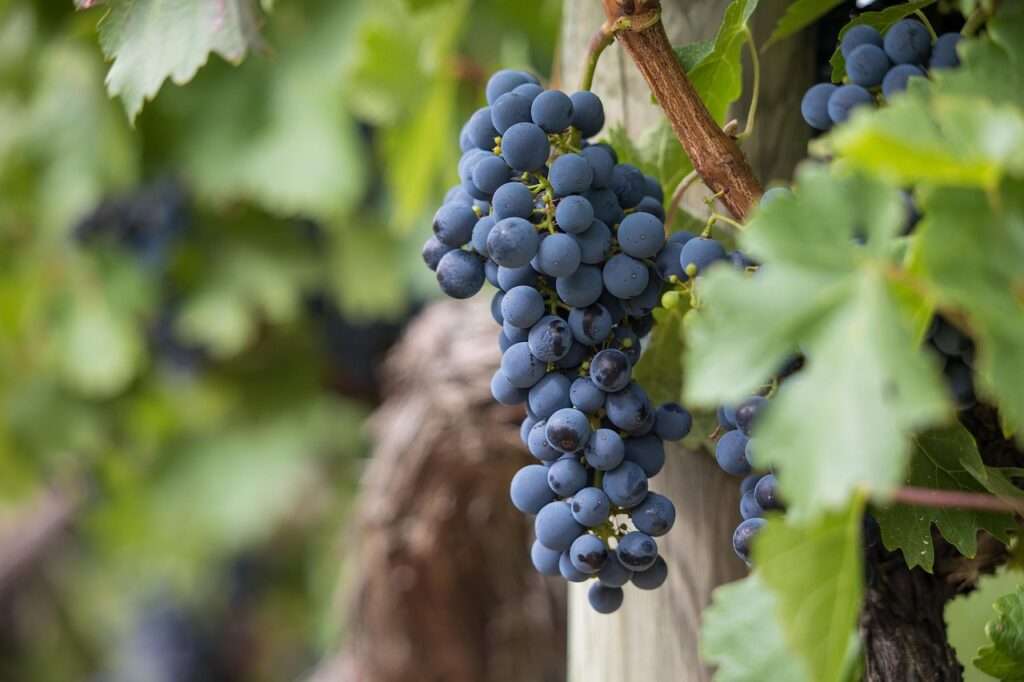
8 Reasons Why Organic Wine Worth the Hype
Organic wine is buzzing louder than ever, and as of March 12, 2025, it’s not just a trend—it’s a movement. With eco-conscious sipping on the rise, you might wonder: is organic wine really worth it? Spoiler: yes, and these eight reasons will convince you to go green with your next glass. Whether you’re pouring at home or hosting a team building experience, organic wine’s got a lot to offer.
I’ve tasted my way through organic bottles—some earthy, some crisp—and dug into what makes them tick. It’s not just about the planet; it’s about flavor, health, and a damn good story. Let’s unpack why organic wine deserves your attention in 2025.
What Makes Organic Wine Different?
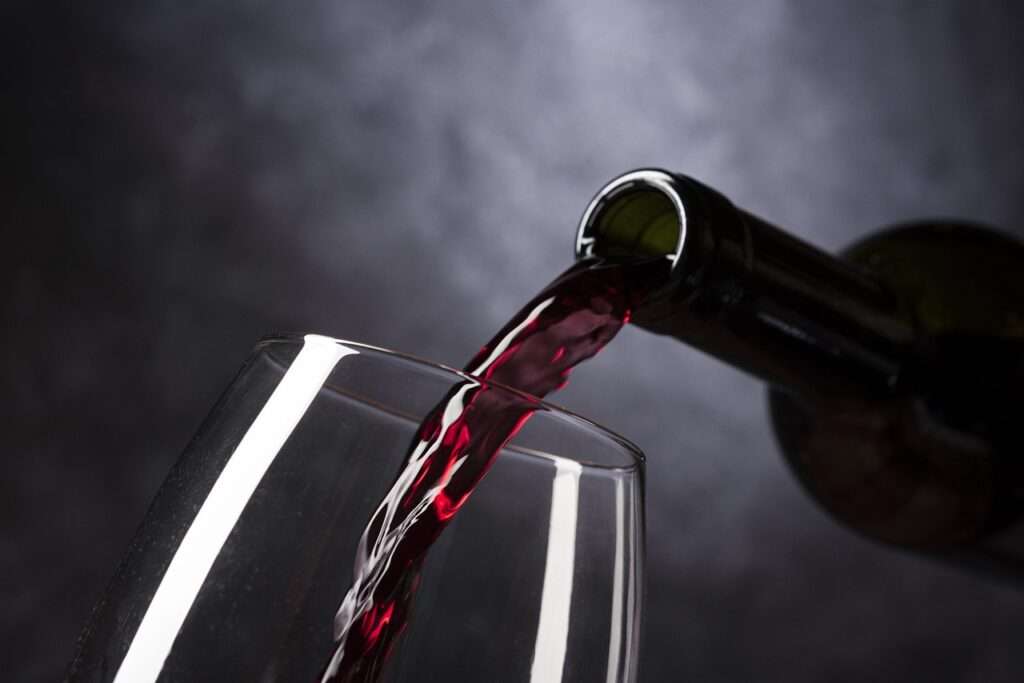
Organic wine comes from grapes grown without synthetic pesticides, herbicides, or fertilizers. Winemaking keeps additives low—think minimal sulfites. In 2025, it’s less niche, more mainstream, with sales climbing as sippers prioritize sustainability. But is it hype or hero? Here’s the case.
1. Better for the Planet (No Guilt Sip)
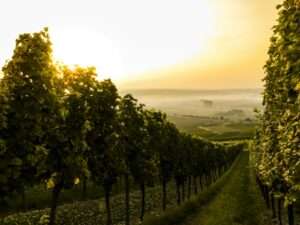
Organic vineyards ditch chemicals, boosting soil health and biodiversity. Less runoff means cleaner water—vines thrive naturally. Studies show organic farming cuts carbon footprints by up to 20%.
I visited an organic plot once—bees buzzed, wildflowers popped. Pouring a Pinot Noir from there felt like a win for Earth. It’s sipping with a purpose.
2. Purer Taste (Nature Shines)
No synthetic junk means the grape’s true flavor steps up—terroir in full effect. Organic Sauvignon Blanc? Zesty and clean. Organic Malbec? Deep and honest.
I tasted an organic Chardonnay next to a conventional one—night and day. The organic had a brightness I couldn’t un-taste. Less meddling, more magic.
3. Fewer Headaches (Maybe)
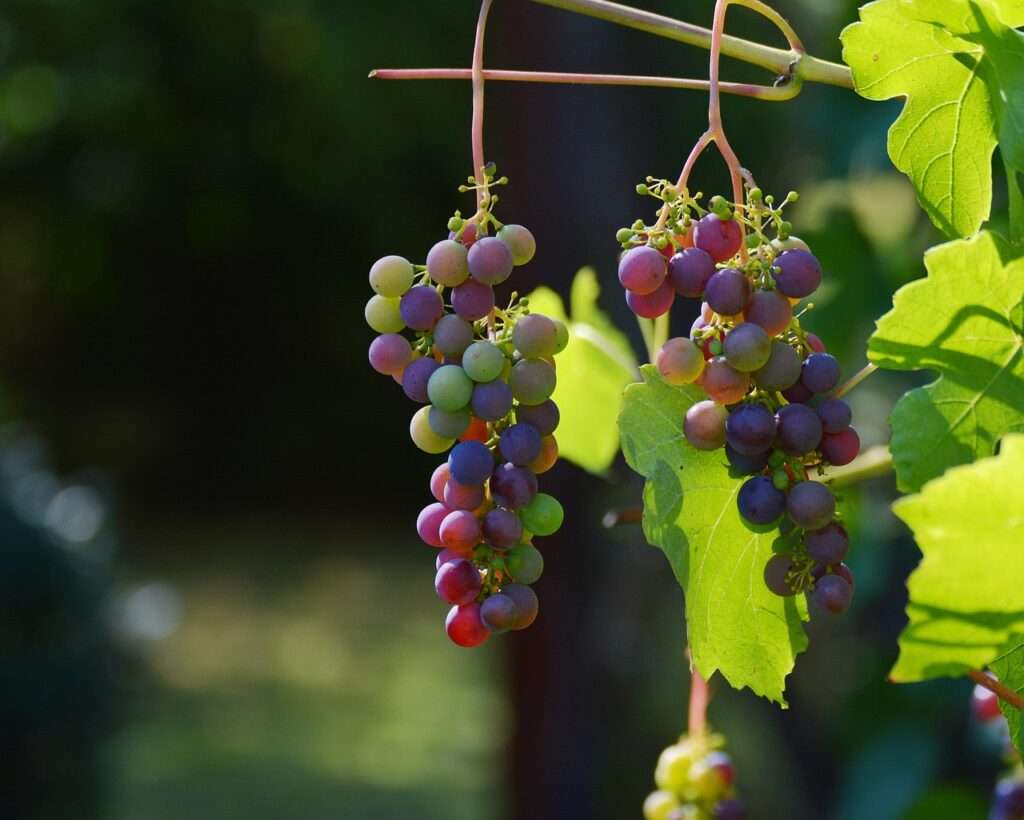
Lower sulfites in organic wine might mean fewer “wine hangovers” for some. Sulfites aren’t evil—they preserve—but organic caps them (under 100 ppm in the U.S.). Sensitive? This could be your jam.
I switched to organic Rosé for a month—no morning fog. Coincidence? Maybe, but I’m sold.
Health and Happiness in Every Sip
Organic wine’s perks go beyond taste—here’s how it hooks you.
4. Cleaner Ingredients (Less Mystery)
Conventional wines can hide up to 70 additives—sugar, dyes, you name it. Organic? Strict rules keep it real. You’re sipping grapes, not a chemistry lab.
I dug into labels once—conventional had “mega purple” vibes; organic was just wine. Cleaner feels better, period.
5. Antioxidant Boost (Health Perk)
Organic reds pack antioxidants like resveratrol—heart-friendly stuff. No pesticides mean grapes work harder, pumping out more goodness.
A glass of organic Cabernet with dinner? Tasty and a tiny health nod. Moderation’s key, but it’s a bonus.
6. Supports Small Farmers (Good Karma)
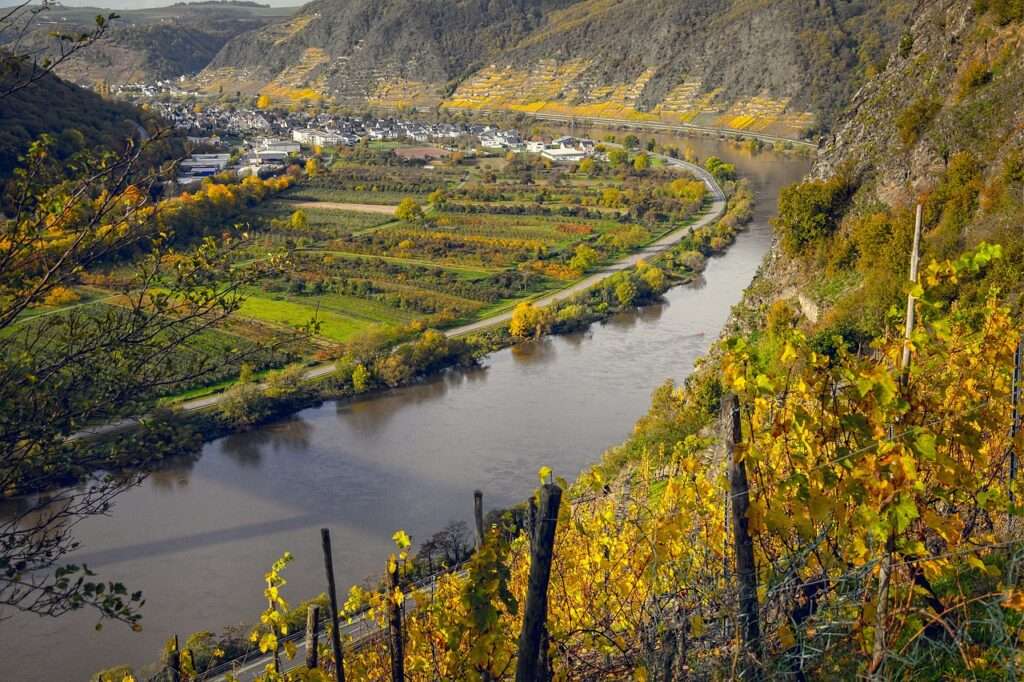
Many organic wines come from indie growers who bet big on sustainability. Your purchase keeps their passion alive—less corporate, more craft.
I met a winemaker pouring organic Syrah—his pride was infectious. Sipping supports stories like his.
The 2025 Edge
Organic wine’s timing is spot-on—here’s why it’s peaking now.
7. Aligns With the Green Wave
In 2025, sustainability’s king—organic wine fits like a glove. Biodynamic and natural wines are cousins in this eco-family, and sippers love the ethos. Sales jumped 15% last year—proof it’s hot.
I poured an organic Riesling at a team building event—guests raved about the “green cred.” It’s a vibe that sticks.
8. Affordable Quality (No Wallet Burn)
Organic’s not just for the elite—prices are dropping as demand grows. A solid organic Pinot Gris for $18? Yes, please. Quality rivals conventional, no splurge required.
I snagged an organic Tempranillo for $20—bold, smooth, budget-friendly. It’s value with values.
Why Organic Wine Wins in 2025
This isn’t a fad—organic wine’s here to stay. It’s 2025’s sweet spot: eco-smart, health-friendly, and tasty as hell. Hosting a team building experience? My “Vineyard Explorer” package leans organic—guests love the story and sip.
I’ve seen it click: a friend swapped to organic Prosecco—lighter, livelier, hooked. It’s the future, poured now.
How to Sip Organic
Ready to try? Here’s the play:
- Spot It: Look for “USDA Organic” or EU green leaf logos.
- Start Easy: Grab an organic Rosé or Merlot—familiar but fresh.
- Taste Test: Compare organic vs. conventional—your palate decides.
- Go Pro: My “Sommelier’s Choice” package curates organic gems for any team building night.
I started with an organic Grüner Veltliner—peppery, pure, no regrets.
Real Organic Moments
Last fall, I ran a team building experience with organic Zinfandel—rich, no headache chatter next day. Another time, an organic Assyrtiko at dinner sparked a “this is so clean!” debate—everyone’s a convert now.
Then there was the organic Cava toast—bubbles with a backstory. It’s not just wine; it’s a win.
Busting Organic Myths
Skeptical? Let’s clear it:
- “It’s bland.” Wrong—organic shines brighter; try it.
- “Too pricey.” Nope—$15 gets you gold.
- “All wine’s the same.” Taste an organic Chenin Blanc—you’ll see.
I doubted too—then an organic Sangiovese shut me up. It’s real.
The Bigger Picture: Organic in 2025
Organic wine’s 2025 glow comes from purpose—planet, people, pleasure. It’s not preachy; it’s practical. Pair it with a hybrid world—virtual tastings or in-person team building—and it’s unstoppable.
Imagine an organic Viognier under string lights—clean, cool, current. I can make that happen; let’s sip green together.
Conclusion: Go Organic, Sip Happy
Organic wine’s worth it—eight reasons say so: planet-friendly, pure taste, health perks, farmer love, 2025 cred, and more. It’s not hype; it’s heart in a glass. In a year craving meaning, organic delivers—sip by sip.
So, grab an organic Pinot, toast to good, and taste the difference. It’s 2025—go green, stay golden. Cheers!
Hashtags: #OrganicWine #GreenSipping #Wine2025 #SustainableWine #WineLovers #TeamBuilding #EcoWine #OrganicLiving #SipClean #WineTruth
Find out more about our experiences.
You may also want to check out our gallery for past events.
Other interesting links
- CUSTOMIZE YOUR EXPERIENCE
- Team Building blog
- Wine Courses
- THE BLIND TASTING COMPETITION
- THE PERFECT BLEND COMPETITION
- TEQUILA & MEZCAL EXPERIENCE
- Food & Wine Pairing
- VIRTUAL EXPERIENCES
Links to other interesting articles:
73-powerful-team-building-activities
unlock-the-fun-with-18-virtual-team-building-activities
powerful-tips-for-crafting-a-company-culture
Links to other interesting articles:
19-amazing-virtual-team-building-activities
35-powerful-team-building-activities