Table of Contents

8 Reasons Orange Wine Is Your Next Must-Try
Picture this: you’re at a cozy dinner with friends, and someone pours a glass of wine that’s not red, not white, but a stunning shade of amber. It smells like apricots and wildflowers, with a hint of something funky—like a forest after rain. Welcome to the world of orange wine, the quirky, captivating drink that’s turning heads and tantalizing taste buds in 2025.
If you’ve never heard of orange wine—or if you’re curious why it’s suddenly everywhere—this guide will peel back the layers of this golden elixir. From its ancient roots to its modern revival, we’ll explore why orange wine is more than a passing fad. Ready to sip something unexpected? Let’s dive into the vibrant universe of orange wine.
What Exactly Is Orange Wine?
Orange wine isn’t made from oranges—let’s clear that up first. It’s a type of white wine that gets its unique color and flavor from an old-school winemaking trick: leaving the grape skins on during fermentation. Normally, white wines skip the skins, but with orange wine, the skins stick around—sometimes for days, sometimes months. This “skin contact” process gives it that gorgeous amber-to-orange hue and a texture that’s bold and grippy, almost like a red wine.
Think of orange wine as a bridge between styles. It’s got the freshness of a white, the structure of a red, and a wild streak all its own. Winemakers often use native yeasts and minimal intervention, letting the grapes’ natural quirks shine. The result? A drink that’s earthy, complex, and a little rebellious. Orange wine feels alive in your glass—and that’s exactly why people can’t stop talking about it.
The Ancient Origins of Orange Wine
Orange wine might feel trendy, but it’s been around for millennia. Archaeologists trace its roots back 6,000 years to what’s now Georgia, where winemakers fermented grapes in clay vessels called qvevri, buried underground. These skin-contact wines were the norm back then—no one bothered stripping the skins off. It was practical, delicious, and part of the culture.
Fast forward to the Middle Ages, and orange faded as Europe refined its winemaking, favoring clearer whites and robust reds. But in rugged corners like Georgia and Slovenia, the tradition never died. It wasn’t until the late 1990s that a handful of maverick winemakers—like Italy’s Josko Gravner—revived the style, sparking a global renaissance. Today, orange is a darling of sommeliers and home sippers alike, proving that what’s old can feel thrillingly new again.
Why Orange Wine Is Taking Over in 2025
So what’s driving the orange wine craze? For starters, it’s a perfect fit for our times. People crave authenticity—wines that tell a story, not just a label. Orange wine delivers with its rustic charm and hands-off approach. It’s also a darling of the natural wine movement, appealing to eco-conscious drinkers who love its low-intervention vibe.
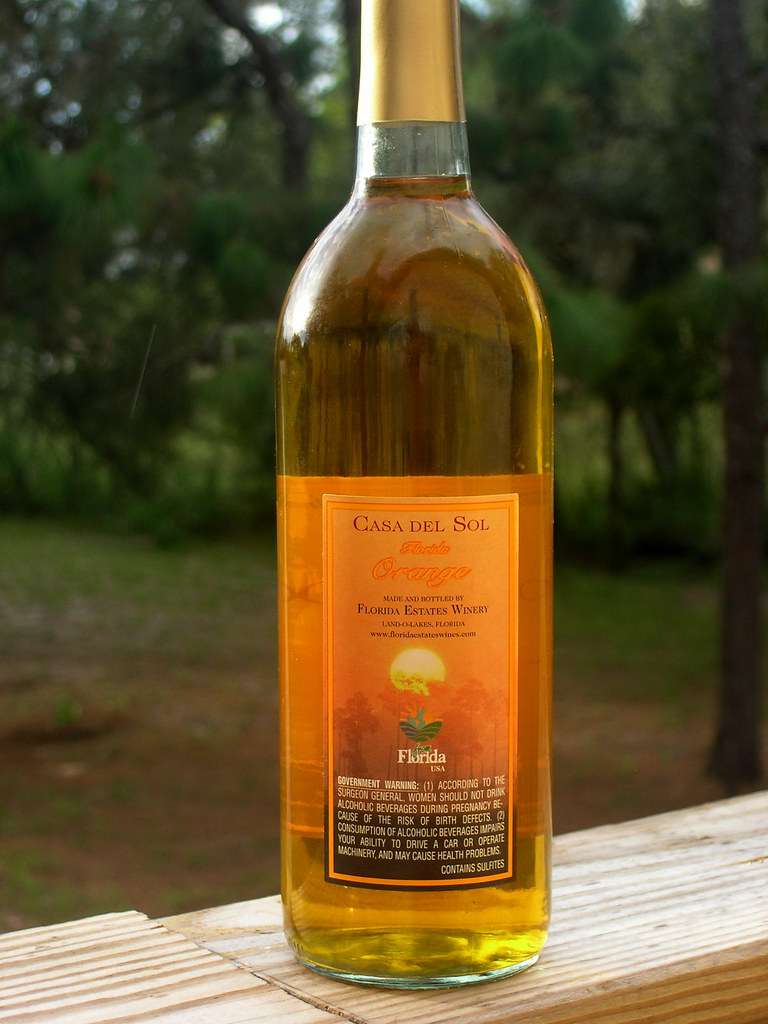
Then there’s the flavor factor. Orange isn’t shy—it’s bold, funky, and endlessly surprising. One sip might reveal dried peach and honey; the next, a whiff of wet stone or tea leaves. It’s a conversation starter, perfect for sharing with friends or colleagues over a relaxed night. In fact, tasting orange can double as a team building experience, sparking lively debates about its wild notes and quirky charm.
Add Instagram-worthy aesthetics—those glowing amber hues—and you’ve got a drink that’s as photogenic as it is sip-worthy. In 2025, orange isn’t just a beverage; it’s a vibe.
How Orange Gets Its Groove
Making orange wine is an art form. It starts with white grapes—think Pinot Grigio, Ribolla Gialla, or Sauvignon Blanc. After harvest, the grapes are crushed, and instead of whisking the juice away, winemakers let it sit with the skins, seeds, and sometimes stems. This skin contact can last anywhere from a few hours to a year, depending on the desired intensity.
Fermentation often happens in funky vessels—clay amphorae, wooden barrels, or concrete eggs—with wild yeasts doing the heavy lifting. No heavy-handed additives here; orange wine leans into nature’s chaos. Once it’s done, the wine might be cloudy or clear, depending on whether it’s filtered. The goal? Let the grape’s true character shine, skins and all.
It’s a slow, patient process, and that’s part of the appeal. Every bottle of orange wine feels like a snapshot of the vineyard—and the winemaker’s soul.
What Does Orange Taste Like?
Tasting orange is an adventure. Expect the unexpected: it’s not your typical fruity white. You might catch notes of dried apricot, orange peel, or nuts, layered with earthy vibes like leather or hay. There’s often a tannic bite—think of that puckery feel from tea—thanks to the skins. Some are crisp and bright; others lean savory and brooding.
Take a Slovenian orange wine, like a Vitovska—it’s all minerality and citrus zest, with a rustic edge. Or try a Georgian qvevri-aged blend—deep, nutty, and almost oxidative, like sherry’s wild cousin. Love bold reds? Orange wine’s texture might win you over. Prefer light whites? There’s an orange wine gentle enough to ease you in.
Want to explore it yourself? Gather some pals and crack open a few bottles. It’s a fantastic way to turn a casual hangout into a team building moment—everyone guessing flavors and swapping reactions.
Orange Wine vs. Other Styles: How It Stacks Up
Newbies often wonder: how does orange compare? Against white wine, it’s richer and more textured, thanks to those skins. Compared to reds, it’s lighter but still has tannins. Rosé? Forget it—orange wine is way more complex than a simple blush.
It’s closest kin might be natural wine, since both skip heavy processing. But not all orange wines are natural, and not all natural wines are orange—it’s a Venn diagram with overlap. The real kicker? Orange wine’s versatility. It pairs with everything from spicy Thai curry to funky cheeses, making it a foodie’s dream.
Top Orange to Sip Right Now
Ready to try orange wine? Here are some stellar picks for 2025:
- Gravner Ribolla (Friuli, Italy): Amber-hued and intense, with honey and spice from amphora aging.
- Pheasant’s Tears Rkatsiteli (Kakheti, Georgia): Nutty and bold, a qvevri classic.
- COS Pithos Bianco (Sicily, Italy): Floral and fresh, with a Sicilian twist.
- Radikon Slatnik (Friuli, Italy): Funky and full-bodied—a skin-contact stunner.
- Donkey & Goat Stone Crusher (California, USA): Zesty and grippy, West Coast style.
These bottles are perfect for a tasting night. Imagine hosting one with coworkers or clients—swirling, sniffing, and savoring. It’s a team building experience that’s equal parts fun and discovery.
Where to Score Orange
Orange is popping up everywhere—wine bars, specialty shops, even online. Look for natural wine retailers or check winery sites for direct shipping. Visiting a producer? Even better. Some offer tours where you can see those clay pots in action and taste the results fresh from the barrel. It’s an outing that’s perfect for groups who love food and adventure—think curated trips blending wine, culture, and team building.
Why Orange Deserves a Spot in Your Glass
Orange wine isn’t just a drink—it’s a journey. It’s ancient yet modern, simple yet complex, and always a little surprising. In a world of predictable pours, it stands out, daring you to taste something different. Plus, it’s a chance to support small producers who pour their hearts into every funky, amber drop.
So grab a bottle, invite some friends, and dive in. Make it a night to remember—a team building experience that celebrates curiosity and connection. Orange isn’t here to blend in—it’s here to shake things up. Cheers to that.
Hashtags: #OrangeWine #NaturalWine #WineLovers #WineTasting #SkinContactWine #SustainableWine #WineAdventure #FoodieWine #WineTrends #GoldenElixir
Find out more about our experiences.
You may also want to check out our gallery for past events.
Other interesting links
- CUSTOMIZE YOUR EXPERIENCE
- Team Building blog
- Wine Courses
- THE BLIND TASTING COMPETITION
- THE PERFECT BLEND COMPETITION
- TEQUILA & MEZCAL EXPERIENCE
- Food & Wine Pairing
- VIRTUAL EXPERIENCES
Links to other interesting articles:
73-powerful-team-building-activities
unlock-the-fun-with-18-virtual-team-building-activities
powerful-tips-for-crafting-a-company-culture
Links to other interesting articles:
19-amazing-virtual-team-building-activities
35-powerful-team-building-activities