
Table of Contents
The Art of Wine Collecting: How to Build and Maintain Your Dream Cellar in 2025
Wine collecting is more than a hobby—it’s a passion that blends taste, history, and investment into one rewarding pursuit. Whether you’re drawn to the elegance of a vintage Bordeaux or the promise of a young Napa Valley Cabernet, building a personal cellar is an art worth mastering.
In this guide, we’ll walk you through starting your wine collection, offer storage tips, and share investment strategies to ensure your bottles thrive. Let’s uncork the secrets to creating a cellar you’ll cherish for years.
Why Collect Wine?
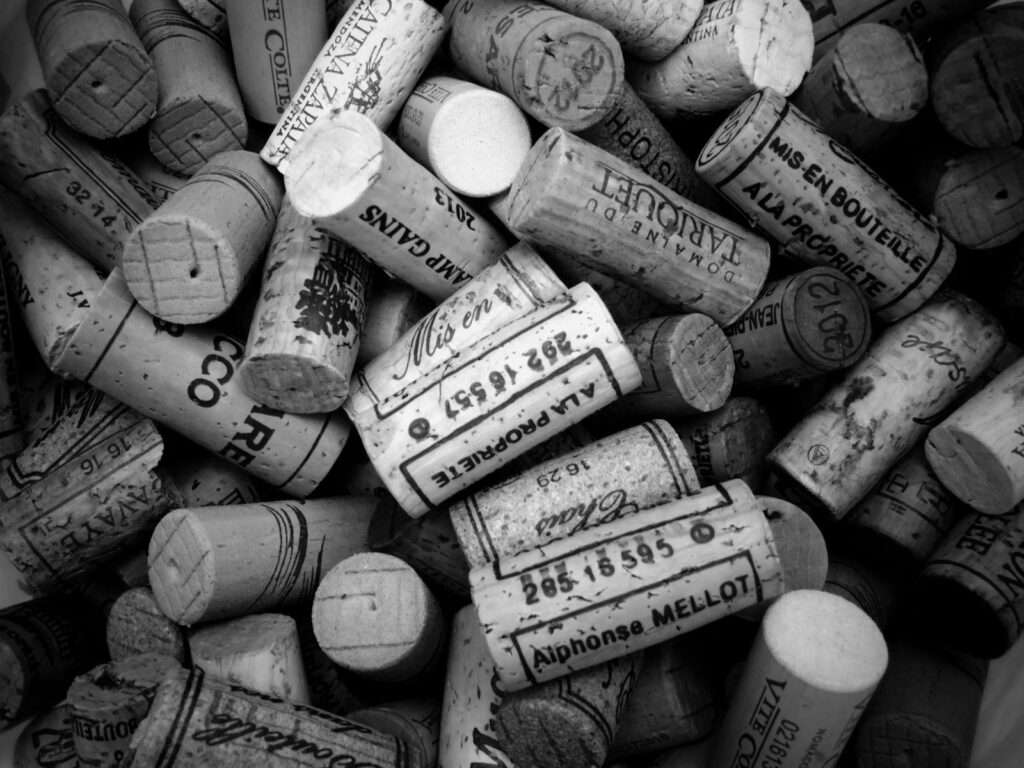
Wine collecting appeals to the senses and the soul. Each bottle holds a story—of its region, its maker, and the moment you choose to open it. Beyond enjoyment, it’s a tangible asset. According to Wine Spectator, fine wine has outperformed the S&P 500 in certain years, with top vintages appreciating by 10-15% annually.
For some, it’s about savoring rare finds with friends. For others, it’s a legacy to pass down. Whatever your reason, a well-curated cellar brings pride and pleasure—plus, it’s a great conversation starter for any team building experience. Ready to start? Here’s how.
Step 1: Define Your Collecting Goals
Every great wine collection begins with intention. Ask yourself: Are you collecting for pleasure, investment, or both? Your answer shapes what you buy.
- Pleasure Collectors: Focus on wines you love—maybe crisp Sauvignon Blancs or bold Malbecs. Variety keeps it fun.
- Investment Collectors: Target high-demand regions like Bordeaux, Tuscany, or cult Napa labels. Think long-term value.
- Hybrid Approach: Blend enjoyment with growth—say, a mix of everyday Pinot Noirs and age-worthy Barolos.
Set a budget, too. You can start small—$20 bottles add up—or splurge on a $200 cornerstone. The key is clarity. Your goals guide your cellar’s soul.
Step 2: Choose Your Wines Wisely
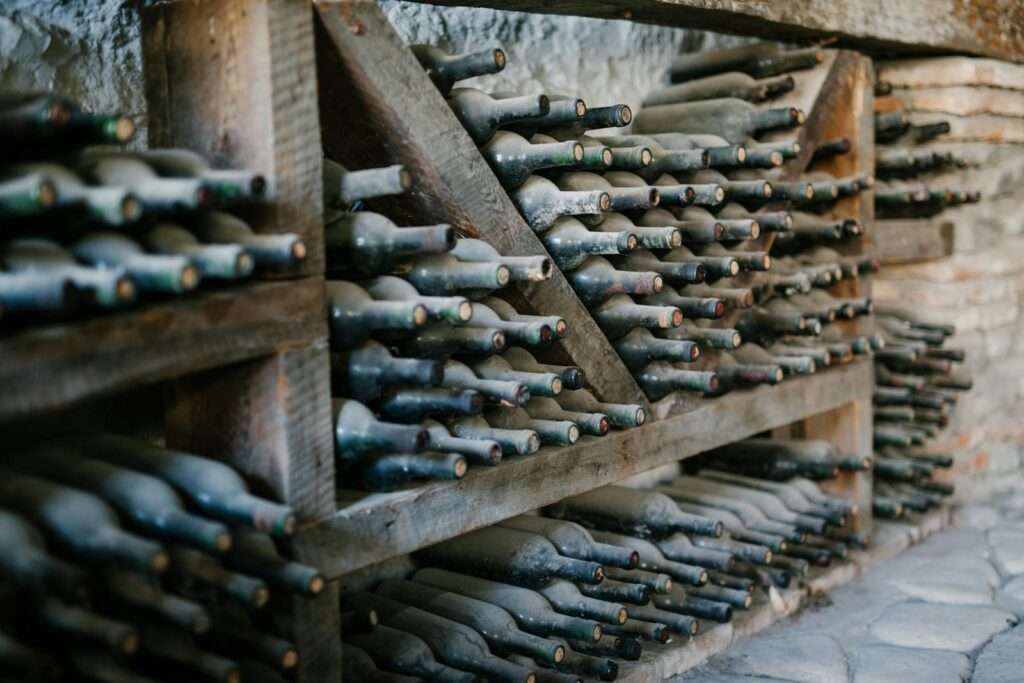
Building a collection means picking bottles with personality and potential. Here’s what to consider:
- Region: Classics like Bordeaux and Tuscany offer pedigree. Emerging spots like Oregon or South Africa bring excitement.
- Vintage: Research standout years—2016 was stellar for Napa, 2019 for Bordeaux. Vintage charts online are your friend.
- Producer: Seek reputable names—Château Margaux, Opus One—or rising stars recommended by sommeliers.
- Ageability: Reds like Cabernet Sauvignon and Nebbiolo age decades; whites like Riesling can surprise with time.
Start with 12-24 bottles to test your taste. Our curated tasting kits can help, introducing you to collectible gems—perfect for a team building kickoff to your wine journey.
Step 3: Master Storage Essentials
Wine is alive, and poor storage can kill it. To keep your collection thriving, nail these basics:
- Temperature: Aim for 55°F (13°C). Too warm speeds aging; too cold stalls it. A wine fridge or cellar works wonders.
- Humidity: Keep it at 60-70%. Dry air shrinks corks, letting oxygen sneak in; too damp risks mold.
- Light: UV rays degrade wine. Store bottles in darkness or use tinted glass if displayed.
- Position: Lay bottles flat to keep corks moist and airtight. Vertical storage is for short-term only.
- Vibration: Minimize movement—vibrations disrupt sediment in aging wines.
No basement? A countertop cooler for 12-50 bottles starts at $200. For bigger dreams, custom cellars run $5,000+. Invest in storage early—it’s the backbone of your collection.
Step 4: Build Your Cellar Over Time
Rome wasn’t built in a day, and neither is a wine cellar. Start small, then grow strategically.
- Diversify: Mix reds, whites, and sparklings from different regions. Add a Rosé for summer sipping.
- Buy in Multiples: Snag three or six of a favorite—drink one now, age the rest to track evolution.
- Shop Smart: Hit local wine shops, auctions, or online platforms like Vinfolio. Join winery mailing lists for first dibs.
- Document: Track purchases with a notebook or app like CellarTracker. Note tasting dates and impressions.
Patience is key. A cellar of 100 bottles might take years, but the journey’s half the fun.
Step 5: Investment Strategies for Wine Collectors
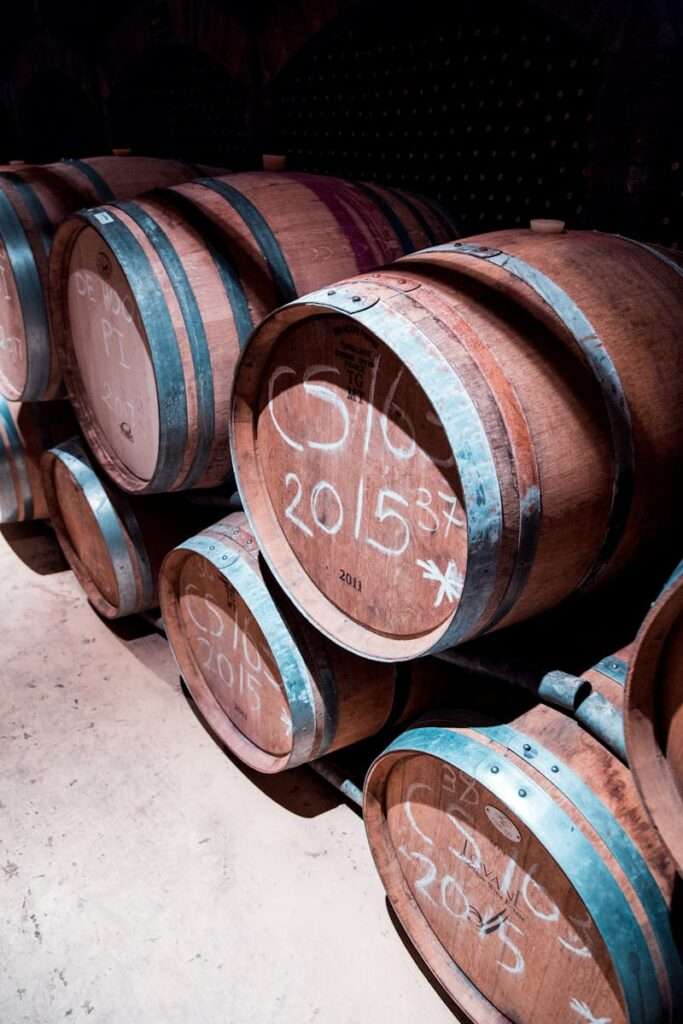
Wine can be a lucrative asset if you play it right. Here’s how to turn bottles into bucks:
- Focus on Provenance: Buy from reputable sources with storage history—provenance boosts resale value.
- Target Rarity: Limited releases (e.g., Screaming Eagle) or small vintages skyrocket over time.
- Hold Long-Term: Most wines peak after 10-20 years. A 2010 Bordeaux bought for $100 might fetch $300 by 2030.
- Auction Wisely: Sell through Sotheby’s or Christie’s when ready. Timing matters—watch market trends via Liv-ex.
Risks exist—fakes, market dips—so research is your shield. For novices, our expert-led tastings spotlight investment-worthy wines, blending learning with enjoyment.
Step 6: Maintain and Enjoy Your Collection
A cellar isn’t a museum—it’s meant to be savored. Here’s how to keep it alive:
- Rotate Stock: Drink younger wines first, letting age-worthy ones mature.
- Check Conditions: Inspect corks and labels yearly. Leaks or cracks signal trouble.
- Share the Love: Host tastings to share your bounty. It’s a natural team building experience that wows guests.
- Replenish: As you drink, replace with new finds to keep the cycle going.
Balance preservation with pleasure. A $50 bottle today might be a $5 memory tomorrow—drink it when it feels right.
Common Pitfalls to Avoid
Even seasoned collectors stumble. Dodge these traps:
- Overbuying: Don’t hoard beyond your space or budget. Quality beats quantity.
- Neglect: Ignoring storage ruins wines fast. Check your setup regularly.
- Impulse Buys: That trendy $30 bottle might not age well—research first.
- Hoarding: Don’t save every bottle forever. Wine’s meant to be enjoyed, not just admired.
Stay disciplined, and your cellar will reward you.
Tools and Resources for Success
Building a wine collection is easier with the right gear:
- Wine Fridge: Brands like EuroCave or Wine Enthusiast start at $150.
- Inventory Apps: CellarTracker or Vivino keep tabs on your stash.
- Books: The Wine Bible by Karen MacNeil or Wine Folly by Madeline Puckette teach the ropes.
- Tastings: Join local clubs or our virtual events to refine your palate.
These tools turn novices into connoisseurs, step by step.
The Joy of Wine Collecting
Wine collecting is a blend of art and science, patience and passion. It’s the thrill of hunting a rare vintage, the satisfaction of perfect storage, and the joy of uncorking a bottle that’s matured just right. For investors, it’s a savvy play; for enthusiasts, it’s a lifelong love affair.
Start small—maybe a half-dozen bottles—and watch your cellar grow. Share it with friends or colleagues for a team building night that impresses. Our tasting packages can kickstart your journey, delivering collectible wines and expert tips to your door.
A Cellar Worth Celebrating
Your wine collection is a personal masterpiece, reflecting your taste and vision. It’s a living thing—evolving, aging, waiting for the perfect moment. Whether you’re toasting a milestone or savoring a quiet evening, your cellar holds the promise of discovery.
So, pick your first bottle, set up your space, and dive into the art of wine collecting. Years from now, you’ll raise a glass to the journey—and the treasures you’ve gathered along the way. Cheers to that!
Hashtags: #WineCollecting #WineCellar #WineLovers #WineInvestment #WineStorage #CollectibleWines #WineHobby #WineTasting #WineJourney #WinePassion
Find out more about our experiences.
You may also want to check out our gallery for past events.
Other interesting links
- CUSTOMIZE YOUR EXPERIENCE
- Team Building blog
- Wine Courses
- THE BLIND TASTING COMPETITION
- THE PERFECT BLEND COMPETITION
- TEQUILA & MEZCAL EXPERIENCE
- Food & Wine Pairing
- VIRTUAL EXPERIENCES
Links to other interesting articles:
73-powerful-team-building-activities
unlock-the-fun-with-18-virtual-team-building-activities
powerful-tips-for-crafting-a-company-culture
Links to other interesting articles:
19-amazing-virtual-team-building-activities
35-powerful-team-building-activities