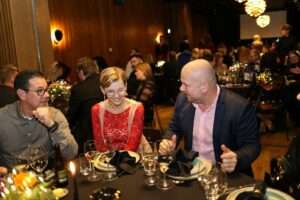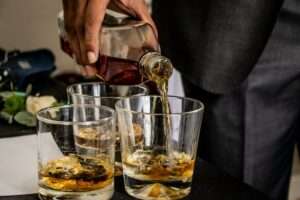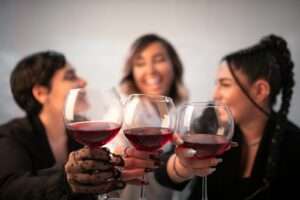
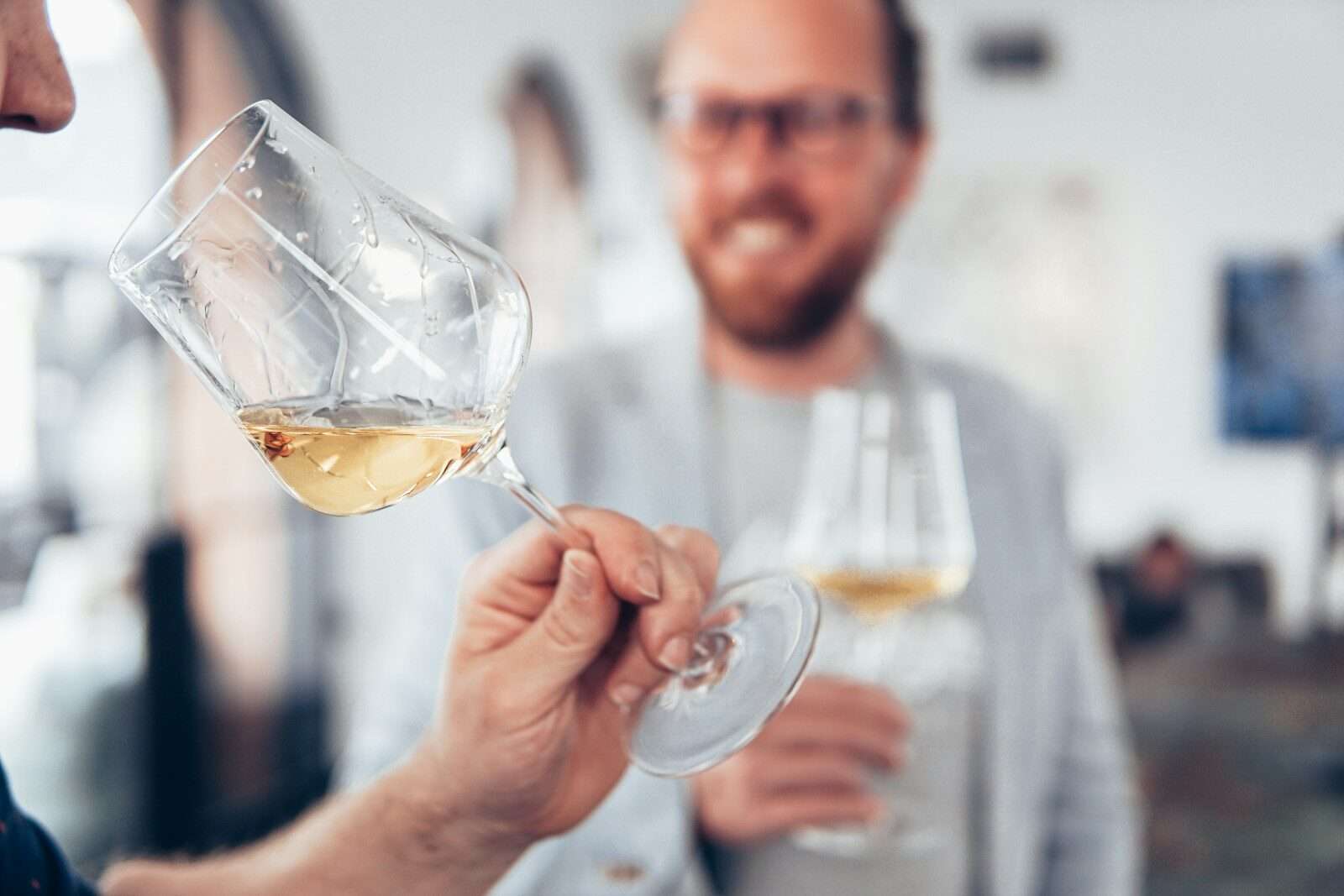
I’ve hosted hundreds of wine events, and I’ve learned one thing for certain: the moment you turn wine into a game, everything changes. People who said they “don’t know wine” are suddenly arguing passionately about whether a glass smells like blackberries or plums. Laughter fills the room. Walls come down.
Wine tasting games for groups are the fastest shortcut I know to genuine connection — whether you’re planning a bachelorette party, a birthday dinner, or a corporate team-building afternoon. This guide covers my ten favorites, with tips on how to run each one so it actually works.
Why Games Make Wine Tasting Better
Let’s be honest — a standard wine tasting can feel intimidating. People worry about saying the wrong thing or not knowing enough. Games solve that problem entirely by shifting the frame: now you’re playing, not performing.
The best wine tasting games for groups do three things at once. They lower the stakes so beginners feel safe. They create natural conversation between strangers. And they teach something real about wine without feeling like a lecture. That last part matters more than people expect — I’ve watched someone go from “I can’t tell reds from whites” to confidently identifying a Pinot Noir versus a Cabernet Sauvignon after one blind tasting round.
The 10 Best Wine Tasting Games for Groups
1. Blind Tasting Competition
This is the original, and it remains the best. Pour four to six wines into numbered glasses (or wrapped bottles), then challenge your group to identify grape variety, region, or vintage. No one needs prior knowledge — guessing is the whole point.
What makes it work: the reveal. When you uncover the bottles and people find out their “bold red” was a $12 grocery store Malbec, the room erupts. I’ve seen this moment bond coworkers better than any trust fall ever could.
For corporate groups, I recommend a structured score sheet. Participants write their guesses, you tally points, and suddenly you have a friendly leaderboard to compete over.
2. Wine Bingo
Create bingo cards with flavor descriptors instead of numbers — “oak,” “citrus,” “leather,” “jam,” “mineral,” “herbs,” and so on. As guests taste each wine, they mark off anything they detect. First person to get five in a row wins.
This is my go-to for large groups (20+) because everyone can play simultaneously without needing a facilitator at every table. It also teaches vocabulary in the most painless way possible — by the end of the night, everyone’s using words like “grippy tannins” and “long finish” without thinking about it.
3. Two Truths and a Lie — Wine Edition
Each person makes three statements about a wine in their glass: two true, one false. The group votes on which statement is the lie. Examples might be “this is from France,” “it’s a Pinot Noir,” and “it was aged in steel tanks” — only two of which are accurate.
This is a brilliant icebreaker for groups where not everyone knows each other. It creates immediate back-and-forth, and it works even if people only know basic wine facts.
4. Wine Tasting Relay Race
Split into two teams. Set up a relay where each team member must correctly identify one characteristic of a mystery wine before tagging the next person. The first team to complete the full relay wins.
This one creates the most energy of all wine tasting games for groups — people are cheering, coaching, jumping up from their seats. It’s rowdy in the best way.
5. The Price is Right — Wine Edition
Present four to six wines without labels. Guests guess the retail price of each, written on paper. Closest guess wins each round. The winning wine is often a surprise: groups consistently overestimate cheap wines that drink above their weight, and underestimate expensive bottles that don’t live up to their price tag.
The lesson is always the same: price does not equal quality. Watching a $15 Côtes du Rhône beat a $60 Napa Cabernet in a blind price-guessing game is one of the most liberating wine education moments I know.
6. Wine Trivia
Classic trivia format, but wine-themed. Rounds can cover wine regions, grape varieties, food pairing rules, wine history, and fun facts. I structure this in four rounds of five questions each, with a tiebreaker for close finishes.
This works especially well as a warm-up activity before a tasting, because it frames the wines you’re about to pour with context. “You just learned that Champagne must come from France — now let’s taste one and see if you can spot what makes it different from the Cava we’re pouring next.”
7. Sommelier Says
One person plays “sommelier” and describes a wine using only sensory cues (aroma, taste, texture, color) — no grape names, no regions allowed. The group tries to identify the wine from a pre-selected lineup.
This game builds extraordinary descriptive vocabulary. It’s also more challenging than it sounds, which makes the success moments feel genuinely earned.
8. Wine Speed Dating
Set up stations around the room, each with a different wine. Guests rotate every five minutes, spending time with each wine and jotting quick tasting notes. At the end, everyone votes on their “match” — the wine they’d take home.
Speed dating framing makes people engage more thoughtfully with each pour, because they know they have to commit to a verdict at the end. It’s one of the most effective wine tasting games for groups at private parties where people want both structure and freedom to socialize.
9. Decanting Challenge
Divide into teams and give each team a wine that needs decanting. Teams race to correctly identify when the wine has opened up optimally, and present their case to a judge (or the whole group) explaining why. This one requires more experience but works beautifully for groups with some wine background.
10. Wine Memory Match
Print pairs of cards with wine terms — one card with the term, one card with the definition (e.g., “tannins” / “the grippy, drying sensation from grape skins”). Play as a standard memory game. First person to collect the most pairs wins.
This is the perfect low-key version for groups that want something gentle. It’s especially good for the early arrival period while you’re waiting for everyone to show up.
How to Choose the Right Game for Your Group
Not every game works for every crowd. Here’s a quick reference:
| Game | Best For | Group Size | Skill Level |
|---|---|---|---|
| Blind Tasting Competition | Any occasion | 6–30 | Beginner–Advanced |
| Wine Bingo | Large parties | 15–100 | Beginner |
| Two Truths and a Lie | Icebreakers | 6–20 | Any |
| Relay Race | High-energy groups | 10–30 | Beginner |
| The Price is Right | Eye-opening education | 6–30 | Any |
| Wine Trivia | Structured learning | 10–50 | Any |
| Sommelier Says | Wine lovers | 6–20 | Intermediate |
| Wine Speed Dating | Parties | 10–40 | Any |
| Decanting Challenge | Wine enthusiasts | 6–20 | Intermediate–Advanced |
| Memory Match | Quiet/arrival activity | 4–15 | Beginner |
Setting Up Wine Tasting Games for Groups: Practical Tips
Pour smaller. For competitive games with multiple pours, use 1–1.5 oz pours. You want people tasting, not drinking — and it keeps the focus sharp longer.
Temperature matters. Whites should be around 45–50°F; reds around 60–65°F. Wines served at the wrong temperature taste worse and are harder to identify. A quick 15 minutes in the fridge fixes most “too warm” problems.
Provide water and plain crackers. Palate cleansers between wines are essential for accuracy. Skip the cheese and charcuterie during active tasting games — flavors influence each other more than people expect.
Use spittoons without shame. For games with six or more wines, encourage spitting. Everyone has more fun when no one is too fuzzy to remember what they tasted.
Pre-write score sheets. Print them out in advance. Real-time scorekeeping in front of a crowd is stressful and kills momentum. Collect sheets after each round, tally quickly on the side, announce results.
Bringing It to the Corporate World
Wine tasting games for groups translate brilliantly to corporate events because they require no prior expertise and create an instant level playing field. The VP of finance and the new analyst are on equal footing guessing whether a wine comes from Spain or France — and that equality is exactly what makes team building work.
At The Wine Voyage, our Blind Tasting Competition is the signature event for exactly this reason. We structure the competition so every team member contributes, the scoring rewards instinct as much as knowledge, and the reveals are theatrical enough to generate real reactions. We’ve run it for the Carter Center, GoFundMe, and Sazerac, among others — and the post-event feedback is always the same: “I didn’t expect to learn that much while having that much fun.”
If you want a fully facilitated experience rather than a DIY version, we can design a custom tasting game for your group’s size, skill level, and goals.
For more on hosting your own event, see our guide to how to host a blind wine tasting and our deep-dive on wine tasting party planning. If you’re looking for corporate team-building angles, wine tasting team building covers the full picture, and unique team building activities has broader options beyond wine.
Further Reading
For deeper dives into wine tasting technique and game design, I recommend Wine Folly’s visual guides to wine regions and grape varieties — perfect for building the trivia and blind tasting rounds in these games — and Decanter’s blind tasting tutorials, which will level up your group’s palate faster than almost anything else.