
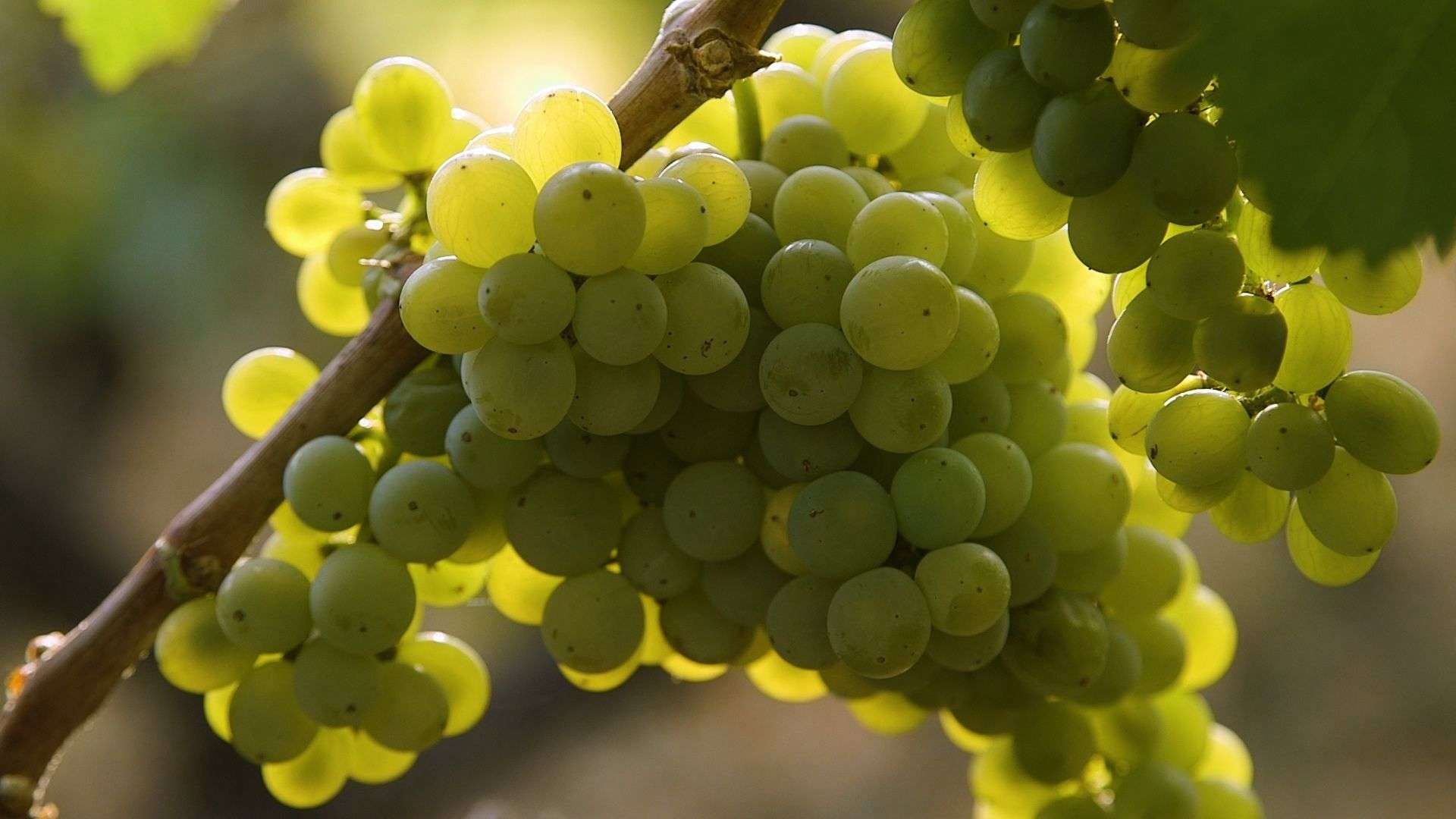
What Makes Albariño Special?
If you haven’t yet discovered Albariño, you’re in for a treat. This aromatic white grape from the Galicia region of northwestern Spain produces wines that are simultaneously refreshing and complex — a combination that’s rarer than you’d think.
Albariño sits in that compelling middle ground between Sauvignon Blanc (aromatic, bright, high-acid) and Riesling (floral, mineral, food-versatile) while having a personality entirely its own. It’s the kind of wine that makes people stop mid-sip and say “what is this?” — always a good sign.
Over the last decade, Albariño has moved from a regional curiosity to one of the most-sought-after white wines in Spain and beyond. New World versions from California, Oregon, and Portugal (where the same grape is called Alvarinho and used in Vinho Verde) have expanded its reach even further.
Albariño Flavor Profile
Albariño is aromatic and zesty, with high natural acidity and typically lower alcohol than many white wines. That combination of fragrance and freshness is what makes it so compelling.
Core aromas and flavors
- Citrus: lemon zest, lime, grapefruit, orange peel
- Stone fruit: peach, nectarine, apricot
- Tropical notes: lychee, passion fruit, pineapple (more pronounced in warmer vintages)
- Floral: white flowers, jasmine, honeysuckle
- Mineral and saline: sea spray, crushed granite, wet stone (a hallmark of Rías Baixas)
- Herbal: fresh herbs, fennel, anise
The saline mineral quality deserves special mention. Rías Baixas (the primary Albariño wine region) is coastal — the Atlantic Ocean is never far away — and this maritime character comes through in the wine as a distinctive briny freshness that makes it extraordinarily refreshing.
Albariño and oak
Unlike Chardonnay, most Albariño is fermented and aged in stainless steel to preserve its bright aromatics and freshness. You’ll occasionally encounter oak-aged or skin-contact examples from ambitious producers, but the classic style is all about pure fruit expression and mineral clarity.
Where Albariño Grows
Rías Baixas, Spain
This is where Albariño made its name, and it’s still the definitive expression. Rías Baixas (pronounced “REE-as BY-shas”) is a coastal DO in Galicia, defined by its estuaries, granite soils, high rainfall, and cool Atlantic influence.
The region is divided into five sub-zones:
| Sub-zone | Character | Notable For |
|---|---|---|
| Val do Salnés | Classic, benchmark Albariño | Coastal freshness, pure mineral |
| O Rosal | Richer, more floral | Blended styles, more weight |
| Condado do Tea | Warmer, more aromatic | Lush fruit character |
| Soutomaior | Small, esoteric | Intense, concentrated wines |
| Ribeira do Ulla | Northernmost zone | Crisp, high-acid wines |
Val do Salnés is the heart of the region — the granite soils and cool coastal climate produce the most mineral and saline expressions of Albariño. Most of the celebrated producers are here.
Vinho Verde, Portugal
The same grape variety grown across the Minho River in Portugal is called Alvarinho, and it’s a key component in Vinho Verde blends. Monção e Melgaço, the northernmost sub-region of Vinho Verde, produces 100% Alvarinho wines that rival the best of Rías Baixas — with a similar mineral quality and sometimes even more richness.
If you’re a fan of Albariño, exploring Alvarinho from Monção e Melgaço is a natural next step. Producers like Quinta de Soalheiro and Anselmo Mendes are making exceptional wines.
New World Albariño
California, Oregon, and Washington State all grow Albariño, and some producers have achieved impressive results. The style tends toward richer fruit expression with slightly lower acid than Spanish examples, but the aromatic intensity remains. In a warm vintage, New World Albariño can be surprisingly lush and tropical.
Australia and New Zealand have also planted Albariño with promising results — the cooler regions particularly suit the grape’s need for acidity.
Albariño vs. Similar White Wines
If you’re navigating a wine list or wine shop, this comparison might help you decide whether Albariño is what you’re looking for:
| Wine | Aromatics | Acidity | Body | Key Flavors |
|---|---|---|---|---|
| Albariño | High | High | Light–Medium | Citrus, peach, saline, floral |
| Sauvignon Blanc | High | High | Light | Grapefruit, herbs, gooseberry |
| Riesling | High | High | Light | Lime, petrol, peach, mineral |
| Pinot Grigio | Low–Medium | Medium | Light | Apple, lemon, neutral |
| Viognier | Very High | Low | Medium–Full | Apricot, peach, jasmine |
| Chardonnay | Medium | Low–Medium | Medium–Full | Apple, butter, toast, tropical |
Albariño occupies a unique niche: it’s as aromatic as Viognier but much fresher; it’s as acidic as Sauvignon Blanc but more restrained and mineral; it’s more complex than Pinot Grigio while remaining highly food-friendly.
Food Pairing with Albariño
Albariño’s homeland is coastal, and the wine reflects that: it was essentially engineered by geography to go with seafood. But its versatility extends well beyond the ocean.
Classic seafood pairings
- Galician pulpo (octopus): The textbook pairing — the wine’s salinity and acid cut through the richness
- Oysters: The briny mineral quality of Albariño mirrors the ocean character of raw oysters perfectly
- Clams and mussels: Especially in brothy preparations (steamed with white wine and herbs)
- Grilled sea bass or sea bream: The wine’s brightness complements without overwhelming delicate fish
- Scallops: Particularly with citrus or herb preparations
- Ceviche: The lime acidity and citrus notes in Albariño echo the dish
Beyond seafood
Albariño’s food range is broader than most people expect:
- Light Asian cuisine: Vietnamese, Thai dishes with fresh herbs and citrus; the aromatics are complementary
- Tapas: Spanish cured ham (jamón), manchego, olives — all work beautifully
- Vegetable dishes: Asparagus, artichokes, fennel — vegetables that challenge many wines
- Soft fresh cheeses: Chèvre, burrata, ricotta
- Sushi and sashimi: The mineral clarity of Albariño mirrors sake’s quality and works brilliantly with raw fish
I’d avoid very heavy, cream-based sauces or rich red meat dishes — Albariño’s delicacy would get lost. But anything bright, fresh, or seafood-forward is an excellent match.
How to Buy and Serve Albariño
Serving temperature
Serve Albariño cold — 45–50°F (7–10°C). Warmer and the aromatics become flat; colder and you lose the floral nuance. If it’s been in the fridge, let it sit out for 5 minutes before pouring.
Glassware
A standard white wine glass with a slightly narrower bowl works well. You want enough volume to swirl and release the aromatics without the wine warming too quickly.
Should you age Albariño?
Most Albariño is designed to be drunk young — within 3–5 years of vintage, when the aromatics are freshest. Occasionally you’ll find barrel-fermented or late-harvest examples with more age potential, and some of the top Rías Baixas producers (Pazo de Señoráns, Do Ferreiro) make wines that evolve beautifully for 8–12 years.
As a general rule: drink your Albariño fresh.
How much should you spend?
| Price Range | What to Expect |
|---|---|
| $15–$20 | Solid, commercial Albariño; fresh and easy-drinking |
| $20–$35 | Better producers, more mineral complexity; the sweet spot |
| $35–$60 | Single-vineyard, top estate wines; considerable complexity |
| $60+ | Reserve or aged expressions; serious collectors |
The value at $20–$35 is genuinely excellent. Albariño hasn’t yet attracted the premium pricing that similar-quality French whites command, which makes this an ideal time to explore.
Top Producers to Seek Out
These names consistently produce excellent Albariño:
Rías Baixas, Spain:
- Pazo de Señoráns — benchmark, age-worthy
- Martin Codax — reliable, widely available
- Do Ferreiro — mineral, complex, serious
- Bodegas Terras Gauda — rich and aromatic
Vinho Verde, Portugal (Alvarinho):
- Quinta de Soalheiro — mineral perfection
- Anselmo Mendes — consistent quality
California:
- Tangent — excellent value varietal
- Verdad — serious approach to the variety
Albariño at Corporate and Team Tastings
Albariño is one of my go-to recommendations for corporate wine events, especially summer occasions or anything where the setting is celebratory and fresh. It’s a crowd-pleaser that doesn’t sacrifice complexity — approachable enough for guests who mainly drink Pinot Grigio, interesting enough to engage guests who know their wine.
The story is also compelling: a coastal grape from ancient Galicia, shaped by the Atlantic, born to go with the local seafood. That geographic narrative — wine as a product of place — resonates with people in a way that technical descriptions don’t.
Pairing Albariño with fresh seafood at a tasting creates a sensory memory that’s hard to forget. The Wine Voyage’s Myrna Elguezabal has built several highly-rated corporate tastings around exactly this concept — Iberian wines, fresh flavors, and a story that brings the region to life.
If you enjoy Albariño’s citrusy freshness, you’ll likely love Viognier for more aromatic intensity or Riesling for another high-acid white with mineral depth. For understanding white wine styles broadly, the white wine for beginners guide is a great foundation. And for pairing principles that work with wines like this, see how to pair wine with food.
Further Reading
For deeper exploration of Albariño and Rías Baixas, these are the best resources: Wine Folly’s Albariño guide and Decanter’s Rías Baixas regional profile.