Table of Contents
Terroir Unveiled: A Dive into the Soul of Wine
Terroir—a term often uttered by wine enthusiasts, leaving the uninitiated perplexed. Picture this: a sip of wine, followed by an exclamation, “this wine exhibits beautiful terroir.” Confusion sets in, and you find yourself wondering, what does that even mean?
Unveiling Terroir
Terroir, derived from French, translates to “a sense of place.” It’s a term thrown around in the world of wine tasting, signifying that the wine in question encapsulates the distinctive essence of its origin. When someone claims a wine displays terroir, they’re essentially saying that it tastes like a wine cultivated and crafted in the region where it originated. For instance, if a Napa Valley wine from California mirrors the quintessential characteristics expected from wines in that region, it boasts great terroir. Simple, isn’t it?
Terroir in Essence
At its core, terroir revolves around the belief that the land and climate of the grapevine’s cultivation bestow unique qualities upon the grape that are exclusive to that specific region. Drawing a parallel, just as a tomato grown in Florida differs in taste from its counterpart in New Jersey, grapes follow suit. Declaring that a tomato embodies the terroir of New Jersey is akin to saying it tastes like a tomato grown in New Jersey. The same principle applies to grapes and the wines they produce.
Terroir Factors Explored
To truly comprehend the intricacies of terroir, let’s delve into the factors that contribute to this elusive concept:
1. Soil Composition
Terroir enthusiasts often emphasize the significance of soil in shaping a wine’s character. The composition of minerals, nutrients, and the overall structure of the soil plays a crucial role in influencing grape development.
2. Climate Dynamics
Climate, encompassing temperature, rainfall, and sunlight, emerges as another pivotal factor. The delicate dance between these elements throughout the grape’s growth cycle profoundly impacts its flavor profile.
3. Topography and Altitude
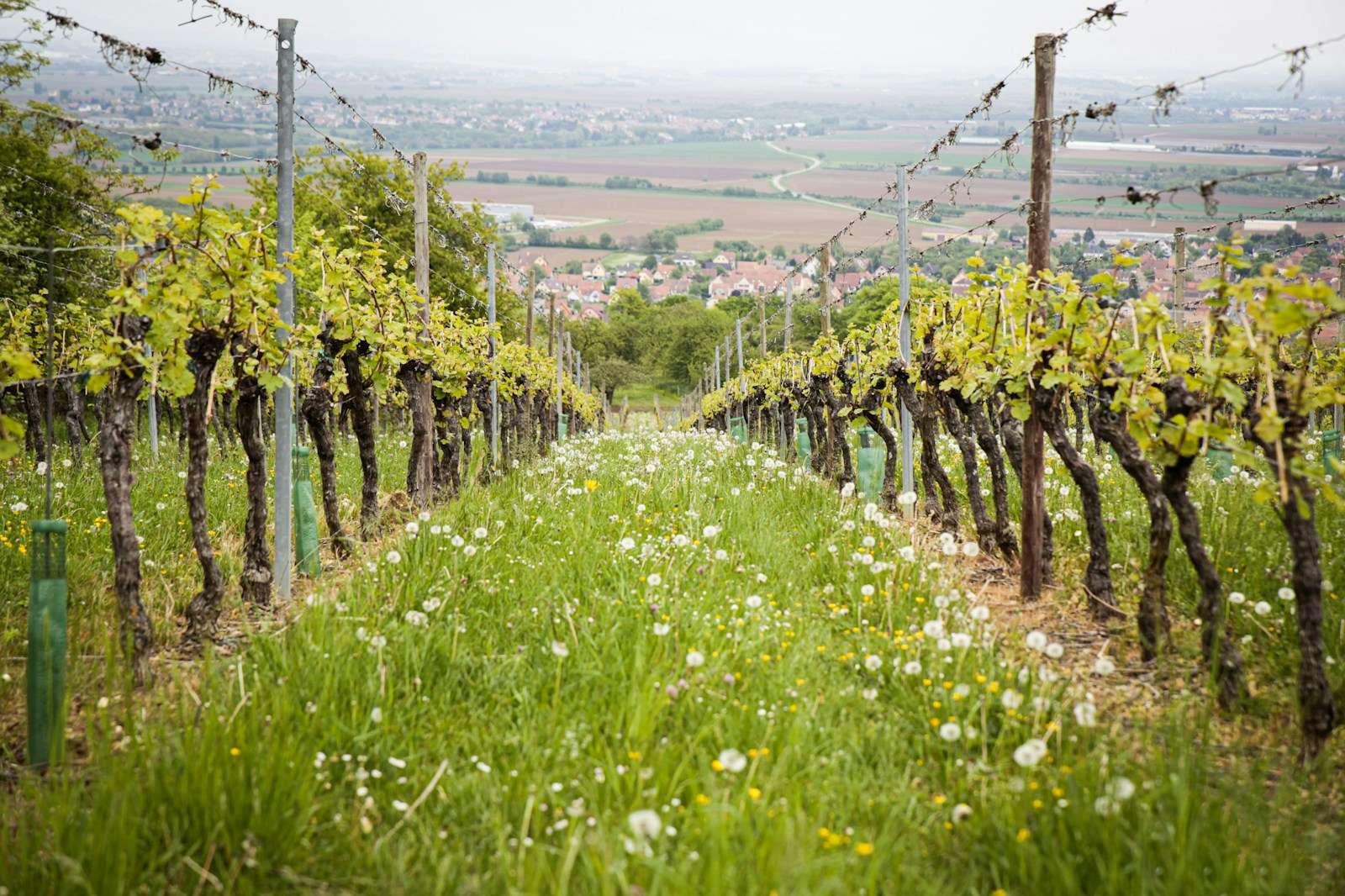
The physical features of the land, such as slopes, altitude, and exposure to sunlight, contribute to the nuances of terroir. Grapes grown on a sun-kissed hillside might yield different flavors than those from a shaded valley.
4. Human Intervention
While terroir emphasizes natural influences, human practices also shape a wine’s terroir. Vineyard management, winemaking techniques, and traditions specific to a region add layers to the terroir narrative.
Terroir Beyond the Vineyard
Terroir extends its influence beyond the grapevine to the winemaking process. The choice of fermentation vessels, aging techniques, and even the local yeast present in the winery contribute to the final expression of terroir in a bottle.
Global Perspectives on Terroir
While the term originated in France, acknowledging and celebrating terroir is a global phenomenon. Winemakers worldwide embrace the concept, applying it to express the unique qualities of their respective regions.
The Complexity of Terroir
Understanding terroir requires a nuanced approach. It’s not a one-size-fits-all concept; instead, it embraces the diversity of wine regions globally. A Burgundy wine’s terroir will differ significantly from that of a Barossa Valley Shiraz.
Terroir and Wine Identity
In essence, terroir shapes the identity of a wine. It encapsulates the story of the land, the climate, and the people behind the wine, creating a sensory experience that reflects its origin.
10 Facts About “Decoding Terroir”:
- Terroir Origins: The term “terroir” is rooted in the French language, translating to “a sense of place.”
- Common Wine Jargon: Enthusiasts often use terroir to describe wines that encapsulate the distinct characteristics of their origin.
- Regional Authenticity: Terroir suggests that a wine tastes true to its region of cultivation and production.
- California’s Terroir: A California wine from Napa Valley with great terroir mirrors the expected traits of wines from that region.
- Land and Climate Influence: Terroir’s influence extends to how the grapevine is cultivated, impacting the flavors of the resulting wine.
- Global Application: Terroir is a concept applied worldwide, acknowledging the regional nuances that contribute to wine’s identity.
- Terroir Factors: Soil composition, climate dynamics, topography, altitude, and human intervention are key factors influencing terroir.
- Terroir Beyond the Vineyard: The winemaking process, including fermentation and aging, also contributes to a wine’s terroir.
- Human Practices: While terroir emphasizes natural influences, human practices in vineyard management and winemaking shape the final product.
- Terroir Complexity: Terroir is a nuanced concept, embracing the diversity of wine regions globally.
Find out more about our experiences.
You may also want to check out our gallery for past events.
Other interesting links
- CUSTOMIZE YOUR EXPERIENCE
- Team Building blog
- Wine Courses
- THE BLIND TASTING COMPETITION
- THE PERFECT BLEND COMPETITION
- TEQUILA & MEZCAL EXPERIENCE
- Food & Wine Pairing
- VIRTUAL EXPERIENCES
Links to other interesting articles:
73-powerful-team-building-activities
unlock-the-fun-with-18-virtual-team-building-activities
powerful-tips-for-crafting-a-company-culture
Links to other interesting articles:
19-amazing-virtual-team-building-activities
35-powerful-team-building-activities