Table of Contents
10 Amazing Sustainable Winemaking Trends to Watch in 2025
Wine’s going green, and it’s never tasted better. In 2025, sustainable winemaking is reshaping the industry, blending eco-friendly practices with delicious bottles. From vineyards to cellars, these 10 sustainable winemaking trends are good for the planet and your palate. Ready to sip with a conscience? Let’s explore the future of wine!
Why Is It Booming in 2025
Sustainable winemaking isn’t just a buzzword—it’s a movement. In 2025, it’s trending as winemakers and drinkers alike prioritize the earth without sacrificing flavor. With climate challenges rising, these practices cut waste, save water, and keep vines thriving. Perfect for eco-minded sipping or a team building experience, sustainable winemaking is wine with purpose. Curious what’s ahead? Here are 10 trends to watch this year.
1. Organic and Biodynamic Vineyards
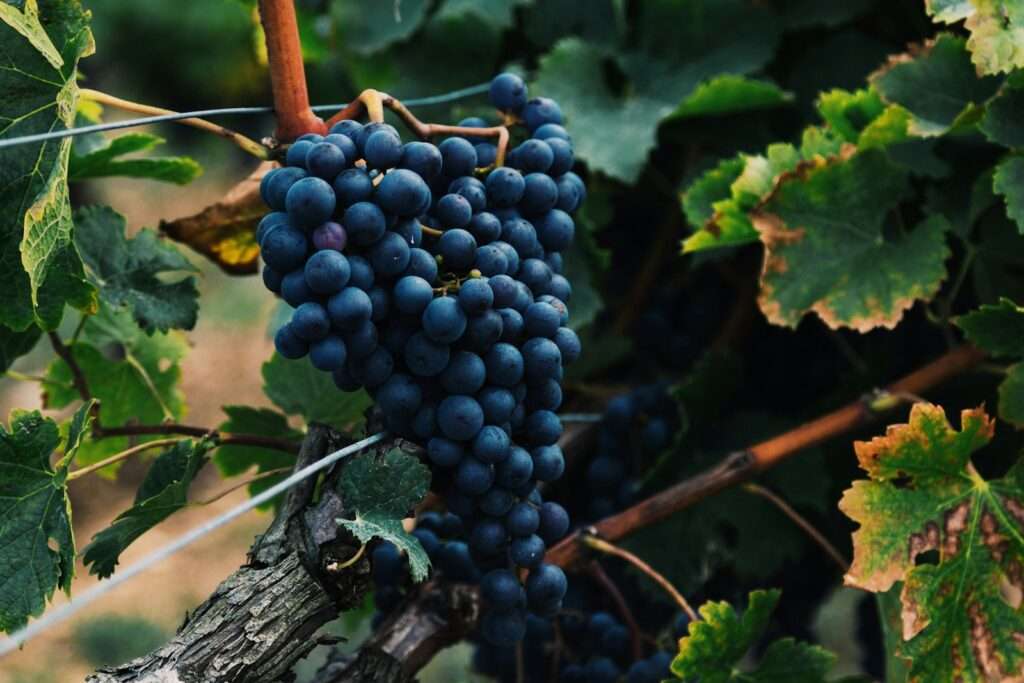
Sustainable winemaking starts in the dirt—organic and biodynamic vineyards ditch synthetic pesticides for natural solutions like compost and lunar cycles. The result? Cleaner wines with a true taste of place, like a $20 Pinot from Oregon.
I sipped a biodynamic Syrah once, and its earthy purity blew me away—nature in a glass. It’s a green classic. Share this sustainable winemaking trend at a team building tasting—pure vibes.
2. Water-Saving Irrigation
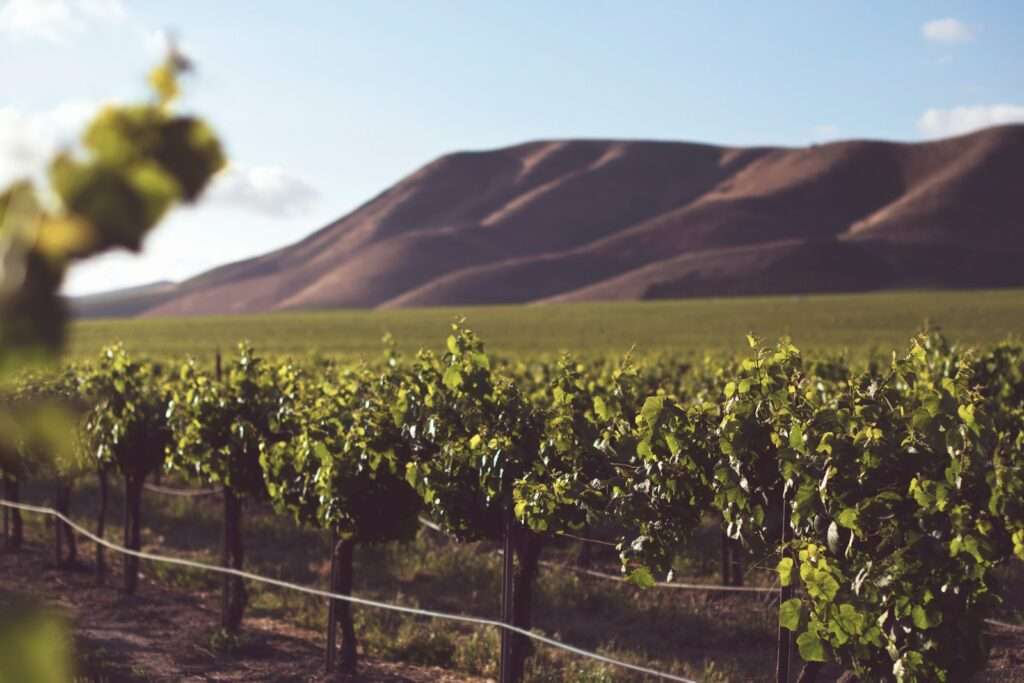
Drip irrigation and dry farming are sustainable winemaking heroes in 2025—using less water to grow grapes, especially in drought-prone spots like California. These methods stress vines just enough for concentrated flavors.
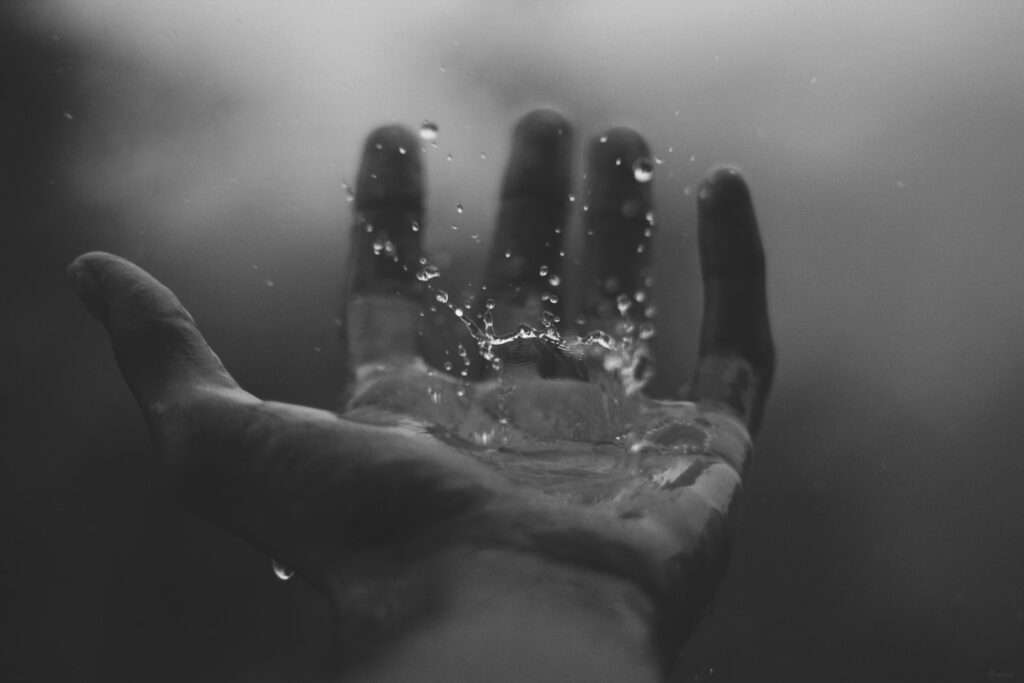
I tasted a dry-farmed Zinfandel, and its intensity was unreal—less water, more punch. It’s a smart sip. A curated package highlighting this sustainable winemaking trend could quench curiosity.
3. Lightweight Bottles
Sustainable winemaking cuts carbon with lighter glass bottles—less weight means lower shipping emissions. A $15 Malbec in a slim bottle tastes just as good and leaves a smaller footprint.
I grabbed a lightweight Rioja, and it felt clever—same wine, less guilt. It’s a subtle shift with big impact. A team building experience with these bottles could lighten the mood—and the planet.
4. Solar-Powered Wineries
Solar energy is powering sustainable winemaking in 2025—wineries from Tuscany to Napa harness the sun to run presses and chill tanks. The wines? Still stellar, like a $18 solar-made Chardonnay.
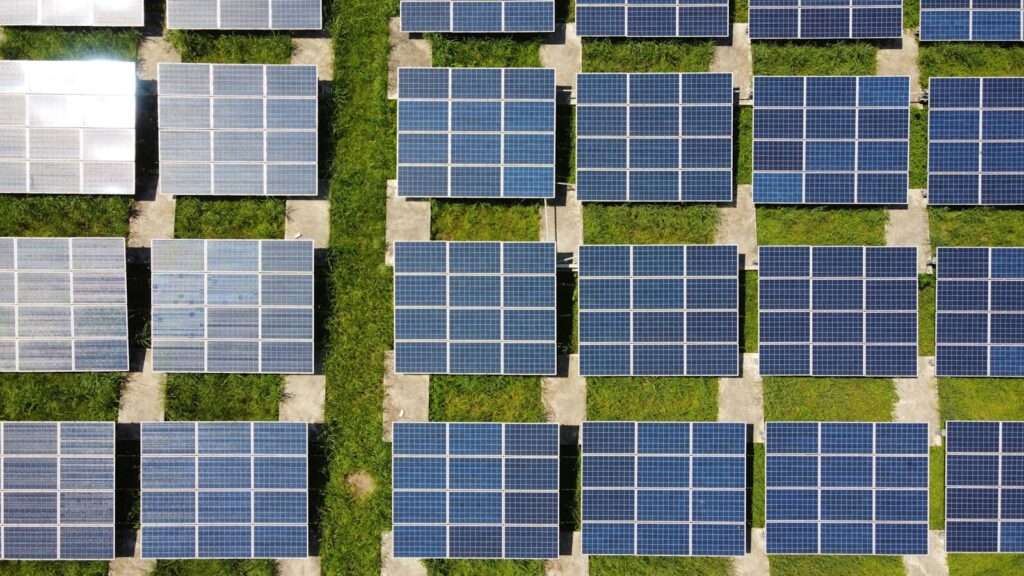
I visited a solar winery, and the vibe was as bright as the wine—clean energy, crisp taste. It’s a sunny win. A team building trip here could spark some eco-love.
5. Regenerative Farming
Regenerative farming takes sustainable winemaking up a notch—restoring soil health with cover crops and livestock. Think richer dirt, happier vines, and a $20 Cabernet that’s good for the ground.
I sipped a regenerative red, and knowing it healed the earth made it taste better—deep and meaningful. It’s a soil saver. A tasting package with this sustainable winemaking twist could plant some seeds.
6. Recycled Packaging
Sustainable winemaking embraces recycled materials—think cardboard boxes or cork alternatives from sugarcane. A $16 Sauvignon Blanc in eco-packaging keeps waste low and flavor high.

I got a wine in a recycled box, and it felt smart—same crispness, less trash. It’s a packaging plus. A team building experience with this could unpack sustainability in style.
7. Carbon-Neutral Certifications
Wineries are chasing carbon-neutral status in 2025—offsetting emissions with tree planting or renewable energy. Sustainable winemaking shines in a $19 carbon-zero Pinot Noir that’s kind to the climate.
I tried a carbon-neutral rosé, and it was a guilt-free buzz—light and lovely. It’s a clean slate sip. A team building tasting with this sustainable winemaking trend could clear the air.
8. Native Yeast Fermentation
Ditching commercial yeast for wild, native strains is a sustainable winemaking move—less energy, more terroir. A $17 Chardonnay fermented naturally tastes raw and real, straight from the vine.
I had a wild yeast white, and its funky edge hooked me—pure and untamed. It’s a natural kick. A tasting package showcasing this sustainable winemaking trick could get wild.
9. Low-Intervention Winemaking
Less tinkering, more nature—low-intervention is sustainable winemaking at its core. Minimal additives mean a $15 Merlot that’s honest, eco-friendly, and packed with character.
I sipped a low-intervention red, and its simplicity sang—wine as it should be. It’s a hands-off win. A team building experience with this could keep it real.
10. Community-Supported Wine
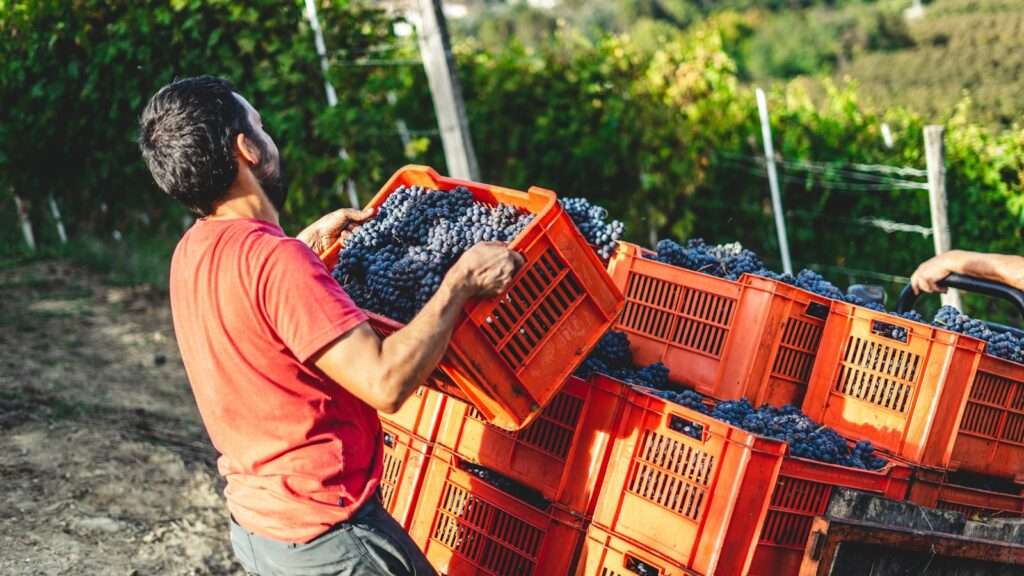
Like CSA for veggies, community-supported wine ties sustainable winemaking to locals—pre-buy shares, get fresh bottles. A $20 Riesling from a co-op feels personal and planet-friendly.
I joined a wine co-op, and the Riesling drop-off felt like a gift—community in every sip. It’s a shared green dream. A team building sip session with this sustainable winemaking trend could bond the group.
Why These Trends Matter
These sustainable winemaking trends rock because they blend ethics with excellence—organic vines, solar power, and low intervention cut waste while boosting flavor. They’re practical too—light bottles and water tricks scale anywhere. They prove wine can be delicious and do good, from vineyard to glass.
I’ve tasted the difference—biodynamic versus basic? No contest. They’re not just trends; they’re the future of wine with a conscience.
How to Sip
Diving into sustainable winemaking is easy—look for “organic,” “biodynamic,” or “carbon-neutral” on labels at your shop. Grab a $15 low-intervention red or a solar-powered white and taste the green vibe. Host a tasting—compare a wild yeast wine to a standard one.
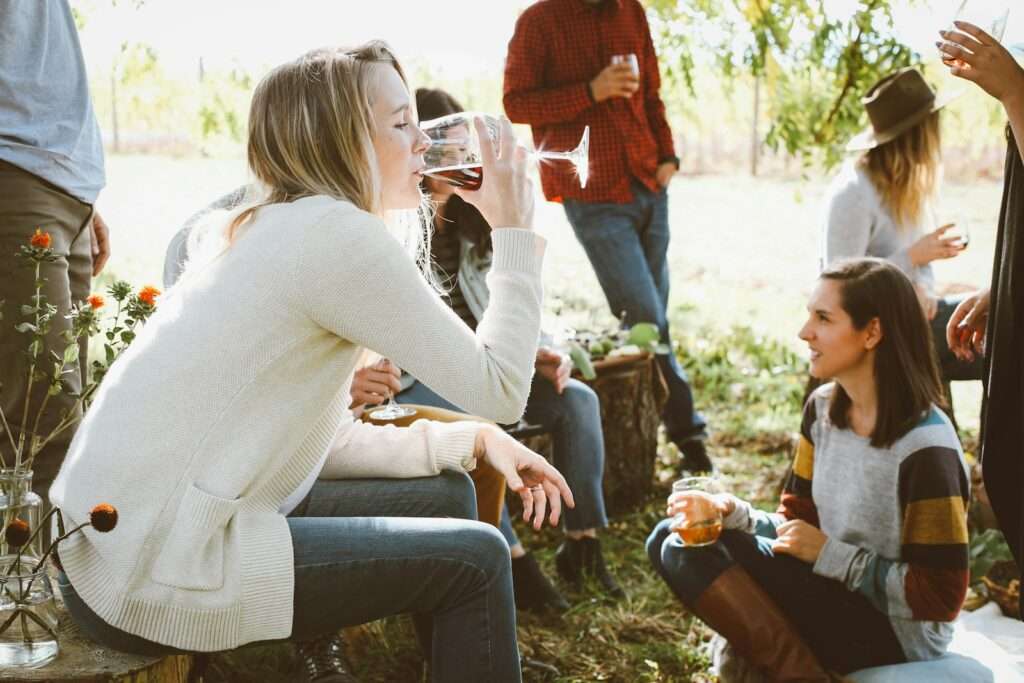
For groups, a team building experience with sustainable winemaking is a win. Picture your crew sipping regenerative reds or unpacking recycled boxes—it’s eco-fun. A curated package could deliver these wines with the story behind them.
Tips
- Check Certs: Look for organic or biodynamic seals—proof of the practice.
- Ask Around: Shops love sharing sustainable winemaking picks—dig in.
- Pair Green: Match with local, seasonal eats for max eco-points.
- Sip Slow: Savor the story—sustainability tastes better with time.
- Recycle: Keep the cycle going—toss those light bottles right.
These hacks make sustainable winemaking a joy to explore, glass by glass.
2025 Is the Year
Sustainable winemaking is soaring in 2025 because it’s urgent—climate’s pushing, and wine’s answering. These 10 trends—organic vines, water saves, light bottles, solar power, regenerative farming, recycled packs, carbon goals, wild yeast, low intervention, community ties—blend taste with responsibility. They’re not just buzz; they’re bottles with a mission.
I’ve got a carbon-neutral Pinot chilling now—can’t wait to sip the future. Which sustainable winemaking trend will you toast? Pour one, sip green, and make 2025 a vintage year.
A Toast to Green Wine
Trends that save the planet and delight your palate, from biodynamic vines to community co-ops. They’re not just practices; they’re promises for better wine and a better world. So, raise a glass, sip sustainably, and cheers to a greener vintage!
Hashtags: #SustainableWinemaking #GreenWine #WineLovers #2025Trends #OrganicWine #BiodynamicVines #WaterSavingWine #LightBottles #SolarWineries #RegenerativeFarming #RecycledPackaging #CarbonNeutralWine #NativeYeast #LowIntervention #CommunityWine #SipGreen
Find out more about our experiences.
You may also want to check out our gallery for past events.
Other interesting links
- CUSTOMIZE YOUR EXPERIENCE
- Team Building blog
- Wine Courses
- THE BLIND TASTING COMPETITION
- THE PERFECT BLEND COMPETITION
- TEQUILA & MEZCAL EXPERIENCE
- Food & Wine Pairing
- VIRTUAL EXPERIENCES
Links to other interesting articles:
73-powerful-team-building-activities
unlock-the-fun-with-18-virtual-team-building-activities
powerful-tips-for-crafting-a-company-culture
Links to other interesting articles:
19-amazing-virtual-team-building-activities
35-powerful-team-building-activities